Source Silent Marine Diesel Generator with ATS for Ships, Yachts, and Offshore Platforms
Compare 30 Silent Marine Diesel Generator with ATS units from verified Chinese manufacturers. Buyers can evaluate power ratings, cooling methods, and control systems for marine applications.
Key considerations
Products List


Silent Water-Cooled Diesel Generator for Commercial Use with ATS Panel
$8799.00 - $10999.00
MOQ: 1 Pieces


160kw Backup Genset 200kVA Silent Soundproof Diesel Generator with ATS
$3000.00 - $19900.00
MOQ: 1 Pieces

100kVA 3 Phase ATS Silent Diesel Generator with Soundproof Genset Engine
$1370.00 - $40000.00
MOQ: 1 Pieces

Marine Super Silent 125kVA 3 Phase 60Hz Support ATS Diesel Generator
$4567.00 - $4577.00
MOQ: 1 Pieces

Marine 150kVA Heavy Duty 3 Phase 1500rpm Support ATS Diesel Generator
$4732.00 - $4752.00
MOQ: 1 Pieces


High Efficiency 160kw 3 Phase Price Silent Support ATS Diesel Generator
$13743.00 - $13793.00
MOQ: 1 Pieces


Four-Stroke Marine Diesel Generator with a Frequency of 50/60Hz 200kVA
$4680.00 - $4760.00
MOQ: 1 Pieces


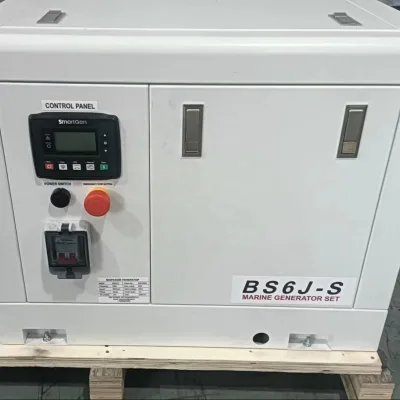

Super-Above Silent Genset 120kw Marine Diesel Generator with Good Quality
$3000.00 - $12000.00
MOQ: 1 Pieces


Customized Super-Above Silent Power Generators Marine Diesel Generator
$3000.00 - $12000.00
MOQ: 1 Pieces
Comprehensive Sourcing Guide
Silent Marine Diesel Generator with ATS Sourcing Guide
Procuring a silent marine diesel generator equipped with an Automatic Transfer Switch (ATS) requires a rigorous approach to technical verification and supplier qualification. The marine environment presents unique challenges, including saltwater corrosion, constant vibration, and the critical need for uninterrupted power during emergencies. Buyers must distinguish between standard industrial generators and those specifically engineered for marine applications, ensuring that the "silent" designation refers to both acoustic dampening and operational reliability under load. This guide outlines the essential steps for sourcing these units, focusing on technical specifications, compliance, and long-term operational viability.
The integration of an ATS is paramount for marine safety and operational continuity. This system automatically switches the vessel’s power supply from the main grid or shore power to the generator in the event of a failure, ensuring that navigation, communication, and life-support systems remain active. Buyers should verify that the ATS is rated for marine environments and compatible with the generator’s control system. The synchronization between the generator’s startup time and the ATS transfer mechanism must be seamless to prevent power interruptions that could compromise vessel safety or damage sensitive electronic equipment.
Product Scope and Observed Listing Signals
The current market for marine diesel generators includes a wide range of capacities, from small auxiliary units to large prime power generators. Observed listings indicate a significant price variance, ranging from approximately $599 to over $300,000, reflecting differences in power output, brand reputation, and feature sets. Buyers should note that lower-priced units may lack the robust construction required for marine use, such as corrosion-resistant coatings or specialized cooling systems. The presence of an ATS is often an optional add-on rather than a standard inclusion, requiring explicit confirmation during the procurement process.
Technical attributes observed in listings suggest a mix of air-cooled and water-cooled systems, with speeds typically fixed at 1500rpm for standard frequency applications. Some units are marketed as "low noise automation types," which implies the inclusion of sound-attenuated canopies and automated control panels. However, the term "silent" is not a regulated standard; buyers must request specific decibel ratings at defined distances to validate acoustic performance. Additionally, the distinction between prime power and standby power ratings is critical, as marine generators often operate in standby mode for emergency use, requiring different durability expectations.
Technical Specifications to Verify
When evaluating technical specifications, buyers must prioritize the engine and generator configuration suitable for marine environments. Key parameters include the cooling method, with water-cooled systems being preferred for higher power outputs due to better thermal management. The excitation mode, often AC rotating exciter, ensures stable voltage regulation under varying loads. Buyers should verify the control system, such as the Ry6120nc Smart LCD Control Panel, which provides real-time monitoring and protection features. The starting method, typically 24V electric start, must be reliable in cold or humid conditions common in marine settings.
The physical dimensions and weight of the generator are crucial for installation planning on vessels with limited space. Observed standard dimensions vary significantly, from compact units measuring around 2100x930x1230mm to larger units exceeding 6000mm in length. Buyers must ensure that the generator’s net weight and footprint are compatible with the vessel’s structural capacity and balance requirements. Furthermore, the fuel type, typically diesel with specific grades for different climates, must be compatible with the vessel’s fuel storage and supply systems. The output type, usually AC three-phase, must match the vessel’s electrical distribution network.
Compliance and Safety Documentation
Compliance with marine safety standards is non-negotiable for any generator installed on a vessel. Buyers must request documentation proving adherence to relevant international and regional regulations, such as those set by the International Maritime Organization (IMO) or classification societies like Lloyd’s Register or DNV. These standards cover aspects such as fire safety, explosion protection, and environmental emissions. The ATS must also comply with electrical safety standards, ensuring that it can handle fault currents and provide adequate isolation between power sources.
Certification marks, such as ISO9001 for quality management systems, indicate that the supplier follows standardized processes, but they do not guarantee product suitability for marine use. Buyers should verify that the generator has undergone specific marine testing, including vibration resistance and salt spray corrosion tests. Documentation should include detailed wiring diagrams, maintenance manuals, and safety data sheets for all fluids and components. Ensuring that the supplier provides comprehensive compliance documentation is essential for passing vessel inspections and obtaining necessary operational permits.
Cost Drivers and Commercial Terms
The cost of a Silent Marine Diesel Generator with ATS is influenced by several factors, including power capacity, brand, and customization options. Higher power outputs and advanced features, such as remote monitoring or enhanced soundproofing, increase the base price. Buyers should also consider the cost of the ATS, which can vary based on its amperage rating and compatibility with the generator. Shipping and installation costs are significant, especially for larger units that require specialized handling and crating. The observed price range suggests that buyers can find options at various budget levels, but the lowest price may not reflect the best value for marine applications.
Commercial terms, including payment methods, warranty, and after-sales support, are critical components of the procurement process. Buyers should negotiate clear terms for delivery, including lead times and Incoterms, to avoid unexpected costs. Warranty coverage should extend to both the engine and the generator, with clear definitions of what constitutes normal wear and tear. After-sales support, including the availability of spare parts and technical assistance, is vital for minimizing downtime. Buyers should also inquire about the supplier’s experience in the marine sector, as this can impact the quality of support and the reliability of the product.
Supplier Qualification and Quality Control
Selecting a qualified supplier is essential for ensuring the reliability and safety of the marine diesel generator. Buyers should verify the supplier’s manufacturing capabilities, including their production facilities and quality control processes. Suppliers with a proven track record in the marine industry are preferable, as they understand the specific requirements and challenges of marine applications. Buyers should request references from previous clients, particularly those in the marine sector, to assess the supplier’s performance and customer satisfaction.
Quality control measures should include rigorous testing of each unit before shipment, including load bank testing and performance verification. Buyers should inquire about the supplier’s inspection protocols, including incoming material inspections and final product audits. The use of high-quality components, such as reputable engine brands and reliable alternators, is a strong indicator of product quality. Buyers should also verify that the supplier provides detailed assembly and testing records for each unit, ensuring traceability and accountability.
Long-Term Procurement Checks
Long-term procurement success depends on the generator’s durability and the supplier’s ability to provide ongoing support. Buyers should assess the availability of spare parts and the supplier’s inventory management practices. A robust supply chain for critical components, such as filters, belts, and electronic modules, is essential for minimizing maintenance downtime. Buyers should also evaluate the supplier’s technical support capabilities, including the availability of remote diagnostics and on-site service.
Regular maintenance and inspections are crucial for extending the lifespan of the marine diesel generator. Buyers should establish a maintenance schedule based on the manufacturer’s recommendations and operational hours. Training for the vessel’s crew on proper operation and basic troubleshooting is also important for ensuring safe and efficient use. Buyers should maintain open communication with the supplier for any technical issues or updates, fostering a long-term partnership that supports the vessel’s operational needs.
FAQs
What power options are available for silent marine diesel generators?
Available power options include 30kW prime power and 35kW standby power for specific models. Other configurations range from 11kVA to 100kW depending on the unit type and customization needs.
Can these generators be customized for specific marine requirements?
Yes, customization is available for engine parameters and other specifications to meet your needs. You can request tailored solutions for power output, control systems, and installation methods.
How are these diesel generators cooled and installed?
Cooling methods vary between water cooling and air cooling depending on the model. Installation options include fixed mounting for larger units or portable setups for smaller capacities.
What is the starting method for these automatic diesel generators?
Most units utilize a 24V electric start or 24V start-up mode for reliable ignition. This ensures quick activation for common, standby, and emergency crew applications.
Which fuel models are compatible with these diesel generators?
Compatible fuel models include 0# Diesel for summer, -10# for winter, and -35# for cold regions. These options ensure operation across various seasonal and climatic conditions.
What control systems are integrated into these generator units?
Units feature micro-computer control automatic systems with smart LCD control panels like the Ry6120nc. This provides precise monitoring and management for three-phase AC output.