Source API 16A Hydraulic Annular Bop for Drilling, Well Control, and Safety
Compare 30 listings of API 16A Hydraulic Annular Bop from Chinese manufacturers. These units feature cast steel or alloy construction, hydraulic drive systems, and pressure ratings up to 105MPa for well drilling applications.
Key considerations
Products List


API 16A Bop Blowout Preventer Annular Bop/Single or Double RAM Bop
$75800.00 - $79800.00
MOQ: 1 Pieces


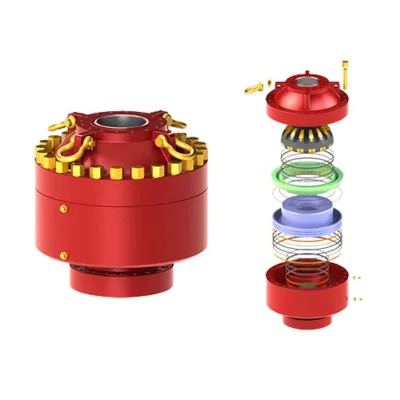
Comprehensive Sourcing Guide
Strategic Sourcing Guide for API 16A Hydraulic Annular Blowout Preventers
The procurement of an API 16A hydraulic annular blowout preventer (BOP) represents a critical decision in well construction and drilling operations. These high-pressure sealing devices are engineered to control well pressure and prevent uncontrolled release of formation fluids. When sourcing this equipment, buyers must navigate a complex landscape of technical specifications, material constraints, and regulatory compliance. The following guide outlines the essential factors for evaluating potential suppliers and ensuring the acquisition of equipment that meets rigorous safety and performance standards.
Technical Specifications and Operational Parameters
Understanding the precise technical requirements is the first step in the sourcing process. The core keyword, API 16A Hydraulic Annular Bop, implies a specific set of design criteria, yet the market presents a wide variance in actual product attributes. Buyers must verify that the equipment aligns with the operational demands of the specific well site.
Data from current product listings indicates significant diversity in pressure ratings and dimensions. Observed pressure specifications range widely, with some units rated for atmospheric pressure while others are engineered for extreme conditions up to 105 MPa or 15,000 psi. This variance suggests that "API 16A" serves as a baseline category rather than a uniform specification for all listed items. Procurement teams must explicitly confirm the working pressure requirements, as values observed in the market span from 14 MPa to 140 MPa.
Size compatibility is another critical technical parameter. The nominal diameter of the BOP must match the wellhead configuration. Available listings show size ranges extending from 7 inches to 24 inches, with specific models covering 7 1/16" to 21 1/4" and others accommodating 5-1/8" to 30". The nominal diameter in metric terms is also observed between 180mm and 762mm. Selecting a unit with an incorrect size can lead to installation failures or an inability to seal the wellbore effectively.
The drive mechanism is another defining characteristic. The majority of high-performance units in this category utilize a hydraulic drive system, which allows for rapid and reliable actuation under high-pressure conditions. However, buyers should verify the specific actuation method for each supplier, as some listings may reference different operational mechanisms.
Material Composition and Manufacturing Processes
The longevity and safety of a blowout preventer are directly tied to its material composition and the manufacturing processes employed. The observed product data reveals a mix of materials, including cast steel, alloy steel, and in some instances, plastic components. For high-pressure applications, cast steel and alloy materials are generally preferred due to their superior tensile strength and resistance to deformation.
Manufacturing processes also vary significantly among suppliers. Common methods observed include forging and CNC milling. Forging is typically associated with high-strength components capable of withstanding the immense forces exerted during a well control event. Conversely, CNC milling is often used for precision machining of specific parts. The surface treatment applied to the equipment is equally important for corrosion resistance. Listings indicate treatments ranging from spray-paint and polishing to "without processing." In harsh drilling environments, a robust surface treatment is essential to prevent rust and degradation.
Buyers must ensure that the material grade and manufacturing method are explicitly stated in the technical datasheet. Relying on general descriptions without verifying the specific alloy composition or heat treatment history can lead to equipment failure. The presence of plastic materials in the listing data suggests that some components may be non-structural or used in lower-pressure auxiliary systems, but the primary sealing elements should be metal-based.
Compliance, Certification, and Standards Verification
Compliance with industry standards is non-negotiable for blowout preventers. The API 16A standard is the primary benchmark for these devices, ensuring they meet specific design, testing, and performance criteria. While the API 16A standard is frequently cited in product listings, buyers must verify that the specific unit has undergone the required testing and certification processes mandated by this standard.
Additional standards observed in the market include NACE MR 0175, which addresses materials suitability for sour service environments containing hydrogen sulfide. If the well site is expected to encounter sour gas, compliance with NACE MR 0175 is mandatory. Other standards mentioned in the data include ISO 13533, though this should be treated as background context rather than a guaranteed attribute of every listed product.
It is crucial to distinguish between a product claiming to be "API 16A" and one that is actually certified. Buyers should request valid certification documents from the supplier. The absence of specific certification numbers or third-party verification reports should be treated as a red flag. Furthermore, while some listings mention specific model numbers like "GPE-B" or "BOP-3," these internal designations do not replace the need for external standard compliance.
Cost Drivers and Pricing Dynamics
The pricing for API 16A hydraulic annular BOPs is influenced by a multitude of factors, resulting in a wide observed range from $100 to $100,000 USD. This broad spectrum reflects differences in pressure ratings, size, material quality, and the extent of certification. Lower-priced units may correspond to smaller sizes, lower pressure ratings, or less rigorous manufacturing processes. Conversely, high-pressure, large-diameter units made from high-grade alloys with full API certification will command a premium price.
The Minimum Order Quantity (MOQ) is another cost consideration. Observed MOQs range from 1 to 2 units, indicating that single-unit purchases are often feasible. However, buyers should be aware that ordering a single unit may incur higher per-unit costs compared to bulk orders. Packaging requirements also impact the final cost; options include wooden cases, export packages, plywood cases, and iron boxes. The choice of packaging affects shipping costs and the protection of the equipment during transit.
When evaluating cost, buyers should look beyond the initial purchase price. The total cost of ownership includes maintenance, spare parts availability, and the potential cost of downtime if the equipment fails. A slightly higher initial investment in a unit with superior materials and certification may result in significant savings over the lifecycle of the drilling operation.
Typical Applications and Operational Context
API 16A hydraulic annular BOPs are primarily designed for well drilling applications. Their function is to seal around the drill pipe, casing, or open hole to prevent blowouts. The observed product attributes confirm their use in well drilling scenarios, where they must operate under varying pressure conditions, from atmospheric to high-pressure environments.
The temperature range is a critical factor for application suitability. Data indicates a working temperature range of -29°C to 121°C. This range covers most standard drilling operations, but buyers must verify if the specific equipment can withstand the extreme temperatures expected at the well site, particularly in deepwater or high-temperature reservoirs.
The color of the equipment, often observed as red in listings, is a standard industry practice for visibility and identification, but it does not affect performance. The application context also dictates the required accessories, such as hydraulic control units and accumulators, which must be compatible with the BOP's pressure rating and flow requirements.
Supplier Evaluation and Quality Control
Evaluating suppliers requires a rigorous approach to ensure reliability and safety. Buyers should prioritize suppliers who provide transparent technical documentation and clear evidence of compliance with API 16A and other relevant standards. The origin of the product is a significant factor, with "Made in China" being a common designation in the current market. While this indicates the manufacturing location, it does not inherently determine quality; the focus should remain on the supplier's quality management systems and track record.
Quality control measures should be a central part of the procurement process. Buyers should inquire about the testing procedures used, including hydrostatic testing and functional testing of the sealing elements. The manufacturing process, whether forging or CNC milling, should be documented and verified. Surface treatments like spray-paint or polishing should be applied consistently to ensure corrosion resistance.
When comparing suppliers, a structured approach is beneficial. The following table summarizes key comparison criteria based on observed market data:
| Evaluation Criteria | Key Considerations | Verification Method |
|---|---|---|
| Pressure Rating | Verify specific MPa or psi rating (e.g., 14-140 MPa, 15000 psi). | Request test certificates and datasheets. |
| Size Compatibility | Confirm nominal diameter (e.g., 7" to 24", 180mm to 762mm). | Cross-reference with wellhead specifications. |
| Material Grade | Ensure cast steel or alloy usage for high-pressure zones. | Review material test reports (MTRs). |
| Certification | Confirm API 16A and NACE MR 0175 compliance. | Request valid certification documents. |
| Packaging | Check for wooden cases or export packages suitable for shipping. | Inspect packaging specifications in quotes. |
| Origin | Verify manufacturing location and supplier reputation. | Conduct site audits or reference checks. |
Long-Term Procurement Considerations
Sourcing an API 16A Hydraulic Annular Bop is not a one-time transaction but part of a long-term operational strategy. Buyers must consider the availability of spare parts, maintenance requirements, and the supplier's ability to provide technical support. The customization options available in the market, such as specific packing or surface treatments, should be evaluated for their impact on long-term maintenance.
Lead times and supply chain reliability are also critical. While specific lead times are not universally standardized, buyers should establish clear timelines for delivery and installation. The ability of the supplier to meet these timelines can impact the overall drilling schedule and project costs.
Finally, buyers should consider the lifecycle management of the equipment. This includes planning for regular inspections, testing, and eventual replacement. A supplier that offers comprehensive after-sales support and training can add significant value to the procurement process, ensuring that the BOP remains in optimal condition throughout its service life. By focusing on these long-term factors, buyers can secure a reliable supply of high-quality blowout preventers that ensure safety and operational efficiency.
FAQs
What is the operating pressure range for API 16A hydraulic annular BOPs?
Operating pressure ranges vary significantly, spanning from atmospheric pressure up to 105 MPa or 15,000 psi depending on the specific model. Buyers must verify the exact working pressure rating, as observed market values extend from 14 MPa to 140 MPa to ensure wellhead compatibility.
Which materials are used to manufacture these high-pressure blowout preventers?
Primary components are typically constructed from cast steel or alloy materials to withstand extreme well control forces. While some listings mention plastic for auxiliary parts, high-pressure sealing elements require metal-based construction to prevent deformation during critical operations.
How are these units driven and actuated in well drilling scenarios?
The majority of high-performance units utilize a hydraulic drive system for rapid and reliable actuation under pressure. Buyers should confirm the specific actuation method, as some listings may reference different operational mechanisms that do not align with standard hydraulic requirements.
What size specifications are available for matching wellhead configurations?
Available nominal diameters range widely from 7 inches to 24 inches, with specific models covering 7 1/16 inches to 21 1/4 inches. Metric equivalents observed span from 180mm to 762mm, requiring precise verification against the specific wellhead configuration before purchase.
Can these products be customized for specific packaging or surface treatments?
Customization is available for packaging options like wooden cases, export packages, or plywood boxes, and surface treatments such as spray-paint or polishing. Buyers should explicitly request these details to ensure the equipment meets corrosion resistance needs and shipping protection requirements.
Which industry standards must these blowout preventers comply with?
Compliance with API 16A is the primary benchmark, though some units also meet NACE MR 0175 for sour service environments. Buyers must request valid certification documents to distinguish between products claiming compliance and those actually tested and certified for safety.