Source Silicone 7 Colors Night Light for Home, Festival, Commercial
Compare 30 listings for the Silicone 7 Colors Night Light featuring LED sources, touch controls, and USB or battery power. Buyers can evaluate customization options, certifications like CE and RoHS, and packaging details for home, commercial, and festival applications.
Key considerations
Products List


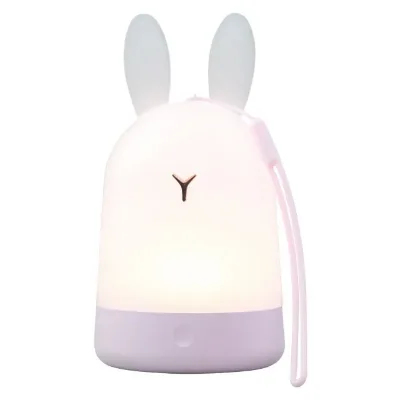
Cute Rabbit Silicone Induction Night Light LED Colorful Parenting Sleep Light
$4.25 - $4.60
MOQ: 480 Pieces




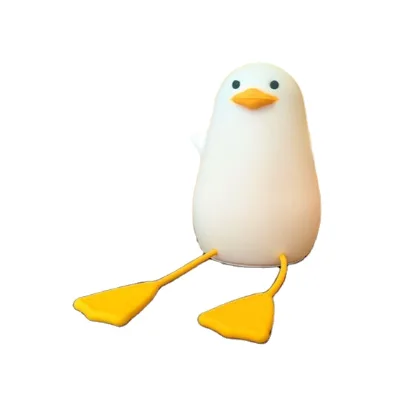
Decorative Mood Enhancing Silicone Night Light with Calming Light Effects
$1.40 - $1.60
MOQ: 3000 Pieces


Comprehensive Sourcing Guide
Silicone 7 Colors Night Light Sourcing Guide
Sourcing silicone night lights with multi-color capabilities requires a careful balance between aesthetic customization and technical reliability. These products are frequently marketed for commercial, home, and festival applications, leveraging their soft, diffused glow and durable material composition. The core appeal lies in the combination of a flexible silicone shade, which provides a safe and tactile user experience, with an internal LED light source that supports color-changing functions. Buyers must navigate a market where "7 colors" is a common feature description, but the underlying technology, power source, and certification status can vary significantly between suppliers. Understanding these variables is essential for selecting a product that meets specific safety standards and functional requirements for your target market.
The procurement process for these items involves verifying the specific type of LED sensor or control mechanism, as the user experience varies widely between touch-controlled, sensor-activated, and manual switch models. While many listings highlight the visual appeal of the color-changing feature, the operational reliability of the electronics and the longevity of the silicone material are critical factors that determine customer satisfaction. This guide provides a structured approach to evaluating suppliers, ensuring that the products you source align with your quality expectations and regulatory obligations. By focusing on verified specifications and compliance documentation, buyers can mitigate risks associated with inconsistent product performance and non-compliant electrical components.
Product Scope and Observed Listing Signals
The observed market for silicone night lights reveals a diverse range of product configurations, with prices typically ranging from $1 to $10.90 USD. This wide price band reflects variations in material quality, electronic complexity, and packaging standards. Minimum Order Quantities (MOQs) are equally variable, spanning from single units for sampling up to 5,000 pieces for bulk production runs. Buyers should note that the term "silicone" in product titles often refers specifically to the lamp shade or body material, while the internal components may be constructed from ABS plastic or other polymers. It is crucial to distinguish between the material of the light-emitting surface and the structural housing to accurately assess durability and cost.
Listing signals indicate that many products are designed for USB power or battery operation, with some models featuring built-in rechargeable batteries with capacities such as 500mAh. The style of these lights is frequently described as cartoon or decorative, appealing to both children and adults in home and commercial settings. Customization options are widely available, allowing buyers to modify color, appearance, and packaging to suit brand requirements. However, the presence of customization does not guarantee uniformity in technical performance; therefore, buyers must verify that the customized aesthetic does not compromise the integrity of the light source or the safety of the electrical components.
Technical Specifications to Verify
When evaluating technical specifications, the power source and consumption are primary considerations. Many observed models operate on low power, typically ≤5W, which contributes to energy efficiency and reduced heat generation. The light source is predominantly LED, offering a long lifespan and stable color output. Buyers should verify whether the product uses a direct USB connection or a battery-powered system, as this impacts the user's convenience and the product's portability. For battery-operated models, confirming the battery type and capacity is essential to ensure adequate runtime and safe charging cycles. The switch type, whether it is a push-button, touch control, or sensor-based activation, also defines the user interface and should be aligned with the intended use case.
The physical dimensions and packaging details are critical for logistics planning and shelf placement. Observed product standards include various dimensions, such as 1151185mm, 20X20X20 cm, and 9.59.313.1cm, indicating a wide variety of form factors. Buyers must confirm the exact package size and carton dimensions to calculate shipping costs and storage requirements accurately. For instance, some listings specify a package size of 10X9X15cm with a carton size of 42X29*63cm, containing 48 pieces per carton. These details are not merely descriptive but directly impact the total landed cost and inventory management strategy. Additionally, the product weight, such as 203G for certain models, should be verified to ensure it meets any weight restrictions for your distribution channels.
Compliance and Safety Documentation
Compliance with international safety and environmental standards is non-negotiable for importing electronic lighting products. The most commonly observed certifications for these products include CE, FCC, RoHS, and CCC. CE marking indicates conformity with health, safety, and environmental protection standards for products sold within the European Economic Area. FCC certification is required for electronic devices sold in the United States to ensure they do not cause harmful interference. RoHS compliance ensures that the product is free from specific hazardous materials, which is increasingly important for environmental regulations and consumer trust. Buyers must request valid test reports and certificates from accredited laboratories to verify these claims, as self-declaration is not sufficient for customs clearance and retail compliance.
In addition to the core certifications, some suppliers may provide additional documentation such as EMC (Electromagnetic Compatibility) and GS (Geprüfte Sicherheit) marks, which indicate higher levels of safety assurance, particularly for the German and European markets. ISO certifications may also be present, reflecting the manufacturer's quality management systems. It is important to note that not all products in a supplier's catalog will have the same certification status; buyers must specify their target market and request the relevant documentation for the specific model they intend to purchase. Verifying the authenticity of these certificates through the issuing body's database is a recommended step to avoid fraudulent documentation.
Cost Drivers and Commercial Terms
The cost of silicone night lights is influenced by several key factors, including the material quality of the silicone shade, the complexity of the LED driver circuit, and the packaging design. ABS plastic is commonly used for the lamp body, providing structural integrity at a lower cost than full silicone construction. The "7 colors" feature requires a more complex LED controller compared to single-color lights, which can increase the unit price. Customization options, such as private labeling or unique packaging, also add to the cost. Buyers should request detailed quotations that break down the costs of materials, labor, and packaging to understand the value proposition of each supplier.
Commercial terms, including MOQ and lead times, play a significant role in the overall procurement strategy. While some suppliers offer low MOQs for testing, larger orders may qualify for volume discounts. The observed MOQ range of 1-5,000 pieces suggests flexibility, but buyers should negotiate terms that align with their sales forecast and cash flow. Lead times can vary based on the level of customization and the supplier's production capacity. It is advisable to confirm the production schedule and any potential delays due to material shortages or holiday periods. Clear communication regarding payment terms, such as deposits and balance payments, is essential to establish a transparent and secure trading relationship.
Supplier Qualification and Quality Control
Supplier qualification is a critical step in ensuring the reliability of your supply chain. Buyers should assess the supplier's manufacturing capabilities, including their production lines, quality control processes, and R&D capacity. Factories with in-house molding and assembly capabilities are often better positioned to maintain consistent quality and respond to customization requests. It is recommended to conduct factory audits or request third-party inspection reports to verify the supplier's claims about their facilities and processes. Suppliers with a strong track record in exporting to your target market are likely to have a better understanding of local compliance requirements and market expectations.
Quality control measures should be implemented at various stages of production, from incoming material inspection to final product testing. Buyers should define clear acceptance criteria for color accuracy, light intensity, and durability of the silicone material. Sampling is a vital step before placing a bulk order; buyers should test the samples for functionality, safety, and aesthetic quality. Establishing a quality agreement with the supplier that outlines defect rates, return policies, and corrective action procedures is essential for managing risks. Regular communication and feedback loops can help maintain high standards and address any issues promptly.
Long-Term Procurement Checks
Long-term procurement success depends on continuous monitoring of product performance and supplier reliability. Buyers should track customer feedback and return rates to identify any recurring issues with the night lights, such as color fading, battery degradation, or electronic failures. This data can be used to negotiate improvements with the supplier or to consider alternative sources if quality issues persist. Staying updated on changes in regulatory requirements is also crucial, as standards for electronic products and materials can evolve over time. Proactive engagement with suppliers to discuss new technologies or material innovations can help keep your product offering competitive.
Building a strong relationship with your supplier can lead to better pricing, priority production, and collaborative product development. Regular reviews of the supply chain performance, including on-time delivery rates and communication effectiveness, can help identify areas for improvement. Buyers should also consider diversifying their supplier base to mitigate risks associated with single-source dependencies. By maintaining a disciplined approach to procurement and quality management, buyers can ensure a steady supply of high-quality silicone night lights that meet the needs of their customers and comply with all relevant regulations.
FAQs
What certifications do these silicone night lights have?
These products hold CE, FCC, RoHS, and CCC certifications. Some listings also include EMC, GS, and ISO standards. Buyers should verify specific certification documents for their target market compliance before placing orders.
Can I request a customized design for this night light?
Yes, customized design is available for this product. Buyers can request changes to color, appearance, and packaging. This option allows businesses to tailor the cartoon-style LED lights to their specific branding needs.
What is the power source for this USB night light?
The power source is electric, typically via USB connection. Some variants may also utilize battery power with a 500mAh capacity. The device operates with low power consumption, staying under 5W for energy efficiency.
Which materials are used for the lamp body and shade?
The lamp body is constructed from ABS material, while the shade uses silicone. This combination ensures durability and a soft touch. The product is designed for use in commercial, home, and festival settings safely.
How does the touch control feature work on this light?
The light features a touch control theory for operation. It emits changeable colors and functions as an LED sensor light. Users can easily adjust settings by touching the sensor area on the device body.
What are the standard packaging dimensions for this product?
Packaging comes in color boxes or cartons with various sizes. Common package dimensions include 10x9x15cm or 11.2x10x10cm. Carton sizes vary, such as 42x29x63cm or 62.5x24x42cm, depending on the quantity per carton.
Where is this silicone night light manufactured?
The product is made in China. All listed items originate from Chinese manufacturing facilities. Buyers should expect standard lead times and shipping conditions associated with sourcing from this region for these specific models.