Source Single Row Male Pin Header for PCB Audio Video Power
Find 30 Single Row Male Pin Header options with pitches from 1.0mm to 2.54mm. Buyers can compare specifications including plating, packing, and certifications for applications in PCB, audio, video, and power systems.
Key considerations
Products List


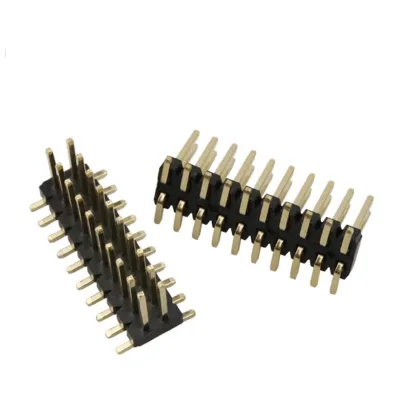
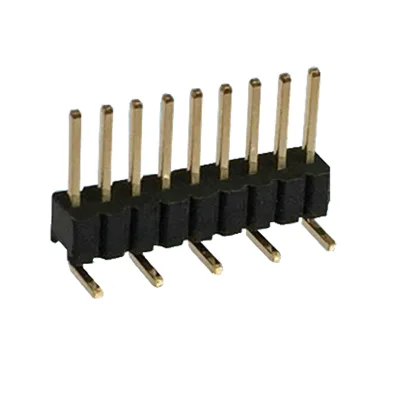

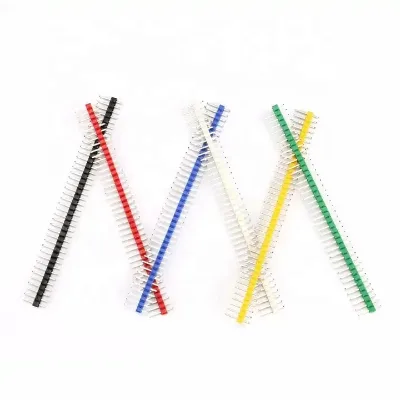
Comprehensive Sourcing Guide
Single Row Male Pin Header Sourcing Guide
Single row male pin headers are fundamental interconnect components used to establish reliable electrical connections between printed circuit boards (PCBs) and external wiring or mating connectors. These components typically feature a linear arrangement of conductive pins housed within an insulating body, designed for through-hole mounting on PCBs. The core function is the transmission of electrical signals and power, making them indispensable in applications ranging from consumer electronics and computer peripherals to automotive systems and industrial control panels. Buyers must understand that while the basic form factor is standardized, variations in pitch, plating, and housing material significantly impact performance and suitability for specific environments.
Procuring these components requires a disciplined approach to verifying technical compatibility and supply chain reliability. The market offers a wide array of options, including single-row and double-row configurations, with common pitch sizes such as 1.27mm and 2.54mm. Buyers should focus on matching the header’s physical dimensions and electrical ratings to their design requirements, ensuring that the selected part supports the intended current load and voltage levels. Additionally, considering the manufacturing process, such as injection molding for the housing, helps in assessing the consistency and durability of the insulating material, which is critical for long-term reliability in electronic assemblies.
Product Scope and Observed Listing Signals
The observed market listings for single row male pin headers reveal a diverse range of product attributes and packaging options that buyers must navigate. Listings frequently highlight specific model numbers, such as those indicating 2.54mm pitch or specialized configurations like the PHES07-10G0D320ABH2A, which suggest a high degree of standardization in the industry. The gender of the connector is explicitly stated as male, confirming the presence of protruding pins designed to insert into female sockets or PCB holes. This clarity in gender specification is crucial for ensuring mating compatibility, as mixing male and female components incorrectly can lead to connection failures or physical damage to the pins.
Packaging methods vary significantly across suppliers, with options including bag packing, tube packing, reel packing, and carton packing. The choice of packaging often correlates with the order quantity and the automation level of the buyer’s assembly line. For instance, reel packing is ideal for high-volume surface mount or automated through-hole insertion, while tube or bag packing may be more suitable for manual assembly or smaller batch productions. Buyers should also note the presence of customization options, which allow for tailored solutions such as specific pin counts or modified housing shapes, providing flexibility for unique design requirements that standard off-the-shelf parts may not satisfy.
Technical Specifications to Verify
Verifying the pitch and pin configuration is the first critical step in selecting the correct Single Row Male Pin Header. Common pitch sizes observed in the market include 1.27mm, 2.0mm, and 2.54mm, with 2.54mm being a widely adopted standard for general-purpose applications. The pitch determines the spacing between adjacent pins, which must align precisely with the PCB footprint to ensure proper insertion and electrical contact. Buyers must also confirm whether the header is single-row or double-row, as this affects the board space required and the density of connections available. Misalignment in pitch or row configuration can lead to assembly errors and increased scrap rates.
The material composition and plating of the pins are equally important for ensuring electrical conductivity and corrosion resistance. Copper is a common base material for the pins due to its excellent conductivity, while the plating is typically gold or tin (Sn) to enhance surface durability and prevent oxidation. Gold plating offers superior conductivity and resistance to corrosion, making it suitable for high-reliability applications, whereas tin plating provides a cost-effective alternative for general-purpose use. Additionally, the housing material and shape, often rectangular or square, should be evaluated for mechanical stability and environmental resistance, ensuring that the connector can withstand the thermal and physical stresses of its operating environment.
Compliance and Safety Documentation
Compliance with international standards is a non-negotiable aspect of sourcing electronic components, particularly for products destined for regulated markets. The RoHS (Restriction of Hazardous Substances) directive is a key certification observed in many listings, indicating that the components are manufactured without certain hazardous materials such as lead, mercury, and cadmium. Buyers should verify that the single row male pin headers carry valid RoHS certification, as this ensures environmental safety and compliance with regulations in regions like the European Union. Additionally, UL certification may be present, providing assurance of safety standards related to fire and electrical hazards, which is crucial for components used in power applications.
Beyond material restrictions, buyers must also consider the environmental protection features of the connectors. Some listings highlight resistance to environmental factors, such as high temperatures or moisture, which are essential for applications in harsh operating conditions. The interface type, often specified as AC/DC, indicates the nature of the electrical signals the connector is designed to handle, although pin headers are generally used for low-voltage DC signals in PCB applications. Buyers should request detailed documentation from suppliers to confirm that the components meet the specific environmental and safety standards required for their end-use, ensuring that the products will perform reliably over their intended lifespan.
Cost Drivers and Commercial Terms
The cost of single row male pin headers is influenced by several factors, including the material quality, plating type, and order quantity. Gold-plated pins are generally more expensive than tin-plated ones due to the higher cost of gold and the additional processing required. Similarly, custom configurations or specialized models may carry a premium compared to standard off-the-shelf parts. Buyers should analyze the price range, which can vary significantly based on these variables, and consider the total cost of ownership, including potential savings from reduced assembly errors or improved reliability. Understanding these cost drivers helps in making informed decisions that balance performance requirements with budget constraints.
Commercial terms, such as minimum order quantity (MOQ) and payment conditions, also play a significant role in the procurement process. Observed MOQs can range from small quantities suitable for prototyping to large volumes for mass production, with some suppliers accepting small orders to accommodate diverse buyer needs. Packaging options, such as tube or reel packing, may also affect the unit price and handling efficiency. Buyers should negotiate terms that align with their production schedule and inventory management strategy, ensuring that they can secure the necessary supply without tying up excessive capital in stock. Clear communication regarding lead times and shipping methods, such as air or sea freight, is essential for maintaining supply chain continuity.
Supplier Qualification and Quality Control
Selecting a reliable supplier is critical for ensuring the consistent quality and availability of single row male pin headers. Buyers should prioritize suppliers who demonstrate a robust production process, such as injection molding for the housing, which ensures dimensional accuracy and consistency. The origin of the products, often China for these components, should be verified for quality control standards and manufacturing capabilities. Suppliers with a history of producing high-quality connectors for reputable brands or industries, such as automotive or medical, are likely to have more stringent quality assurance processes in place.
Quality control measures should include regular inspections of incoming materials, in-process checks during manufacturing, and final testing of finished goods. Buyers should inquire about the supplier’s quality management systems, such as ISO certification, and their procedures for handling defects or non-conforming products. Additionally, the ability to provide customization and support for small orders indicates a supplier’s flexibility and customer-centric approach. Establishing a strong relationship with a qualified supplier can lead to better pricing, priority support, and improved collaboration on future design projects, ensuring a stable and reliable supply chain for critical electronic components.
Long-Term Procurement Checks
Long-term procurement success depends on continuous monitoring of supplier performance and product reliability. Buyers should establish key performance indicators (KPIs) to track metrics such as on-time delivery, defect rates, and responsiveness to issues. Regular audits or reviews of the supplier’s quality control processes can help identify potential risks before they impact production. Additionally, staying informed about changes in industry standards and regulations, such as updates to RoHS or new environmental directives, ensures that the sourced components remain compliant and suitable for future applications.
As technology evolves, buyers should also consider the long-term availability and obsolescence risks associated with specific pin header models. Maintaining a diversified supplier base can mitigate the risk of supply disruptions, while keeping an eye on emerging technologies and alternative components can provide options for future design improvements. By proactively managing these aspects, buyers can ensure that their supply chain remains resilient and adaptable, supporting the ongoing success of their electronic products in a competitive market.
FAQs
What certifications do single row male pin headers have?
These connectors typically hold UL and RoHS certifications to ensure safety and environmental compliance. Some listings also mention CE certification for broader market access. Buyers should verify specific documentation for each supplier to confirm current standards.
Which materials are used for single row male pin headers?
Copper is the primary material used for the conductive pins in these headers. The plating often includes gold or tin to enhance conductivity and prevent corrosion. This combination ensures reliable electrical signal transmission in various applications.
Can I customize single row male pin headers for my project?
Yes, customization is available for these pin headers to meet specific design requirements. Buyers can request tailored specifications while maintaining standard features like high temperature resistance. This flexibility supports diverse applications in automotive and industrial electronics.
How are single row male pin headers packed for shipping?
Packaging options include bag packing, tube packing, and reel packing for different handling needs. Some suppliers also offer carton packing or air and sea shipping methods. The choice depends on order volume and specific logistics requirements.
What is the pitch range for single row male pin headers?
The pitch range typically includes 1.0mm, 1.27mm, 2.0mm, and 2.54mm options. Specific models like the 2.54mm pin header are common for general use. Selecting the correct pitch is essential for compatibility with your PCB design.
Where are single row male pin headers manufactured?
These products are primarily manufactured in China. The origin location is a key factor for many buyers considering lead times and shipping costs. Suppliers from this region often provide competitive pricing for bulk orders.
What is the minimum order quantity for single row male pin headers?
The minimum order quantity ranges from 2 to 5000 units depending on the supplier. Small orders are accepted by many vendors to accommodate prototype needs. Buyers should check specific MOQs before placing an order to ensure feasibility.