Source Single Row Motorcycle Sprocket and Roller Chain Set for Racing, Off-Road, and Daily Commuting
Find a Single Row Motorcycle Sprocket and Roller Chain Set from 30 verified listings. Compare specifications such as 420 and 520 standards, surface treatments like zinc plating, and OEM customization options to identify suitable transmission components for various motorcycle applications.
Key considerations
Products List


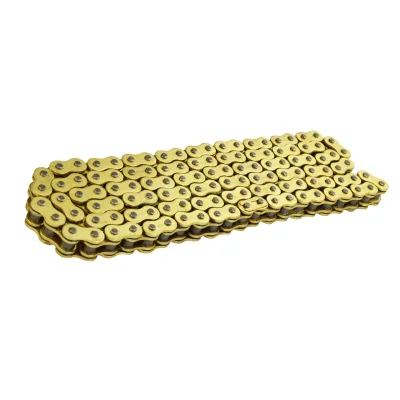
Custom Made OEM Motorcycle Roller Chain Sprocket Set and Timing Chain Kit
$1.80 - $999.00
MOQ: 300 Meters


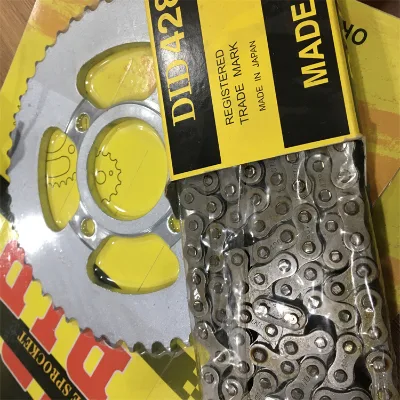


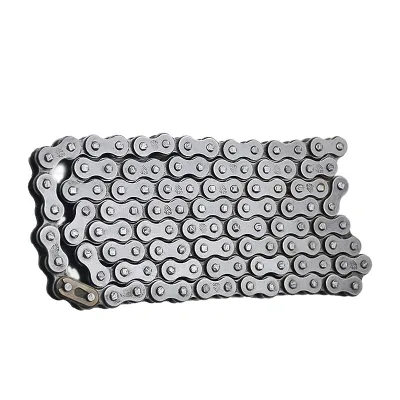

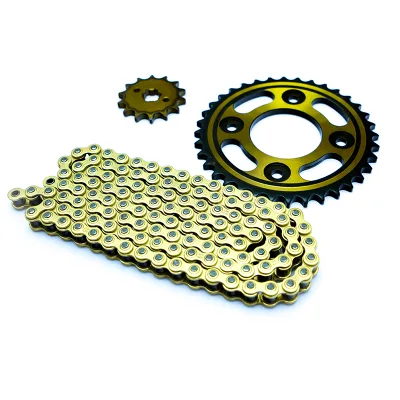

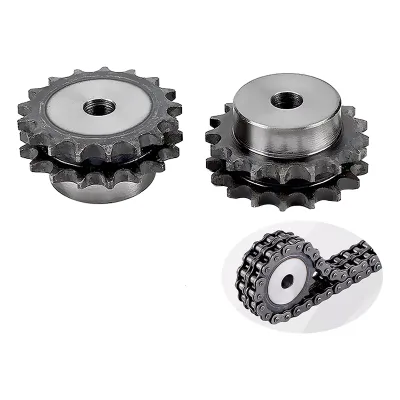


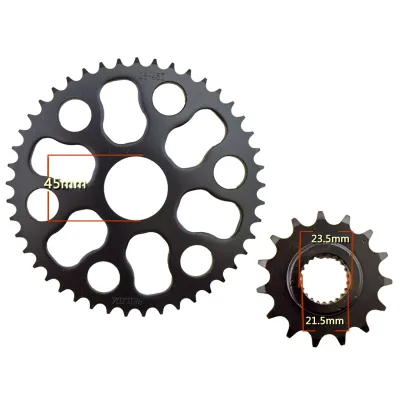
Durable Motorcycle Chain Sprocket Kit Sets 428 520h Motorcycle Sprocket Chains
$0.58 - $6.86
MOQ: 100 Pieces

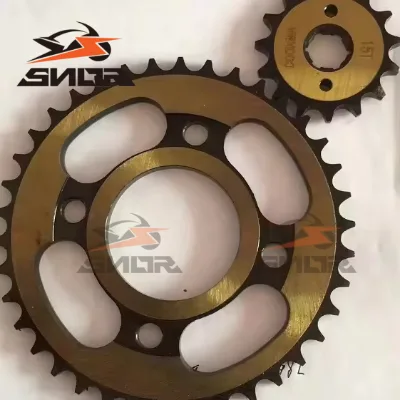
Motorcycle Sprocket Chain Gear Kit Wheel Set for YAMAHA/Suzuki/Bajaj Motorcycles
$1.00 - $2.00
MOQ: 300 Pieces



Comprehensive Sourcing Guide
Single Row Motorcycle Sprocket and Roller Chain Set Sourcing Guide
Sourcing a Single Row Motorcycle Sprocket and Roller Chain Set requires a disciplined approach to technical verification and supplier qualification. The market offers a wide variety of configurations, ranging from standard replacement kits to heavy-duty OEM components. Buyers must navigate a landscape where product attributes such as row count, material composition, and surface treatment vary significantly between listings. This guide provides a structured framework for evaluating these components, ensuring that procurement decisions are based on verified specifications rather than generic marketing claims. By focusing on the intersection of technical requirements and commercial terms, buyers can mitigate risk and secure supply chains that support long-term operational reliability.
The following sections detail the critical steps for sourcing these components, from initial product scope definition to long-term quality assurance. Each section is designed to address specific buyer decisions, helping procurement teams identify the right balance between cost, performance, and compliance. The guidance relies on observed market signals and trusted category knowledge to provide actionable insights. Buyers are encouraged to use this framework as a checklist during supplier evaluations, ensuring that no critical aspect of the procurement process is overlooked.
Product Scope and Observed Listing Signals
The product scope for single row motorcycle sprocket and roller chain sets encompasses a diverse range of components designed for various motorcycle transmission systems. Observed listings indicate that these sets typically include both the chain and the sprockets, often marketed under names such as "Motorcycle Gear & Chain Kit" or "Chains and Sprocket." The core attribute of these products is their single-row configuration, which is standard for most light to medium-duty motorcycles. Buyers should note that while the primary focus is on single-row sets, some suppliers may list double-row options or individual components, requiring careful filtering to ensure the correct product type is selected. The application is primarily for replacement and repair, targeting the motorcycle industry where reliability and fit are paramount.
Market signals reveal a significant variation in product models and standards, with common designations including 415, 420, 428, 520, 530, and their hardened variants like 428H. These model numbers correspond to specific pitch and width dimensions, which must match the motorcycle’s original equipment specifications. Listings also highlight customization options, with many suppliers offering OEM and ODM services to accommodate specific brand requirements. The observed price range is broad, reflecting differences in material quality, surface treatment, and order volume. Buyers should interpret these signals as indicators of market diversity, using them to narrow down suppliers who specialize in the specific chain size and sprocket tooth count required for their target applications.
Technical Specifications to Verify
Verifying technical specifications is the most critical step in sourcing single row motorcycle sprocket and roller chain sets. The material composition is a key differentiator, with listings indicating the use of steel, alloy steel, and iron. Buyers must confirm the exact material grade, as alloy steel generally offers superior strength and durability compared to standard carbon steel. Additionally, the surface treatment plays a vital role in the component’s lifespan and performance. Common treatments observed include polishing, chrom plating, zinc plating, copper coating, and sandblasting. Each treatment offers different benefits, such as corrosion resistance or reduced friction, and the choice should align with the operating environment of the motorcycle.
The physical dimensions and model numbers must be cross-referenced with the motorcycle’s service manual to ensure compatibility. The single row configuration is a fundamental specification, but buyers should also verify the number of links in the chain and the tooth count on the sprockets. Some listings provide detailed packaging information, such as PE bags, cartons, or wooden cases, which can impact logistics and storage. Furthermore, the condition of the product is typically listed as "New," but buyers should request evidence of quality control processes to ensure that the components are free from manufacturing defects. The feature of being "non-slip" is often associated with sprocket design, but this should be validated through technical datasheets rather than assumed from product titles.
Compliance and Safety Documentation
Compliance and safety documentation are essential for ensuring that sourced components meet international standards and regulatory requirements. Observed listings frequently mention certifications such as CE, CCC, and ISO9001. While these certifications indicate that the supplier has implemented certain quality management systems, buyers should verify the scope of these certifications to ensure they cover the specific products being purchased. The ISO9001 certification, in particular, is a strong indicator of a supplier’s commitment to consistent quality, but it does not guarantee that every batch of products will meet performance expectations without additional testing.
In addition to general certifications, buyers should request specific test reports and material certificates for the chains and sprockets. These documents provide evidence that the components meet relevant industry standards, such as those defined by SGS or other recognized testing bodies. The standard "420" mentioned in some listings refers to a specific chain standard, but buyers should confirm if this aligns with international norms like ANSI or ISO. For markets with strict safety regulations, such as the European Union, CE marking is crucial, but it must be accompanied by a Declaration of Conformity. Buyers should treat these documents as mandatory requirements, not optional extras, to ensure legal compliance and product safety.
Cost Drivers and Commercial Terms
Understanding the cost drivers and commercial terms is vital for negotiating favorable procurement agreements. The observed minimum order quantity (MOQ) ranges from 1 to 1000 sets, with some suppliers setting a specific MOQ of 1000 sets for certain product lines. Higher MOQs often result in lower unit prices, but buyers must balance this with their inventory management capabilities and cash flow constraints. The delivery time is another significant factor, with lead times ranging from 5 to 45 days, depending on the order size and customization requirements. Buyers should plan their procurement cycles accordingly to avoid production delays.
Customization is a major cost driver, with many suppliers offering OEM and ODM services. Custom colors, packaging, and specific model configurations can increase the unit price and extend the lead time. Buyers should clearly define their customization needs early in the sourcing process to obtain accurate quotes. The packaging method also impacts costs, with options ranging from simple PE bags to more expensive wooden cases or containerized shipments. Additionally, the warranty period, often listed as 3 months for certain components, should be considered when evaluating the total cost of ownership. Buyers should negotiate clear terms for returns and replacements to mitigate the risk of defective products.
Supplier Qualification and Quality Control
Supplier qualification and quality control are the pillars of a reliable supply chain for motorcycle components. Buyers should prioritize suppliers who demonstrate a strong commitment to quality through their manufacturing processes and quality management systems. The observed listings indicate that suppliers are located in regions such as Hebei, China, which is a known hub for motorcycle parts manufacturing. However, location alone is not a guarantee of quality, and buyers must conduct thorough due diligence to assess the supplier’s capabilities. This includes reviewing their production facilities, equipment, and workforce expertise.
Quality control measures should be integrated into the procurement process, starting with pre-production samples and continuing through final inspection. Buyers should request detailed quality control plans that outline the inspection points for materials, production, and finished goods. The use of advanced surface treatments, such as gold coating or chrom plating, requires strict process control to ensure consistency and durability. Buyers should also verify the supplier’s ability to handle customization requests, as this requires flexibility and precision in manufacturing. Establishing a clear communication channel with the supplier is essential for addressing any quality issues promptly and effectively.
Long-Term Procurement Checks
Long-term procurement checks are necessary to maintain the quality and reliability of the supply chain over time. Buyers should implement a regular review process to assess supplier performance, including metrics such as on-time delivery, product quality, and responsiveness to issues. The observed delivery times and MOQs can change over time, so buyers must stay informed about any shifts in the supplier’s capabilities or market conditions. Regular audits of the supplier’s quality management system can help identify potential risks before they impact production.
Continuous improvement is key to long-term success, and buyers should work with suppliers to optimize processes and reduce costs. This may involve negotiating better terms for customization, exploring new surface treatment options, or consolidating orders to achieve economies of scale. Buyers should also monitor market trends and technological advancements in motorcycle components to ensure that their sourcing strategy remains competitive. By maintaining a proactive approach to supplier management, buyers can build a resilient supply chain that supports their business goals and delivers value over the long term.
FAQs
What surface treatments are available for single row motorcycle sprocket and roller chain sets?
Available surface treatments include polishing, chrom plating, copper coating, gold coating, zinc plating, sand blasting, and dull polish. These options help buyers select the finish that best matches their aesthetic preferences and corrosion resistance requirements for specific operating environments.
Which chain standards are supported for single row motorcycle sprocket and roller chain sets?
The product line supports standard specifications including 415, 420, 428, 520, 530, and 428h. These standard sizes ensure compatibility with a wide range of motorcycle transmission systems, allowing buyers to select the precise pitch and width required for their specific vehicle models.
Can single row motorcycle sprocket and roller chain sets be customized for OEM or ODM projects?
Yes, customization is available for both OEM and ODM projects. Buyers can request specific colors, package quantities, and branding to meet their market needs. This flexibility allows for tailored solutions that align with specific product lines or private label requirements.
What is the typical delivery time for single row motorcycle sprocket and roller chain sets?
Delivery times typically range from 5 to 45 days, with some specific orders completing within 20 to 30 days. The exact timeline depends on the order volume, customization requirements, and current production schedules. Buyers should confirm specific lead times during the inquiry phase.
What certifications are associated with single row motorcycle sprocket and roller chain sets?
Products are associated with CE, CCC, and ISO9001 certifications. These certifications indicate compliance with international safety and quality management standards. They provide buyers with confidence in the product's reliability and adherence to established manufacturing protocols.
What materials are used in single row motorcycle sprocket and roller chain sets?
The primary materials include steel, alloy steel, and iron. These materials are selected for their durability and strength, ensuring the components can withstand the mechanical stresses of motorcycle transmission systems. The choice of material may vary based on the specific model and application.
How is the packaging configured for single row motorcycle sprocket and roller chain sets?
Packaging options include PE bags, cartons, wooden cases, and containers. This variety allows buyers to choose the most suitable packaging method for their logistics needs, whether for small retail units or large bulk shipments. Custom packaging quantities are also available upon request.