Source Sintered Neodymium Magnetic Towel Holder for Kitchen, Bathroom, Refrigerator
Compare 30 listings for the Sintered Neodymium Magnetic Towel Holder designed for kitchen, bathroom, and refrigerator use. Buyers can evaluate stainless steel models with wall-mounted or magnetic suction features from suppliers in Guangdong and Zhejiang.
Key considerations
Products List
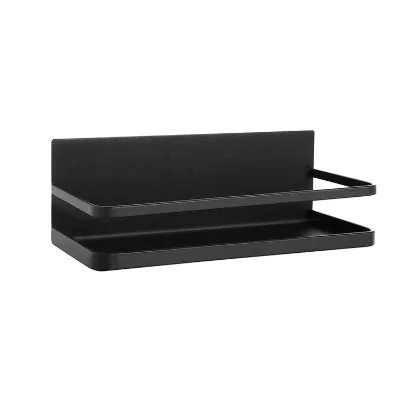
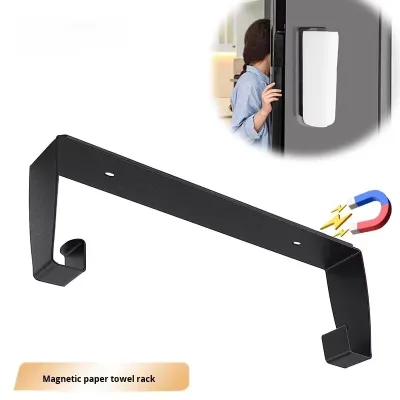
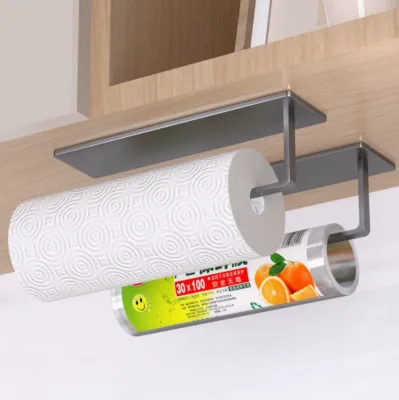
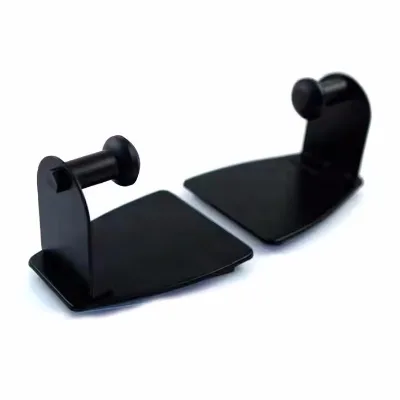


Comprehensive Sourcing Guide
Sintered Neodymium Magnetic Towel Holder Sourcing Guide
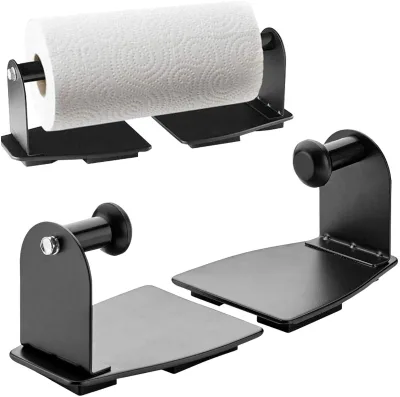
Sourcing sintered neodymium magnetic towel holders requires a nuanced understanding of the intersection between high-strength rare-earth magnetism and functional kitchen or bathroom hardware. Unlike traditional mechanical mounts that rely on drilling or adhesive tapes, these fixtures utilize the powerful magnetic attraction of sintered neodymium magnets to secure paper towel rolls or towels to metal surfaces. This category of product is increasingly popular in modern interior design due to its punch-free installation capabilities, which preserve the integrity of cabinetry and walls while offering a sleek, minimalist aesthetic. Buyers must recognize that while the term "magnetic" is common, the specific grade and sintering process of the neodymium magnet directly dictate the holding force, durability, and overall safety of the final product.
The procurement landscape for these items is diverse, ranging from simple ferrite-based solutions to advanced neodymium configurations with damping or adjustable features. Observed market listings indicate a wide variance in material composition, with some products utilizing rubber-coated ferrite magnets combined with Q235 steel, while others specify pure neodymium magnets for superior strength. This divergence means that a buyer cannot assume all magnetic towel holders perform identically. The decision to source sintered neodymium variants specifically often hinges on the need for higher load-bearing capacity in commercial settings or for holding heavier, wetter towels without slippage. Understanding these material distinctions is the first critical step in defining accurate technical requirements and avoiding mismatches between supplier capabilities and end-user expectations.
Product Scope and Observed Listing Signals
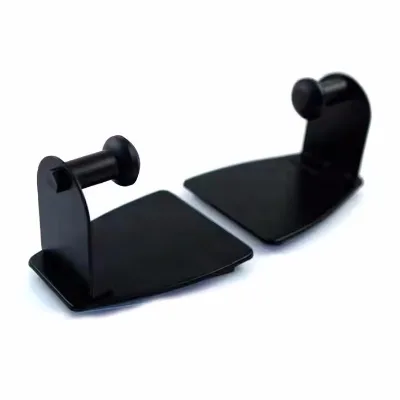
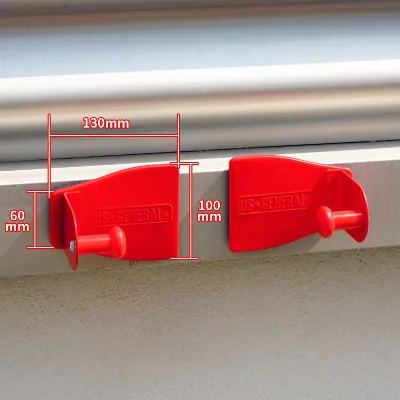
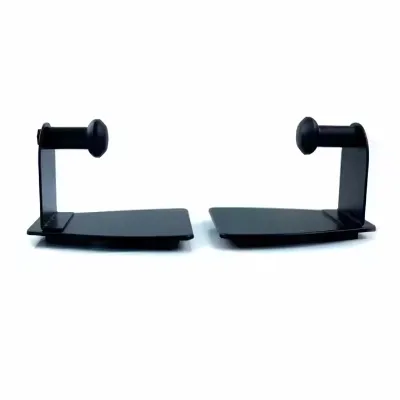
The current market offers a variety of designs that cater to different installation preferences and aesthetic needs. Listings frequently highlight features such as "punch-free" installation, which appeals to renters and homeowners who wish to avoid wall damage. Common design styles observed include modern, U-shaped, and square configurations, with mounting options ranging from wall-mounted units to those designed for refrigerator surfaces. The color palette is diverse, encompassing white, black, silver, and occasionally red or blue finishes, allowing for integration into various kitchen and bathroom decors. Some products are explicitly marketed for use on refrigerators, while others are general-purpose holders suitable for any ferrous metal surface, indicating that buyers must verify the specific application context for each SKU.
Material specifications vary significantly across suppliers, reflecting different price points and performance tiers. While some products are constructed from stainless steel with a modern design, others may use Q235 steel with a rubber coating to protect surfaces and enhance grip. The magnetic component itself is a key differentiator; some listings specify ferrite magnets, which are cost-effective but weaker, while others highlight neodymium magnets for their exceptional strength. Additionally, features such as damping mechanisms or adjustable widths to fit various paper towel brands are present in some models, adding functional value. Buyers should carefully review these observed signals to determine which attributes align with their target market’s demands for durability, ease of use, and visual appeal.
Technical Specifications to Verify
When evaluating technical specifications, the grade and composition of the magnet are paramount. Sintered neodymium magnets are known for their high energy product, but their performance can degrade if not properly protected against corrosion and physical shock. Buyers should verify the specific grade of the neodymium magnet, as higher grades offer greater holding force but may require more robust casing to prevent chipping. Additionally, the composite structure of the holder, such as the combination of steel and magnet, must be examined to ensure that the magnetic flux is effectively directed toward the mounting surface. Specifications like flux index, if provided, can serve as a quantitative measure of magnetic strength, though buyers should request independent verification of these figures to ensure accuracy.
Dimensional accuracy and tolerance levels are also critical for ensuring a seamless fit with standard paper towel rolls. Listings may provide single package sizes or product dimensions, but buyers must confirm the internal diameter or width of the holder to ensure compatibility with various brands. Tolerance levels, such as ±1% or ±5%, indicate the precision of manufacturing, which affects how securely the towel roll is held. Furthermore, the processing services offered, such as cutting or welding, influence the structural integrity of the metal components. Buyers should request detailed drawings or samples to verify that the physical dimensions match the stated specifications and that the construction methods ensure long-term reliability under repeated use.
Compliance and Safety Documentation
Compliance with international safety and environmental standards is essential for selling magnetic towel holders in regulated markets. Certifications such as CE and ROHS are frequently cited in product listings, indicating that the materials used are free from hazardous substances and meet European safety requirements. Buyers must verify the validity of these certifications by requesting copies of the test reports from accredited laboratories. This is particularly important for products containing magnets, as strong magnetic fields can interfere with medical devices and electronic equipment, necessitating clear labeling and safety warnings. Ensuring that the supplier has up-to-date compliance documentation helps mitigate legal risks and enhances consumer trust in the product’s safety.
In addition to regulatory compliance, buyers should inquire about the management systems and quality standards adopted by the supplier. Certifications like ISO-9001 and QS-9000 suggest a structured approach to quality management, which can lead to more consistent product quality and fewer defects. While these certifications do not guarantee the performance of the magnetic component itself, they indicate a supplier’s commitment to standardized processes and continuous improvement. Buyers should also check for any industry-specific standards that may apply to kitchen or bathroom accessories, ensuring that the product meets all relevant hygiene and durability requirements. Verifying these documentation aspects early in the sourcing process can prevent costly delays and compliance issues downstream.
Cost Drivers and Commercial Terms
The cost of sintered neodymium magnetic towel holders is influenced by several factors, including the price of raw materials, manufacturing complexity, and order volume. Neodymium is a rare-earth metal, and its price fluctuates based on global supply and demand, directly impacting the final cost of the product. Buyers should be aware that products with higher-grade magnets or more complex designs, such as those with damping mechanisms or custom logos, will command a premium price. Additionally, the choice of materials, such as stainless steel versus coated steel, affects both the cost and the perceived quality of the product. Understanding these cost drivers allows buyers to negotiate more effectively and align their procurement strategy with their budget constraints.
Commercial terms, including minimum order quantities (MOQ), lead times, and payment conditions, vary among suppliers. Observed MOQs can range from small quantities for sampling to large volumes for bulk production, with some suppliers offering OEM/ODM services for orders above a certain threshold. Lead times are also a critical consideration, with typical delivery windows ranging from 15 to 21 days, depending on the order size and customization requirements. Buyers should clarify these terms upfront to ensure they can meet their inventory needs and avoid production delays. Additionally, understanding the packaging options, such as white boxes or custom color boxes, can impact shipping costs and branding opportunities, making it an important aspect of the commercial negotiation.
Supplier Qualification and Quality Control
Selecting the right supplier is crucial for ensuring the quality and reliability of sintered neodymium magnetic towel holders. Buyers should prioritize suppliers with a proven track record in manufacturing magnetic hardware and kitchen accessories. Verifying the supplier’s production capabilities, including their equipment for cutting, welding, and magnet assembly, is essential to ensure they can meet technical specifications. Additionally, buyers should assess the supplier’s ability to handle customization requests, such as logo printing or color variations, which are often required for branded products. A supplier’s flexibility and responsiveness to custom orders can be a significant advantage in competitive markets.
Quality control measures should be rigorously evaluated to minimize the risk of defects. Buyers should inquire about the supplier’s inspection processes, including incoming material checks, in-process inspections, and final product testing. Requesting samples before placing a bulk order allows buyers to physically assess the product’s build quality, magnetic strength, and finish. Additionally, buyers should establish clear quality acceptance criteria and communication channels for addressing any issues that arise during production. Building a strong relationship with a reliable supplier through regular communication and feedback can lead to better pricing, improved quality, and more consistent delivery performance over time.
Long-Term Procurement Checks
Long-term success in sourcing sintered neodymium magnetic towel holders requires ongoing monitoring of supplier performance and market trends. Buyers should regularly review supplier metrics, such as on-time delivery rates, defect rates, and responsiveness to issues, to ensure continued reliability. Additionally, staying informed about changes in the neodymium market and raw material costs can help buyers anticipate price fluctuations and adjust their procurement strategies accordingly. Building a diversified supplier base can also mitigate risks associated with single-source dependencies, ensuring continuity of supply in case of disruptions.
Continuous improvement and innovation are key to maintaining a competitive edge in the market. Buyers should encourage suppliers to invest in research and development to enhance product features, such as improving magnetic strength or developing new installation methods. Regularly soliciting feedback from end-users can provide valuable insights into product performance and areas for improvement. By fostering a collaborative relationship with suppliers and staying attuned to market dynamics, buyers can ensure that their sourcing strategy remains aligned with evolving customer needs and industry standards, leading to sustained growth and profitability.
FAQs
What material is used for the magnetic towel holder?
The product uses stainless steel combined with ferrite or neodymium magnets. Some variants feature rubber-coated ferrite magnets with Q235 steel. This ensures durability and strong magnetic retention for paper towels.
Can the holder be customized with a logo?
Yes, customized logos are accepted for this product. Buyers can also request custom color boxes and manuals. The OEM service requires a minimum order quantity of 500 pieces for such customizations.
How long does delivery take for this item?
Delivery typically takes between 15 to 21 days. Some specific listings indicate a fixed delivery time of 20 days. This lead time applies to standard orders from the manufacturing facilities.
Is the product available in multiple colors?
Yes, the product is available in black, red, blue, and white. Specific models also come in silver or black with U-shaped or square designs. Color options depend on the specific model selected.
What certifications does the product hold?
The product holds CE and ROHS certifications. These standards ensure safety and environmental compliance for the materials used. The manufacturing process also adheres to ISO-9001 and QS-9000 management systems.
What is the minimum order quantity for this item?
The minimum order quantity ranges from 1 to 1000 pieces depending on the supplier. Custom logo services specifically require a minimum of 500 pieces. Single item selling units are also available for smaller needs.
Where is the product manufactured?
The product originates from Guangdong and Zhejiang provinces in China. These locations are known for manufacturing stainless steel and magnetic hardware. The specific factory location may vary by supplier.