Source Soft Armor UHMW PE Fabric for Security and Industry
Find 30 listings for Soft Armor UHMW PE Fabric tailored for security, industrial, and garment applications. Compare specifications like GSM, width, and composite processes to identify suitable woven cloth options for your sourcing needs; compare the available evidence and request quotations based on your requirements.
Key considerations
Products List





Comprehensive Sourcing Guide
Soft Armor UHMW PE Fabric Sourcing Guide
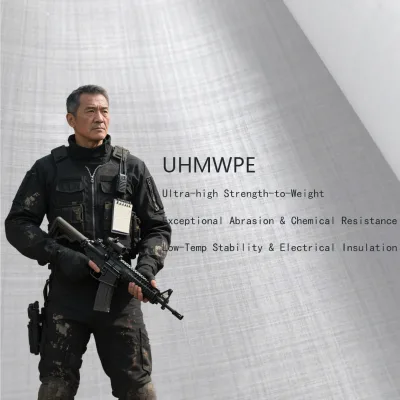
Procurement professionals must first distinguish between general composite fabrics and specialized ballistic materials when searching for soft armor solutions. The observed product listings reveal a mix of industrial textiles, including polyurethane roller composite fabrics and woven polyester materials, which may serve as substrates or protective layers but do not inherently constitute certified ballistic armor. Buyers should verify that the specific SKU, such as the PEUD-VD series, explicitly claims ballistic protection levels like NIJ IIIA or .44 caliber resistance before considering it for life-safety applications.
The market data indicates a wide variance in product attributes, ranging from lightweight 9 GSM fabrics to heavy-duty 260 GSM composites, with origins primarily in Jiangsu, China. While some listings mention "Security" as a function and cite specific protection levels, others describe general industrial features like windproofing or eco-friendliness without ballistic validation. Sourcing strategies must prioritize suppliers who can clearly separate their standard industrial composites from their certified armor-grade products to avoid procurement errors in critical safety equipment.
Product Scope and Observed Listing Signals
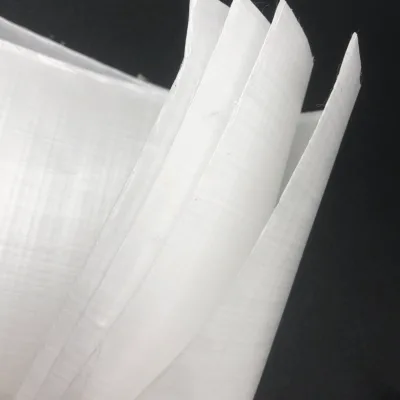
Buyers should analyze the observed listing signals to identify the specific composite technology and material composition required for their application. The data shows products utilizing Polyurethane Roller Composite Technology on woven cloth, with some items explicitly listing UHMWPE as a key material keyword. However, other entries describe 100% polyester or polyethylene compositions with varying densities, suggesting a broad spectrum of textile capabilities that range from general protective clothing to specialized ballistic interfaces.
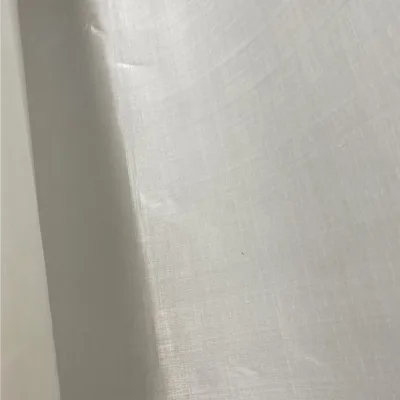
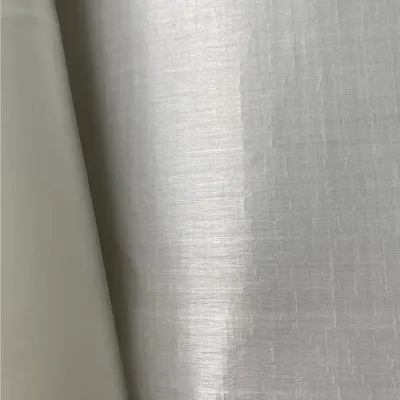
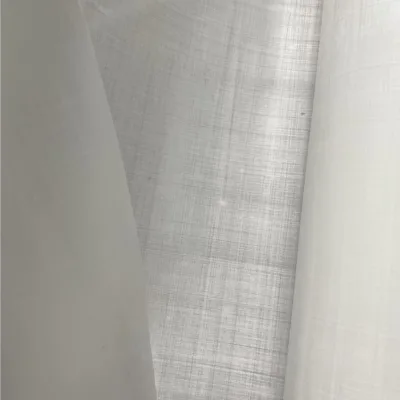
The observed product range includes diverse specifications such as widths of 58 to 69 inches and areal densities from 120 to 260 GSM, alongside standard roll packings of 100 to 200 meters. While some listings feature plain patterns and white colors suitable for garment or industrial use, others highlight ripstop and anti-static features for outdoor activities. Procurement teams must carefully cross-reference these physical attributes with the intended end-use, ensuring that the selected fabric's density and weave structure align with the mechanical requirements of the final armor assembly.
Technical Specifications to Verify
Verification of technical specifications is critical, particularly regarding the areal density and yarn count which directly influence ballistic performance. The available data presents conflicting density ranges, from 0.97 g/cm³ to specific GSM values like 160±10 or 225 GSM, alongside yarn counts such as 2 Ud or 80s x 80s. Buyers must demand precise, batch-specific test data for the exact model number, such as PEUD-VD15 or VD260-PEUD, to confirm that the material meets the required mass per unit area for the intended threat level.
Thickness and width consistency are also essential parameters that vary across the observed listings, with some products offering light-weight options and others specifying standard widths of 58 to 69 inches. The composite category is listed as woven cloth, yet the protection level claims range from general industrial use to specific NIJ IIIA and .44 caliber ratings. Sourcing teams should require detailed specification sheets that define the exact thickness, width tolerance, and composite layering process to ensure the fabric will perform reliably under stress.
Compliance and Safety Documentation
Compliance verification must extend beyond general certifications like ISO to include specific ballistic testing standards required for soft armor. While the provided facts mention ISOComposite and EN certifications, they do not explicitly confirm adherence to NIJ 0101.06 or other recognized ballistic testing protocols. Buyers should insist on valid, third-party test reports that explicitly validate the protection level claims, such as NIJ IIIA, rather than relying on generic certification labels that may apply only to the textile substrate.
Safety documentation must also address the specific composition and environmental safety of the materials used in the armor. The listings mention eco-friendly features and polyethylene compositions, but these claims do not substitute for rigorous safety data sheets or compliance with chemical regulations. Procurement professionals should verify that the supplier can provide documentation confirming the material's resistance to environmental degradation and its compliance with relevant safety standards for personal protective equipment in the target market.
Cost Drivers and Commercial Terms
Cost drivers for soft armor fabrics are heavily influenced by the areal density, composite technology, and the complexity of the ballistic certification process. The observed price range of 4.99 to 320 USD suggests significant variation based on whether the product is a standard industrial composite or a certified ballistic material. Buyers should anticipate higher costs for fabrics with verified protection levels and complex composite processes like polyurethane roller technology, which require specialized manufacturing capabilities.
Commercial terms such as MOQ and lead times vary widely, with observed minimums ranging from 1 roll to 1000 units and standard packings of 100 to 200 meters per roll. The data indicates that customization is available for density, width, and logo placement, which can impact both unit cost and production lead time. Procurement teams should negotiate clear terms regarding customization fees and volume discounts, ensuring that the final contract reflects the specific technical requirements and certification status of the ordered material.
Supplier Qualification and Quality Control
Supplier qualification requires a rigorous assessment of their manufacturing capabilities and their ability to maintain consistent quality across production batches. The observed origin of Jiangsu, China, indicates a concentration of textile manufacturing, but buyers must verify the supplier's specific experience with ballistic-grade composites and their quality control protocols for high-stakes applications. It is essential to confirm that the supplier has a dedicated line for armor-grade products rather than repurposing standard industrial fabric lines.
Quality control measures should include regular testing of density, tensile strength, and ballistic performance to ensure consistency with the ordered specifications. The data shows a mix of standard and customized products, necessitating a robust inspection plan that covers physical attributes like weight, width, and composite bonding. Buyers should require a detailed quality assurance plan that outlines testing frequency, acceptance criteria, and procedures for handling non-conforming materials to mitigate the risk of supply chain disruptions.
Long-Term Procurement Checks
Long-term procurement strategies must include periodic re-verification of supplier compliance and product performance to ensure ongoing safety and reliability. As technology evolves and threat levels change, the ballistic standards and material specifications required for soft armor may shift, necessitating regular updates to procurement contracts and technical requirements. Buyers should establish a schedule for re-testing and re-certification of the fabric to ensure it continues to meet the necessary safety standards over the product's lifecycle.
Supply chain resilience is another critical factor, requiring the identification of alternative suppliers and the diversification of sourcing locations to mitigate risks. The observed data shows a concentration of products from a single region, which could pose a risk if local disruptions occur. Procurement teams should develop contingency plans that include maintaining safety stock of certified materials and qualifying backup suppliers who can meet the same technical and compliance standards to ensure uninterrupted supply of critical protective equipment.
FAQs
What is the typical weight range for Soft Armor UHMW PE Fabric?
The fabric weight typically ranges from 9 to 260 GSM depending on the specific product model and customization requirements. Standard options often include densities around 120 to 160 GSM or 225 GSM. Buyers can request custom densities between 120 and 235 GSM to meet specific ballistic protection needs for garment or industrial applications.
Can I customize the logo and packaging for UHMW PE fabric orders?
Yes, customized logos and packaging are available for most orders. Standard packing usually involves rolls in cartons, with lengths of 100 or 200 meters per roll. Buyers can specify custom roll lengths and carton packaging details to suit their logistics requirements, ensuring the product arrives ready for immediate industrial or security use.
What certifications are available for Soft Armor UHMW PE Fabric?
Available certifications include ISO and EN standards, indicating compliance with specific quality and safety protocols. The composite process often utilizes Polyurethane Roller Composite Technology to enhance durability. Buyers should verify specific certification documents with suppliers to ensure the fabric meets the required regulatory standards for security and industrial applications in their target markets.
What are the key features of this UHMW PE fabric?
Key features include windproof, waterproof, and eco-friendly properties, making it suitable for outdoor and security applications. The fabric is also breathable, anti-static, and ripstop, with high tensile strength. These attributes ensure reliable performance in harsh environments while maintaining comfort and durability for use in protective gear and industrial textiles.
What is the minimum order quantity for UHMW PE fabric?
The minimum order quantity is typically one roll, allowing for flexible purchasing options. Standard roll widths are 58/60 inches or 67/69 inches, with lengths of 100 or 200 meters. This low MOQ facilitates testing and small-scale production runs for security, garment, and industrial textile manufacturers seeking high-performance UHMW PE materials.
Where is this Soft Armor UHMW PE Fabric manufactured?
The fabric is manufactured in China, specifically in the Jiangsu province. This region is known for its advanced textile manufacturing capabilities and composite technology. Buyers can expect consistent quality and competitive pricing from suppliers in this area, who utilize specialized processes like Polyurethane Roller Composite Technology to produce high-density UHMW PE fabrics.