Source Solar Powered Bus Stop Shelter with LED Lighting for transit hubs, parks, and campuses
Find 30 options for a Solar Powered Bus Stop Shelter with LED Lighting designed for outdoor transit hubs, parks, and campuses. Buyers can compare specifications like power supply, material, and customization to select the right solution.
Key considerations
Products List


Stainless Steel Bus Stop, Bus Shelter, Bus Shelter with Solar System
$4000.00 - $4500.00
MOQ: 1 Pieces


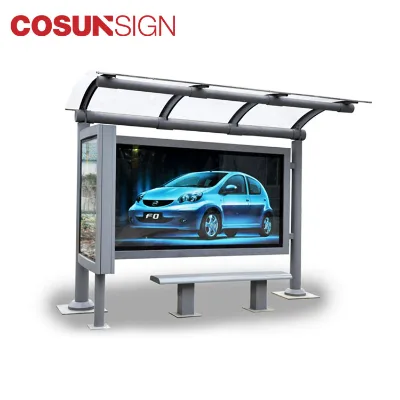


Comprehensive Sourcing Guide
Solar Powered Bus Stop Shelter with LED Lighting Sourcing Guide
Sourcing solar-powered bus stop shelters with LED lighting requires a careful balance between aesthetic integration, structural durability, and energy efficiency. These structures serve as critical infrastructure for public transit systems, providing weather protection and visibility for commuters while reducing municipal electricity costs through renewable energy integration. The procurement process involves evaluating multiple variables, from the choice of structural materials to the specific configuration of lighting and advertising panels. Buyers must navigate a market where customization is the norm, with suppliers offering tailored solutions based on local climate conditions, foot traffic patterns, and urban design requirements.
The decision to procure these shelters often hinges on the ability to customize both the physical dimensions and the technological components. Suppliers frequently offer options for varying roof shapes, such as arc or vertical designs, and allow for specific material selections like galvanized steel, stainless steel, or aluminum profiles. This flexibility ensures that the final product aligns with the architectural style of the surrounding area while meeting functional needs. However, this high degree of customization also introduces complexity in the sourcing process, requiring buyers to clearly define their technical specifications and quality expectations before engaging with manufacturers.
Product Scope and Observed Listing Signals
The current market landscape for bus stop shelters reveals a diverse range of product configurations, with observed price points ranging significantly from approximately $102 to $6,800 USD. This wide variance reflects the spectrum from basic, functional structures to complex, high-end installations featuring advanced lighting systems, digital advertising capabilities, and premium materials. The minimum order quantities (MOQ) typically range from one to ten units, indicating that suppliers are equipped to handle both single-unit pilot projects and larger municipal deployments. Buyers should interpret these price differences as indicators of material quality, structural complexity, and the inclusion of additional features such as scrolling LED displays or specialized glass panels.
Observed listing signals highlight the prevalence of customization as a core service offering. Many suppliers explicitly state that sizes, materials, and colors can be adjusted to meet specific client requirements, with origins primarily located in industrial hubs such as Guangzhou and Jiangsu in China. The product attributes often include options for LED or fluorescent lighting, with light adjustment features available in some models but absent in others. This variability necessitates a thorough review of individual product listings to ensure that the selected shelter meets the specific operational needs of the deployment site, particularly regarding lighting intensity and energy consumption profiles.
Technical Specifications to Verify
When evaluating technical specifications, the structural material is a primary consideration, with options including galvanized sheet, stainless steel, and aluminum profiles. The choice of material directly impacts the shelter’s longevity, resistance to corrosion, and overall aesthetic appeal. Buyers should verify the thickness and grade of the steel or aluminum used, as well as the quality of the surface treatments, which may include polishing, brushing, powder coating, or painting. These surface finishes are crucial for protecting the structure from environmental wear and tear, particularly in regions with high humidity or salt exposure. Additionally, the roof material, often specified as PC (polycarbonate) or metal plate, must be evaluated for its transparency, impact resistance, and thermal insulation properties.
The lighting and power systems are equally critical components that require detailed verification. Solar-powered shelters typically integrate LED lighting, which offers energy efficiency and a long lifespan, but the specific power supply configurations can vary. Some models support AC110V-240V or DC 12V/24V inputs, while others may rely entirely on solar battery systems. Buyers must confirm the compatibility of the lighting system with the local power grid, if applicable, and assess the capacity of the solar panels and batteries to ensure consistent illumination during periods of low sunlight. Furthermore, the inclusion of advertising panels, such as tempered glass light boxes with scrolling or static display systems, adds another layer of technical complexity that must be aligned with the shelter’s structural design and power capabilities.
Compliance and Safety Documentation
Compliance with local electrical and structural safety standards is non-negotiable for bus stop shelters, especially those incorporating solar and LED components. Buyers must ensure that suppliers provide documentation verifying that the electrical systems meet relevant international or national standards for low-voltage DC and AC power distribution. This includes certifications for the solar panels, charge controllers, and LED drivers, which should demonstrate compliance with safety regulations regarding electrical shock, fire hazard, and electromagnetic interference. Without proper certification, the installation of these shelters could pose significant risks to public safety and lead to liability issues for the procuring entity.
Structural integrity and wind load resistance are also key areas where documentation is essential. The shelter must be designed to withstand local weather conditions, including high winds, heavy rain, and potential snow loads. Buyers should request engineering drawings and wind tunnel test results or structural analysis reports from the supplier to verify that the design meets the required safety margins. Additionally, the use of tempered glass for light boxes and other transparent components should be verified to ensure that it meets impact resistance standards, reducing the risk of injury in the event of breakage. These documents serve as critical evidence of the product’s reliability and safety, providing peace of mind for municipal planners and facility managers.
Cost Drivers and Commercial Terms
The cost of solar-powered bus stop shelters is influenced by several key drivers, including the choice of materials, the complexity of the design, and the level of customization required. Premium materials such as stainless steel and tempered glass, along with advanced features like scrolling LED displays and sophisticated solar power systems, will naturally increase the unit price. Buyers should also consider the impact of surface treatments and finishing options, which can add to the manufacturing cost but enhance the product’s durability and aesthetic appeal. Understanding these cost drivers allows buyers to make informed trade-offs between budget constraints and desired quality levels.
Commercial terms, including payment conditions, shipping arrangements, and warranty provisions, play a significant role in the overall procurement strategy. Suppliers often offer flexible packing solutions, such as cartons or custom packaging, to protect the shelters during transit, which can affect shipping costs and lead times. Buyers should negotiate clear terms regarding the delivery schedule, especially for large orders, and ensure that the warranty covers both structural components and electronic systems. Additionally, the availability of after-sales support and spare parts should be considered, as these factors can impact the total cost of ownership over the lifespan of the shelter.
Supplier Qualification and Quality Control
Qualifying suppliers for bus stop shelter projects requires a rigorous assessment of their manufacturing capabilities, quality control processes, and track record. Buyers should verify the supplier’s production facilities, including their ability to handle processes such as assembly, extrusion, and machining, which are essential for creating high-quality structural components. It is also important to assess the supplier’s experience in exporting to global markets, as this indicates their familiarity with international standards and logistics. Requesting references from previous clients and conducting site visits, if possible, can provide valuable insights into the supplier’s operational efficiency and commitment to quality.
Quality control measures should be clearly defined and agreed upon before production begins. This includes establishing inspection points for raw materials, in-process checks during manufacturing, and final pre-shipment inspections. Buyers should specify the criteria for acceptable tolerances in dimensions, surface finish, and electrical performance. Additionally, the use of standardized testing procedures for structural integrity and electrical safety can help ensure that the delivered products meet the required specifications. Implementing a robust quality control plan minimizes the risk of receiving defective or non-compliant shelters, protecting the buyer’s investment and reputation.
Long-Term Procurement Checks
Long-term procurement success depends on establishing a sustainable relationship with suppliers who can support ongoing maintenance, upgrades, and potential expansions. Buyers should consider the availability of spare parts and the ease of repairing or replacing components such as LED lights, solar panels, and advertising displays. A supplier that offers comprehensive technical support and training for maintenance staff can significantly reduce downtime and operational costs over the life of the shelters. Additionally, staying informed about advancements in solar technology and LED efficiency can help buyers make informed decisions about future upgrades or replacements.
Regular performance monitoring and feedback loops with suppliers are essential for continuous improvement. Buyers should track the performance of the shelters in the field, noting any issues related to structural integrity, lighting performance, or energy efficiency. This data can be used to refine future procurement specifications and negotiate better terms with suppliers. By maintaining a proactive approach to supplier management and product evaluation, buyers can ensure that their bus stop shelter investments continue to deliver value and meet the evolving needs of the community.
FAQs
Can I customize the size and materials for the bus stop shelter?
Yes, the size and materials are available as per your specific requirements. You can select from options like galvanized sheet or stainless steel, and the overall dimensions can be customized to fit your site needs.
What lighting options are available for the bus stop shelter?
The shelter supports LED lighting or fluorescent lamps with or without light adjustment features. The light source can be customized, and the system may include scrolling or static panels depending on your selection.
Which surface treatments are applied to the metal structure?
The structure undergoes processes like polishing, brushing, powder coating, or painting to ensure durability. These treatments are applied to materials such as stainless steel or galvanized steel to protect against outdoor weather conditions.
How is the product packed for international shipping?
Products are packed in cartons or according to your specific requirements to ensure safe transport. This flexible packaging approach accommodates various shipping needs while protecting the shelter components during transit.
What is the power supply requirement for the lighting system?
The system operates on AC 110V to 240V or DC 12V to 24V at 50-60Hz. This versatile power supply ensures compatibility with different electrical standards in various global markets where the shelter is installed.
Can the bus stop shelter be manufactured in different shapes?
Yes, the shelter is available in various shapes including arc, vertical, L-shape, and rectangular configurations. These shapes can be customized to match architectural preferences or specific site constraints for optimal aesthetic integration.