Source Rechargeable Solar Tactical Flashlight for Camping, Car, Home
Explore 30 verified options for the Rechargeable Solar Tactical Flashlight, featuring LED bulbs, USB charging, and IP44/IPX4 ratings. Compare brightness levels from 700 to 2000 lumens, runtime over 6 hours, and aluminum alloy construction for reliable performance in camping, car, and home applications.
Key considerations
Products List

LED Flashlight Torch Flashlight Rechargeable Waterproof Tactical Flashlight
$15.58 - $22.89
MOQ: 10 Pieces


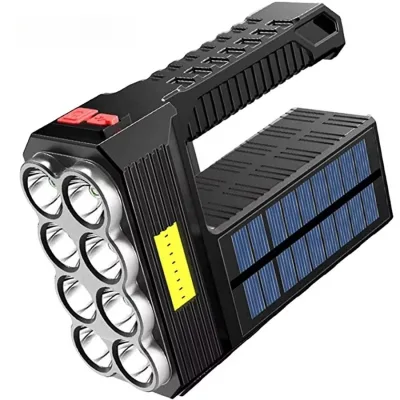


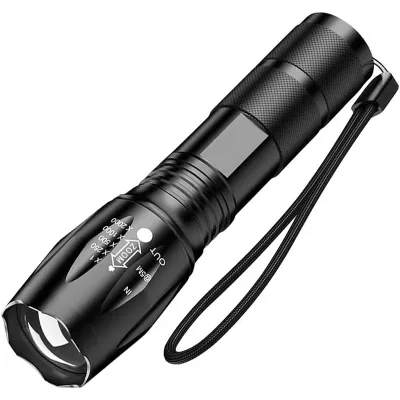

Customized Cheap Handheld Gun Type Multifunctional Solar Outdoor Flashlight
$4.46 - $5.01
MOQ: 200 Pieces


Camping Lantern Flashlights, Collapsible Solar Lanterns Rechargeable LED Lantern
$1.00 - $3.00
MOQ: 3000 Pieces


Comprehensive Sourcing Guide
Rechargeable Solar Tactical Flashlight Sourcing Guide
Procurement teams must first distinguish between solar-integrated units and standard rechargeable tactical lights, as the supplied data indicates a prevalence of USB-rechargeable lithium battery models rather than solar-charging mechanisms. The observed product listings feature specific attributes like "Rechargeable Battery" and "USB Input Charging," suggesting that buyers should verify if solar panels are a genuine feature or a marketing misnomer in the current market.
Buyers should prioritize models with high-lumen outputs and multiple lighting modes, such as the observed 700 to 2000 lumen ranges, to ensure operational effectiveness in tactical scenarios. The presence of features like "Strobe," "SOS," and "Zoom Function" in the catalog confirms that tactical utility is a primary design driver, requiring verification of battery runtime claims against the observed ">6H" performance data to match mission requirements.
Product Scope and Observed Listing Signals
The current market inventory reveals a diverse range of tactical flashlights with varying material compositions, including aluminum alloy and plastic reflecting cups, which directly impacts durability and heat dissipation. Listings explicitly mention "Aluminum Alloy" and "Aluminum" materials for the main body, indicating a strong preference for rugged construction suitable for outdoor and camping applications, while some variants utilize plastic components for cost reduction.
Buyers must carefully review the "IP Rating" and "Waterproof Rating" specifications, as observed data shows a mix of IP44, IPX4, and general "IP Power Supply" labels that require clarification. The presence of "Soft-touch Switch" and "Pocket Clip" features suggests a focus on user ergonomics and portability, but the inconsistency in waterproof ratings necessitates a strict verification process to ensure the device meets the environmental demands of tactical operations.
Technical Specifications to Verify
Technical due diligence must focus on the LED source and lumen output, as the observed listings cite specific chips like "Xhp50 LED" and "Sst 40" with outputs ranging from 700 to 2000 lumens. Procurement teams should verify that the claimed brightness levels, including "High," "Medium," "Low," and "Strobe," correspond to actual performance metrics, ensuring the light source provides sufficient illumination for the intended tactical range of up to 200 meters.
Battery specifications are critical, with observed data highlighting "Lithium Battery" types and "USB Charging" capabilities, yet the exact capacity and cycle life remain variable across different models. Buyers should confirm the "Lighting Period" claims against the observed ">6H" runtime and verify the "Input Power" requirements, typically DC 5V, to ensure compatibility with existing power banks or charging infrastructure in the field.
Compliance and Safety Documentation
Regulatory compliance is a non-negotiable aspect of sourcing, with observed listings frequently citing certifications such as "CE," "RoHS," "FCC," and "CCC." These certifications indicate adherence to international safety and environmental standards, but buyers must request valid test reports to confirm that the specific batch of products holds these credentials, as the presence of a certification label does not guarantee current compliance for every unit.
Safety documentation must also address the electrical safety of the rechargeable systems, particularly given the "Rechargeable Battery" and "USB Input Charging" attributes found in the catalog. Procurement teams should verify that the internal circuitry includes overcharge and short-circuit protection, ensuring that the "1 Year Warranty" offered by some suppliers is backed by robust safety engineering that meets the rigorous demands of tactical equipment usage.
Cost Drivers and Commercial Terms
Pricing in this category is heavily influenced by the choice of LED technology, battery capacity, and the durability of the housing material, with observed price ranges spanning from $0.19 to $30. The significant variance suggests that lower-cost models may compromise on battery life or material quality, while premium units likely offer higher lumen outputs and superior waterproof ratings, requiring a clear definition of the minimum acceptable performance threshold before budgeting.
Minimum Order Quantities (MOQ) vary widely, with observed ranges from 1 to 3000 units, allowing flexibility for both small-scale testing and large-scale deployment. Buyers should negotiate based on the "Customization" availability, such as "Customized Box" options, to determine if branding or packaging modifications will incur additional costs that impact the total landed cost per unit.
Supplier Qualification and Quality Control
Supplier qualification should prioritize manufacturers located in established industrial hubs like Zhejiang, China, where the observed product origins indicate a concentration of expertise in flashlight manufacturing. Buyers must assess the supplier's ability to maintain consistency in "Surface Preparation of Reflecting cup" and material quality, as these factors directly influence the light beam's efficiency and the overall longevity of the tactical device.
Quality control protocols must include rigorous testing of the "Switch" mechanism and "Light Modes" to ensure reliable operation under stress. Procurement teams should request samples for independent verification of the "Lifespan" claims, such as the observed 10,000-hour rating, and validate the "Color Temperature" consistency to ensure the light output meets the specific visual requirements of tactical operations.
Long-Term Procurement Checks
Long-term procurement success depends on establishing a clear supply chain for replacement batteries and spare parts, given the reliance on "Lithium Battery" technology and specific LED sources like "Xhp50." Buyers should verify the supplier's commitment to maintaining component availability over the product's lifecycle to prevent obsolescence and ensure that tactical units remain operational for extended periods.
Continuous monitoring of warranty claims and return rates is essential to identify potential quality drifts in the manufacturing process. Procurement teams should leverage the "1 Year Warranty" data point to establish a baseline for product reliability, using this metric to negotiate better terms or switch suppliers if the observed defect rates exceed acceptable thresholds for tactical equipment.
FAQs
What certifications do these flashlights have?
These rechargeable solar tactical flashlights carry RoHS, CE, CCC, and FCC certifications. These marks confirm compliance with international safety and environmental standards for electronic products. Buyers can verify specific certificates for each model to ensure regulatory adherence in their target markets before placing bulk orders.
How long is the runtime for these lights?
The runtime exceeds six hours on a single charge. Powered by lithium batteries, these units provide reliable illumination for extended use. This duration supports camping, emergency, and tactical applications where sustained light output is critical for safety and operational continuity during power outages or outdoor activities.
Can I customize the packaging for these flashlights?
Yes, customization is available for packaging requirements. Suppliers offer options such as white boxes or customized boxes to meet brand-specific needs. This flexibility allows buyers to tailor product presentation for retail distribution or corporate gifting, ensuring the final product aligns with their marketing and branding strategies effectively.
What is the waterproof rating for these units?
The waterproof rating is IP44 or IPX4. This level of protection shields the flashlight from splashing water and limited dust ingress. It makes the device suitable for outdoor camping, car use, and home emergency kits, ensuring reliable performance in various weather conditions without internal component damage.
What is the brightness level of these flashlights?
Brightness levels range from 700 to 2000 lumens depending on the model. High-output versions utilize Xhp50 or SST 40 LEDs to deliver intense illumination. Multiple brightness modes including strobe and SOS allow users to adjust light intensity for different tactical scenarios or general visibility needs effectively.
Where are these flashlights manufactured?
These flashlights are manufactured in Zhejiang, China. This region is a known hub for electronic lighting production, offering robust supply chains and manufacturing capabilities. Buyers can leverage this origin for sourcing efficiency, though specific factory details and lead times should be confirmed directly with verified suppliers for accurate logistics planning.