Source Solid D-Phenylalanine Powder for Medicine, Food, and Supplements
Find 30 listings for solid d-phenylalanine powder from verified suppliers. Compare specifications, prices, and packaging options for medicine, food, and health care applications.
Key considerations
Products List


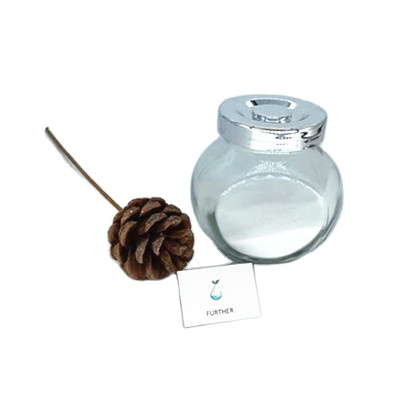


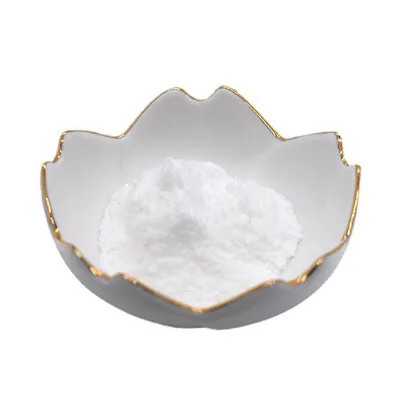
Hot Selling CAS 150-30-1 Dl-Phenylalanine Powder Food Supplement Dl-Phenylalanine
$25.00 - $43.00
MOQ: 1 kilograms




Comprehensive Sourcing Guide
Strategic Sourcing Guide for Solid D-Phenylalanine Powder
Procuring solid D-phenylalanine powder requires a disciplined approach that balances technical precision with supply chain reliability. As a chiral amino acid, this compound serves critical functions in pharmaceutical synthesis, dietary supplements, and food fortification. Buyers entering this market must navigate a landscape where product identity, purity specifications, and regulatory compliance are paramount. The following guide outlines the essential factors for sourcing this material effectively, grounded in verified product attributes and industry standards.
Technical Specifications and Product Identity
The foundation of any successful procurement begins with a rigorous definition of technical specifications. In the current market, D-phenylalanine is frequently encountered alongside its isomer, L-phenylalanine, and the racemic mixture, DL-phenylalanine. Buyers must explicitly distinguish between these forms, as their biological activities and applications differ significantly. The core keyword, solid D-phenylalanine powder, implies a specific stereochemical configuration. However, product listings often group these variations under broad categories.
When evaluating a potential supplier, the molecular formula serves as a primary identifier. For phenylalanine, the standard molecular formula is C9H11NO2. The physical appearance is consistently described as a white powder, a characteristic that aids in initial visual inspection upon receipt. The assay or purity level is another critical parameter. Market observations indicate that high-grade products often meet a standard of 99% or "Above 99%." Buyers should verify that the Certificate of Analysis (COA) explicitly states the assay percentage and the specific isomer content, ensuring the material is not a racemic mixture unless that is the specific requirement.
The form of the product is typically powder, which is suitable for further processing into capsules, tablets, or liquid formulations. Packaging specifications vary, with common options including 1kg bags, 25kg drums, and vacuum-packed units. The choice of packaging material, such as plastic or aluminum foil bags, impacts the shelf life and protection against moisture. Since phenylalanine is freely soluble in water, the packaging must provide an effective moisture barrier to prevent clumping or degradation during storage and transit.
Compliance and Certification Verification
Navigating the regulatory landscape is essential for B2B buyers in the health and food sectors. Suppliers in this domain are expected to hold specific certifications that validate their manufacturing processes and quality management systems. Common certifications observed in the market include HACCP (Hazard Analysis and Critical Control Points) and ISO standards. While specific ISO 9001 status may be a background expectation, buyers must confirm the active status of these certifications with the supplier.
Documentation is the primary tool for compliance verification. A valid Certificate of Analysis (COA) and Material Safety Data Sheet (MSDS) are non-negotiable requirements. The COA provides the analytical results for the specific batch, confirming identity, purity, and the absence of prohibited contaminants. The MSDS details the handling, storage, and emergency procedures, ensuring that the buyer's logistics and safety teams are adequately informed.
For products intended for human consumption, the distinction between food-grade and pharmaceutical-grade is crucial. The application field often dictates the required purity and testing rigor. Products listed for medicine, health care products, and food applications must adhere to stricter contamination limits. Buyers should request test methods used for verification, such as HPLC (High-Performance Liquid Chromatography) or HPLC-MS, to ensure the analytical data is robust and reliable.
Cost Drivers and Pricing Structures
Understanding the cost structure of D-phenylalanine is vital for budgeting and negotiation. The observed price range in the market spans from $1 to $280 USD, reflecting significant variability based on order volume, purity, and packaging. This wide range suggests that unit pricing is heavily influenced by the Minimum Order Quantity (MOQ). The MOQ can vary from as low as 1kg to as high as 1000kg, depending on the supplier's production capacity and inventory status.
Several factors drive the final cost. First, the origin of the product plays a role; materials sourced from specific regions, such as Shanxi, China, may have different logistical cost bases compared to other origins. Second, the customization level affects pricing. Suppliers offering customized services, such as specific packaging or private labeling, often command a premium over standard off-the-shelf products. Third, the form of the product and its intended application influence the price; pharmaceutical-grade material typically costs more than industrial or food-grade equivalents due to the rigorous testing required.
Buyers should also consider the total landed cost, which includes shipping and handling. Shipping methods vary from express courier to air and sea freight, with transit times ranging from 5-7 days for express delivery to longer periods for sea freight. The choice of shipping method directly impacts the overall cost and the speed of replenishment. Additionally, payment terms such as Credit Card, T/T, PayPal, or Western Union can affect cash flow and transaction fees, which should be factored into the total cost analysis.
Typical Applications and Usage Scenarios
D-phenylalanine powder finds diverse applications across multiple industries, primarily driven by its role as an amino acid building block. In the pharmaceutical sector, it is utilized in the synthesis of various drugs and as a raw material for the production of other amino acids. The racemic form, DL-phenylalanine, is particularly noted for its potential analgesic properties, often used in formulations targeting pain management.
In the health care and dietary supplement industry, phenylalanine is valued for its role in protein synthesis and neurotransmitter production. Products are often formulated into capsules or tablets, making the powder form ideal for manufacturers who require a versatile raw material. The feature of being sugar-free is a significant selling point for diabetic-friendly formulations and health-conscious consumers.
The food industry also utilizes phenylalanine as a nutritional additive. However, it is important to note that phenylalanine is a precursor to tyrosine and dopamine, and its inclusion in food products must comply with local labeling regulations, particularly regarding conditions like phenylketonuria (PKU). The versatility of the product allows it to be used in a wide array of applications, from direct supplementation to complex chemical synthesis, making it a high-demand commodity for B2B buyers.
Supplier Evaluation and Selection Criteria
Selecting the right supplier requires a comprehensive evaluation beyond just price and availability. The supplier's ability to provide consistent quality and reliable logistics is paramount. Buyers should assess the supplier's stock status; products marked as "in Stock" offer immediate availability, which is crucial for just-in-time manufacturing processes. Conversely, suppliers with limited stock may have longer lead times, impacting production schedules.
The customization capabilities of the supplier are another key evaluation metric. Suppliers offering customized services can tailor packaging, labeling, and even specific purity levels to meet unique buyer requirements. This flexibility is often a differentiator in a competitive market. Additionally, the supplier's location and shipping capabilities should be reviewed. Suppliers based in major manufacturing hubs like Shanxi, China, often have established logistics networks, but buyers must verify their ability to handle international shipping via air, sea, or courier.
Reputation and history are also important, though specific supplier names should not be recommended. Buyers should look for evidence of a track record in serving the specific industry vertical they operate in. The availability of samples, typically ranging from 5g to 10g, allows buyers to conduct their own quality tests before committing to a large order. This step is critical for verifying the physical and chemical properties of the product against the supplier's claims.
Quality Control and Long-Term Procurement
Maintaining product quality over the long term requires a robust quality control (QC) framework. The shelf life of D-phenylalanine is typically around 3 years if stored properly, but this is contingent on adhering to specific storage conditions. The recommended storage method is a cool, dry place, often specified as keeping the product cool and dry. Exposure to moisture can lead to degradation, as the substance is freely soluble in water.
Buyers should implement a strict incoming inspection protocol. This includes verifying the COA against the physical sample, checking the packaging integrity, and ensuring the label matches the order specifications. Regular testing using methods like HPLC can help monitor the stability of the product over time. For long-term procurement, establishing a relationship with a supplier who offers consistent quality and reliable delivery is more valuable than chasing the lowest price.
The procurement strategy should also account for potential supply chain disruptions. Diversifying suppliers and maintaining a safety stock can mitigate risks associated with logistics delays or production halts. Furthermore, buyers should stay informed about regulatory changes in their target markets, as requirements for amino acid supplements and pharmaceuticals can evolve. By focusing on quality, compliance, and supplier reliability, buyers can ensure a steady supply of high-quality D-phenylalanine powder for their operations.
Comparative Overview of Product Attributes
To assist in decision-making, the following table summarizes key attributes observed in the market for D-phenylalanine and related isomers. This comparison highlights the variations buyers may encounter and the parameters they must verify.
| Attribute | Typical Observation | Verification Requirement |
|---|---|---|
| Product Name | D-Phenylalanine, L-Phenylalanine, DL-Phenylalanine | Confirm specific isomer in COA |
| Form | Powder | Visual inspection for consistency |
| Appearance | White Powder | Check for discoloration or clumping |
| Purity/Assay | 99% or Above 99% | Review COA for exact percentage |
| MOQ | 1kg to 1000kg | Confirm order volume and pricing tiers |
| Packaging | 1kg/Bag, 25kg/Drum, Vacuum Packed | Ensure moisture barrier integrity |
| Storage | Cool Dry Place | Verify warehouse conditions |
| Certification | COA, MSDS, HACCP, ISO | Request valid certificates |
| Origin | China (e.g., Shanxi) | Confirm country of origin on docs |
| Shelf Life | 3 Years (if stored properly) | Check batch date and expiry |
This structured approach ensures that buyers can navigate the complexities of sourcing solid D-phenylalanine powder with confidence, focusing on the critical factors that drive value and quality in the B2B market.
FAQs
What is the standard purity level for solid d-phenylalanine powder?
The standard purity level is typically 99% or above 99%. Buyers should verify the exact assay percentage on the Certificate of Analysis to ensure the material meets specific pharmaceutical or food-grade requirements.
Which certifications are commonly available for this amino acid?
Common certifications include COA, MSDS, HACCP, and ISO. These documents validate the manufacturing process and quality management systems, ensuring the product is safe for use in medicine, health care, and food applications.
How is the product typically packaged for shipping?
The product is commonly packaged in 1kg bags, 25kg drums, or vacuum-packed units. Packaging materials often include plastic or aluminum foil bags to provide a moisture barrier since the powder is freely soluble in water.
Can buyers obtain samples before placing a large order?
Yes, samples are available in quantities ranging from 5g to 10g. This allows buyers to conduct their own quality tests to verify physical and chemical properties before committing to a larger purchase volume.
What are the recommended storage conditions for this powder?
The powder should be stored in a cool, dry place to maintain stability. Proper storage ensures a shelf life of up to 3 years, preventing degradation caused by moisture exposure due to its water solubility.
Which shipping methods are available for international delivery?
Available shipping methods include express courier, air freight, and sea freight. Transit times vary, with express delivery taking 5-7 days, while sea freight offers a more cost-effective option for larger bulk orders.