Source Solid Glossy Electric Guitar Body for Builders, Repairers, and Customizers
Compare 22 solid glossy electric guitar bodies from verified suppliers in Guangdong. Options include poplar, paulownia, and sycamore materials with polished or matte finishes for electric guitar applications. Buyers can select from various colors and customization services for wholesale needs.
Key considerations
Products List




Comprehensive Sourcing Guide
Solid Glossy Electric Guitar Body Sourcing Guide
Sourcing a Solid Glossy Electric Guitar Body requires careful attention to material density, finish durability, and structural integrity. Buyers must distinguish between unfinished blanks and pre-finished bodies, as the latter demands rigorous inspection of gloss uniformity and edge sealing. The glossy finish not only enhances aesthetic appeal but also protects the wood from moisture and wear, making it critical for professional-grade instruments. Procurement teams should prioritize suppliers who demonstrate consistent quality control in their finishing processes, ensuring that the high-gloss surface remains free of orange peel, dust inclusions, or uneven curing.
The decision to source solid bodies often hinges on tonal consistency and customization flexibility. Solid wood construction provides a stable platform for hardware installation and allows for precise routing of cavities for pickups and electronics. Buyers should verify that the selected body type aligns with their target market’s preferences, whether that be vintage-style aesthetics or modern, high-performance designs. Understanding the specific wood species and its acoustic properties is essential, as different woods impart distinct tonal characteristics that influence the final instrument’s voice.
Product Scope and Observed Listing Signals
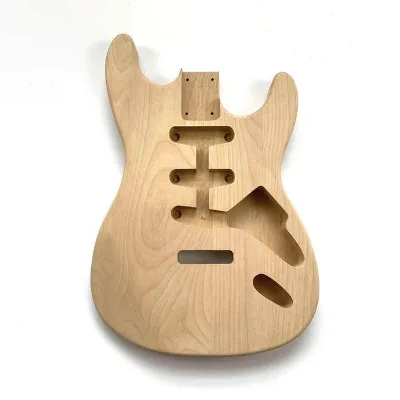
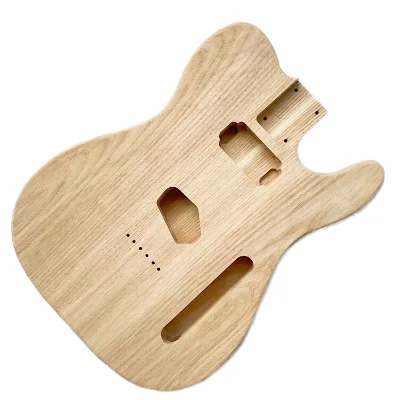
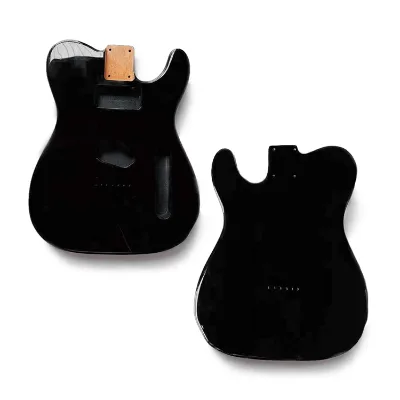
Market listings for solid electric guitar bodies reveal a diverse range of materials, including poplar, paulownia, and sycamore or mahogany combinations. These materials are selected for their balance of weight, resonance, and workability, with poplar offering a neutral tone and paulownia providing a lightweight alternative. Listings often highlight compatibility with standard body shapes such as Stratocaster or Telecaster styles, indicating a high degree of interchangeability with existing hardware. Buyers should note that some suppliers offer OEM services, allowing for custom branding and logo application, which is crucial for private-label manufacturers seeking unique product differentiation.
Observed packaging and shipping data suggest that bodies are typically packed in paper boxes or cartons, with dimensions varying based on the specific model and material thickness. Single package sizes can range significantly, reflecting the bulkiness of wooden components and the need for protective padding to prevent damage during transit. Weight observations indicate that bodies vary from approximately 1.15 kg to over 4.5 kg, depending on the wood density and finish application. These logistical details are vital for calculating freight costs and warehouse storage requirements, ensuring that procurement plans account for the physical footprint of the inventory.
Technical Specifications to Verify
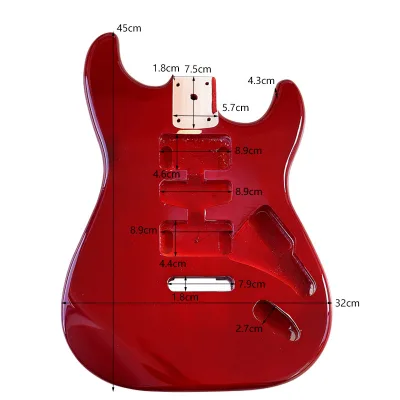
Verifying technical specifications is paramount to ensuring that the guitar body meets design and performance requirements. Buyers must confirm the exact dimensions, including width, depth, and thickness, to ensure compatibility with neck joints and hardware mounting points. The model number and type designation should be cross-referenced with industry standards to guarantee that routing for pickups, bridges, and control cavities is accurate. Additionally, the finish type, whether polished, matte, or varnished, must be specified to match the desired aesthetic and tactile experience, with glossy finishes requiring careful inspection for clarity and depth.
Material composition and grain structure are critical factors that influence both the visual appeal and tonal quality of the instrument. Buyers should request detailed information on the wood species, including whether it is solid or laminated, and verify the presence of any defects such as knots or cracks. The coating description, whether coated or uncoated, affects the body’s weight and resonance, with uncoated bodies offering a more natural feel but requiring additional finishing work. Ensuring that the body structure is solid and free from internal voids is essential for maintaining structural integrity and preventing future warping or cracking.
Compliance and Safety Documentation
Compliance with safety and environmental standards is increasingly important in the musical instrument industry, particularly regarding the chemicals used in finishes and coatings. Buyers should verify that the glossy finishes used on the guitar bodies comply with relevant regulations for volatile organic compounds (VOCs) and heavy metals, ensuring that the final product is safe for players and environmentally responsible. Documentation such as Material Safety Data Sheets (MSDS) for the finishes and coatings should be requested to confirm that the materials used are non-toxic and meet international safety standards.
Additionally, buyers must ensure that the suppliers adhere to labor and ethical standards throughout the manufacturing process. Certifications such as FSC for wood sourcing can provide assurance that the materials are sustainably harvested, which is a growing concern among consumers and retailers. While specific certification statuses may vary by supplier, buyers should actively inquire about the supplier’s compliance history and any third-party audits conducted. This due diligence helps mitigate reputational risks and ensures that the procurement process aligns with corporate social responsibility goals.
Cost Drivers and Commercial Terms
Cost drivers for solid glossy electric guitar bodies include material selection, finish complexity, and order volume. Premium woods like mahogany or sycamore typically command higher prices due to their superior tonal properties and aesthetic appeal, while poplar and paulownia offer more budget-friendly alternatives. The application of a high-gloss finish requires additional labor and time, contributing to higher unit costs compared to matte or unfinished bodies. Buyers should negotiate volume discounts and clarify whether tooling fees for custom routing or branding are included in the quoted price to avoid unexpected expenses.
Commercial terms such as Minimum Order Quantity (MOQ), payment terms, and lead times significantly impact procurement strategy. Observed MOQs can range from small batches for prototyping to larger volumes for mass production, with suppliers often offering flexibility for OEM orders. Lead times vary based on the complexity of the order and the supplier’s production capacity, with typical delivery windows spanning several weeks. Buyers should establish clear communication channels to monitor production progress and ensure that deliveries align with their inventory planning and market launch schedules.
Supplier Qualification and Quality Control
Supplier qualification involves assessing the manufacturer’s production capabilities, quality control processes, and track record in the guitar industry. Buyers should request samples to evaluate the finish quality, dimensional accuracy, and overall craftsmanship of the guitar bodies. Inspecting the gloss surface for uniformity, checking the precision of routed cavities, and verifying the stability of the wood are essential steps in the qualification process. Suppliers who offer OEM/ODM services should demonstrate flexibility and responsiveness to custom design requests, ensuring that they can meet specific brand requirements.
Quality control measures should be clearly defined and agreed upon before production begins. Buyers should establish acceptance criteria for finish defects, dimensional tolerances, and material consistency, and request that the supplier conduct pre-shipment inspections. Implementing a robust quality assurance protocol helps minimize the risk of receiving substandard products and reduces the likelihood of costly returns or repairs. Regular communication and feedback loops with the supplier can further enhance product quality and foster a collaborative partnership that supports long-term procurement success.
Long-Term Procurement Checks
Long-term procurement checks focus on maintaining consistent quality and supply chain reliability over time. Buyers should conduct periodic audits of the supplier’s production facilities and quality control processes to ensure ongoing compliance with established standards. Monitoring key performance indicators such as defect rates, on-time delivery, and responsiveness to issues helps identify potential problems early and allows for proactive corrective actions. Building a diversified supplier base can also mitigate risks associated with single-source dependencies, ensuring continuity of supply even in the event of disruptions.
Continuous improvement initiatives should be encouraged through regular performance reviews and collaborative problem-solving sessions with the supplier. Sharing market feedback and customer insights can help the supplier refine their products and processes to better meet evolving customer needs. Investing in relationship management and open communication fosters trust and cooperation, leading to more favorable commercial terms and priority treatment during peak demand periods. By prioritizing long-term partnerships, buyers can secure a stable supply of high-quality solid glossy electric guitar bodies that support their brand’s growth and reputation.
FAQs
What materials are used for solid electric guitar bodies?
Solid electric guitar bodies are crafted from durable woods such as Poplar Wood and Paulownia. Some options also utilize Sycamore or Mahogany, with customization available to meet specific tonal and structural requirements. These materials provide the necessary weight and resonance characteristics essential for high-quality instrument construction and performance.
Can I customize the color of the guitar body?
Yes, customization is highly welcomed for solid electric guitar bodies. Buyers can choose from a wide range of colors including White, Blue, Yellow, Red, Gray, Orange, Black, Green, Purple, Silver, and Deep Red. The OEM service allows for tailored finishes to match specific brand identities or aesthetic preferences.
What is the minimum order quantity for these bodies?
The minimum order quantity varies by product type. For standard solid electric guitar bodies, the MOQ is typically 4 pieces. However, for specific components like pickguards, the MOQ may be higher, such as 30 pieces. Buyers should verify the specific MOQ for their selected model to ensure accurate planning.
Are the guitar bodies finished or unfinished?
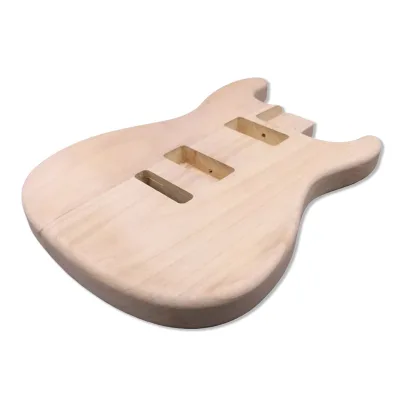
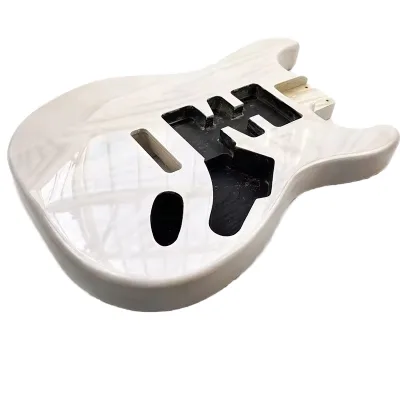
Both finished and unfinished solid electric guitar bodies are available. Finished options feature polished surfaces ready for use after coloring, while unfinished bodies remain uncoated for custom painting. This flexibility allows builders to choose between convenience and complete creative control over the final aesthetic and protective coating of the instrument.
What is the delivery time for orders?
The delivery time for solid electric guitar bodies ranges from 7 to 35 days. This timeframe depends on the order volume, customization requirements, and production schedule. Buyers should plan their procurement accordingly to ensure timely receipt of materials for their guitar building or assembly projects.
Which guitar types do these bodies fit?
These solid electric guitar bodies are designed to fit TL and ST electric guitars. The dimensions and body structure are compatible with standard electric guitar hardware and electronics. This ensures a seamless integration for builders looking to construct or repair instruments with classic Telecaster or Stratocaster-style configurations.