Source Soundproof Floor-to-Ceiling Glass Windows for Villas, Hotels, and Courtyards
Find and compare 30 listings for soundproof floor-to-ceiling glass windows featuring aluminum alloy frames, sliding or fixed styles, and customizable sizes. Evaluate options for villas, hotels, and courtyards with features like heat insulation, insect-proof screens, and various glass types including low-e and tempered glass.
Key considerations
Products List


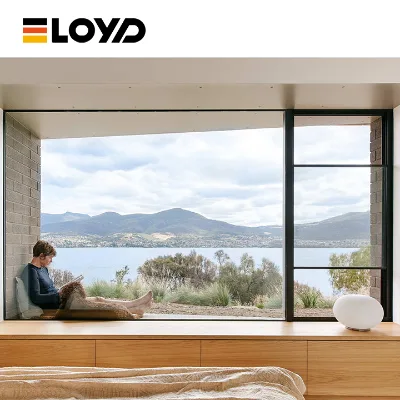
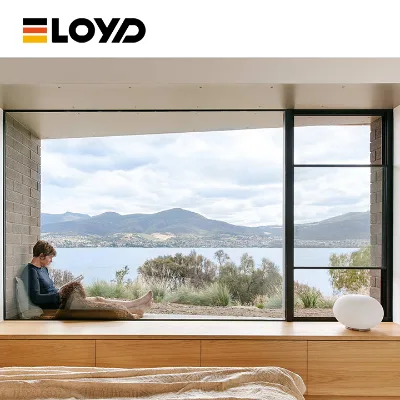

8-15mm Large Windows Fixed Tempered Glass Styles Floor to Ceiling Windows
$2.95 - $3.00
MOQ: 2683 Square Meters

Elegant Large Glass Floor-to-Ceiling Window with Noise Reduction Features
$71.00 - $83.00
MOQ: 2 Square Meters


$80.00 - $100.00
MOQ: 10 Square Meters

Thermal Insulation Soundproof Floor-to-Ceiling Casement Aluminium Luxury Window with Insect Screen
$120.00 - $160.00
MOQ: 100 Square Meters

Floor to Ceiling Aluminum Large Windows Fixed Glass Extra Large Picture Window Styles
$26.00 - $28.00
MOQ: 100 Square Meters
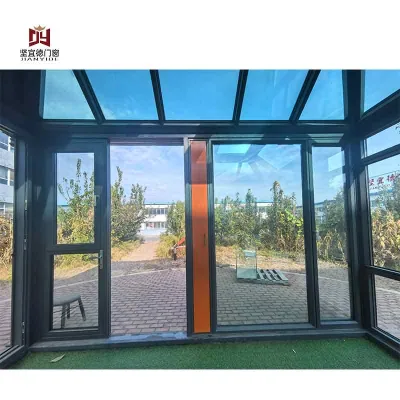

Glass Sliding Window Horizontal Soundproof Windproof Glass Window for Bedroom
$65.00 - $69.00
MOQ: 2 Square Meters


Low-E Aluminum Alloy Acoustic Metal Soundproof Aluminium Casement Glass Windows
$72.00 - $80.00
MOQ: 2 Square Meters

Custom Casement Window Custom Double Glass Sound Insulation Casement Aluminium Windows
$76.00 - $85.00
MOQ: 2 Square Meters

Superior-Quality Waterproof Residential Sliding Window for Soundproof Window
$60.00 - $80.00
MOQ: 2 Square Meters

Energy-Efficient Soundproof Aluminum Windows with Insulated Glass Design
$35.00 - $75.00
MOQ: 2 Square Meters


Home Aluminium Sound Proof Windows Double Glazing Window for House with Sash
$50.00 - $150.00
MOQ: 20 Square Meters
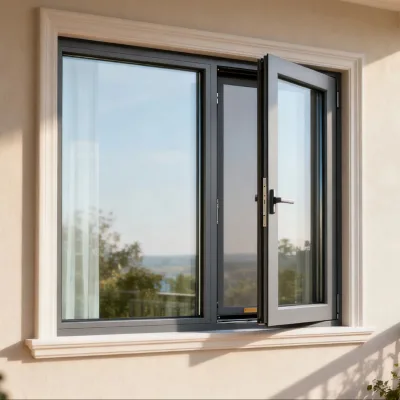

Premium Double Glazed Aluminum Windows for Superior Soundproofing
$100.00 - $120.00
MOQ: 2 Square Meters

Premium Triple Glazed Aluminum Windows for Ultimate Soundproofing
$99.00 - $269.00
MOQ: 2 Square Meters


Comprehensive Sourcing Guide
Soundproof Floor-to-Ceiling Glass Windows Sourcing Guide
Sourcing soundproof floor-to-ceiling glass windows requires a nuanced understanding of how acoustic performance intersects with structural integrity and aesthetic design. These systems are not merely large panes of glass but complex assemblies where the frame material, sealing mechanisms, and glass configuration work in unison to mitigate noise transmission. Buyers must recognize that "soundproof" is a relative term; the goal is typically significant noise reduction, measured in decibels, rather than absolute silence. The procurement process begins with defining the specific acoustic environment, whether it is an urban high-rise facing traffic noise or a villa near a busy courtyard, as this dictates the necessary technical specifications for the final product.
The market offers a variety of styles, from modern sliding systems to fixed minimalist designs, each with distinct acoustic implications. Horizontal opening patterns and sliding mechanisms often present different sealing challenges compared to fixed or folding configurations. Buyers should evaluate how the opening style affects the continuity of the sound barrier. For instance, sliding windows rely on overlapping seals that may degrade over time, whereas fixed panels offer a more permanent, airtight solution. Understanding these mechanical differences is crucial for selecting a system that maintains its acoustic rating throughout its lifecycle, ensuring that the initial investment in sound insulation delivers long-term value.
Product Scope and Observed Listing Signals
The current market landscape for these windows reveals a diverse range of product attributes that buyers must navigate. Observed listings indicate a price range from approximately $0.99 to $269, which often reflects unit pricing for components or small samples rather than complete installed systems. The minimum order quantity (MOQ) varies significantly, ranging from single items to thousands of units, suggesting that suppliers cater to both individual renovation projects and large-scale commercial developments. Buyers should interpret these signals carefully, recognizing that bulk pricing structures and customization options will heavily influence the final cost per square meter.
Product descriptions frequently highlight a combination of functions, including heat insulation, anti-theft security, airproofing, and dust-proofing, alongside soundproofing. This multifunctionality is a key selling point, as modern building envelopes require windows that perform multiple roles simultaneously. The observed use of aluminum alloy frames, with thicknesses around 2.2mm, provides a sturdy base for large glass panels while allowing for various surface finishes such as anodized, powder-coated, or wooden-look treatments. Buyers should verify if the listed "sound insulation" rating of 45 decibels applies to the entire assembly or just the glass unit, as the frame and sealing quality are equally critical to achieving this performance level.
Technical Specifications to Verify
The core of any soundproof window system lies in its glass configuration and frame construction. Buyers must verify the specific glass types available, which can include single, double, tempered, coated, low-E, or insulated glass units. The thickness of the glass, often observed at 5mm nominal thickness for flat, solid sheets, plays a direct role in mass law acoustic principles, where heavier glass generally blocks more sound. However, for optimal soundproofing, asymmetrical glass thicknesses or laminated glass with acoustic interlayers are often superior to uniform double glazing. Procurement teams should request detailed technical datasheets that specify the glass stack-up and the resulting Sound Transmission Class (STC) or Rw rating for the specific configuration.
Frame material and surface treatment are equally critical for acoustic performance. Aluminum alloy frames, such as those made from 6005-T5 grade material, offer durability and precision engineering. The surface treatment, whether anodized or powder-coated, not only affects aesthetics but also the longevity of the seals and hardware. Buyers should inspect the quality of the gaskets and weatherstripping, as air leaks are the primary pathway for sound infiltration. The "finished" state of the product implies that the frames are pre-assembled or pre-treated, but buyers must confirm the tightness of the joints and the quality of the corner connections, which can compromise sound isolation if poorly executed.
Compliance and Safety Documentation
Acoustic performance claims must be backed by rigorous testing and certification. Buyers should demand third-party test reports that validate the sound insulation capabilities of the proposed window system. While some listings mention standards like SGS, it is essential to clarify whether this certification applies to the material quality, the manufacturing process, or the final acoustic performance. DIN 4109 is a recognized standard for sound insulation in building components, and buyers should inquire if the products have been tested against such international benchmarks. Without specific test data, claims of "soundproof" capabilities remain unverified and potentially misleading.
Safety and structural integrity are paramount, especially for floor-to-ceiling installations that may be subject to wind loads or impact. Buyers must verify that the glass used meets safety standards, such as being tempered or laminated to prevent shattering. The hardware, described as "China Top Brand" in some listings, should be sourced from reputable manufacturers to ensure smooth operation and long-term reliability. Documentation should also include wind pressure resistance ratings and structural calculations, particularly for large, fixed panels that lack the support of an opening mechanism. Ensuring that all components comply with local building codes is a non-negotiable aspect of the procurement process.
Cost Drivers and Commercial Terms
Several factors influence the total cost of soundproof floor-to-ceiling windows, with customization being a primary driver. Standard sizes may offer economies of scale, but custom dimensions, specific glass configurations, and unique color finishes can significantly increase production costs. The observed monthly production capability of 4000 tons suggests that large suppliers can handle substantial orders, but buyers should negotiate lead times, which typically range from 15 to 20 days. Rush orders or complex customizations may extend these timelines and incur additional fees. Understanding the breakdown of costs, including material, labor, and packaging, helps buyers assess the fairness of quotes.
Packaging and logistics are often overlooked but critical components of the commercial terms. The use of PE film, PVC film, PE foam, craft paper, and carton boxes indicates a multi-layered protection strategy, which is essential for preventing damage during transit. Buyers should clarify who bears the risk of loss or damage during shipping and whether the packaging is suitable for international freight. Additionally, after-sale services, such as online technical support, should be evaluated for their responsiveness and depth. Clear warranty terms for both the glass and the hardware are essential, as these components are subject to wear and environmental stress over time.
Supplier Qualification and Quality Control
Selecting a reliable supplier requires due diligence beyond product specifications. Buyers should verify the supplier’s manufacturing capabilities, including their facility location in Guangdong, China, a hub for aluminum profile production. The presence of molding machinery and a focus on total project solutions indicates a level of technical sophistication. However, buyers must conduct site audits or request virtual tours to assess the actual production environment and quality control processes. Checking for certifications related to quality management systems, such as ISO 9001, can provide additional assurance of consistent manufacturing standards.
Quality control should extend to the supply chain for critical components like glass and hardware. Buyers should inquire about the sources of raw materials and whether the supplier performs in-house testing or relies on external labs. The consistency of the aluminum alloy thickness and the uniformity of the surface finish are key indicators of manufacturing precision. For large projects, requesting pre-production samples is a prudent step to verify the acoustic performance and aesthetic quality before committing to a full order. Establishing a clear communication channel for addressing defects or discrepancies during production is vital for maintaining project timelines and quality standards.
Long-Term Procurement Checks
The performance of soundproof windows degrades over time if not properly maintained. Buyers should develop a maintenance plan that includes regular inspection of seals, gaskets, and hardware. The acoustic performance of a sliding window, for example, can diminish if the tracks become dirty or the seals wear out. Procurement contracts should include provisions for the availability of replacement parts, such as gaskets and rollers, to ensure long-term functionality. Understanding the expected lifespan of different components helps in budgeting for future maintenance and repairs.
Sustainability and environmental impact are increasingly important considerations in procurement. Buyers should inquire about the recyclability of the aluminum frames and the energy efficiency of the glass units. Low-E coatings, for instance, not only improve thermal insulation but can also contribute to overall building sustainability. Additionally, buyers should consider the environmental footprint of the manufacturing process, including energy consumption and waste management. By prioritizing suppliers who demonstrate a commitment to sustainable practices, buyers can align their procurement strategies with broader corporate social responsibility goals.
FAQs
How is the sound insulation performance of these windows?
The sound insulation rating reaches 45 decibels for effective noise reduction. This performance is achieved using aluminum alloy frames with nylon or stainless steel screen netting and specialized glass options like low-e or insulated glass.
What customization options are available for these windows?
Customization is available for size, color, and surface finishing to meet specific project needs. Buyers can select from horizontal opening patterns, modern or minimalist styles, and various glass types including tempered or double-glazed options.
Which materials are used for the window frames and screens?
Frames are constructed from 2.2mm thick aluminum alloy with anodized or powder-coated finishes. Screen netting materials vary between nylon and stainless steel depending on the specific product model and security requirements.
Can these windows be used for outdoor applications like villas?
Yes, these windows are suitable for courtyards, outdoor areas, hotels, and villas. They offer functions such as heat insulation, anti-theft protection, and decoration while maintaining a modern design style for building use.
What is the lead time for production and delivery?
The standard lead time ranges from 15 to 20 days for order fulfillment. This timeline applies to customized orders produced in Foshan, Guangdong, with a monthly production capability of 4000 tons.
Which certifications or standards do these products meet?
Products comply with SGS standards and feature excellent grade aluminum materials. The manufacturing process utilizes molding machinery to ensure high workmanship and structural integrity for solid flat glass applications.