Source Soundproof Heat Insulation Aluminum Door for Villa Hotel Apartment
Find 30 verified options for a Soundproof Heat Insulation Aluminum Door designed for villas, hotels, and apartments. Buyers can compare features like thermal break profiles, sealing systems, and wind resistance ratings to select the right security and decoration solution.
Key considerations
Products List

Heavy Duty Aluminum Door with Glass Sound Insulation Waterproof Design
$168.00 - $198.00
MOQ: 5 Square Meters


Sound Insulated Heavy Duty Aluminum Glass Door Waterproof Design
$168.00 - $198.00
MOQ: 5 Square Meters

Premium Heavy Duty Aluminum Glass Door - Waterproof & Soundproof
$168.00 - $198.00
MOQ: 5 Square Meters


Sound Insulated Heavy Duty Aluminum Alloy Glass Door Waterproof
$168.00 - $198.00
MOQ: 5 Square Meters


Elegant Classic Aluminum Door Soundproof and Waterproof Performance
$280.00 - $298.00
MOQ: 2 Square Meters


Contemporary Aluminum Door Durable Soundproof Luxury Interior Protection
$280.00 - $298.00
MOQ: 2 Square Meters


Hot-Selling Soundproof Aluminum Sliding Door in Automatic Door for Villa
$65.00 - $72.00
MOQ: 2 Square Meters

Thermal Break Aluminum Folding Door with Weather Resistant Performance
$67.00 - $89.00
MOQ: 2 Square Meters


Fireproof Soundproof Door Acoustic Security Door for Building & Laboratory
$350.00 - $390.00
MOQ: 10 Square Meters


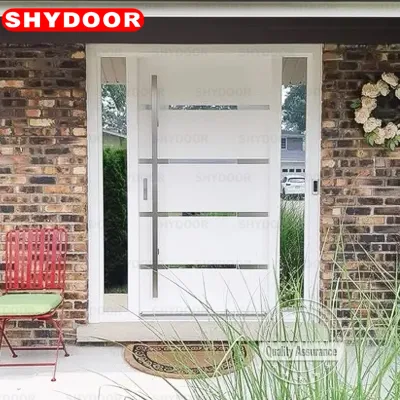


Aluminum Alloy Interior Doors Soundproofing European and American Designs
$148.00 - $168.00
MOQ: 1 Square Meters


Classic Design Soundproof Insulated Aluminium Bi-Folding Doors Aluminum
$73.00 - $78.00
MOQ: 3 Square Meters


Comprehensive Sourcing Guide
Strategic Sourcing Guide for Soundproof Heat Insulation Aluminum Doors
Procuring high-performance aluminum doors that effectively combine sound insulation and thermal efficiency requires a disciplined approach to technical verification and supplier evaluation. The market offers a diverse range of products, from heavy-duty blast doors to residential patio systems, each with distinct specifications. Buyers must navigate these variations carefully to ensure the selected product meets specific acoustic and thermal requirements without compromising on structural integrity or safety. This guide outlines the critical factors for sourcing these specialized units, focusing on material composition, certification standards, and application-specific performance.
Technical Specifications and Material Composition
The foundation of a soundproof and heat-insulating aluminum door lies in its material composition and structural design. The primary material observed in high-quality units is Aluminum Alloy, specifically grades such as 6063-T5, which provide an optimal balance of strength and workability. The door leaf thickness is a critical dimension; observed specifications indicate a thickness of 60mm for heavy-duty models, a dimension that significantly contributes to both thermal mass and acoustic dampening.
Thermal performance is heavily dependent on the profile design. Buyers should verify the presence of a thermal break, a feature explicitly noted as optional in various listings but essential for achieving high insulation ratings. Without a thermal break, aluminum acts as a thermal bridge, conducting heat and cold directly through the frame. The U-Value, a measure of heat transfer, is a key metric; some advanced systems claim performance as low as 1.2-1.6 W/M²K, particularly when paired with double glazing.
Glazing is the second most critical component for sound and heat control. The available options include single, double, or triple glazing with various treatments such as tempering, coating, and Low-E (Low Emissivity) layers. For optimal sound insulation, double or triple glazing filled with Argon gas is recommended. The glass type is typically tempered, ensuring safety and durability. The sealing system is equally vital; EPDM rubber weatherproof strips, described as "Car Level Sealing," are standard in high-performance units. These strips prevent air infiltration, which is a primary cause of heat loss and noise transmission.
| Feature | Standard Observation | High-Performance Requirement |
|---|---|---|
| Material | Aluminum Alloy 6063-T5 | Aluminum Alloy with Thermal Break |
| Leaf Thickness | 60mm (Heavy-duty models) | 60mm or higher for blast/security |
| Glazing | Single/Double Tempered | Double/Triple Low-E Argon Filled |
| Sealing | EPDM Rubber | EPDM Car Level Sealing Strip |
| U-Value | Variable | As low as 1.2-1.6 W/M²K |
Compliance, Certification, and Safety Standards
When sourcing aluminum doors, verifying compliance with international and regional standards is non-negotiable. The supply chain for these products often originates from manufacturing hubs in China, such as Fuyang and Foshan. While specific regional standards like DIN 4109 are sometimes referenced in the broader industry, buyers must rely on the certifications explicitly provided by the supplier for the specific unit.
Common certifications observed in the market include CE, ISO, CCC, and RoHS. The CE mark indicates conformity with health, safety, and environmental protection standards for products sold within the European Economic Area. ISO certification suggests that the manufacturer adheres to international quality management systems. RoHS compliance ensures that the product does not contain hazardous substances, which is crucial for indoor air quality and environmental safety.
Security ratings are another critical compliance aspect. Products are often rated with a Security Rating of "A," indicating a high level of resistance against forced entry. This is complemented by hardware specifications, such as multi-point locking systems and stainless steel components. Some heavy-duty models are classified as "Cast Aluminum Blast Doors," designed to withstand extreme pressure and impact, making them suitable for high-security applications. Buyers should request test reports or certificates that validate these security ratings and wind resistance capabilities, which can range from Class A4 to B3, withstanding pressures up to 1800-2400PA.
Cost Drivers and Pricing Dynamics
The price of soundproof heat insulation aluminum doors varies significantly based on customization, material quality, and hardware origin. The observed price range in the market spans from $40 to $1,080 USD, reflecting the vast difference between basic sliding units and complex, custom-engineered heavy-duty doors. Several factors drive these costs.
First, the level of customization is a primary cost driver. While standard sizes are available, many buyers require customized dimensions to fit specific architectural openings. Customization involves additional engineering, tooling, and production time, which increases the unit price. Second, the origin of the hardware plays a significant role. Hardware options range from domestic Chinese manufacturing to imported German components. German hardware typically commands a premium due to perceived durability and precision, whereas Chinese hardware offers a cost-effective alternative.
The surface finishing process also impacts cost. Options include fluorocarbon paint processes and powder coating, with the latter offering over 200 RAL color choices. Powder coating is generally more durable and environmentally friendly, but the specific finish selected can alter the final price. Additionally, the packing requirements for sea transportation, such as wooden cases or wood frames, add to the overall logistics cost. Buyers should be aware that the Minimum Order Quantity (MOQ) typically ranges from 1 to 10 units, allowing for flexibility in procurement volume but potentially affecting the per-unit cost for very small orders.
Typical Applications and Functional Requirements
The application of the door dictates the specific technical requirements. These products are versatile, serving residential, commercial, and industrial sectors. In residential settings, they are commonly applied in villas, houses, apartments, and specific rooms like kitchens, bedrooms, and sunrooms. The "American" and "Modern" styles observed in the market cater to diverse aesthetic preferences while maintaining functional integrity.
For commercial and hospitality applications, such as hotels, schools, and villas, the emphasis shifts towards security and sound insulation. The "Security" and "Anti-Theft" functions are paramount in these environments. Heavy-duty glass sliding doors and blast doors are often utilized in areas requiring high security or protection against external threats. In contrast, patio, garden, and balcony applications prioritize thermal insulation and weather resistance. The "Sound Insulation" and "Waterproof" features are critical here to ensure comfort and energy efficiency.
The position of the door—whether exterior or interior—also influences the selection. Exterior doors must withstand wind loads, rain, and temperature fluctuations, necessitating robust sealing systems and high wind resistance ratings. Interior doors, while still requiring sound insulation, may have different structural demands. The "Open Style," whether sliding or swing, must align with the spatial constraints and usage patterns of the specific application.
Supplier Evaluation and Origin Verification
Evaluating suppliers requires a focus on origin, production capabilities, and logistical reliability. The primary manufacturing locations identified are Fuyang and Foshan in China. While these regions are known for aluminum profile production, buyers must verify the specific factory capabilities rather than relying solely on the city name. A reputable supplier should provide clear documentation regarding their production standards and quality control processes.
The origin of the hardware is a key differentiator. Suppliers offering hardware made in Germany or China provide different value propositions. Buyers should clarify the hardware origin in their specifications to ensure it meets their performance expectations. Furthermore, the surface finishing process, such as fluorocarbon paint or powder coating, should be verified to ensure it meets the required durability and aesthetic standards.
Logistics and packaging are also critical evaluation points. Products are typically packed in wooden cases suitable for sea transportation, or in wood frames and boxes. This packaging ensures that the doors arrive without damage, which is essential for large, fragile items like glass doors. Buyers should confirm that the packaging standards align with the shipping method and distance to prevent transit damage.
Quality Control and Long-Term Procurement Considerations
Ensuring long-term performance requires rigorous quality control measures. Buyers should inspect the surface treatment, which should be finished and uniform, with no signs of corrosion or defects. The sealing system, particularly the EPDM rubber weatherproof strips, must be inspected for consistency and elasticity. A compromised seal can lead to significant heat loss and noise infiltration, negating the primary benefits of the product.
The standard of the product, often described as "customized support," implies that the manufacturer can adapt to specific requirements. However, buyers must ensure that the customization does not compromise the structural integrity or the certification status of the door. The "Standard Packing" of aluminum film for certain components should be verified to ensure it provides adequate protection during storage and transport.
Long-term procurement considerations include the availability of spare parts and the warranty provided by the supplier. Given the complexity of the hardware and sealing systems, the ability to source replacement parts is crucial for maintenance. Additionally, buyers should consider the lead time, which can vary based on the level of customization and the supplier's current production load. While specific lead times are not universally defined, the complexity of custom orders should be factored into the project timeline.
In conclusion, sourcing soundproof heat insulation aluminum doors involves a careful balance of technical specifications, compliance verification, and supplier evaluation. By focusing on material quality, certification standards, and application-specific requirements, buyers can secure products that deliver the desired performance and longevity. The market offers a wide range of options, from basic residential units to heavy-duty security doors, and a disciplined approach to selection ensures the best outcome for any procurement project.
FAQs
What materials are used for soundproof heat insulation aluminum doors?
These doors primarily use Aluminum Alloy 6063-T5 combined with tempered glass and accessories. Heavy-duty models feature a 60mm door leaf thickness to enhance thermal mass and acoustic dampening for superior performance.
How can I verify the thermal insulation performance of these doors?
Look for systems with a thermal break profile and double or triple Low-E tempered argon gas filled glazing. Advanced units can achieve a U-Value as low as 1.2-1.6 W/M²K when properly configured.
Which certifications should I require for these aluminum doors?
Common certifications include CE, ISO, CCC, and RoHS to ensure safety and environmental compliance. These marks verify conformity with international standards for health, quality management, and hazardous substance restrictions.
Can I customize the size and hardware for these doors?
Yes, customization is available for sizes, profiles, and hardware options including German or Chinese made components. Buyers can select from multi-point locking systems and various surface finishes like powder coating.
What is the typical price range for these aluminum doors?
The observed price range spans from 40 to 1080 USD depending on customization and hardware origin. Costs vary significantly between basic sliding units and complex, custom-engineered heavy-duty blast doors.
Where are these aluminum doors typically manufactured?
Manufacturing origins are primarily located in Fuyang and Foshan, China. Buyers should verify specific factory capabilities and packaging standards suitable for sea transportation to ensure product integrity during transit.
What sealing systems ensure waterproof and soundproof performance?
High-performance units utilize EPDM rubber weatherproof strips described as car-level sealing. These strips prevent air infiltration, which is critical for maintaining thermal efficiency and blocking external noise transmission.