Source Space Saving Folding Computer Desk for Office, Hotel, Bedroom
Explore 30 listings of Space Saving Folding Computer Desk options featuring adjustable heights and convertible designs. Buyers can compare specifications, materials, and customization availability across suppliers in China for office, hotel, and bedroom applications.
Key considerations
Products List
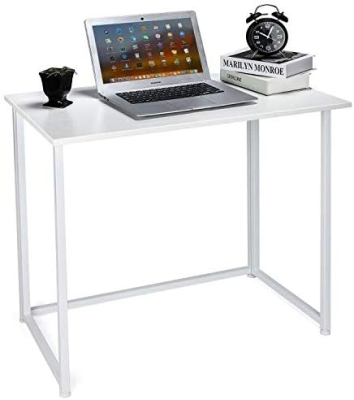
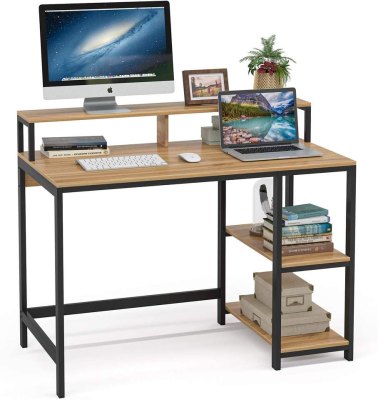

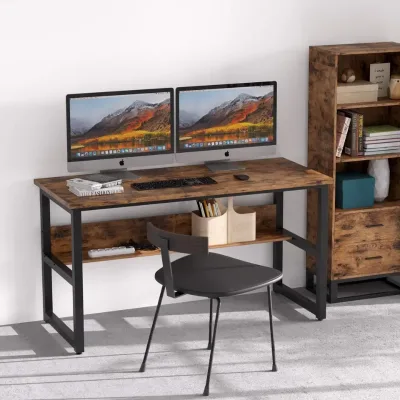


Folding Computer Desk with Modern Design for Small Home Office Workspace
$10.42 - $11.00
MOQ: 100 Pieces


$20.00 - $40.00
MOQ: 50 Pieces

$45.00 - $55.00
MOQ: 10 Pieces


Comprehensive Sourcing Guide
Strategic Sourcing Guide for Space Saving Folding Computer Desks
The global shift toward remote work and compact urban living has elevated the demand for space-saving furniture, particularly the Space Saving Folding Computer Desk. For B2B procurement professionals, sourcing these units requires a nuanced understanding of mechanical engineering, material durability, and supply chain logistics. The market offers a diverse array of configurations, from simple foldable panels to complex convertible systems that integrate storage and height adjustment. This guide provides a structured approach to evaluating suppliers and products, ensuring that procurement decisions are grounded in verified specifications and practical application requirements rather than marketing claims.
Mechanical Features and Functional Versatility
The primary value proposition of a Space Saving Folding Computer Desk lies in its mechanical adaptability. When evaluating potential inventory, buyers must scrutinize the specific feature sets listed in product specifications. The market data indicates a strong prevalence of "Foldable" and "Convertible" attributes, which allow a single unit to serve multiple functions. Some advanced models also incorporate "Revolving" mechanisms or "Extendable" surfaces, providing dynamic workspace adjustments. A critical distinction exists between units that are merely foldable and those that are "Adjustable" in height, as the latter adds significant ergonomic value for office environments.
Buyers should verify the state of the product when packaged versus when in use. Specifications often list the "Folded" state as either "Folded" or "Unfolded," which dictates the logistics of shipping and storage. A desk that ships in a folded state minimizes volumetric weight, reducing freight costs, whereas an "Unfolded" shipment might indicate a more robust, pre-assembled unit that requires less on-site labor. The "Selling Units" are typically listed as "Single item," suggesting that these are sold as complete, standalone solutions rather than modular components requiring complex assembly by the end-user.
Furthermore, the "Style" of these desks is predominantly "Modern," aligning with contemporary interior design trends in hotels, living rooms, and offices. The "Kind" of product is frequently categorized as a "PC Desk" or "Computer Desk," confirming its intended use for digital workstations. However, some listings blur the lines between desk and "Tea Table," indicating that certain designs may serve dual purposes in hospitality settings. Procurement teams must ensure the selected model's mechanical features align strictly with the intended application, whether it is a high-traffic hotel lobby or a quiet home study.
Material Composition and Structural Integrity
The longevity and perceived quality of a folding computer desk are heavily dependent on the materials used in its construction. Analysis of available product data reveals a mix of "Wooden," "Solid Wood," and "Panel" wood styles, alongside "Metal" leg materials. The "Surface Material" is often listed broadly as "Other," necessitating a direct inquiry to the supplier to determine if the finish is laminate, veneer, or solid timber. The distinction between "Solid Wood" and "Panel" is crucial; solid wood offers superior durability and aesthetic appeal but comes with higher weight and cost, while panel materials provide a lighter, more cost-effective solution suitable for bulk procurement.
The "Leg Material" is frequently identified as "Metal," which provides the necessary structural support for folding mechanisms. Metal frames, often described as having a "Metal Frame" feature, are essential for stability when the desk is in the "Unfolded" state. Buyers must verify the gauge and finish of the metal to ensure it can withstand repeated folding and unfolding cycles without fatigue or corrosion. Additionally, the "Wood Style" varies from "Solid Wood" to "Panel," and this choice impacts the overall weight and the ease of handling during installation.
Color options are another critical material consideration. While some products are listed with specific colors like "White" or "Purple," others offer "Optional" or "Customizable" color schemes. The "Customization" attribute is widely available, allowing buyers to align the desk's finish with corporate branding or interior design themes. However, the "Condition" is universally listed as "New," ensuring that buyers receive pristine inventory. When sourcing, it is vital to request physical samples to verify the actual texture and quality of the surface material, as the "Other" designation on the surface material field can mask significant variations in finish quality.
Technical Specifications and Dimensional Standards
Precision in technical specifications is non-negotiable for space-saving furniture, as the primary selling point is the efficient use of floor space. The "Model Number" serves as the unique identifier for these variations, with examples including "ZDZ002," "004," "012," and "Computer Desks." Each model number corresponds to a specific set of dimensions and features. For instance, one specification lists a size of "47.323.729.6," while another cites a standard of "644155." These numerical values likely represent dimensions in centimeters, defining the footprint and height of the desk in both folded and unfolded states.
Buyers must cross-reference these dimensions with their specific spatial constraints. A desk with a "47.3" width may fit perfectly in a compact home office but could be too narrow for a dual-monitor setup in a corporate environment. The "Standard" field often contains these dimensional values, but in some cases, it is listed as "Customizable," indicating that the supplier can produce units to specific client requirements. This flexibility is a significant advantage for large-scale projects where uniformity is required across different room sizes.
The "Packaging" specifications are equally important for logistics. Products are typically shipped in "Carton Packaging" or "Export Packaging," with some adhering to "Export Standard Packing." The "Mail Packing" attribute is marked as "Y," suggesting that the units are designed to withstand postal or courier shipping conditions. For bulk orders, the "MOQ" (Minimum Order Quantity) ranges from 1 to 500 units, with some specific listings requiring 100PCS. Understanding these packaging and dimensional constraints is essential for calculating total landed costs, including freight and warehousing.
Compliance, Certification, and Supplier Verification
In the B2B sector, compliance and supplier reliability are paramount. The "Place of Origin" for many of these desks is identified as "Jiangsu, China" or "Hebei, China," indicating a concentration of manufacturing in these industrial hubs. While the "Brand Name" varies, with "huacz" appearing in the data, many products are sold under generic or OEM arrangements. The "Design" attribute often states "Accept OEM," confirming that suppliers are willing to manufacture products under the buyer's brand.
However, specific certification status, such as ISO or BIFMA compliance, is not explicitly detailed in the provided product facts. Buyers must treat the "Standard" field as a prompt for verification rather than a guarantee of compliance. The "Warranty" is listed as "1 Year" for some units, which serves as a baseline expectation for product durability. When evaluating suppliers, procurement teams should request third-party test reports for load-bearing capacity, stability during folding, and material flammability. The "Condition" being "New" is a standard requirement, but buyers should verify that the "Customized" or "Non-Customized" status aligns with the project's timeline and budget.
Supplier evaluation should also consider the "Usage" context. The desks are marketed for "Hotel, Living Room, Bedroom, Office, Study, School," and even "Beach, Park, Restaurant, Cafe." This wide range of applications implies that the products must meet diverse environmental and usage standards. A desk intended for a hotel lobby must withstand higher traffic than one for a home study. Therefore, buyers should ask suppliers for case studies or references from similar industries to validate the product's performance in specific environments.
Cost Drivers and Procurement Economics
The cost of space saving folding computer desks is influenced by several key factors, including material selection, customization, and order volume. The observed price range in the market spans from $1.5 to $240, reflecting the vast difference between basic panel models and high-end solid wood units with complex mechanisms. The "MOQ" is a significant driver; orders starting at 1 unit will carry a higher per-unit cost compared to bulk orders meeting the 100PCS threshold.
Customization is a major cost variable. While "Customization" is listed as "Available" and "Colour" as "Customizable," these services often incur additional setup fees and longer lead times. The "Design" acceptance of OEM further supports this, allowing for branding but potentially increasing the unit price. Buyers must balance the desire for unique branding against the budget constraints of the project. Additionally, the "Surface Material" and "Leg Material" choices directly impact the final price; solid wood and metal frames will command a premium over panel wood and standard metal tubing.
Logistics costs are another critical component. The "Place of Origin" in China means that international shipping is a primary consideration. The "Carton Packaging" and "Export Standard Packing" are designed to minimize damage, but the volumetric weight of the "Folded" or "Unfolded" state will affect freight charges. Buyers should calculate the total landed cost, including duties and insurance, rather than focusing solely on the FOB price. The "Selling Units" being "Single item" simplifies the pricing structure but requires careful aggregation for large orders.
Quality Control and Long-Term Procurement Strategy
Ensuring consistent quality in space saving folding computer desks requires a robust quality control (QC) strategy. The "Feature" set, including "Foldable," "Convertible," and "Revolving," introduces mechanical points of failure that must be tested rigorously. Buyers should implement a sampling plan that includes stress testing the folding mechanisms, checking the stability of the "Metal Frame," and verifying the durability of the "Surface Material." The "Condition" of the product upon arrival must be verified against the "New" status, ensuring no damage occurred during transit.
Long-term procurement considerations involve establishing a relationship with suppliers who can provide consistent quality over time. The "Customized" attribute suggests that many buyers will need ongoing support for reorders with slight variations. A supplier that offers "Design" acceptance and "Customization" is better positioned to support a growing brand than one offering only off-the-shelf products. The "Warranty" of 1 Year provides a safety net, but buyers should negotiate extended terms for large contracts.
Furthermore, the "Usage" diversity implies that the product line may need to evolve. A desk suitable for a "School" may not be appropriate for a "Hotel," and vice versa. Procurement teams should maintain a flexible supplier base that can adapt to changing market demands. The "Standard" field, which includes both fixed dimensions and "Customizable" options, allows for this adaptability. By focusing on suppliers with a proven track record in "Modern Office Desk" and "PC Desk" manufacturing, buyers can ensure a steady supply of high-quality, space-saving solutions.
Application-Specific Selection Criteria
Selecting the right desk for a specific application requires matching the product's attributes to the environment's demands. For "Hotel" and "Office" settings, the "Style" should be "Modern," and the "Function" must be reliable as a "Computer Desk." The "Folded" state should be compact to maximize room utility. In "Living Room" and "Bedroom" applications, the aesthetic appeal of "Solid Wood" or specific "Color" options like "White" or "Purple" becomes more important. The "Kind" of product might shift towards a "Tea Table" for casual settings, requiring a different structural approach.
The "Main Applications" listed as "Modern Office Desk" highlight the primary market segment. However, the inclusion of "Beach, Park, Restaurant, Cafe" suggests a need for weather-resistant or easy-to-clean materials, which may not be standard for indoor office desks. Buyers must verify if the "Surface Material" and "Leg Material" are suitable for outdoor or high-moisture environments. The "Usage" list is comprehensive, but not every product will satisfy every use case. A detailed needs analysis is essential to filter the "Model Number" options effectively.
| Application Context | Key Attributes to Verify | Recommended Material Focus |
|---|---|---|
| Office / Study | Foldable, Convertible, Adjustable Height | Solid Wood, Metal Frame |
| Hotel / Living Room | Modern Style, Color Customizable | Panel Wood, Solid Wood |
| School / Public | Durable, High Traffic, Standard Size | Metal Frame, Panel Wood |
| Outdoor / Cafe | Weather Resistance, Easy Clean | Metal Frame, Weather-treated Wood |
By aligning the product's "Feature," "Material," and "Standard" with the specific "Usage" requirements, buyers can optimize their procurement strategy. The "Customization" options allow for tailoring the desk to the unique needs of each environment, ensuring that the final product delivers maximum value and functionality.
FAQs
What features do space saving folding computer desks offer?
These desks typically include foldable, convertible, and adjustable height features to maximize space efficiency. Some models also offer revolving or extendable mechanisms for dynamic workspace adjustments. Buyers should verify specific mechanical capabilities to ensure they meet ergonomic needs for offices or home studies.
Which materials are commonly used for these desks?
Common materials include wooden surfaces, solid wood desktops, and metal legs for structural support. While some units feature panel wood styles, others utilize solid wood for enhanced durability. The surface material may be listed as other, requiring direct inquiry to confirm the specific finish quality.
Can buyers customize the color and design of these desks?
Yes, customization is widely available, allowing for optional or specific color choices like white or purple. Many suppliers accept OEM design requests to align with corporate branding. However, custom orders may involve additional setup fees and longer lead times compared to standard stock items.
How are these desks packaged for shipping and export?
Products are typically shipped in carton packaging or export standard packing to ensure safety during transit. The mail packing attribute confirms suitability for courier shipping, and units are often sold as single items. This packaging design helps minimize damage while optimizing volumetric weight for cost-effective logistics.
What is the minimum order quantity for bulk procurement?
The minimum order quantity ranges from one unit to 500 units depending on the supplier and model. Some specific listings require a minimum of 100 pieces for standard orders. Buyers should verify the MOQ early to align their budget and inventory planning with supplier requirements.
Where are these desks manufactured and what is the origin?
Manufacturing primarily occurs in Jiangsu and Hebei provinces in China. These regions are known industrial hubs for producing modern office furniture. Buyers should confirm the specific place of origin to understand shipping logistics and potential tariffs associated with imports from these locations.
What are the typical dimensions for folded and unfolded states?
Dimensions vary by model, with specific sizes like 47.3 by 23.7 by 29.6 centimeters or 64 by 41 by 55 centimeters. The standard field often lists these values, though some models offer customizable sizing. Buyers must cross-reference these measurements with their available floor space before purchasing.