Source Stacking Modern Hotel Chair for Banquet Wedding Restaurant
Compare 30 Stacking Modern Hotel Chair options from Guangdong suppliers. Buyers can review metal frame thickness, foam density, fireproof certifications, and MOQs ranging from 1 to 650 pieces for hotel, banquet, and wedding events; compare the available evidence and request quotations based on your requirements.
Key considerations
Products List


Stackable Modern Chair and Lounge Chair for Temporary Multi-Person Hotel Dining
$10.00 - $18.00
MOQ: 100 Pieces

Stackable Modern Furniture and Dining Chair for Hotel Temporary Multi-Guest Dining
$10.00 - $18.00
MOQ: 100 Pieces

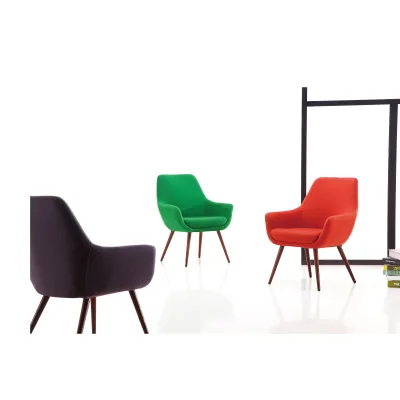


Commercial Hotel Furniture Durable Stacking Restaurant Banquet Dining Chairs
$200.00 - $800.00
MOQ: 10 Sets


Comprehensive Sourcing Guide
Stacking Modern Hotel Chair Sourcing Guide
Sourcing stacking modern hotel chairs requires a disciplined approach to balancing aesthetic versatility with structural durability. These chairs are designed for high-traffic environments such as banquet halls, wedding venues, and conference centers, where rapid reconfiguration is essential. The core appeal lies in their ability to stack efficiently, often accommodating up to seventeen units per stack, which maximizes storage space when not in use. Buyers must prioritize models that maintain stability even when fully stacked, ensuring that the center of gravity remains secure to prevent tipping during transport or storage.
The modern style typically features clean lines and minimalist designs that complement contemporary interior decor. Materials often include iron or aluminum frames, chosen for their strength-to-weight ratio and resistance to corrosion. The seating surface is usually upholstered with high-density foam or recycled foam, covered in fabrics like polyester, linen, or PU leather. This combination ensures comfort for extended periods while providing easy maintenance for hospitality staff. Understanding these material distinctions is critical for selecting chairs that meet both visual and functional requirements.
Product Scope and Observed Listing Signals
Market listings for these chairs reveal a wide price range, typically spanning from approximately $6.99 to $800 USD, reflecting significant variations in material quality and customization options. The minimum order quantity (MOQ) also varies considerably, ranging from single units for sampling to bulk orders of up to 650 pieces. This disparity indicates that suppliers cater to both small-scale boutique hotels and large event management companies. Buyers should carefully evaluate whether the listed price includes customization services, such as specific color matching or logo embossing, which can significantly impact the final cost.
Observed product attributes highlight key differentiators, such as frame material, cushion type, and finish. Common specifications include tube sizes of 20x20mm or 25x25mm, with iron thickness ranging from 0.8 to 1.4mm and aluminum from 1.6 to 2.2mm. The finish is typically achieved through oven painting or powder coating, providing a durable surface resistant to scratches and wear. Additionally, packing methods often involve bubble bags, EPE, and woven bags to protect the chairs during shipping. These details are crucial for assessing the overall value proposition and ensuring the product meets logistical requirements.
Technical Specifications to Verify
When evaluating technical specifications, buyers must verify the frame construction and metal thickness to ensure long-term durability. Iron frames are often coated with glossy oil paint or powder coating, while aluminum frames offer lighter weight and natural corrosion resistance. The choice between iron and aluminum depends on the intended use case, with aluminum being preferable for frequent transport and iron for permanent installations. Buyers should also confirm the cushion density, as high-density sponge provides better support and longevity compared to lower-quality alternatives.
Seat dimensions and stacking capacity are critical for space planning. Typical dimensions might include a width of 450mm, depth of 520mm, seat height of 460mm, and overall height of 920mm. The stacking capability, often cited as up to 17 pieces, must be verified for stability and ease of handling. Additionally, the CBM per piece, usually around 0.0425, affects shipping costs and storage efficiency. Buyers should request detailed technical drawings to confirm these measurements and ensure compatibility with existing furniture layouts and storage facilities.
Compliance and Safety Documentation
Safety and compliance are paramount in hospitality procurement, particularly regarding fire resistance and structural integrity. Upholstery fabrics and foams must meet specific fireproof standards, such as the UK BS5852 or US CA117 regulations, to ensure guest safety in case of emergencies. Buyers should request certification documents from suppliers to verify that the materials used in the cushions and covers adhere to these stringent requirements. Non-compliant materials can pose significant legal and safety risks, potentially leading to liability issues.
Additionally, certifications such as CE and ISO indicate that the manufacturer adheres to international quality and safety standards. These certifications provide assurance that the production processes and final products have undergone rigorous testing. Buyers should also inquire about warranty terms, which typically range from one to three years, covering defects in materials and workmanship. A robust warranty reflects the manufacturer's confidence in their product and provides buyers with recourse in case of premature failure or damage.
Cost Drivers and Commercial Terms
Several factors influence the final cost of stacking modern hotel chairs, including material selection, customization, and order volume. Customization options, such as specific colors or fabric patterns, often incur additional charges. The choice between iron and aluminum frames also affects pricing, with aluminum generally being more expensive due to material costs. Buyers should negotiate bulk discounts for larger orders, as economies of scale can significantly reduce the per-unit cost. Understanding these cost drivers helps in budgeting accurately and avoiding unexpected expenses.
Commercial terms, including delivery time and payment conditions, are also critical considerations. Typical delivery times are around 25 days after receiving the deposit, but this can vary based on order size and customization complexity. Buyers should clarify the packing method and quantity per carton, as this impacts shipping logistics and costs. For instance, packing 14-18 pieces per bag or 10-17 pieces per package affects the total number of containers required. Clear communication of these terms ensures smooth transaction processing and timely delivery.
Supplier Qualification and Quality Control
Selecting a reliable supplier involves thorough qualification and quality control measures. Buyers should verify the supplier's manufacturing capabilities, including their production capacity and quality assurance processes. Suppliers located in regions like Guangdong, China, often have established supply chains and expertise in furniture manufacturing. However, buyers must conduct due diligence to ensure the supplier maintains consistent quality standards across all batches. Requesting samples before placing large orders is a prudent step to assess build quality and finish.
Quality control should extend to the inspection of raw materials and finished products. Buyers should inquire about the supplier's testing procedures for structural integrity, fire resistance, and material durability. Implementing third-party inspections during production or before shipment can provide an additional layer of assurance. Establishing clear communication channels with the supplier allows for prompt resolution of any issues that arise. Building a strong relationship with a qualified supplier ensures long-term reliability and consistent product quality.
Long-Term Procurement Checks
Long-term procurement success depends on ongoing performance monitoring and relationship management. Buyers should regularly review supplier performance metrics, such as on-time delivery rates, product defect rates, and responsiveness to issues. Maintaining open communication with the supplier facilitates continuous improvement and addresses any emerging challenges promptly. Regular audits of the supplier's quality control processes can help identify potential risks before they impact the supply chain.
Additionally, buyers should stay informed about industry trends and technological advancements in furniture manufacturing. This knowledge enables proactive adjustments to procurement strategies and ensures that the selected chairs remain relevant and competitive. Evaluating the total cost of ownership, including maintenance and replacement costs, provides a comprehensive view of the investment. By focusing on long-term value rather than just initial price, buyers can secure sustainable partnerships and high-quality products that meet evolving hospitality needs.
FAQs
What materials are used for the frame of stacking modern hotel chairs?
The frames are constructed from iron or aluminium metal. Iron tubes typically range from 0.8 to 1.4mm thickness, while aluminium tubes range from 1.6 to 2.2mm. Both options provide durable support for banquet and hotel environments, ensuring stability during frequent stacking and unstacking operations.
Can stacking modern hotel chairs be customized for specific events?
Yes, customization is available for these chairs. Buyers can select from various fabric options including polyester, linen, or PU leather covers. Additionally, cushion choices like high-density foam or recycled foam allow for tailored comfort levels, ensuring the chairs meet specific aesthetic and functional requirements for weddings or banquets.
What certifications do these stacking modern hotel chairs hold?
These chairs hold CE and ISO certifications. The fabric and sponge materials also meet UK BS5852 or US CA117 fireproof standards. These certifications ensure compliance with international safety and quality regulations, making the chairs suitable for commercial hospitality venues that require strict adherence to fire safety and material standards.
How many chairs can be stacked together for efficient storage?
Up to seventeen chairs can be stacked together for efficient storage. This stacking capacity helps hotels and event venues save valuable floor space when chairs are not in use. The design ensures stability during stacking, preventing tipping and damage to the furniture while maintaining a neat and organized appearance in storage areas.
What is the typical lead time for ordering these chairs?
The delivery time is approximately twenty-five days after receiving the deposit. This lead time allows for proper manufacturing and quality control processes. Buyers should plan their procurement schedules accordingly to ensure timely delivery for upcoming events, weddings, or hotel renovations, considering the production cycle and shipping logistics involved.
What is the minimum order quantity for these stacking modern hotel chairs?
The minimum order quantity is one hundred pieces. This MOQ allows buyers to test the product quality or order small batches for specific projects. For larger orders, bulk pricing and shipping efficiencies may apply, making it a flexible option for both small event planners and large hospitality chains seeking reliable seating solutions.