Source Steel Agricultural Spreader Wheel Rim for Tractor, Trailer, Combine
Find 30 Steel Agricultural Spreader Wheel Rim options for tractors, farm trailers, and combines. Buyers can compare sizes, certifications, and fitted tire specifications to select the right rim for their machinery needs.
Key considerations
Products List


Agricultural Steel Wheel Rim for Farm Spreader, Combine Harvester, Tractor
$20.00 - $500.00
MOQ: 10 Pieces


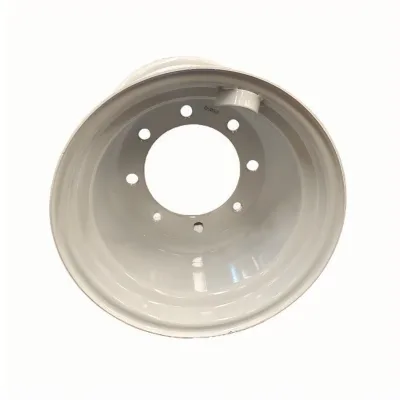


Steel Wheel Agricultural Rim Car Rims Agriculture Wheel Rim for Tractor
$15.00 - $40.00
MOQ: 100 Pieces


Comprehensive Sourcing Guide
Steel Agricultural Spreader Wheel Rim Sourcing Guide
Procuring steel agricultural wheel rims requires a disciplined approach that balances mechanical durability with regulatory compliance. These components serve as the critical interface between heavy farm machinery and the ground, bearing significant dynamic loads during transport and field operations. Buyers must prioritize structural integrity, corrosion resistance, and precise dimensional accuracy to ensure safe operation across diverse terrains. This guide outlines the essential verification steps for sourcing high-quality steel rims, focusing on technical specifications, certification requirements, and commercial terms that directly impact total cost of ownership.
The agricultural sector relies on robust wheel assemblies to support equipment such as tractors, spreaders, tankers, and chaser bins. Unlike passenger vehicle wheels, agricultural rims are designed for low-speed, high-torque applications where stability and load-bearing capacity are paramount. Sourcing decisions should be driven by an understanding of the specific machinery requirements, including axle types, tire compatibility, and operating environments. By aligning procurement strategies with these operational needs, buyers can mitigate risks associated with premature failure, safety incidents, and supply chain disruptions.
Product Scope and Observed Listing Signals
The market for steel agricultural rims encompasses a wide range of sizes and configurations tailored to specific machinery classes. Observed listings indicate a variety of rim models, including dimensions such as 9.00x15.3, 13.00x15.3, 16.00x22.5, and 20.00x22.5, alongside larger off-road variants like 20.00x26.5 and 28.00x26.5. These sizes correspond to different fitted tire specifications, ranging from 10.0/75-15.5 to 800/45-26.5, ensuring compatibility with both standard agricultural tires and specialized flotation or heavy-duty off-road tires. Buyers must verify that the selected rim model matches the exact tire profile and load index required for their equipment.
Surface finishing and customization options are significant differentiators in this category. Most observed products feature a black or painted finish, with options for silver, yellow, or white coatings to enhance corrosion resistance and visibility. Customization is widely available, allowing buyers to tailor rim designs to specific branding or functional needs. Additionally, the majority of these rims are tubeless, which simplifies maintenance and reduces the risk of sudden air loss. However, buyers should confirm whether the specific model requires a tubeless setup or if a tubed configuration is necessary for their application, as this impacts tire selection and installation procedures.
Technical Specifications to Verify
Dimensional accuracy is the most critical technical factor in wheel rim procurement. Key specifications to verify include the rim width, diameter, and wheel hub diameter, which typically ranges from less than 16 inches to 16-20 inches depending on the model. Standards such as TRA (Trailer Rim Association) and ETRTO (European Tire and Rim Technical Organisation) provide essential guidelines for ensuring compatibility between rims and tires. Buyers must cross-reference the rim’s stated model number, such as DW27X32 or W16x50, with the machinery manufacturer’s specifications to prevent mismatches that could lead to improper tire seating or unsafe operating conditions.
The spoke design and drive wheel configuration also influence performance and durability. Many agricultural rims feature equal diameter spokes, which distribute stress evenly across the wheel structure. It is important to distinguish between rims designed for front-wheel drive (FWD) and four-wheel drive (4WD) applications, as the load distribution and structural requirements differ significantly. Additionally, buyers should inspect the rim’s construction quality, ensuring that the steel material meets industry standards for tensile strength and fatigue resistance. Verifying the wheel hub diameter and bolt pattern is essential to ensure proper fitment on the axle, preventing vibration and premature wear.
Compliance and Safety Documentation
Certification is a non-negotiable aspect of sourcing agricultural wheel rims, as these components are subject to strict safety regulations. Common certifications observed in the market include ISO, DOT (Department of Transportation), TUV, and CE marks. These certifications indicate that the rims have undergone rigorous testing for structural integrity, impact resistance, and dimensional accuracy. Buyers should request valid certification documents from suppliers and verify their authenticity through the respective issuing bodies. Compliance with these standards ensures that the rims meet minimum safety requirements for use on public roads and in agricultural settings.
In addition to product certifications, buyers must ensure that the rims comply with relevant industry standards, such as ISO 9001 for quality management systems. While ISO 9001 is a background standard, its presence indicates a supplier’s commitment to consistent manufacturing processes. Buyers should also verify that the rims adhere to specific regional regulations, particularly if importing from China or other manufacturing hubs. Documentation such as material test reports, load rating certificates, and compliance declarations should be included in the procurement package to facilitate customs clearance and internal quality audits.
Cost Drivers and Commercial Terms
Pricing for steel agricultural rims varies significantly based on size, certification, and customization requirements. Observed price ranges span from $15 to $500 per unit, reflecting the diversity of products available. Larger rims, such as those for heavy-duty tractors or combines, tend to be more expensive due to increased material usage and manufacturing complexity. Buyers should consider the total cost of ownership, including shipping, tariffs, and potential replacement costs, rather than focusing solely on the unit price. Negotiating volume discounts can be effective, especially for large-scale procurement projects.
Minimum Order Quantities (MOQ) and lead times are critical commercial terms that impact supply chain planning. MOQs typically range from 1 to 200 pieces, with some suppliers requiring a minimum of 20 pieces for standard models. Lead times for production and delivery can extend from 30 to 45 days, depending on the order size and customization level. Buyers should factor in these timelines when planning inventory levels to avoid production delays. Additionally, packaging methods, such as palletized shipping, should be confirmed to ensure safe transit and minimize damage during handling.
Supplier Qualification and Quality Control
Supplier qualification is essential to ensure consistent quality and reliable delivery. Buyers should assess suppliers based on their manufacturing capabilities, quality control processes, and track record in the agricultural industry. Visiting the factory or conducting third-party audits can provide valuable insights into production standards and operational efficiency. Suppliers with ISO certifications and a history of exporting to regulated markets are generally more reliable. Buyers should also verify the supplier’s ability to handle custom orders and provide technical support for installation and maintenance.
Quality control measures should be implemented throughout the procurement process, from raw material inspection to final product testing. Buyers should request samples for initial evaluation and conduct random inspections during production. Key quality indicators include surface finish consistency, dimensional accuracy, and structural integrity. Establishing clear quality acceptance criteria in the purchase agreement can help mitigate risks associated with defective products. Regular communication with the supplier and timely feedback on any issues can foster a collaborative relationship and improve overall product quality.
Long-Term Procurement Checks
Long-term procurement success depends on continuous monitoring of supplier performance and product quality. Buyers should establish key performance indicators (KPIs) such as on-time delivery rate, defect rate, and responsiveness to issues. Regular reviews of these metrics can help identify potential problems early and allow for corrective actions. Building a diversified supplier base can also reduce dependency on a single source and provide flexibility in case of supply chain disruptions. Maintaining open lines of communication with suppliers ensures that any changes in product specifications or regulations are promptly addressed.
As agricultural technology evolves, so do the requirements for wheel rims. Buyers should stay informed about emerging trends, such as lightweight materials or advanced coating technologies, that may offer improved performance or durability. Participating in industry forums and attending trade shows can provide valuable insights into new products and best practices. By adopting a proactive approach to procurement, buyers can ensure that their agricultural equipment remains safe, efficient, and compliant with evolving standards. This strategic mindset not only enhances operational reliability but also contributes to long-term cost savings and competitive advantage.
FAQs
What certifications do these steel rims have?
These steel rims carry ISO, TUV, VIA, DOT, and CE certifications. Multiple product listings confirm these standards are available for agricultural wheel rims used on tractors and farm trailers.
Can I get custom sizes for these rims?
Yes, customization is available for these steel agricultural spreader wheel rims. Buyers can request specific dimensions like 9.00x15.3 or 16.00x22.5 to match their machinery requirements.
What is the minimum order quantity for these rims?
The minimum order quantity starts at 20 pieces for these steel rims. Some listings indicate a range from 1 to 200 units depending on the specific supplier and product configuration.
How long does delivery take for these rims?
Delivery typically takes 30 to 45 days for these steel rims. This lead time applies to orders shipped from China in pallets to international destinations.
Which tire sizes fit these rims?
These rims fit various tire sizes including 10.0/75-15.5 and 500/60-22.5. Specific models support sizes like 600/55-26.5 for heavy-duty agricultural machinery applications.
What colors are available for these rims?
Available colors include white, silver, yellow, and black finishes. The steel rims can be painted in silver, yellow, or white to meet specific visual or safety requirements.