Source Steel Automatic Steering Power Pump for Tractors Trucks Harvesters
Find and compare 30 Steel Automatic Steering Power Pump options from verified Chinese suppliers. Buyers can evaluate models like DAF105 and RD 15, review certifications including CE and ISO, and assess specifications such as working pressure and flow rate for tractor, truck, and harvester applications.
Key considerations
Products List
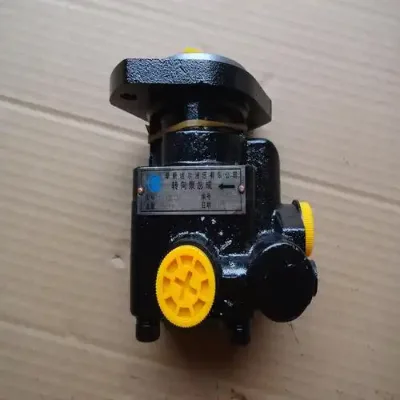


Automatic Power Steering Pump for Electric Steering Gear Pump 5710038100 57100-38100
$20.00 - $40.00
MOQ: 1 Pieces


Comprehensive Sourcing Guide
Strategic Sourcing Guide for Steel Automatic Steering Power Pumps
Understanding the Core Product and Technical Specifications
The procurement of a Steel Automatic Steering Power Pump requires a precise understanding of the underlying mechanical architecture and material composition. Based on available market data, the primary material for these units is explicitly identified as steel, which is critical for withstanding the high pressures and mechanical stresses inherent in steering systems. The product category is defined by its automatic operation, meaning the unit is designed to function without manual intervention, adjusting flow and pressure based on real-time steering demands.
Technical specifications vary significantly across different models, necessitating a careful review of the specific part numbers and dimensions. For instance, specific models such as the 81.47101.6031 and DAF105 95CF indicate distinct engineering standards. Other variants, like the 542 0008 10 1421272 series, suggest compatibility with specific heavy-duty vehicle architectures. When evaluating the physical attributes, buyers must note that working pressure is a key metric, with observed specifications reaching up to 7 Bar for certain pneumatic or hydraulic variants. The flow rate is another critical parameter; specific units demonstrate a maximum flow rate of 57 L/Min, which dictates the responsiveness of the steering system.
Dimensions and weight also play a role in the integration process. Observed weights for certain models are approximately 2.8kg, while size specifications range from standard 1/2-inch connections to broader industrial sizing profiles including 50, 63, 80, 100, 125, 160, 200, 250, 315, 400, and beyond. This wide range indicates that the product line serves both compact applications and large-scale industrial machinery. The power source is often pneumatic or hydraulic, and the functional design frequently incorporates Load Sensing (LS) technology, ensuring that the pump delivers performance comparable to established industry benchmarks such as OspcLs, M+S Hkus*, and Eaton 401-1***.
Compliance, Certification, and Regulatory Standards
In the B2B procurement of industrial components, verifying compliance is as important as the physical specifications. The market data indicates a robust set of certifications associated with these steel automatic steering power pumps. Buyers should expect to find products bearing CE, DOT, ISO, GB, API, BS, ASTM, JIS, DIN, and AISI certifications. The presence of these marks suggests that the components meet various international safety, quality, and performance standards.
The standard compliance landscape is further defined by specific model standards. Some units adhere to the "Standard" classification, while others are manufactured under OEM (Original Equipment Manufacturer) specifications. Quality management systems are often validated through ISO9001 certification, which is a critical indicator of a supplier's commitment to consistent manufacturing processes. Additionally, the observation of ISO14001 in the background suggests that some manufacturers may also adhere to environmental management standards, though this should be verified on a case-by-case basis.
When evaluating a potential supplier, procurement teams must request proof of these certifications. The specific combination of certifications can vary by model; for example, one listing includes CE, DOT, ISO, GB, API, BS, ASTM, JIS, DIN, and AISI, while another may list a slightly different subset including CE, DOT, ISO, GB, BS, ASTM, JIS, DIN, and AISI. This variation highlights the importance of matching the certification suite to the regulatory requirements of the buyer's specific region and industry. For applications involving heavy machinery like tractors, trucks, and harvesters, the API and ISO standards are particularly relevant for ensuring durability and safety under load.
Cost Drivers and Pricing Dynamics
The pricing structure for steel automatic steering power pumps is influenced by a complex interplay of factors, including material costs, manufacturing complexity, and certification requirements. The observed price range in the market spans from $0.99 to $10,000 USD. This wide disparity is not indicative of quality variance alone but rather reflects the diversity of the product line, which ranges from small, simple components to large, high-performance industrial units.
Several key drivers influence the final cost. First, the material composition is a primary factor; while steel is the standard, the grade and treatment of the steel can significantly impact price. Second, the complexity of the automatic mechanism and the precision of the internal components, such as those required for Load Sensing (LS) functionality, add to the manufacturing cost. Third, the level of customization available, such as the ability to accept a customized logo or specific packaging requirements, can alter the unit price.
The Minimum Order Quantity (MOQ) also plays a crucial role in the total cost of ownership. The observed MOQ range is between 1 and 300 units. Buyers purchasing single items or small batches may face a higher per-unit cost, while those ordering near the upper limit of the MOQ range may benefit from economies of scale. Payment terms, including options like TT, PayPal, and Western Union, can also affect the financial terms of the deal, potentially influencing the negotiated price. It is essential for buyers to request detailed quotes that break down the cost based on the specific model number, material grade, and volume to ensure accurate budgeting.
Typical Applications and Industry Fit
Steel automatic steering power pumps are versatile components designed for a wide array of heavy-duty and industrial applications. The primary use cases identified include tractors, trucks, harvesters, and special machines. These applications demand high reliability and the ability to operate under varying loads and environmental conditions. The Load Sensing (LS) function is particularly valuable in these sectors, as it allows the pump to adapt to the specific needs of the machinery, improving fuel efficiency and reducing wear on the system.
The versatility of these pumps is further evidenced by the diverse model numbers available, such as 1J0422154J and 57100-38100, which likely correspond to specific vehicle or machinery manufacturers. The ability to customize the product, including the option for a customized logo and neutral packaging, suggests that these components are often used in aftermarket replacement markets or as original equipment for various machine builders.
For buyers in the agricultural sector, the pump's ability to handle the high torque and variable speeds of tractors and harvesters is essential. In the transportation sector, the durability required for trucks is paramount. The "Special Machines" category encompasses a broad range of equipment, from construction vehicles to industrial forklifts, all of which benefit from the robust steel construction and automatic operation of these pumps. When selecting a pump, buyers should ensure that the specific model's specifications, such as the 7 Bar working pressure and 57 L/Min flow rate, align with the hydraulic requirements of their specific machinery.
Supplier Evaluation and Origin Verification
Selecting the right supplier is a critical step in the procurement process. The supply chain for these components is heavily concentrated in China, with specific origins noted in Chongqing. This regional concentration can offer advantages in terms of supply chain efficiency and cost, but it also requires rigorous due diligence. Buyers should verify the supplier's location and ensure that the "Place of Origin" matches the claimed manufacturing site.
When evaluating a supplier, the condition of the product is a key indicator of reliability. The market data consistently lists the condition as "New," which is the expected standard for these components. However, buyers must also assess the supplier's ability to provide consistent quality. The availability of customization options, such as specific packing (Box, Carton Box, 1PC/Box, Neutral Packing) and logo acceptance, indicates a supplier's flexibility and customer service orientation.
The warranty terms are another vital aspect of supplier evaluation. Most products in this category come with a 12-month warranty, with some specifying that the warranty excludes wearing parts. This distinction is important for budgeting maintenance and replacement costs. Buyers should also look for suppliers who offer "Easy Installation" features, as this reduces downtime and labor costs during the integration phase. The presence of high-quality claims, such as "High Quality" and "Same as Ospc**Ls," should be treated as observations that require independent verification through sample testing or reference checks.
Quality Control and Long-Term Procurement Considerations
Ensuring long-term reliability requires a proactive approach to quality control. The manufacturing standards, including ISO9001, provide a framework for consistent quality, but buyers must go beyond checking for certificates. The physical attributes of the product, such as the weight of 2.8kg and the specific dimensions, should be verified against the technical drawings provided by the supplier. Any deviation in these specifications could indicate a manufacturing defect or a non-compliant product.
Packaging is another critical area for quality assurance. The observed packaging options range from standard boxes to specialized cartons (1 PC/ Inner Carton, 3 PCS/ Outer Carton). Proper packaging is essential to prevent damage during transit, especially for precision components like steering pumps. Buyers should ensure that the packaging is robust enough to protect the product and that it meets any specific requirements for their logistics network.
For long-term procurement, buyers should consider the availability of spare parts and the supplier's ability to support the product lifecycle. The "Customization: Available" attribute suggests that suppliers are willing to adapt their products to specific needs, which can be beneficial for long-term partnerships. However, buyers must also be aware of the potential for obsolescence, especially with older model numbers. Establishing a relationship with a supplier who can provide consistent support and updates on new models is essential for maintaining operational continuity.
Summary of Key Procurement Parameters
To facilitate a streamlined procurement process, the following table summarizes the key parameters observed in the market for steel automatic steering power pumps. This comparison highlights the variability in specifications and helps buyers identify the critical factors for their specific needs.
| Parameter | Observed Range / Options | Critical Verification Point |
|---|---|---|
| Material | Steel, Plastic, Aluminum | Confirm steel grade for high-pressure applications. |
| Condition | New | Verify "New" status and warranty terms. |
| Warranty | 12 Months / One Year (Excl. Wear) | Clarify exclusions for wearing parts. |
| Certification | CE, DOT, ISO, GB, API, BS, ASTM, JIS, DIN, AISI | Match certifications to regional regulations. |
| Working Pressure | Up to 7 Bar | Ensure compatibility with system pressure. |
| Flow Rate | Up to 57 L/Min | Verify against hydraulic system requirements. |
| MOQ | 1 - 300 Units | Negotiate based on volume and lead time. |
| Origin | China (e.g., Chongqing) | Verify specific manufacturing location. |
| Customization | Logo, Packing, Standard | Confirm feasibility and cost implications. |
By adhering to these guidelines and focusing on the verified facts provided, buyers can navigate the complex landscape of Steel Automatic Steering Power Pump procurement with confidence. The emphasis on technical accuracy, regulatory compliance, and supplier reliability ensures that the final selection meets the demanding requirements of modern industrial and transportation applications.
FAQs
What certifications do steel automatic steering power pumps have?
These pumps typically carry CE, DOT, ISO, GB, API, BS, ASTM, JIS, DIN, and AISI certifications. Buyers should verify the specific certification suite for each model, as variations exist between listings to match regional regulatory requirements.
Where are these pumps manufactured?
The place of origin is China, with specific production noted in Chongqing. Buyers must verify the supplier's location matches the claimed origin to ensure supply chain transparency and accurate logistics planning.
What is the warranty period for these units?
Most units come with a 12-month warranty. Some listings specify that the warranty excludes wearing parts, so buyers should clarify coverage details before finalizing the purchase to avoid unexpected maintenance costs.
Can buyers customize the logo and packaging?
Yes, customization is available for logos and packaging options like boxes or cartons. Suppliers offer neutral packing or custom branding, allowing buyers to adapt the product for specific aftermarket or OEM requirements.
What is the working pressure and flow rate?
Specific models operate at a working pressure of 7 Bar with a maximum flow rate of 57 L/Min. These specifications are critical for matching the pump to the hydraulic system of tractors, trucks, or harvesters.
What materials are used in construction?
The primary material is steel, though some variants may use plastic or aluminum. Steel is preferred for high-pressure applications to withstand mechanical stress, and buyers should confirm the grade for their specific needs.
What are the minimum order quantity requirements?
The MOQ ranges from 1 to 300 units depending on the supplier and model. Buyers purchasing single items may face higher per-unit costs, while larger orders can benefit from economies of scale.