Source Steel Manual Forging Plate for Levers, Flanges, and Cylinders
Find 30 verified suppliers offering Steel Manual Forging Plate for levers, flanges, and cylinder bodies. Compare specifications including ISO 9001 certification, heat treatment options like quenching and tempering, and custom dimensions up to 50 tons per set.
Key considerations
Products List


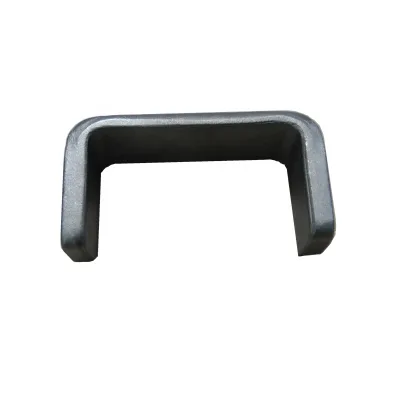


$3750.00 - $4125.00
MOQ: 1 Tons


Comprehensive Sourcing Guide
Strategic Sourcing Guide for Steel Manual Forging Plate
Understanding Technical Specifications and Material Composition
When sourcing Steel Manual Forging Plate, buyers must first establish a clear understanding of the material composition and the specific manufacturing processes that define the product's integrity. The core material for these components is typically steel, selected for its durability and mechanical properties suitable for heavy-duty hardware applications. The production of these plates often involves pressure casting and specific forging techniques, where the metal is shaped under high pressure to achieve the desired geometry. A critical aspect of the forging process is the heat treatment applied to the steel. Depending on the specific requirements of the end application, the steel may undergo tempering or quenching. These thermal processes are essential for optimizing the hardness, toughness, and residual stress distribution within the plate, ensuring it can withstand operational loads without failure.
The physical dimensions and tolerances of the forged plate are equally critical. Buyers should verify that the supplier can meet specific tolerance requirements, as the industry standard for forging tolerance can range from +/-0.1mm to +/-0.2mm. This level of precision is vital for components that must fit into larger assemblies, such as cylinder bodies or flanges. The maximum dimensions of the forging sets can be substantial, with some suppliers capable of handling unit maximum diameters up to 1.6 meters and lengths reaching 10 meters per set. Furthermore, the weight capacity for a single set can extend up to 50 tons, indicating that the sourcing strategy must account for heavy logistics and specialized handling equipment. The surface finish of the plate is another key specification; while some applications require a bright surface treatment, others may need passivation or customized surface finishes to enhance corrosion resistance or prepare the part for further machining.
Compliance, Certification, and International Standards
Navigating the complex landscape of certifications and standards is a non-negotiable step in the procurement of steel forging plates. The market offers a variety of certification frameworks that validate the quality and safety of the product. High-confidence data indicates that reputable suppliers often hold ISO 9001 certification, which demonstrates a commitment to quality management systems. Additionally, compliance with environmental and safety standards such as RoHS and CE is frequently observed, ensuring that the materials do not contain restricted hazardous substances and meet European safety requirements. For buyers operating in specific regions, certifications like SGS, BV, and various national standards including JIS, AISI, ASTM, GB, EN, and DIN are crucial.
The verification of material standards is particularly important for steel plates. The supply chain often references a broad spectrum of international standards, including AISI, ASTM, DIN, EN, GB, and JIS. These standards dictate the chemical composition, mechanical properties, and testing protocols for the steel. For instance, specific steel grades such as 304L, 2205, 1.4462, and 1.4542 are available, each offering unique properties suitable for different environmental and stress conditions. Buyers must ensure that the supplier provides documentation confirming adherence to these standards. Furthermore, the inspection process should be rigorous, covering size, chemical composition, mechanical properties, ultrasonic testing (UT), eddy current testing (ET), and hardness testing (HT). The availability of certificates such as 3.1/3.2 Material Test Certificates (MTC), Co/Fe/Fa, and reports from third-party agencies like BV or SGS provides the necessary evidence of compliance. Without these documents, the risk of receiving non-conforming material increases significantly.
Cost Drivers and Pricing Variables
The pricing structure for steel manual forging plates is influenced by a multitude of factors, making it difficult to predict a single fixed price without specific project details. The observed price range in the market is vast, spanning from $0.10 to $4,125 USD, which reflects the diversity in product complexity, size, material grade, and order volume. Several key drivers contribute to this variance. The primary cost factor is the raw material price of steel, which fluctuates based on global market conditions. The specific alloy composition, such as the difference between standard carbon steel and specialized grades like 2205 duplex stainless steel, will significantly impact the base cost.
Order volume plays a pivotal role in determining the final unit price. The Minimum Order Quantity (MOQ) can vary widely, ranging from a single piece to 2,000 units, or even 3 to 5 tons for bulk industrial orders. Suppliers often offer tiered pricing structures where the cost per unit decreases as the order volume increases. Additionally, the complexity of the forging process affects costs. Customization is a standard offering, but custom designs require additional engineering time, tooling development, and setup costs, which are passed on to the buyer. The surface treatment and heat treatment processes also add to the cost; for example, a bright surface finish or a specific passivation treatment requires extra processing steps compared to a standard finish.
Logistics and packaging are other significant cost components. The products are typically packed in wooden packages, plywood cases, or on pallets, with specific standards such as 1.11.10.8 meters per pallet. The weight of the items, which can reach 50 tons per set, necessitates specialized shipping arrangements. Buyers should also consider trade terms such as FOB, CIF, and CFR, as these dictate who bears the cost and risk during transit. Understanding these variables allows buyers to negotiate more effectively and budget accurately for their procurement needs.
Typical Applications and Industry Use Cases
Steel manual forging plates serve a wide array of applications across various industries, primarily driven by their high strength and reliability. The primary application category for these components is hardware, where they are used in critical mechanical assemblies. Specific product models and types highlight their versatility. For example, "Cylinder Body Press Alloy Steel Forging Parts" are essential in hydraulic and pneumatic systems, providing the structural integrity needed to contain high pressures. Similarly, "Forged Plate Forgings Press Forging Metal" are utilized in heavy machinery and structural frameworks where load-bearing capacity is paramount.
The product specifications reveal several distinct types of forgings, including plate forgings, cylinder forgings, and shaft forgings. These components are integral to the manufacturing of flanges, levers, and other mechanical linkages. The ability to customize the molding style and surface treatment allows these plates to be adapted for specialized uses. In the context of large-scale industrial projects, the maximum dimensions and weight capacities (up to 1.6m diameter and 50 tons) suggest their use in heavy equipment, such as shipbuilding, oil and gas infrastructure, and large-scale construction machinery. The strict quality control measures mentioned in the product attributes ensure that these parts can perform reliably in demanding environments, making them suitable for sectors where failure is not an option.
Supplier Evaluation and Selection Criteria
Selecting the right supplier for steel manual forging plates requires a rigorous evaluation process that goes beyond price comparison. Buyers should prioritize suppliers who demonstrate a clear commitment to quality and transparency. The presence of high-quality certifications, such as ISO 9001, RoHS, and CE, is a strong indicator of a supplier's reliability. However, buyers must verify these certifications directly and ensure they are current and applicable to the specific products being ordered. The supplier's ability to provide comprehensive inspection reports, including size, chemical, mechanical, UT, ET, and HT results, is another critical evaluation point.
The supplier's production capabilities should be assessed against the buyer's specific requirements. This includes verifying their capacity to handle the required dimensions, such as unit maximum diameters of 1.6 meters and lengths of 10 meters. The supplier's experience with different heat treatment processes, such as tempering and quenching, and their ability to achieve tight tolerances of +/-0.1mm or +/-0.2mm, should be confirmed. Additionally, the supplier's flexibility in customization is a valuable asset. The availability of customization options allows buyers to tailor the product to their exact specifications, which is often necessary for unique applications.
The supplier's logistics and packaging capabilities are also important. The use of wooden packages, plywood cases, or pallets must be verified to ensure the safety of the goods during transit, especially for heavy items weighing up to 50 tons. The supplier's adherence to trade terms like FOB, CIF, and CFR should be clear to avoid any misunderstandings regarding shipping responsibilities. Finally, the supplier's reputation for strict quality control and their ability to provide third-party verification through agencies like SGS or BV should be a key factor in the selection process.
Quality Control and Inspection Protocols
Ensuring the quality of steel manual forging plates is paramount to the success of any procurement project. A robust quality control (QC) protocol should be established from the initial design phase through to the final delivery. The inspection process must be comprehensive, covering multiple dimensions of the product. Buyers should insist on inspections that include size verification, chemical analysis, and mechanical testing. Non-destructive testing methods such as Ultrasonic Testing (UT), Eddy Current Testing (ET), and Hardness Testing (HT) are essential for detecting internal flaws and ensuring the material's integrity.
The supplier's quality management system should be aligned with international standards, such as ISO 9001. This ensures that the supplier has a systematic approach to maintaining quality throughout the production process. The availability of detailed Material Test Certificates (MTC), specifically types 3.1 and 3.2, provides a traceable record of the material's properties and compliance with specified standards. These certificates should be issued by the manufacturer and, where required, verified by third-party inspection agencies like BV or SGS.
Buyers should also evaluate the supplier's ability to handle custom surface treatments and heat treatments. The consistency of the surface finish, whether bright, passivated, or customized, must be maintained across all units in an order. The tolerance levels, typically ranging from +/-0.1mm to +/-0.2mm, must be strictly adhered to. Any deviation from these tolerances can lead to assembly issues or premature failure in the field. Therefore, the supplier's QC protocols must include rigorous in-process inspections and final acceptance testing to ensure that every plate meets the required specifications before shipment.
Long-Term Procurement Considerations and Relationship Management
Sourcing steel manual forging plates is not just a one-time transaction but a long-term strategic partnership. Buyers should consider the supplier's ability to scale production and maintain consistency over time. The flexibility to handle varying order volumes, from single pieces to bulk orders of 3 to 5 tons, is a significant advantage for buyers with fluctuating demand. The supplier's capacity to customize products and adapt to changing design requirements ensures that the procurement process remains agile and responsive to market needs.
Long-term relationships with suppliers can lead to better pricing, priority production scheduling, and improved communication. Buyers should foster open communication channels with their suppliers to discuss potential improvements in quality, cost reduction, and process optimization. The supplier's commitment to strict quality control and their willingness to provide detailed documentation and third-party verification build trust and reduce the risk of supply chain disruptions.
Furthermore, buyers should consider the environmental and sustainability aspects of their procurement. Suppliers who adhere to standards like RoHS and CE demonstrate a commitment to environmental responsibility. The use of sustainable packaging materials and efficient logistics practices can also contribute to a more sustainable supply chain. By focusing on these long-term considerations, buyers can build a resilient and efficient procurement strategy that supports their business goals and ensures the reliable supply of high-quality steel manual forging plates.
FAQs
What certifications do steel manual forging plates typically have?
Products typically hold ISO 9001, RoHS, and CE certifications. Some suppliers also provide JIS, AISI, ASTM, GB, EN, and DIN standards along with SGS verification. These documents confirm compliance with international quality and safety requirements for steel components.
Can I customize the surface treatment for these forging parts?
Yes, surface treatment is available as a customization option. Buyers can request specific finishes such as passivation or bright surfaces depending on application needs. The supplier offers tailored solutions to meet distinct corrosion resistance or aesthetic requirements for the final product.
What is the maximum weight capacity for a single forging set?
The unit maximum weight can reach up to 50 tons per set. This capacity supports heavy industrial applications requiring substantial load-bearing components. Buyers should verify specific weight limits with the manufacturer to ensure logistics and handling equipment are adequate for the order size.
Which standards govern the material composition of these steel plates?
Materials comply with standards including AISI, ASTM, DIN, EN, GB, and JIS. Specific grades like 304L, 2205, and 1.4462 are available to suit different environmental conditions. These standards dictate the chemical composition and mechanical properties required for high-quality steel forging applications.
How is the forging tolerance defined for these metal parts?
Forging tolerance is specified as either plus or minus 0.1mm or plus or minus 0.2mm depending on the product. This precision ensures components fit accurately into larger assemblies like cylinder bodies or flanges. Buyers must confirm the required tolerance level before placing an order.
What inspection methods are used to verify product quality?
Inspection covers size, chemical composition, mechanical properties, ultrasonic testing, eddy current testing, and hardness testing. Suppliers provide 3.1 or 3.2 Material Test Certificates to validate these results. Third-party agencies like SGS or BV may also verify the inspection data for added assurance.
What packaging options are available for shipping these heavy parts?
Products are packed in wooden packages, plywood cases, or on pallets. Specific pallet dimensions can be 1.1 by 1.1 by 0.8 meters. This packaging ensures the safety of heavy items during transit, especially for orders reaching up to 50 tons per set.