Source Street Legal Electric Car with Air Conditioner for Resorts
Explore 30 listings for a Street Legal Electric Car with Air Conditioner designed for resorts, tourist areas, and private estates. Buyers can compare specifications like speed, range, and seating capacity to find the right vehicle for their needs; compare the available evidence and request quotations based on your requirements.
Key considerations
Products List


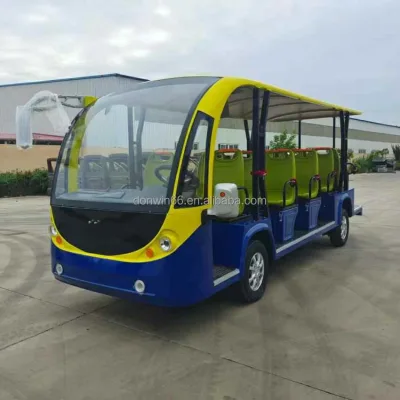
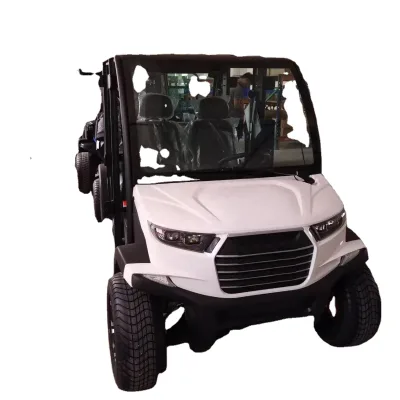
Electric UTV Closed Style with Air Conditioner Street Legal Golf Cart
$3000.00 - $4000.00
MOQ: 2 Pieces


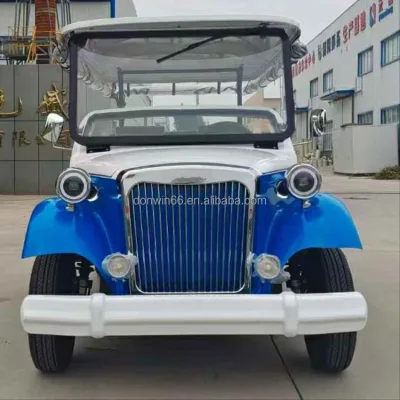



72V Customized Street Legal Drive Electric with 4 Seats Certified Golf Car
$1100.00 - $2500.00
MOQ: 1 Pieces

4 Wheel Electric Mini Car and Electric Car Street Legal Electric Cars
$2200.00 - $2400.00
MOQ: 1 Pieces

4 Wheel Electric Mini Car and Electric Car Street Legal Electric Cars for Adult
$2200.00 - $2400.00
MOQ: 1 Pieces


4 Wheel Electric Mini Car and Electric Car Street Legal Electric Cars
$2180.00 - $3499.00
MOQ: 5 Pieces

4 Seats Electric Vehicle Car with Air Condition Electric Automobile Car
$2288.00 - $2988.00
MOQ: 1 Unit/Units


LHD & Rhd, High & Low Speed EEC Certified Electric Car with Air-Conditioning
$6800.00 - $8980.00
MOQ: 24

220 Km & 290 Km, High Speed & Low Speed, Electric Car with EEC Certification
$6800.00 - $8980.00
MOQ: 24

High Speed & Low Speed, 2 Seats Mini Car with Air-Conditioner at a Low Price
$5480.00 - $6980.00
MOQ: 24

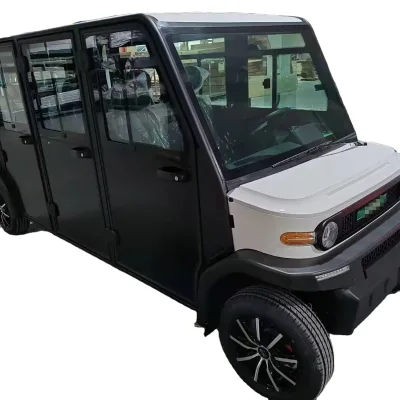


High Speed Electric Car with High Performance Four Wheel Electric Car
$12000.00 - $20000.00
MOQ: 1 Sets
Comprehensive Sourcing Guide
Street Legal Electric Car with Air Conditioner Sourcing Guide
Procuring a street-legal electric vehicle equipped with climate control requires careful navigation of regulatory landscapes and technical specifications. Buyers must first determine if the target market classifies the vehicle as a low-speed vehicle, a neighborhood electric vehicle, or a full passenger car, as this distinction dictates the necessary certifications and safety features. The presence of an air conditioning system adds significant electrical load, requiring robust battery management and thermal regulation systems that are not always standard in basic utility carts.
This guide focuses on sourcing vehicles that align with observed market data, including models from brands like Donwin and Lvtong, which often feature 48V electrical systems and specific seating configurations. Understanding the intersection of "street legal" status and "air conditioning" availability is critical, as many low-speed electric cars lack the power infrastructure for efficient cooling. Buyers should prioritize suppliers who provide clear documentation on how their vehicles meet local roadworthiness standards while maintaining passenger comfort through integrated HVAC solutions.
Product Scope and Observed Listing Signals
The current market for electric utility vehicles shows a wide price range, typically observed between $1,100 and $20,000 USD, reflecting variations in build quality, battery capacity, and regulatory compliance levels. Minimum order quantities (MOQ) generally range from one to twenty-four units, allowing for both single-unit trials and larger fleet deployments. Listings frequently highlight customization options, including logo support and seat configurations, which cater to specific operational needs such as tourist areas, resorts, or private communities.
Observed product attributes indicate a strong presence of 48V battery systems with charging times of six to eight hours, providing a driving range of approximately 80 to 100 kilometers. Vehicle dimensions vary, with some models measuring around 5228x1570x1950mm, while others are more compact at 2020x1290x1610mm. These physical specifications directly impact the feasibility of installing air conditioning units, as larger cabins with better insulation retain cooled air more effectively. Buyers should verify if the listed "street legal" status applies to their specific jurisdiction, as definitions vary significantly between regions.
Technical Specifications to Verify
Technical verification must begin with the electrical architecture, particularly the battery voltage and controller specifications. Many observed models utilize a 48V system with controllers rated between 350A and 350-350A, paired with five 12V batteries. This configuration supports basic propulsion but may struggle to power an air conditioning compressor without significant voltage sag or reduced range. Buyers should confirm the amperage capacity of the controller and the total energy storage to ensure the HVAC system can operate without compromising the vehicle's primary mobility functions.
Performance metrics such as gradeability and maximum speed are also critical for operational suitability. While some listings claim gradeability greater than 30%, others specify 15% or less, indicating different motor torque capabilities. Maximum speeds vary from under 30 km/h to 45 km/h, which influences the vehicle's classification in many jurisdictions. Additionally, braking systems typically feature front disc and rear disc brakes, sometimes supplemented by hand brakes. Ensuring these mechanical systems are robust enough to handle the additional weight of an air conditioning unit is essential for safe operation on public roads.
Compliance and Safety Documentation
Regulatory compliance is the most complex aspect of sourcing street-legal electric vehicles. Buyers must verify that the supplier holds relevant certifications such as CE, DOT, or EEC, depending on the destination market. These certifications indicate that the vehicle meets specific safety, electromagnetic compatibility, and environmental standards. However, certification alone does not guarantee street legality; buyers must cross-reference these documents with local transportation authority requirements, which may demand additional features like seatbelts, mirrors, lights, and VIN registration.
Safety features observed in listings include four-wheel disc brakes and specific ground clearance measurements, such as 290mm minimum clearance. These attributes contribute to overall vehicle stability and safety but do not replace the need for comprehensive safety audits. Buyers should request detailed test reports for braking distance, rollover stability, and electrical insulation resistance. Furthermore, the inclusion of an air conditioning system must not compromise the structural integrity or electrical safety of the vehicle, requiring verification of proper grounding and thermal protection mechanisms.
Cost Drivers and Commercial Terms
The total cost of ownership is influenced by several factors, including battery type, cabin insulation, and the complexity of the air conditioning system. Vehicles with higher load capacities, such as those rated for 1000kg, often require more robust chassis components, increasing the base price. The observed price range of $1,100 to $20,000 USD reflects these variations, with higher-end models offering better build quality, longer warranties, and more advanced climate control options. Buyers should analyze the cost-benefit ratio of upgrading from a basic utility cart to a fully enclosed, air-conditioned street-legal model.
Commercial terms such as packing and shipping logistics also impact the final landed cost. Some suppliers pack seven units in a 20-foot container or fourteen in a 40-foot high cube container, optimizing freight efficiency. Buyers should negotiate clear terms regarding warranty coverage, spare parts availability, and after-sales support. Additionally, customization fees for logos or specific seat configurations should be itemized to avoid hidden costs. Understanding the MOQ and unit price structure helps in budgeting for fleet expansion while maintaining consistent quality across all units.
Supplier Qualification and Quality Control
Supplier qualification requires a thorough assessment of manufacturing capabilities and quality control processes. Buyers should verify the supplier's place of origin, with many manufacturers located in Henan or Guangdong, China, regions known for electric vehicle production. It is essential to confirm that the supplier has experience in producing street-legal vehicles, not just off-road utility carts. Requesting factory audits or third-party inspection reports can provide insights into their assembly line standards, testing procedures, and consistency in producing vehicles with integrated air conditioning systems.
Quality control should extend to the final product inspection, focusing on electrical connections, HVAC functionality, and body panel alignment. Buyers should specify acceptance criteria for noise levels, cooling efficiency, and battery performance under load. Establishing a clear communication channel for addressing defects or performance issues is crucial. Suppliers who offer OEM services, such as Lvtong, may have more flexible production lines but require stricter quality agreements to ensure that customized features meet the buyer's specifications. Regular quality checks during production can prevent costly delays and ensure that each vehicle meets the required standards.
Long-Term Procurement Checks
Long-term procurement success depends on the availability of spare parts and technical support. Buyers should ensure that the supplier provides a comprehensive list of consumable parts, such as brake pads, tires, and battery cells, along with estimated lifespans. The 48V battery system, while common, may require specialized maintenance or replacement after several years. Establishing a supply chain for these parts is vital to minimize vehicle downtime and maintain operational efficiency over the vehicle's lifecycle.
Additionally, buyers should monitor regulatory changes that may affect the street-legal status of their fleet. As governments update low-speed vehicle regulations, existing vehicles may need modifications to remain compliant. Suppliers who stay updated with these changes can provide retrofitting solutions or upgrade packages. Building a long-term partnership with a reliable supplier ensures access to the latest technology and compliance updates. Regular reviews of vehicle performance and maintenance records can help identify trends and proactively address potential issues before they impact operations.
FAQs
Can I customize the logo on these electric cars?
Yes, logo customization is available for these electric vehicles. Buyers can request specific branding to align with their corporate identity or tour operator requirements. This service allows for distinct visual identification across fleets, supporting brand visibility in tourist areas or private resorts without compromising the vehicle's core electric performance.
What certifications do these electric cars hold?
These electric cars hold CE, DOT, and EEC certifications, ensuring compliance with various international safety and regulatory standards. Some models also feature ISO certification. These credentials verify that the vehicles meet essential quality and safety benchmarks, making them suitable for legal operation in multiple global markets and tourist destinations.
What is the maximum speed of these electric cars?
The maximum speed varies by model, with some reaching up to 45 km/h while others are limited to 30 km/h. This range allows operators to select vehicles suitable for low-speed resort environments or slightly faster street-legal applications. The speed is optimized for safety and efficiency in controlled tourist areas.
How many seats do these electric cars typically have?
Seating capacity ranges from 3 to 19 seats, with common configurations including 5-11 seats or specific 6-19 seat layouts. Customization is available to meet specific group transport needs. This flexibility supports various use cases, from small family tours to larger shuttle services in resorts or designated tourist zones.
What is the driving range of these electric cars?
The driving range is typically between 80 and 100 km on a single charge. This range is supported by a 48V battery system that requires 6-8 hours to fully charge. It provides sufficient operational distance for daily resort tours or short-distance transport tasks without frequent recharging interruptions.
Where are these electric cars manufactured?
These electric cars are manufactured in China, specifically in regions like Henan and Guangdong. This origin supports competitive pricing and established supply chains for global buyers. The manufacturing base ensures consistent production quality and availability for international orders, facilitating efficient logistics and sourcing for worldwide distribution networks.