Source Streak-Free Quiet Wiper Blades for Car, Bus, and Truck
Explore 30 options for Streak-Free Quiet Wiper Blades suitable for cars, city buses, coaches, and trucks. Buyers can compare models like S702 and S880, noting features such as boneless designs and various sizes to find the right fit for their fleet needs.
Key considerations
Products List


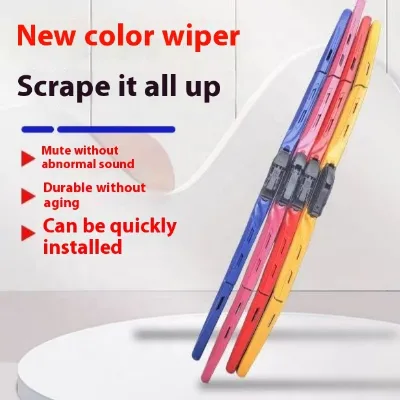


Customize Wiper Blades Variety Windshield Wiper Blade Refurbish Restorer Windscreen
$0.50 - $5.00
MOQ: 1000 Pieces


Comprehensive Sourcing Guide
Strategic Sourcing Guide for Streak-Free Quiet Wiper Blades
Procuring wiper blades that deliver a streak-free and quiet performance requires a rigorous understanding of the intersection between material science, mechanical design, and supply chain reliability. In the global automotive aftermarket, the demand for high-performance wiping systems has intensified as vehicle manufacturers prioritize driver visibility and acoustic comfort. Buyers must navigate a complex landscape where product attributes vary significantly between traditional and modern designs. This guide provides a structured approach to evaluating suppliers, verifying technical specifications, and ensuring that the sourced components meet the stringent requirements for noise reduction and clarity.
Technical Specifications and Design Architecture
The foundation of a quiet and streak-free wiper blade lies in its structural design and the materials selected for the frame and blade element. The market currently presents a dichotomy between traditional batch types and modern flat designs. Traditional batch types often utilize a metal or composite frame with multiple pressure points, whereas flat designs, often described as "soft wiper blades," distribute pressure more evenly across the windshield. The presence or absence of a bone structure is a critical differentiator. Products listed in the current supply data indicate options for both "With Bone" and "Without Bone" configurations. The "Without Bone" or flat design is generally preferred for achieving a quieter operation, as it reduces the vibration and chatter often associated with multi-jointed metal frames.
Material composition is equally vital. The supplied data highlights a range of materials including "Full Rubber," "Carbon Metal," and "Zinc Alloy." For the specific goal of a streak-free finish, the rubber compound is the primary determinant. High-quality rubber must maintain flexibility across a wide temperature range to conform to the curvature of the windshield without tearing or leaving residue. The "Full Rubber" designation suggests a construction where the wiping element is a single, continuous piece, which can enhance contact consistency. Conversely, "Carbon Metal" or "Zinc Alloy" components likely refer to the structural frame or arm connectors. While these materials offer durability, the interface between the metal frame and the rubber blade must be engineered to prevent noise.
The sweep angle is another technical parameter that directly impacts performance. Data indicates sweep angles ranging from 80° to 135°. A wider sweep angle, such as 135°, typically covers a larger area of the windshield, which is beneficial for visibility but requires precise engineering to ensure the blade does not lift or skip at the edges of the arc. The "Double Side" range attribute suggests that certain models are designed to wipe on both the upstroke and downstroke, a feature that can contribute to a cleaner surface but places higher demands on the friction coefficient of the rubber. Buyers should verify that the specific model number, such as S702, S880, or 85242-12090, corresponds to the intended vehicle application, as mismatched sweep angles can lead to incomplete wiping and streaking.
Compliance, Certification, and Quality Standards
In the automotive sector, compliance is not merely a formality but a prerequisite for market entry and liability protection. When sourcing wiper blades, buyers must verify that suppliers hold recognized quality management certifications. The supply data explicitly mentions the "ISO/Ts16949:2009" certification. This standard is specific to the automotive industry and focuses on quality management systems that ensure consistent product quality and continuous improvement. A supplier holding this certification demonstrates a commitment to the rigorous processes required for automotive components. However, buyers should not assume that every listed product automatically satisfies this standard; verification of the specific manufacturing facility's current status is essential.
Beyond certification, the physical standards of the product must be validated. The data references a "Full size" standard and specific dimensional standards such as "70X5.5X2.5cm." These dimensions likely refer to the packaging or the specific profile of the blade assembly. For a "streak-free" claim to be credible, the blade must meet strict tolerances regarding its length and curvature. The observed size specifications, including 22" and 24" variants, indicate that the market offers a range of lengths suitable for different vehicle types. Buyers must ensure that the ordered model number matches the vehicle's specific requirements to avoid gaps in coverage that result in streaks.
Quality claims in the supply data are described as "High Level," and features are listed as "No Noise, Clear, Perfect Performance." While these are positive indicators, they are observations rather than guaranteed test results for every unit. Buyers should request third-party test reports or performance data that specifically quantify noise levels in decibels and streaking metrics under various weather conditions. The absence of specific numerical test data in the general product descriptions necessitates a proactive approach where the buyer defines the acceptance criteria before placing an order.
Cost Drivers and Pricing Dynamics
Understanding the cost structure of wiper blades is crucial for effective procurement. The observed price range in the market spans from $0.20 to $15.00 USD. This wide variance is driven by several factors, including the complexity of the design, the quality of the rubber compound, and the inclusion of specialized adapters. A blade priced at the lower end of the spectrum may utilize a simpler metal frame and standard rubber, whereas a premium product in the $15 range likely features a carbon-infused rubber compound, a boneless flat design, and a comprehensive set of interchangeable adapters.
The Minimum Order Quantity (MOQ) is another significant cost driver. The observed MOQ range extends from 1 unit to 100,000 units. For buyers with smaller volume requirements, the unit cost will be higher due to the fixed costs of setup and logistics. Conversely, large-volume buyers can leverage economies of scale to reduce the per-unit cost. The data indicates a specific MOQ of 100 PCS for certain items, which serves as a benchmark for small to medium enterprises. Buyers must calculate the total landed cost, including shipping and duties, rather than focusing solely on the unit price. The choice of packaging, such as "Color Box," "Cowhide Case," or "Blister Box," also influences the final cost, as premium packaging adds value for retail but increases the procurement budget.
Typical Applications and Vehicle Compatibility
The application of wiper blades varies significantly depending on the vehicle type. The supply data lists applications for "Car," "City Bus," "Coach," "Trucks," and "Engineering Vehicle." This diversity implies that the sourcing strategy must be segmented. A wiper blade designed for a passenger car may not withstand the vibration and speed of a heavy-duty truck or the specific mounting requirements of a city bus. The "Part" attribute distinguishes between "Wiper Blade" and "Wiper Arm," indicating that some suppliers offer complete assemblies while others sell components separately.
For commercial vehicles like coaches and trucks, the durability and resistance to harsh environmental conditions are paramount. The "Full Rubber" and "Carbon Metal" materials mentioned in the data are likely suited for these heavy-duty applications. In contrast, passenger cars may prioritize the "No Noise" feature and the aesthetic appeal of the "Black" color finish. The "Multifunctional Flat Soft Wiper Blade" with "Interchangeable Adapters" is particularly versatile, as it can be adapted to fit various vehicle models, reducing the need for buyers to stock multiple SKUs. However, buyers must verify the compatibility of the adapters with the specific vehicle fleet they serve to ensure a secure fit and optimal performance.
Supplier Evaluation and Operational Capabilities
Evaluating a supplier involves more than just reviewing product specifications; it requires an assessment of their operational capabilities and logistical reliability. The supply data indicates origins in "Hebei, China" and "Ningbo," two major manufacturing hubs. While these locations suggest a robust supply chain, buyers should verify the specific factory's capacity and history. The "Customization" attribute being "Available" is a significant advantage for buyers with unique requirements, such as specific branding or non-standard dimensions. However, customization often extends lead times and requires closer collaboration with the supplier.
Logistics and delivery timelines are critical components of supplier evaluation. The data specifies a "Performance Delivery Detail" of "15-20 Days Upon Receipt of Advance Payment." This lead time is a standard benchmark, but buyers must confirm if this applies to all product lines or only specific models. Transportation options include "by Sea," "by Air," and "by Express," offering flexibility based on urgency and budget. For time-sensitive orders, air freight may be necessary, despite the higher cost. The "Warranty" of "1 Year" is a standard offering, but buyers should clarify the terms of the warranty, including what constitutes a defect and the process for claims.
Quality Control and Long-Term Procurement Strategy
Implementing a robust quality control (QC) process is essential to ensure that the "streak-free" and "quiet" attributes are consistently met. Buyers should establish a sampling plan that includes visual inspections for defects in the rubber and frame, as well as functional testing on a vehicle or a testing rig. The "Packaging Details" listed, such as "Color Box," "Bare Packing," and "Blister Card," suggest that different packaging options may affect the protection of the product during transit. Damaged packaging can lead to premature degradation of the rubber, resulting in streaking.
Long-term procurement considerations involve building a relationship with suppliers who can provide consistent quality and support. The "High Level" quality claim should be backed by a track record of on-time delivery and responsiveness to issues. Buyers should also consider the environmental impact of the materials used, as sustainability is becoming an increasingly important factor in automotive sourcing. The "Zinc Alloy" and "Carbon Metal" components should be sourced from suppliers who adhere to environmental regulations. Finally, buyers should maintain a buffer stock of critical spare parts to mitigate the risk of supply chain disruptions, ensuring that their fleet or retail customers are never without essential wiper blades.
| Feature Category | Observation from Data | Buyer Verification Requirement |
|---|---|---|
| Design Type | Traditional Batch, Flat Soft | Confirm bone structure (With/Without) for noise reduction. |
| Material | Full Rubber, Carbon Metal, Zinc Alloy | Verify rubber compound flexibility and metal corrosion resistance. |
| Certification | ISO/Ts16949:2009 | Request current certificate copy and audit reports. |
| Dimensions | 22", 24", 70X5.5X2.5cm | Match model number to vehicle windshield curvature. |
| Sweep Angle | 80°, 120°, 135° | Ensure angle matches vehicle wiper arm geometry. |
| Lead Time | 15-20 Days | Confirm if this applies to customized orders. |
| Warranty | 1 Year | Clarify defect coverage and claim process. |
By adhering to these guidelines and maintaining a disciplined approach to verification, buyers can secure a supply of wiper blades that deliver the promised performance of being streak-free and quiet, while minimizing the risks associated with procurement in a complex global market.
FAQs
How can I ensure streak-free and quiet performance?
Select flat soft wiper blades without a bone structure to reduce vibration and noise. Verify the rubber material is full rubber for consistent contact and check for ISO/Ts16949:2009 certification to ensure quality standards are met.
Which materials provide the best durability for trucks?
Full rubber and carbon metal materials are suitable for heavy-duty applications like trucks and engineering vehicles. These materials offer the necessary flexibility and strength to withstand harsh conditions while maintaining a quiet operation.
Can I find wiper blades with specific sweep angles?
Yes, available models offer sweep angles ranging from 80° to 135° to cover different windshield areas. Ensure the selected angle matches your vehicle type, such as cars or city buses, for optimal visibility and coverage.
What is the typical lead time for these products?
The standard delivery detail is 15 to 20 days upon receipt of advance payment. This timeline applies to most orders, though customization or specific packaging requests may require additional coordination with the supplier.
How do I verify the supplier's quality certification?
Look for the ISO/Ts16949:2009 certification which is specific to the automotive industry. This standard ensures the manufacturer follows rigorous quality management processes to deliver high-level performance and consistent product reliability.
What packaging options are available for retail?
Suppliers offer various packaging including color boxes, blister boxes, and cowhide cases. Choose packaging that protects the blade during transit while meeting your retail presentation needs, such as bare packing for bulk shipments.
Can I customize the wiper blade specifications?
Customization is available for buyers with unique requirements regarding size or adapters. Confirm the specific model number and dimensions, such as 22-inch or 24-inch sizes, to ensure the customized product fits your vehicle fleet.