Source Strong UV-Resistant Automotive Acrylic Paint for Cars, Trucks, and Motorcycles
Find 30 listings for strong UV-resistant automotive acrylic paint suitable for cars, trucks, and motorcycles. Buyers can compare specifications, certifications, and pricing to identify suitable suppliers for vehicle repair and coating needs.
Key considerations
Products List




Comprehensive Sourcing Guide
Strategic Sourcing Guide for Strong UV-Resistant Automotive Acrylic Paint
Procuring high-performance automotive coatings requires a disciplined approach that balances technical performance with supply chain reliability. For buyers specifically targeting strong UV-resistant automotive acrylic paint, the selection process must begin with a rigorous understanding of the product's chemical composition and its intended application environment. The core material identified in the market is acrylic, which serves as the primary film-forming matter. This base material is critical because it dictates the paint's durability, adhesion properties, and resistance to environmental degradation. When sourcing these materials, buyers must recognize that "acrylic" is a broad category, and the specific formulation determines whether the paint will meet the stringent requirements of automotive applications, particularly regarding UV resistance and color retention.
Technical Specifications and Formulation Analysis
The technical profile of the product is defined by several key attributes that influence its performance on the vehicle surface. The primary raw material is acrylic, which functions as the film-forming matter. This composition is essential for achieving the desired "High Solid" appearance, a characteristic often associated with premium automotive finishes that offer better coverage and a thicker protective layer. The paint is available in various forms, including liquid states, and is designed to function as either a finish coat or a basecoat depending on the specific series selected.
A critical technical differentiator for this product category is its formation mechanism, which is identified as "Conversion Type." This implies that the paint undergoes a chemical reaction during the curing process, resulting in a cross-linked polymer structure that enhances hardness and chemical resistance. The product is engineered to provide specific film properties, including "Antiseptic Paint" capabilities and "Heat-Resisting Paint" characteristics, which are vital for components exposed to engine heat or harsh environmental conditions. Furthermore, the paint offers a range of gloss levels, from "Matt" and "Satin" to "Glossy" and "High Glossy," allowing for customization based on the aesthetic requirements of the vehicle.
The functional capabilities of the paint extend to "Anti UV-Rays" protection, a non-negotiable feature for automotive applications where prolonged sun exposure can lead to fading and chalking. The product also boasts "Strong Resistance" as a key advantage, suggesting robust performance against abrasion and environmental stressors. The coverage capabilities are versatile, supporting "Spot," "Panel," and "Overall Repair" applications, which makes the product suitable for both manufacturing lines and repair shops. The drying method is listed as "Drying," and the spray rate is noted to be "Above 99%," indicating high efficiency in application and minimal waste.
Compliance and Certification Verification
In the B2B automotive sector, compliance is not merely a formality but a prerequisite for market access and liability protection. Buyers must verify that suppliers hold valid certifications that align with international standards. The observed market data indicates that products often carry certifications such as ISO 9001:2008, ISO TS 16949, and ISO 14001. These certifications are crucial; ISO 9001:2008 confirms the supplier's quality management systems, while ISO TS 16949 is specifically tailored for the automotive industry, ensuring that the manufacturing process meets the rigorous demands of automotive OEMs. ISO 14001 addresses environmental management, which is increasingly important for global supply chains.
Additionally, environmental and safety certifications such as RoHS (Restriction of Hazardous Substances) and CCC (China Compulsory Certification) are frequently observed. These certifications ensure that the paint does not contain restricted hazardous materials and meets local safety standards. For buyers operating in the global market, the presence of these certifications is a strong indicator of a supplier's commitment to quality and regulatory compliance. However, it is important to note that certification status can vary by specific product model or batch. Therefore, procurement teams should request current, valid certificates for the specific SKUs being ordered rather than relying on general company claims. The product origin is primarily located in Guangdong, China, including specific cities like Guangzhou and Dongguan, which are known hubs for chemical manufacturing. Buyers should verify that the specific facility holding the certification is the one producing the goods.
Cost Drivers and Pricing Dynamics
Understanding the cost structure of automotive acrylic paint is essential for budgeting and negotiation. The observed price range in the market spans from 0.3 to 70 USD, a wide variance that reflects differences in product specifications, packaging, and volume. Several factors drive these costs. First, the "High Solid" nature of the paint and its advanced "Anti UV-Rays" functionality likely command a premium over standard coatings. Second, the packaging format significantly impacts the unit price. Products are available in various standard sizes, including 1L, 3.75L, 400ml cans, and bulk containers up to 50L. The "Roch Series" and "Nottaway Series" may have different pricing tiers based on their specific formulations and target applications.
The Minimum Order Quantity (MOQ) is another critical cost driver. The observed MOQ range is extensive, from as low as 1 unit to as high as 29,740 units. For buyers requiring small batches for prototyping or repair, an MOQ of 1-3000 pieces might be feasible, though the unit cost will be higher. Conversely, large-scale procurement can leverage economies of scale, but buyers must be prepared to meet higher volume commitments. The "MOQ: 3000PCS" noted for certain models suggests that some specialized products, such as the "Removable Car Paint," have specific volume thresholds. Buyers should also consider the "Mix: as TDS" (Technical Data Sheet) requirement, which may involve additional costs for custom color matching or formulation adjustments.
Typical Applications and Substrate Compatibility
The versatility of automotive acrylic paint allows it to be applied to various substrates, though the primary targets are steel and iron. The product is explicitly listed as suitable for "Steel" and "Iron" substrates, making it ideal for chassis components, body panels, and structural parts of vehicles. The application methods are equally diverse, supporting both "Brush" and "Spray" techniques. This flexibility is advantageous for different stages of production and repair. For instance, spray application is preferred for large surface areas to ensure a uniform finish, while brush application might be used for touch-ups or intricate areas.
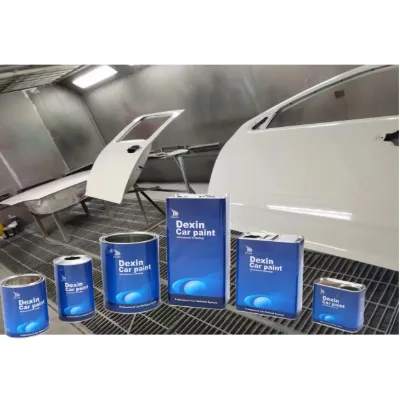
The product is designed for "Car Paint" applications, covering a wide range of needs from initial manufacturing to maintenance. The "Removable Car Paint" variant offers unique functionality with "Removable & Decorative" features, suitable for temporary branding or aesthetic changes. The color options include "Gray," "Red," "Blue," and "Black," providing a standard palette for most automotive needs. The "Coverage" capabilities, ranging from spot repairs to overall panel painting, make this product suitable for both OEM assembly lines and aftermarket repair shops. The "Gloss" options allow for customization to match specific vehicle models or customer preferences, ensuring that the final aesthetic meets the required standards.
Supplier Evaluation and Quality Assurance
Evaluating a supplier for automotive paint requires a multi-faceted approach that goes beyond price comparisons. Buyers should prioritize suppliers who demonstrate a clear understanding of the "Conversion Type" formation mechanism and can provide detailed Technical Data Sheets (TDS) for each product. The ability to offer "Customization" is a significant differentiator, allowing buyers to tailor the paint to specific vehicle models or environmental conditions. Suppliers should be able to provide samples, as "Free" samples are noted in the market, enabling buyers to test the paint's performance on actual substrates before committing to large orders.
Quality control is paramount in the automotive industry. Buyers must verify that the supplier has a robust quality management system, evidenced by ISO 9001:2008 and ISO TS 16949 certifications. The "Spray Rate: Above 99%" is a specific performance metric that should be validated through independent testing or third-party reports. Additionally, the "Strong Resistance" and "Heat-Resisting Paint" properties should be confirmed through relevant test results, such as thermal cycling or abrasion resistance tests. The packaging standards, such as "Carton" or "Can, 12PCS Per CTN," should be inspected to ensure they protect the product during transit, especially given the liquid nature of the paint.
Long-Term Procurement Considerations
Sourcing automotive paint is a long-term commitment that requires careful planning regarding supply chain stability and inventory management. The "prod_packing" details, such as "340mm220mm270mm" or "1L 3.75L," influence storage requirements and logistics costs. Buyers should consider the lead times associated with different product models, as the "MOQ" and production capacity can affect delivery schedules. The "Marketplace: Golbal Inland" designation suggests that the product is available for both domestic and international trade, but buyers must navigate any potential import/export regulations.
Long-term success also depends on the supplier's ability to maintain consistent quality across batches. The "prod_model" variations, such as "RF," "RC-M Series," and "car paint," indicate a diverse product line. Buyers should establish a clear specification framework to ensure that the correct model is ordered for each application. The "Standard" specifications, such as "1Le12tins" or "4Le4tins," should be clearly defined in purchase orders to avoid confusion. Finally, buyers should monitor the supplier's adherence to environmental standards like ISO 14001, as regulatory changes can impact the availability and compliance of certain chemical products. By maintaining a proactive relationship with suppliers and continuously verifying product attributes, buyers can ensure a steady supply of high-quality, UV-resistant automotive acrylic paint.
| Attribute Category | Observed Specifications | Verification Requirement |
|---|---|---|
| Raw Material | Acrylic (Film Forming Matter) | Confirm TDS for specific acrylic resin type |
| Certifications | ISO 9001:2008, ISO TS 16949, RoHS, CCC | Request current certificates for specific batch |
| Substrate | Steel, Iron | Verify adhesion test results for specific metal |
| Application | Brush, Spray | Confirm spray rate and coverage efficiency |
| Packaging | Carton, Can (400ml, 1L, 5L, etc.) | Inspect packaging integrity and labeling |
| Performance | Anti UV, Heat-Resisting, High Solid | Review third-party test data for UV resistance |
| MOQ | 1 - 29,740 units | Negotiate based on volume and lead time |
In conclusion, sourcing strong UV-resistant automotive acrylic paint requires a meticulous evaluation of technical specifications, certifications, and supplier capabilities. By focusing on the core attributes of acrylic composition, conversion mechanisms, and rigorous quality standards, buyers can secure a supply chain that delivers reliable performance for automotive applications. The wide range of available models and packaging options provides flexibility, but it also demands a disciplined approach to specification management. Ultimately, the success of the procurement process hinges on the buyer's ability to verify claims against actual product data and to maintain a partnership with suppliers who prioritize quality and compliance.
FAQs
What certifications are available for this automotive paint?
Products often carry ISO 9001:2008, ISO TS 16949, and RoHS certifications. Buyers must verify current certificates for specific batches rather than relying on general claims.
Which substrates are compatible with this acrylic paint?
The paint is designed for steel and iron substrates. It supports both brush and spray application methods for various automotive repair and manufacturing needs.
Can I customize the gloss level and color of the paint?
Yes, customization is available with gloss options ranging from Matt to High Glossy. Colors include Gray, Red, Blue, and Black to match specific vehicle requirements.
What is the minimum order quantity for this product?
The MOQ ranges from 1 to 29,740 units depending on the specific model. Some specialized variants like Removable Car Paint may require a minimum of 3000 pieces.
Where are these automotive acrylic paints manufactured?
Products originate from Guangdong, China, including cities like Guangzhou and Dongguan. Buyers should verify the specific facility holding the certification for their ordered goods.
How does the paint resist UV rays and heat?
The acrylic formulation provides strong resistance and anti UV-ray protection. It also functions as heat-resisting paint suitable for components exposed to high temperatures.