Source Strong Paper Hand Towels for Kitchens, Workplaces & Facilities
Browse 30 listings of Strong Paper Hand Towels covering household and commercial use, including 1-ply and airlaid options in white, multicolor, and recycled pulp materials. Compare sheet counts, GSM basis weights, packaging formats, and available certifications to identify suitable suppliers for your sourcing program.
Key considerations
Products List


$0.50 - $3.00
MOQ: 50000 Rolls


Eco Friendly Disposable Hand Towel Paper Strong Thick Bathroom Paper Towel
$0.65 - $0.75
MOQ: 10000 Bags

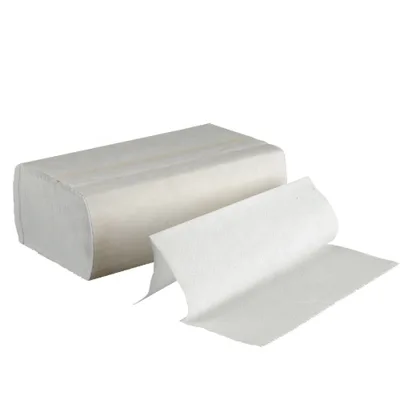
Hand Paper Towel Fold Hand Paper Towel Disposable Hand Paper Towels Made in China
$0.65 - $0.75
MOQ: 10000 Bags




Comprehensive Sourcing Guide
Strong Paper Hand Towels Sourcing Guide
Sourcing Strong Paper Hand Towels requires a nuanced understanding of material science, structural engineering, and supply chain logistics. Unlike standard household tissues, industrial and commercial hand towels must balance tensile strength, absorbency, and cost-efficiency to meet the high-frequency demands of public restrooms, factories, and healthcare facilities. Buyers must navigate a complex landscape of material compositions, from virgin wood pulp to recycled blends, each offering distinct performance characteristics. The decision to source "strong" towels often hinges on the specific operational environment, where durability during use and resistance to disintegration when wet are paramount. This guide provides a structured approach to evaluating suppliers, verifying technical specifications, and ensuring compliance with safety and quality standards.
The procurement process for these products is heavily influenced by customization options, packaging requirements, and origin logistics. Suppliers frequently offer OEM services, allowing buyers to tailor product dimensions, ply counts, and branding to their specific brand identity or operational needs. However, customization introduces variables in lead times and minimum order quantities (MOQs) that can impact inventory management. Furthermore, the geographic origin of the product, often centered in manufacturing hubs like Shanghai, China, affects shipping costs and supply chain resilience. Buyers must weigh the benefits of localized sourcing against the potential cost advantages of international suppliers, considering factors such as tariff implications and transportation reliability.
Product Scope and Observed Listing Signals
The market for Strong Paper Hand Towels encompasses a diverse range of product types, including hand roll, hand pull, and folded varieties, each suited to different dispenser systems and usage patterns. Observed listings indicate a wide spectrum of product names, such as "Kitchen Paper Towel," "Hand Pull Industry Paper Towel," and "Hand Roll Kitchen Paper Towel for Super Absorption," reflecting the versatility of the category. These products are designed for both household and commercial use, with specific features like eco-friendliness, biodegradability, and super absorption catering to environmentally conscious consumers and businesses. The presence of various models, such as KL-KT004, KL-HT 003, and APT-001, suggests a standardized yet customizable product line, where buyers can select specific configurations based on their operational requirements.
Material composition is a critical differentiator in this category, with products ranging from wood and bamboo blends to airlaid paper and recycled pulp. Airlaid paper, in particular, is noted for its superior strength and absorbency, making it a preferred choice for industrial applications where durability is essential. The observed listings also highlight variations in ply count, with some products offering single-ply construction for cost-effectiveness, while others may provide multi-ply options for enhanced strength. Color and pattern options, including white, unicolor, and multicolor designs, allow for branding opportunities, while the absence of flavor and pattern in certain models underscores the focus on functionality and hygiene. Buyers should carefully evaluate these material and design attributes to align with their specific performance and aesthetic needs.
Technical Specifications to Verify
Verifying technical specifications is essential to ensure that the selected hand towels meet the required performance standards for strength, absorbency, and durability. Key parameters to verify include sheet size, basis weight, and ply count, as these directly influence the product's functionality and cost. For instance, sheet sizes such as 50mm x 1000 sheets or configurations like 150-200 sheets per pack provide insights into the product's dimensions and quantity, which are crucial for dispenser compatibility and inventory planning. Basis weight, measured in GSM (grams per square meter), is a critical indicator of paper thickness and strength, with observed ranges of 18-30 GSM suggesting a lightweight yet durable construction. Buyers should request detailed specification sheets to confirm these metrics and ensure they align with their operational requirements.
Packaging and presentation are also vital technical considerations, as they impact storage efficiency, hygiene, and ease of use. Observed packaging options include individual wrapping, multi-roll packs, and carton quantities, such as 48 rolls per carton, which facilitate bulk handling and distribution. The folded or unfolded state of the towels, along with the presence or absence of patterns and flavors, further defines the product's suitability for specific environments. For example, unfolded, unicolor towels without flavor are ideal for industrial settings where simplicity and hygiene are prioritized, while folded, patterned towels may be preferred for commercial or hospitality applications. Buyers should verify these packaging details to ensure compatibility with their existing infrastructure and to optimize storage and dispensing efficiency.
Compliance and Safety Documentation
Compliance with international standards and safety certifications is non-negotiable when sourcing Strong Paper Hand Towels, particularly for commercial and industrial applications. Observed listings frequently mention certifications such as ISO9001, SGS, FDA, and CE, which indicate adherence to quality management systems, safety standards, and regulatory requirements. ISO9001 certification ensures that the supplier maintains consistent quality control processes, while SGS and FDA certifications verify that the products meet specific safety and hygiene standards, particularly for food-contact or healthcare environments. Buyers should request valid certification documents and verify their authenticity to mitigate risks associated with non-compliant products.
In addition to product-specific certifications, buyers should consider broader environmental and sustainability standards, such as FSC (Forest Stewardship Council) certification, which indicates responsible sourcing of raw materials. While FSC status is noted as low-confidence in the provided context, it remains a valuable indicator of environmental responsibility for buyers prioritizing sustainability. Furthermore, compliance with local regulations regarding waste disposal, recycling, and chemical safety is essential, particularly in regions with stringent environmental laws. Buyers should engage with suppliers to understand their compliance framework and ensure that the products meet all relevant legal and ethical requirements, thereby protecting their brand reputation and operational integrity.
Cost Drivers and Commercial Terms
Understanding the cost drivers and commercial terms associated with Strong Paper Hand Towels is crucial for effective budgeting and negotiation. Material composition is a primary cost factor, with virgin wood pulp and airlaid paper typically commanding higher prices due to their superior strength and absorbency compared to recycled pulp blends. Basis weight also influences cost, as heavier papers require more raw materials and energy to produce. Additionally, customization options, such as branding, packaging, and specific dimensions, can increase production costs and lead times. Buyers should request detailed cost breakdowns to understand the impact of these variables on the final price and to identify opportunities for cost optimization.
Commercial terms, including minimum order quantities (MOQs), payment terms, and lead times, significantly affect the procurement process. Observed MOQs range from 1 to 8,000,000 units, reflecting the flexibility of suppliers to accommodate both small-scale and large-volume orders. However, higher MOQs often result in lower unit prices, making them attractive for buyers with consistent demand. Payment terms, such as advance payment or letter of credit, and lead times, which can vary based on production capacity and logistics, should be clearly defined in the contract to avoid disruptions. Buyers should negotiate favorable terms that align with their cash flow and inventory management strategies, while also considering the total cost of ownership, including shipping and handling expenses.
Supplier Qualification and Quality Control
Supplier qualification is a critical step in ensuring the reliability and consistency of strong paper hand towel supplies. Buyers should conduct thorough due diligence to assess the supplier's manufacturing capabilities, quality control processes, and financial stability. This includes verifying the supplier's certifications, such as ISO9001, and inspecting their production facilities to ensure adherence to best practices in hygiene and safety. Additionally, buyers should evaluate the supplier's track record, including their history of on-time delivery, product consistency, and responsiveness to customer inquiries. Engaging with suppliers who have a proven reputation for quality and reliability reduces the risk of supply chain disruptions and product failures.
Quality control measures should be implemented throughout the procurement process, from initial sampling to final delivery. Buyers should request product samples to evaluate strength, absorbency, and overall quality before placing large orders. During production, regular inspections and audits can help identify and address potential issues early, ensuring that the products meet the agreed-upon specifications. Post-delivery, buyers should conduct random quality checks on received goods to verify consistency and address any discrepancies. Establishing a robust quality control framework, in collaboration with the supplier, ensures that the Strong Paper Hand Towels meet the required performance standards and maintain the buyer's brand integrity.
Long-Term Procurement Checks
Long-term procurement success depends on continuous monitoring and evaluation of supplier performance and market trends. Buyers should establish key performance indicators (KPIs) to track metrics such as delivery reliability, product quality, and cost efficiency, reviewing these metrics regularly to identify areas for improvement. Building a strong relationship with the supplier, characterized by open communication and mutual trust, can facilitate collaboration on product innovation and cost-saving initiatives. Additionally, buyers should stay informed about industry developments, such as new materials, technologies, and regulatory changes, to ensure that their procurement strategies remain competitive and compliant.
Sustainability and social responsibility are increasingly important factors in long-term procurement decisions. Buyers should prioritize suppliers who demonstrate a commitment to environmental stewardship, such as using recycled materials, reducing waste, and implementing energy-efficient production processes. Engaging with suppliers on sustainability initiatives can enhance brand reputation and meet the growing consumer demand for eco-friendly products. Furthermore, buyers should regularly review their supply chain resilience, identifying alternative suppliers and diversifying sourcing locations to mitigate risks associated with geopolitical instability, natural disasters, or supply disruptions. By adopting a proactive and strategic approach to long-term procurement, buyers can ensure a stable, cost-effective, and sustainable supply of Strong Paper Hand Towels.
FAQs
What materials are used for Strong Paper Hand Towels?
These towels are made from wood, bamboo, airlaid paper, recycled pulp, and mixed pulp. Some products feature eco-friendly and biodegradable properties while others are designed for industrial wrapping or household use.
Which certifications do these paper towels hold?
Products commonly hold ISO9001, SGS, FDA, CE, and UV standards. These certifications ensure quality and safety for various applications ranging from commercial kitchens to industrial wrapping tasks.
Can I customize the packaging for these towels?
Yes, customization is available for packaging and product specifications. Options include individual wrapping, packs of two or three rolls, or bulk packs with specific sheet counts like 150 or 200 sheets.
What is the typical MOQ for ordering these towels?
The minimum order quantity ranges from 1 to 8,000,000 units depending on the supplier and product model. Buyers should check specific listings for exact thresholds based on their required volume and customization needs.
Where are these paper towels manufactured?
Most products originate from Shanghai, China, with some listings simply stating China as the origin. This location supports the supply chain for both household and commercial use applications globally.
How many layers do these towels have?
Available options include 1-ply towels for specific industrial or wrapping needs. Some products may vary in ply count, but the observed data highlights single-ply configurations for certain models.