Source Structural Window and Door Sealant for Glass, Aluminum, and Fish Tanks
Find and compare 25 Structural Window and Door Sealant options for construction and home decoration. Evaluate silicone and polyurethane formulations with features like fast drying, weatherproofing, and OEM customization to match your specific glazing and assembly needs.
Key considerations
Products List


Structural Glass Sealant Waterproof Silicone Sealant for Window and Door
$0.40 - $0.70
MOQ: 1000 Pieces


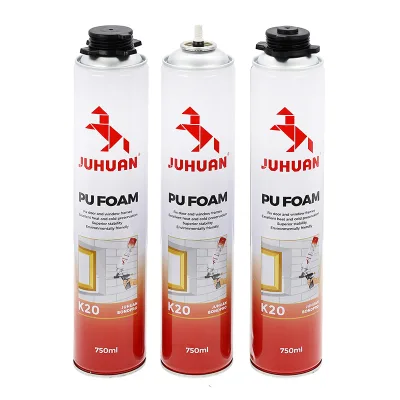
Comprehensive Sourcing Guide
Structural Window and Door Sealant Sourcing Guide
Selecting the right structural sealant for window and glazing applications requires a clear understanding of material chemistry, curing behavior, and long-term performance under environmental stress. Buyers must distinguish between products designed for structural bonding, which bear significant loads, and those intended primarily for weatherproofing or cosmetic sealing. The decision hinges on verifying that the adhesive meets the specific mechanical demands of the installation while remaining compatible with the substrates involved, such as glass, aluminum, or various framing materials.
Procurement teams should approach this category by focusing on verified technical data rather than marketing claims. The market offers a wide range of options, from silicone-based formulations to polyurethane elastomers, each with distinct advantages regarding flexibility, adhesion strength, and curing speed. A disciplined sourcing strategy involves cross-referencing observed product attributes with trusted industry knowledge to ensure that the selected sealant will perform reliably over its intended service life, preventing costly failures in building envelopes or architectural glazing systems.
Product Scope and Observed Listing Signals
The current market landscape for structural sealants reveals a diverse array of product types, with silicone and polyurethane being the most prevalent material classes. Observations indicate that many listings describe products with organic material compositions, often featuring polydimethylsiloxane as the main agent for silicone variants or polyurethane elastomers for polyurethane-based options. These materials are frequently marketed with attributes such as high adhesion strength, flexibility, and waterproof characteristics, which are critical for maintaining the integrity of window and door assemblies against moisture ingress and thermal expansion.
Listings also highlight various application scopes, including woodworking, construction, and general-purpose glazing tasks. Some products are explicitly labeled for use in fish tanks or specific construction contexts, while others emphasize features like fast drying, extrusion smoothness, and freedom from impurities. Buyers should note that while some products claim to be non-toxic or eco-friendly, these are observational attributes that require independent verification. The presence of multiple product models, such as BLD-880, BLD-660, and BLD-811, suggests that manufacturers offer specialized formulations tailored to different curing requirements and structural needs.
Technical Specifications to Verify
When evaluating technical specifications, buyers must prioritize the curing mechanism and the resulting physical properties of the sealant. Room-curing formulations are common, with curing times ranging from 24 to 48 hours depending on environmental conditions and sealant thickness. It is essential to verify the flexibility and adhesion strength of the cured product, as these factors determine the sealant’s ability to accommodate movement in window frames without losing bond integrity. Products described as having high strength and flexible characteristics are generally preferred for structural applications where dynamic loads are present.
Chemical composition and compatibility are equally critical verification points. Buyers should confirm the presence of key components such as plasticizers, curing agents, fillers, and coupling agents, which influence the sealant’s performance and longevity. The EINECS number 230-391-5 and CAS number 7085-85-0 are associated with specific silicone-based formulations, while other entries may reference different chemical identifiers. Understanding these chemical markers helps in assessing the sealant’s resistance to weathering, UV exposure, and temperature fluctuations, ensuring that the product remains stable over its stated shelf life of 3 to 20 years.
Compliance and Safety Documentation
Compliance with international quality and environmental standards is a fundamental requirement for sourcing structural sealants. Many suppliers claim adherence to ISO 9001, ISO 14001, and ISO 50001 certifications, which indicate robust quality management and environmental responsibility practices. Additionally, third-party verification from organizations like SGS and TUV provides an extra layer of assurance regarding product consistency and safety. Buyers should request valid certificates and verify their authenticity to ensure that the supplier maintains the claimed standards throughout the production process.
Safety documentation, including Material Safety Data Sheets (MSDS), is crucial for handling and installation purposes. While some listings mention non-toxic or eco-friendly attributes, these claims must be supported by detailed safety data that outlines potential hazards, first-aid measures, and proper handling procedures. Buyers should also be aware of specific chemical identifiers, such as CAS numbers, which help in identifying the exact substances present in the sealant. This information is vital for ensuring compliance with local regulations and for protecting the health of installation workers and building occupants.
Cost Drivers and Commercial Terms
Cost structures in the structural sealant market are influenced by several factors, including raw material prices, packaging specifications, and order volumes. Observed price ranges vary significantly, reflecting differences in product quality, brand reputation, and supplier location. Buyers should consider the total cost of ownership, which includes not only the unit price but also shipping, handling, and potential costs associated with product failure or rework. Competitive pricing is often advertised, but it is essential to evaluate whether the price reflects the true quality and performance capabilities of the sealant.
Commercial terms, such as Minimum Order Quantity (MOQ) and payment conditions, also play a significant role in procurement decisions. MOQs can range from small quantities for testing purposes to large volumes for bulk projects, with some listings indicating MOQs as low as 500 pieces or as high as 6000 units. Buyers should negotiate terms that align with their project timelines and inventory management strategies. Additionally, the availability of OEM services and customization options can impact costs, allowing buyers to tailor products to specific project requirements while potentially achieving economies of scale.
Supplier Qualification and Quality Control
Supplier qualification is a critical step in ensuring the reliability of the structural sealant supply chain. Buyers should assess the supplier’s manufacturing capabilities, including the number of production facilities and their capacity to meet demand. The presence of multiple factories can indicate a robust supply base, but it also requires careful oversight to ensure consistent quality across all production sites. Verification of the supplier’s ability to provide OEM services and customize products according to specific needs is also important for long-term partnerships.
Quality control measures should be rigorously evaluated, including the supplier’s testing protocols and quality assurance processes. Buyers should request samples for independent testing to verify attributes such as adhesion strength, curing time, and weatherproofing capabilities. Additionally, understanding the supplier’s approach to raw material sourcing and inventory management can provide insights into their ability to maintain consistent product quality. Establishing clear communication channels and regular quality audits can help mitigate risks and ensure that the supplied sealants meet the required specifications.
Long-Term Procurement Checks
Long-term procurement success depends on continuous monitoring of product performance and supplier reliability. Buyers should establish a system for tracking the performance of sealants in actual installations, noting any issues related to adhesion, durability, or environmental resistance. This feedback loop is essential for identifying potential problems early and making informed decisions about future purchases. Regular reviews of supplier performance, including delivery times, product consistency, and responsiveness to issues, are also crucial for maintaining a high-quality supply chain.
As technology and regulations evolve, buyers must stay informed about changes in industry standards and best practices. This includes keeping abreast of new certifications, testing methods, and material innovations that may impact the selection of structural sealants. By maintaining a proactive approach to procurement, buyers can ensure that their projects benefit from the latest advancements in sealant technology while minimizing risks associated with product failure or non-compliance. Continuous engagement with suppliers and industry experts can provide valuable insights and support in making optimal sourcing decisions.
FAQs
What materials are used in structural window sealants?
Structural window sealants typically utilize silicone or polyurethane elastomers. Silicone variants feature polydimethylsiloxane as the main agent, offering excellent weatherproofing and waterproofing capabilities. Polyurethane options provide high adhesion strength and flexibility. Both material types ensure durable bonding for glass, aluminum, and general construction applications while maintaining structural integrity over time.
How long does structural sealant take to cure?
Curing times vary significantly based on the specific chemical formulation. Polyurethane sealants generally require 24 to 48 hours to fully cure, ensuring robust structural bonding. Silicone-based sealants often cure at room temperature, with shelf life extending up to 20 years. Proper environmental conditions during application are essential to achieve the advertised fast-dry features and optimal performance.
Can structural sealants be customized for specific projects?
Yes, customization is widely available for structural window and door sealants. Manufacturers offer OEM services and allow for specific color selections, including black, white, grey, or custom shades. Buyers can also request tailored packaging solutions, such as standard 300ml cartons. This flexibility ensures the sealant meets precise aesthetic and functional requirements for diverse construction and home decoration projects.
What certifications should structural sealants have?
Reputable structural sealants should hold recognized quality and environmental certifications. Common standards include ISO 9001 for quality management, ISO 14001 for environmental management, and ISO 50001 for energy management. Additional verification from SGS and TUV further ensures product reliability. These certifications indicate that the manufacturing process adheres to strict international standards for safety and consistency.
What is the typical MOQ for structural sealants?
Minimum Order Quantities (MOQ) for structural sealants vary by supplier and product type. Observed ranges typically span from 1 to 6000 units, with some specific items requiring a minimum of 500 pieces. Buyers should verify the exact MOQ with the supplier, as it depends on the chosen model, packaging configuration, and whether the order qualifies for OEM customization or standard stock availability.
Are structural sealants eco-friendly and non-toxic?
Many modern structural sealants are designed to be eco-friendly and non-toxic. Features often include being free of impurities and utilizing safe chemical compositions. Polyurethane variants may be explicitly marketed as eco-friendly, while silicone options emphasize safety for general purpose use. Buyers should review the specific product data sheet to confirm the absence of harmful substances and ensure compliance with local environmental regulations.