Source Flexible Leather Shoe Repair Glue for Footwear
Find Flexible Leather Shoe Repair Glue from 30 verified suppliers. Compare liquid adhesives based on polyurethane, neoprene, and silicone materials. Evaluate viscosity, open time, and packaging options for footwear and leather applications; compare the available evidence and request quotations based on your requirements.
Key considerations
Products List
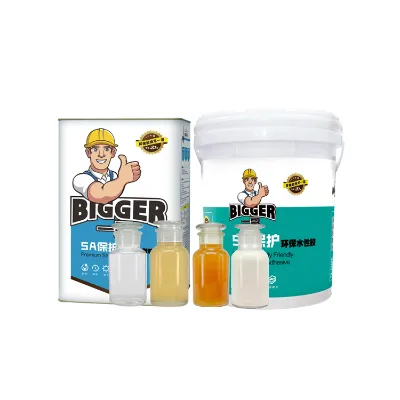
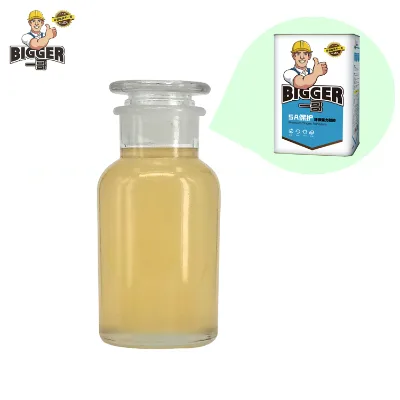
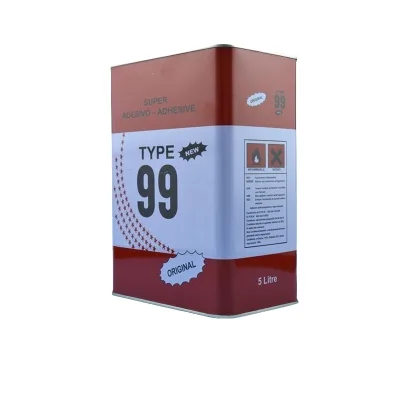
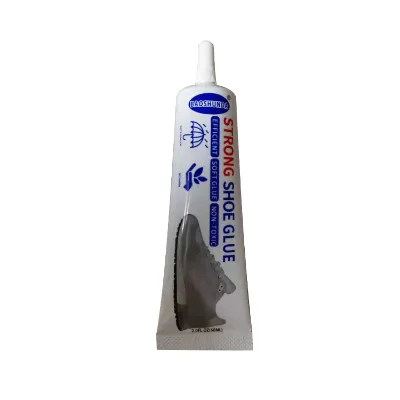
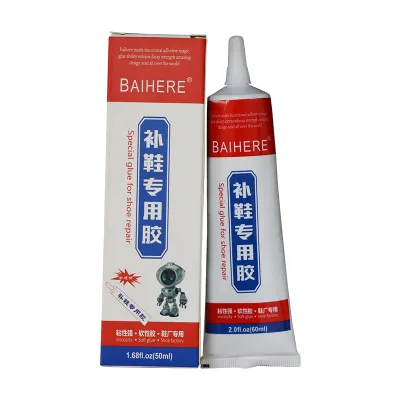
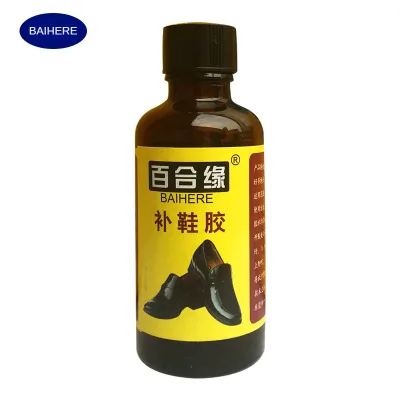
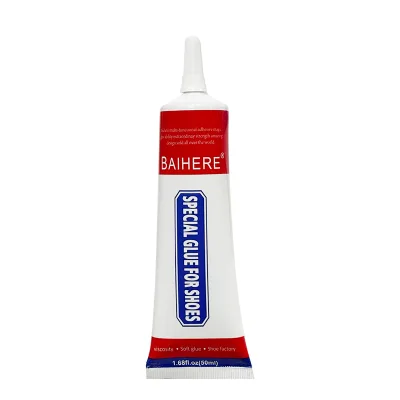
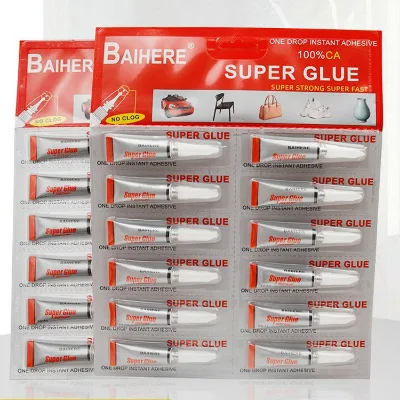
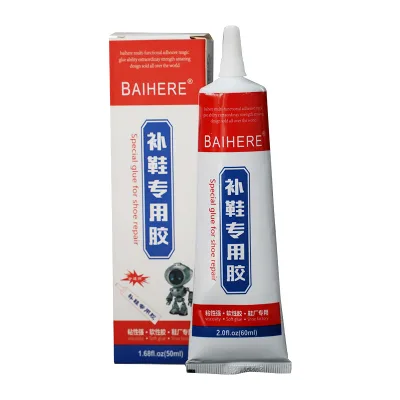
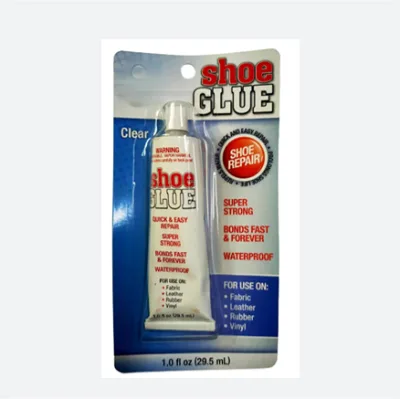


Clear Flexible Fast Bonding Shoe Glue for Running Shoes Heel Repair with Industrial Adhesive
$0.07 - $0.35
MOQ: 10000 Pieces

Professional Clear Fast Bonding Shoe Glue for Leather Sole Repair with Flexible Adhesive
$0.07 - $0.35
MOQ: 10000 Pieces

Professional Fast Bonding Shoe Glue for High Heels Repair with Flexible Clear Formula
$0.07 - $0.35
MOQ: 10000 Pieces

DIY Clear Fast Bonding Shoe Glue for Casual Sneaker Repair with Quick Adhesive
$0.07 - $0.35
MOQ: 10000 Pieces

Flexible Clear Fast Bonding Shoe Glue for Boot Heel and Sole Repair with Industrial Bond
$0.07 - $0.35
MOQ: 10000 Pieces
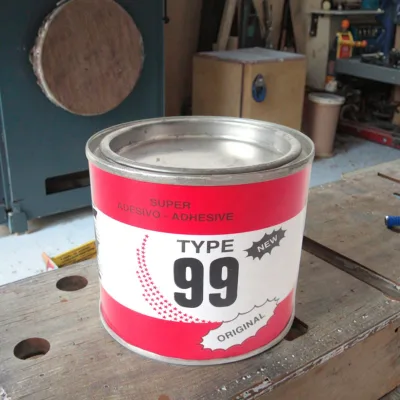
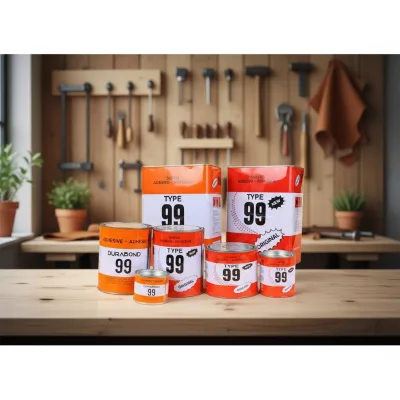
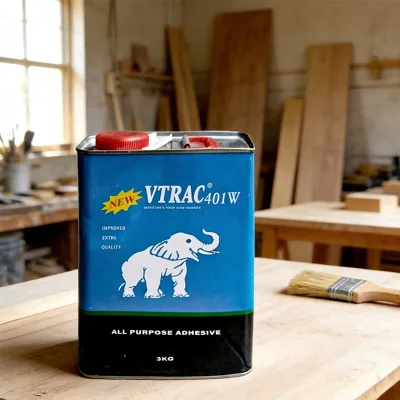
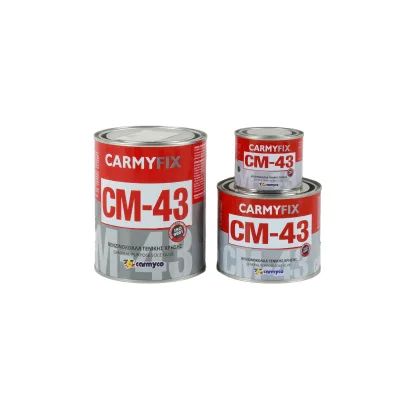
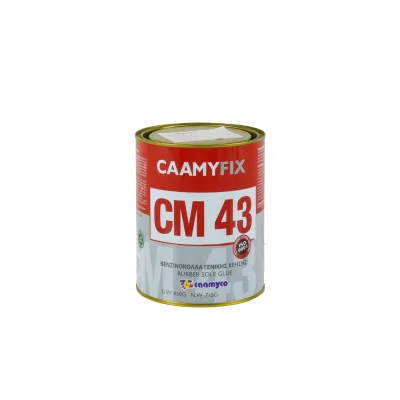


20g Flexible Strong 502 Super Leather Glue Fast Strong Shoe Repair Adhesive
$0.10 - $0.25
MOQ: 20000 Pieces


Comprehensive Sourcing Guide
Flexible Leather Shoe Repair Glue Sourcing Guide
Procuring Flexible Leather Shoe Repair Glue requires a nuanced understanding of adhesive chemistry, specifically the balance between immediate tack and long-term elasticity. Buyers must distinguish between solvent-based neoprene adhesives and water-based polyurethane formulations, as each offers distinct performance characteristics for different leather types and usage environments. The core challenge lies in selecting a product that maintains bond integrity under repeated flexing without becoming brittle or yellowing over time.
This guide focuses on identifying reliable suppliers who provide transparent technical data and consistent quality control. It emphasizes the importance of verifying material composition, such as the presence of neoprene or synthetic rubber, and ensuring that the adhesive meets specific industry standards for footwear assembly. By adhering to these procurement principles, buyers can mitigate risks associated with bond failure and ensure the longevity of repaired or assembled footwear products.
Product Scope and Observed Listing Signals
The market for Flexible Leather Shoe Repair Glue presents a diverse range of products, primarily categorized by their base chemistry and application method. Observed listings indicate a prevalence of solvent-based adhesives, often featuring neoprene or polyurethane as the main raw material, which are favored for their strong initial tack and durability. These products typically appear as yellow, white, or transparent liquids, designed for use in footwear and leather goods manufacturing. Buyers should note that while some listings claim universal applicability, the specific formulation often dictates suitability for porous versus non-porous leather surfaces.
Price and minimum order quantity (MOQ) signals vary significantly across suppliers, reflecting differences in packaging and chemical complexity. Observed price ranges span from low-cost bulk options to premium specialized formulations, with MOQs ranging from small trial orders to large industrial quantities. Packaging details frequently include 18-liter tins, 4-liter cans, or smaller retail-sized containers, indicating that buyers must align their procurement volume with their operational needs. Understanding these listing signals helps buyers filter suppliers based on their capacity to meet specific volume and quality requirements.
Technical Specifications to Verify
Verifying technical specifications is critical to ensuring the adhesive meets the mechanical demands of leather repair. Key attributes to confirm include viscosity, which affects application ease and penetration into leather fibers, and open time, which determines the window for positioning materials before the bond sets. Buyers should request data on coglutination time, typically ranging from five to six minutes, and total opening time, which may extend up to twenty minutes for certain formulations. These parameters directly influence production efficiency and the quality of the final bond in high-volume manufacturing environments.
Material composition and shelf life are equally important technical factors that impact product performance and inventory management. Adhesives based on neoprene or polyurethane often offer excellent waterproofing and flexibility, but buyers must verify the specific ratio of solids to solvents to ensure optimal curing. Additionally, confirming the shelf life, which is often stated as eighteen months or more, helps prevent waste from degraded product. Buyers should also inquire about application methods, such as brushing, spraying, or rolling, to ensure compatibility with their existing equipment and processes.
Compliance and Safety Documentation
Compliance with international safety and environmental standards is a non-negotiable aspect of sourcing Flexible Leather Shoe Repair Glue. Buyers must request detailed safety data sheets (SDS) that outline the chemical composition, including CAS numbers and EINECS identifiers, to assess potential hazards. Although some listings may provide placeholder values for these identifiers, reputable suppliers will supply accurate documentation to ensure adherence to regulations such as REACH in Europe or OSHA standards in the United States. This documentation is essential for maintaining a safe working environment and avoiding legal liabilities.
Environmental regulations increasingly restrict the use of volatile organic compounds (VOCs) in adhesives, making it crucial to verify the solvent content of the product. Buyers should inquire whether the adhesive is solvent-based or water-based, as water-based options often present lower environmental and health risks. Additionally, confirming that the supplier adheres to proper packaging and labeling standards ensures that the product is handled and stored correctly. Proactive compliance verification helps buyers mitigate risks associated with regulatory changes and enhances their brand reputation for sustainability.
Cost Drivers and Commercial Terms
Several factors influence the total cost of ownership for Flexible Leather Shoe Repair Glue, beyond the unit price. Supply ability, often cited as tens of thousands of kilograms per month, indicates the supplier’s capacity to meet large orders without delays. Buyers should assess whether the supplier can consistently meet their volume requirements, as supply constraints can lead to production stoppages and increased costs. Additionally, the complexity of packaging, such as iron barrels or specialized cartons, can impact shipping costs and handling requirements, so buyers should factor these into their budgeting.
Commercial terms, including payment methods and shipping arrangements, also play a significant role in the procurement process. Buyers should negotiate clear terms regarding lead times, port of dispatch, and incoterms to avoid unexpected expenses. While some suppliers offer free samples for evaluation, buyers should clarify any associated costs or conditions. Understanding the full scope of commercial terms helps buyers make informed decisions and build sustainable relationships with suppliers who can deliver consistent value and reliability.
Supplier Qualification and Quality Control
Qualifying suppliers for Flexible Leather Shoe Repair Glue requires a thorough assessment of their manufacturing capabilities and quality control processes. Buyers should verify the supplier’s place of origin, with Guangdong and Zhejiang in China being common hubs for adhesive production, and assess their experience in the footwear industry. Requesting references or case studies from existing clients can provide insights into the supplier’s reliability and product consistency. Additionally, verifying the supplier’s ability to offer OEM and ODM services ensures that they can customize products to meet specific buyer requirements.
Quality control measures, such as batch testing and consistency checks, are essential to maintaining product performance. Buyers should inquire about the supplier’s testing protocols for viscosity, bond strength, and shelf life stability. Requesting certificates of analysis (COA) for each batch can help ensure that the product meets specified standards. Furthermore, assessing the supplier’s response to quality issues and their commitment to continuous improvement provides confidence in their long-term partnership potential. Robust quality control practices minimize the risk of product defects and ensure customer satisfaction.
Long-Term Procurement Checks
Establishing long-term procurement checks is vital for maintaining the quality and reliability of Flexible Leather Shoe Repair Glue supplies. Buyers should implement regular audits of supplier performance, focusing on delivery times, product consistency, and responsiveness to issues. Monitoring market trends and regulatory changes ensures that the adhesive remains compliant and competitive. Additionally, maintaining open communication with suppliers allows for timely adjustments to specifications or volumes as business needs evolve.
Continuous evaluation of alternative suppliers and products helps mitigate risks associated with single-source dependency. Buyers should periodically review their supplier base to identify potential improvements in cost, quality, or service. Engaging in collaborative discussions with suppliers about future product developments can also provide insights into emerging technologies and materials. By proactively managing these long-term checks, buyers can ensure a stable and efficient supply chain that supports their operational goals and market demands.
FAQs
What materials are used for Flexible Leather Shoe Repair Glue?
The glue is primarily made from polyurethane, neoprene, or synthetic rubber. Some specific formulations use epoxy or 100% silicone. These materials ensure strong bonding for footwear and leather applications while maintaining flexibility during use.
Which model numbers are available for shoe adhesive products?
Available model numbers include 309A, 285X3, and SHG-001. These models represent different formulations such as solvent-based or water-based adhesives. Each model offers specific properties like strong viscosity or excellent waterproofing for various industrial uses.
Can I get free samples of Flexible Leather Shoe Repair Glue?
Yes, free samples are available for this product category. Buyers can request samples to test the adhesive quality before placing larger orders. This allows verification of the glue's performance on leather and other materials before committing to bulk purchases.
How is the Flexible Leather Shoe Repair Glue packaged?
Packaging options include 18-liter tins, 4-liter tins, 680ml cans, and 180-liter iron barrels. Water-based versions come in 4-liter or 20-liter containers. Specific packaging details vary by product type and volume requirements for different industrial applications.
What is the supply capacity for shoe adhesive manufacturers?
Manufacturers can supply up to 100,000 kilograms per month or 100 tons per month depending on the specific product line. This capacity supports large-scale production needs for footwear, garment, and construction industries requiring consistent adhesive supply throughout the year.
Where are these shoe adhesives manufactured and shipped from?
Products originate from Guangdong and Zhejiang provinces in China. Shipments are dispatched from ports in Shenzhen or Guangzhou. This location ensures efficient logistics for international buyers seeking reliable sourcing channels for high-quality adhesive solutions.
What are the usage applications for this flexible shoe glue?
The adhesive is suitable for construction, fiber and garment, footwear and leather, packing, transportation, and woodworking. It bonds various materials effectively including leather, fabric, and wood. The versatile application makes it ideal for multiple industrial manufacturing processes.