Source Super Soft Velboa Plush Toy for Gifts, Promos, and Decor
Find 30 listings for Super Soft Velboa Plush Toy options suitable for promotional giveaways, children's gifts, and decorative accents. Compare customization features, material blends like polyester fiberfill, and bulk pricing to identify the best fit for your sourcing needs.
Key considerations
Products List


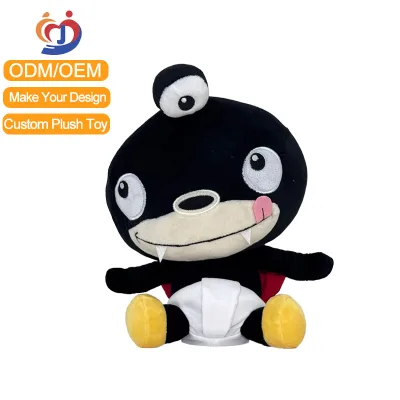
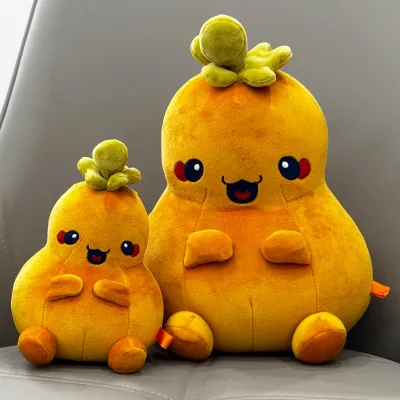
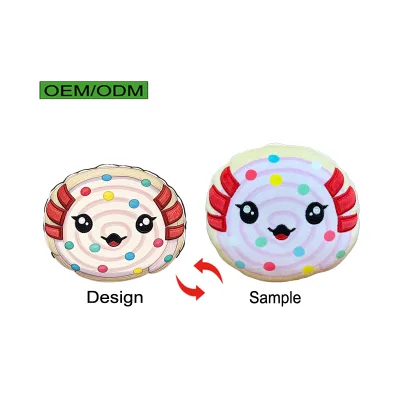


Flamingo Promotion Stuffed Plush Soft Custom Factory CE Animal Gift Toys
$1.00 - $5.00
MOQ: 3000 Pieces


Dressed Well Plush Toy Soft Stuffed Toy with Braids Embroidered Girl Doll
$2.00 - $5.00
MOQ: 3000 Pieces


Comprehensive Sourcing Guide
Super Soft Velboa Plush Toy Sourcing Guide
The global market for super soft velboa plush toys is defined by a distinct tactile profile that prioritizes consumer comfort and visual appeal. Based on observed product attributes, these items are frequently constructed using a combination of super soft velboa fabric and polyester fiberfill, creating a dense, cuddly texture that appeals to a broad demographic. The material composition often includes canvas variants for structural elements, while the filling ensures the toy maintains its shape without becoming overly rigid. This specific material pairing is critical for buyers targeting the "cartoon toy" and "sitting/standing/lying" style categories, where the softness of the exterior directly influences the perceived value and playability of the item.
Procurement strategies for this category must account for the high degree of customization available in the supply chain. Suppliers frequently offer OEM and ODM services, allowing buyers to specify unique modeling sources, custom logos, and tailored packaging solutions ranging from cartons to boxed units. The production process varies between hand-made and machine production techniques, with sample times typically ranging from three to seven working days. Buyers should recognize that while the core material remains consistent, the final product's weight, size, and specific style are often variable, requiring clear communication of technical requirements before production begins to ensure the final output matches the intended design specifications.
Product Scope and Observed Listing Signals
The product scope for super soft velboa plush toys spans a wide range of commercial applications, including promotional giveaways, gifts, and particular toys designed for entertainment. Observed listings indicate that these items are marketed as unisex products suitable for children over three years of age, with styles ranging from cartoon characters to generic sitting or standing figures. The versatility of the product is further enhanced by the availability of custom labeling and hang tags, which allow brands to integrate their identity directly into the toy's presentation. This flexibility makes the category particularly attractive for companies seeking unique merchandise for marketing campaigns or corporate events.
Listing signals reveal significant variability in minimum order quantities (MOQ) and packaging configurations, which directly impacts procurement planning. While some suppliers list an MOQ of 100 pieces, others require orders of 2,000 pieces or more, reflecting the scale of production capabilities. Packaging data suggests a wide range of density, with some cartons holding 30 to 40 pieces while others are packed at 500 pieces per carton, influencing shipping costs and storage requirements. Buyers must carefully align their order volume with the supplier's specific MOQ thresholds and packing standards to avoid unexpected logistical costs or inventory bottlenecks.
Technical Specifications to Verify
Verifying the technical specifications of super soft velboa plush toys requires a close examination of the fabric composition and filling density. The primary material is consistently identified as polyester, often in the form of super soft velboa, which provides the signature softness, while the filling is typically polyester fiberfill or PP cotton. Buyers should confirm the specific weight of the product, as this is often listed as a customizable attribute rather than a fixed standard. Additionally, the modeling source, whether custom-designed or based on existing plush toy templates, must be clearly defined to ensure the final product aligns with the intended aesthetic and functional requirements.
Dimensional and structural specifications are equally critical, as observed data shows a mix of medium-sized products and specific dimensions like 634558cm. The production method, whether hand-made or machine production, significantly affects the consistency and finish of the plush toy. Buyers must verify the intended usage, such as whether the toy is designed for promotional distribution or as a premium gift, as this influences the required durability and finish quality. Furthermore, the production time, which can be approximately 20 days or adjusted based on order quantity, must be factored into the supply chain timeline to ensure timely delivery.
Compliance and Safety Documentation
Safety compliance is a non-negotiable aspect of sourcing plush toys, particularly those intended for children over three years of age. The supply chain frequently references a robust set of international safety standards, including CE, EN71, ASTM F963, and CPSIA. These certifications are essential for market access in North America and Europe, ensuring that the toys meet rigorous requirements for flammability, chemical content, and mechanical safety. Buyers should explicitly request current test reports and certificates to verify that the specific batch of products adheres to these standards, as the presence of a certification on a listing does not guarantee that every unit in a large order has been tested.
Beyond product safety, social and environmental compliance often plays a role in supplier qualification. Some suppliers hold BSCI and ISO9001 certifications, indicating adherence to quality management systems and social responsibility standards. While specific environmental standards like ISO 14001 are noted in background data, buyers should prioritize verifying the actual test results for the specific product model, such as the TAS240805 or HW00000 series, rather than relying on general supplier claims. Ensuring that the testing laboratory is accredited and that the test data is recent is crucial for mitigating the risk of non-compliance during customs clearance or retail audits.
Cost Drivers and Commercial Terms
The cost structure of super soft velboa plush toys is driven by several key variables, including the complexity of the customization, the volume of the order, and the specific material grades selected. While observed price ranges in the market span from $0.50 to $9.00, these figures are highly dependent on the MOQ and the level of detail in the custom design. Higher customization levels, such as unique modeling sources or special packaging, typically command a premium, whereas standard designs with lower MOQs may offer more competitive unit pricing. Buyers must understand that the "customized" nature of the product standard often introduces variability in cost that cannot be predicted without a detailed quote.
Commercial terms regarding lead times and payment structures are equally important for managing cash flow and inventory. Production times are generally estimated at around 20 days, though this can fluctuate based on the order quantity and the supplier's current workload. Sample times, which are typically 3 to 7 working days, serve as a critical checkpoint before full-scale production begins. Buyers should negotiate clear terms for sample approval and ensure that the production timeline includes buffer time for quality inspections. Additionally, understanding the packing density, such as 16kg gross weight per carton, is essential for calculating accurate freight costs and optimizing container utilization.
Supplier Qualification and Quality Control
Selecting a qualified supplier for super soft velboa plush toys requires a rigorous assessment of their production capabilities and quality control protocols. The distinction between hand-made and machine production is a key differentiator, with hand-made items often offering higher craftsmanship but potentially longer lead times. Buyers should verify the supplier's ability to handle the specific technical requirements of the order, such as custom logos and specific fabric blends, while ensuring they have the capacity to meet the required MOQ. The presence of certifications like BSCI and ISO9001 provides a baseline assurance of operational stability, but on-site audits or third-party inspections are often necessary to validate these claims.
Quality control measures must be integrated into the procurement process from the sampling stage through to final shipment. The observation that sample times vary from 3 to 7 days suggests that buyers should allocate sufficient time for iterative design adjustments. It is vital to establish clear acceptance criteria for the "soft comfortable" feature and the structural integrity of the plush toy, ensuring that the filling does not shift and the fabric remains durable. Buyers should also confirm the supplier's process for handling defects and their policy on rework, as these factors directly impact the final product quality and the overall success of the procurement project.
Long-Term Procurement Checks
Establishing a long-term procurement relationship for super soft velboa plush toys involves continuous monitoring of supplier performance and market trends. Buyers should regularly review the supplier's ability to maintain consistent quality across different production batches, especially when scaling up from initial sample orders to large-volume shipments. The variability in MOQs and production times observed in the market indicates that flexibility is a key asset, and suppliers who can adapt to changing order volumes without compromising quality are preferable for long-term partnerships. Regular audits of the supplier's quality control processes and certification renewals are essential to maintain compliance and trust.
Market dynamics and regulatory changes also necessitate ongoing vigilance in the procurement strategy. As safety standards evolve, buyers must ensure that their suppliers remain up-to-date with the latest requirements for CE, EN71, and ASTM F963. The ability of the supplier to provide updated test reports and adapt to new material regulations is a critical indicator of their long-term viability. Furthermore, buyers should maintain open communication channels to discuss potential design innovations or material improvements that could enhance the product's competitiveness. By staying proactive in these areas, buyers can secure a reliable supply chain that supports their brand's growth and reputation in the plush toy market.
FAQs
What materials are used for super soft velboa plush toys?
These toys typically use super soft velboa fabric for the outer shell and polyester fiberfill for the inner stuffing. Some variations may incorporate canvas for added durability or structural support. The combination ensures a comfortable, huggable texture suitable for both children and collectors, while maintaining the distinctive softness associated with velboa materials.
Can I customize the logo on these plush toys?
Yes, customization is available for logos and branding. Buyers can provide their own logo designs to be printed or embroidered onto the plush toy. This service supports OEM and ODM requirements, allowing businesses to create unique promotional items or branded gifts that align with their specific marketing strategies and brand identity guidelines.
What certifications do these plush toys meet?
These products generally comply with major international safety standards including CE, EN71, ASTM F963, CPSIA, and REACH. Some manufacturers also hold BSCI and ISO9001 certifications. These credentials ensure the toys meet rigorous safety and quality requirements for various global markets, providing assurance for buyers concerned with regulatory compliance and child safety.
What is the typical MOQ for ordering these toys?
The minimum order quantity varies by supplier, ranging from 100 pieces to 5000 pieces. Some vendors offer low MOQs starting at 100 PCS for testing, while others require higher volumes like 2000 PCS for standard production runs. Buyers should confirm the specific MOQ with their chosen supplier to align with their inventory needs and budget constraints.
How long does production take for custom orders?
Production time is typically around 20 days, though it may vary based on order quantity. Sample preparation usually takes 3 to 7 working days. These timelines allow for quality control and customization processes. Buyers should plan their procurement schedules accordingly to ensure timely delivery for events, promotions, or seasonal retail demands.
Are these plush toys suitable for machine washing?
Yes, many of these plush toys are designed to be machine washable. This feature enhances their longevity and makes them practical for everyday use by children. Buyers should check specific care labels for detailed instructions, as washing methods may vary slightly depending on the specific fabric blend and construction techniques used by different manufacturers.