Source Surge Protected Battery Backup for Home, Office, and Medical
Find and compare 30 Surge Protected Battery Backup units featuring LiFePO4 chemistry and RS232 communication. Buyers can evaluate models with 6000 cycle life, 6kW output, and customizable options for various power needs.
Key considerations
Products List


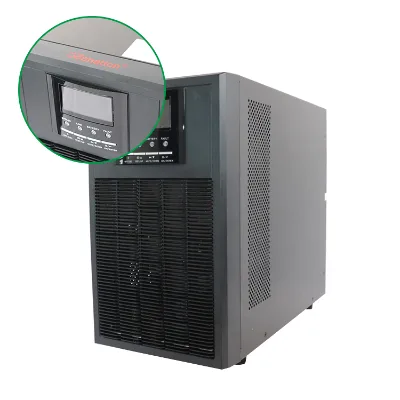
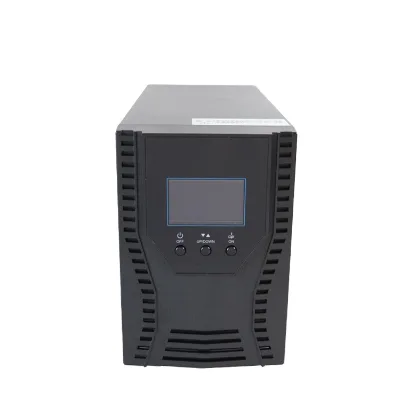
Computer UPS Uninterrupted Power Supply 1kVA 2kVA 3kVA with Battery Backup
$110.00 - $128.00
MOQ: 1 Pieces


Quality Assurance Mine Monitoring Emergency Machine Room Backup UPS Power Supply
$175.00 - $198.00
MOQ: 1 Pieces


500va UPS Battery Backup, 1u Rackmount - Surge Protection & Uninterruptible Power
$269.00 - $299.00
MOQ: 1 Pieces


Long Backup Online Three Phase Input Over Voltage Protection UPS Power Supply
$2000.00 - $30500.00
MOQ: 1 Pieces




Comprehensive Sourcing Guide
Strategic Sourcing Guide for Surge Protected Battery Backup Systems
Procuring Surge Protected Battery Backup systems requires a rigorous approach that balances immediate power reliability needs with long-term operational stability. For B2B buyers, the selection process extends beyond simple voltage ratings to encompass chemical composition, communication protocols, and integration capabilities. The market offers a diverse array of solutions, ranging from compact units to large-scale centralized models. This guide outlines the critical technical and commercial factors necessary for making informed procurement decisions, ensuring that the selected equipment aligns with specific infrastructure requirements without relying on unverified marketing claims.
Technical Architecture and Chemical Composition
The foundation of any reliable battery backup system lies in its electrochemical architecture. Current market offerings frequently utilize Lithium Iron Phosphate (LiFePO4) chemistry, identified in product specifications as LFP cathode material. This material choice is distinct from older lithium-ion technologies due to its enhanced thermal stability and safety profile. Buyers should verify that the product explicitly states "LiFePO4" or "LFP" to ensure the system benefits from the inherent safety of this chemistry. The rechargeable nature of these units is a standard feature, allowing for repeated charge-discharge cycles essential for backup applications.
Capacity and energy density are paramount metrics. Specifications indicate that systems can vary significantly in nominal capacity, with observed values ranging from 10kWh for larger installations to specific ampere-hour ratings like 200Ah or 3.2V 314Ah for modular units. The operating voltage range is another critical technical parameter; for instance, specific models operate within a 40V to 58.4V window. This range dictates compatibility with existing inverters and grid connection standards. Buyers must ensure that the nominal voltage of the battery matches the input requirements of the connected inverter to prevent operational failures.
Furthermore, the internal resistance of the battery cells impacts efficiency and heat generation. A specification of internal resistance less than or equal to 0.4MΩ suggests a high-efficiency cell design, which is crucial for maintaining performance under load. The cycle life is a definitive indicator of longevity, with observed data pointing to a cycle life of 6000 cycles. This metric allows procurement teams to calculate the total cost of ownership over the system's lifespan, distinguishing premium units from lower-tier alternatives that may degrade prematurely.
Power Management and Inverter Integration
The synergy between the battery bank and the inverter determines the system's ability to handle power surges and maintain uninterrupted supply. The inverter component is often rated for specific output capacities, with observed models featuring a rated output power of 6kW and a maximum output current of 25A. Smaller units may be rated at 500W, suitable for different application scales. The grid connection type is typically defined as L+N+PE (Line, Neutral, Protective Earth), operating within a grid frequency of 5060Hz and a power grid voltage of 220240V.
Surge protection is integrated through the Battery Management System (BMS). The BMS is responsible for monitoring cell health and preventing catastrophic failure. Essential protection features observed in reliable units include overcharge, over-discharge, and overcurrent protection. Additionally, some systems offer overvoltage protection as a standalone feature. The transfer time for these systems is a critical performance indicator; high-end online UPS models boast a transfer time of 0ms, ensuring zero interruption during power transitions.
Communication capabilities facilitate remote monitoring and system integration. The presence of RS232 communication ports allows for data exchange with external management systems, enabling real-time tracking of battery status, voltage, and current. For solar-integrated backup systems, the Maximum Power Point Tracking (MPPT) voltage range is vital. Specifications indicate an MPPT voltage range of 60~145V, with a PV max DC voltage of 145V and a PV input max current of 80A. These parameters ensure that the system can efficiently harvest solar energy while managing the backup load.
Compliance, Standards, and Safety Verification
While specific certification statuses such as IEC 61643-31 or UL 1449 are often referenced in the broader industry, buyers must verify the actual certification status of the specific unit being purchased rather than assuming compliance based on general market knowledge. The procurement process should prioritize suppliers who can provide documented proof of compliance with relevant safety and performance standards.
Product standards also encompass physical dimensions and packaging. Observed dimensions for certain models include 755575900mm, while others are more compact at 280X203X410mm. Packaging varies from wooden cases to carton boxes and plastic wrapping, depending on the product model and size classification. The "Medium" size classification and "Large Type" output capacity suggest that physical footprint and weight are significant factors in logistics planning. For example, a unit weighing 10.7kg requires different handling procedures compared to larger, heavier installations.
Buyers should also verify the classification of the equipment. Systems are often categorized by their application, such as "Lighting/Power" or specific modes like "Centralized Model." The machine type, described as "External Battery UPS Online," indicates a specific architecture where the battery is separate from the main unit, offering flexibility in placement and maintenance. Ensuring that the product classification matches the intended application is essential for regulatory compliance and operational safety.
Cost Drivers and Commercial Terms
The pricing of Surge Protected Battery Backup systems is influenced by multiple variables, including capacity, chemistry, and included features. The observed price range in the market spans from $1.18 to $30,500, reflecting the vast difference between small modular units and large-scale industrial systems. This wide range necessitates a clear definition of requirements before engaging with suppliers. The minimum order quantity (MOQ) also varies, with observed ranges from 1 to 1000 units, offering flexibility for both pilot projects and large deployments.
Payment terms and logistics are critical components of the commercial agreement. Suppliers may require an initial payment followed by full payment upon completion, with transactions conducted in US Dollars. Shipping methods typically involve sea transportation, which is cost-effective for heavy items but requires careful planning regarding lead times. The product origin is often listed as China, which is a major manufacturing hub for these technologies, but buyers should verify the specific origin of the batch to ensure quality consistency.
Customization is a significant cost driver and value-adder. Many suppliers offer customization options for battery capacity, voltage, and physical dimensions. This flexibility allows buyers to tailor the system to specific site constraints, but it may impact the lead time and unit cost. The "Customized" standard noted in some specifications indicates that the product can be adapted to unique requirements, such as specific packing or dimensional constraints.
Supplier Evaluation and Quality Assurance
Evaluating suppliers requires a focus on their ability to deliver consistent quality and support. Key attributes to verify include the availability of customization, the robustness of the BMS protection, and the clarity of communication protocols. A supplier that offers a refund policy, such as a 30-day return window, demonstrates confidence in their product quality. However, buyers should carefully review the terms of such policies to understand the conditions under which a refund can be applied.
Quality control should be a continuous process throughout the procurement lifecycle. Buyers should request detailed specifications for the internal resistance, cycle life, and operating voltage range before finalizing an order. The presence of specific features like "Long-acting Machine" standby time and "Uninterruptible Power Supply" functionality should be confirmed through technical datasheets rather than marketing materials. Additionally, the classification of the product as a "Type: Li-ion Battery" or "Type: On-line" should be cross-referenced with the actual technical requirements of the facility.
Long-Term Procurement and Lifecycle Management
Long-term procurement considerations extend beyond the initial purchase price to include maintenance, scalability, and end-of-life management. The 6000-cycle life of LiFePO4 batteries suggests a long operational lifespan, but this is contingent on proper usage and environmental conditions. Buyers should plan for the eventual replacement of battery modules and ensure that the supplier can provide compatible replacement parts.
The ability to scale the system is another important factor. Systems with "Large Type" output capacity and "Centralized Model" configurations are often designed for expansion. Buyers should verify if the system supports additional battery modules or if the inverter can handle increased loads. The communication interface, such as RS232, should be compatible with future monitoring software upgrades to ensure the system remains manageable as technology evolves.
Finally, the physical characteristics of the system, including weight and dimensions, will influence long-term logistics and installation costs. A "Wooden Case" or "Carton Box" packing method may affect storage requirements and shipping costs over time. By understanding these factors, buyers can create a procurement strategy that ensures reliability and cost-effectiveness over the entire lifecycle of the Surge Protected Battery Backup system.
Summary of Key Technical Parameters
To assist in the comparison of potential suppliers, the following table summarizes the key technical parameters observed in the market data. This table serves as a reference for verifying product specifications against buyer requirements.
| Parameter | Observed Value/Range | Relevance to Procurement |
|---|---|---|
| Battery Material | LiFePO4 (LFP) | Determines safety and cycle life |
| Cycle Life | 6000 Cycles | Indicator of long-term durability |
| Nominal Capacity | 10kWh (Large), 200Ah/314Ah (Modular) | Defines energy storage capability |
| Operating Voltage | 40V ~ 58.4V | Ensures inverter compatibility |
| BMS Protection | Overcharge/Over Discharge/Overcurrent | Critical for safety and longevity |
| Communication | RS232 | Enables remote monitoring and control |
| Grid Connection | L+N+PE, 220 | Matches local electrical infrastructure |
| Rated Output Power | 6kW (High), 500W (Low) | Determines load handling capacity |
| Transfer Time | 0ms | Ensures zero interruption for sensitive loads |
| MPPT Voltage Range | 60~145V | Essential for solar-integrated systems |
By adhering to these guidelines and verifying the specific technical details provided by suppliers, B2B buyers can secure Surge Protected Battery Backup systems that meet their operational needs while minimizing risk and maximizing return on investment. The focus on verified data, clear specifications, and robust supplier evaluation ensures a procurement process that is both efficient and effective.
FAQs
What battery material is used in surge protected backup systems?
These systems typically use LiFePO4 or LFP cathode material for enhanced safety. This chemistry offers a cycle life of 6000 cycles and ensures thermal stability during operation.
How is the battery capacity defined for these backup units?
Capacity varies by model, with observed options including 10kWh nominal capacity or 200Ah ratings. Some modular units specify 3.2V 314Ah for specific application needs.
Which protection features does the BMS provide for safety?
The Battery Management System includes overcharge, over-discharge, and overcurrent protection. Additional systems may offer overvoltage protection to ensure safe operation under varying loads.
Can these systems operate with standard grid frequencies?
Yes, they are designed to operate within a grid frequency range of 50 to 60Hz. The power grid voltage typically supports 220 to 240V with an L+N+PE connection.
What communication protocols are available for system monitoring?
Many units feature RS232 communication ports for data exchange with external management systems. This allows for real-time tracking of battery status, voltage, and current levels.
How is the product packed for shipping and delivery?
Packaging options include wooden cases, carton boxes, or plastic wrapping depending on the model. Dimensions and weight, such as 10.7kg, influence the specific packing method selected.
Is customization available for battery capacity and voltage?
Customization is available to tailor battery capacity, voltage, and physical dimensions to specific site constraints. This flexibility allows buyers to adapt the system to unique requirements.