Source Sweat-absorbent Anti-odor Five-toe Socks for Athletes
Explore 30 listings for Sweat-absorbent Anti-odor Five-toe Socks designed for comfort and hygiene. Compare cotton materials, ankle heights, and custom logo options from verified China suppliers to find the right fit for your retail needs; compare the available evidence and request quotations based on your requirements.
Key considerations
Products List


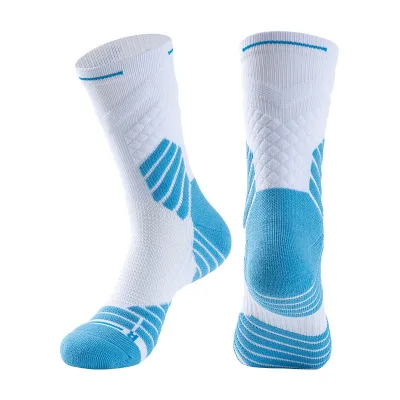
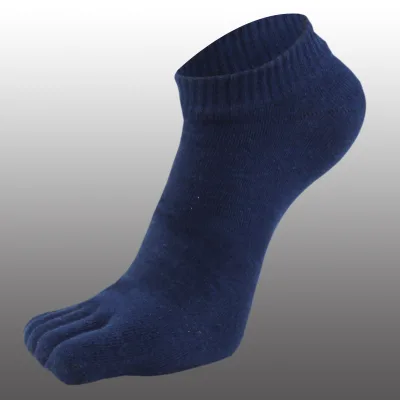


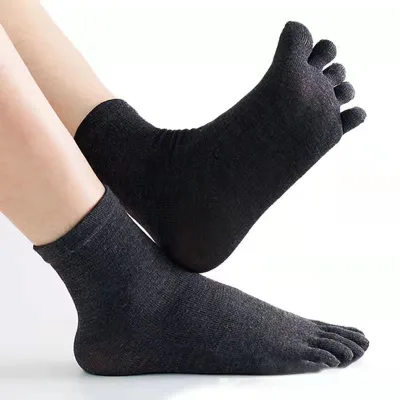

Men's Summer Casual Socks Breathable, Odor-Resistant, Solid-Color Ankle & MID Calf Socks
$0.06 - $0.10
MOQ: 5000 Pieces


Comprehensive Sourcing Guide
Sweat-absorbent Anti-odor Five-toe Socks Sourcing Guide
Sourcing five-toe socks with sweat absorption and anti-odor properties requires careful attention to material composition and construction techniques. The available market data indicates that cotton remains a primary material choice, often paired with high elasticity to ensure a secure fit that accommodates various foot shapes. Buyers should prioritize listings that explicitly mention breathable and anti-bacterial features, as these are critical for managing moisture and preventing odor buildup during extended wear.
Procurement decisions must also account for the specific design variations observed, such as ankle, middle, or toe-style configurations. While some suppliers offer customized logos and packaging, the core functional attributes like thickness and seasonal suitability vary significantly between products. It is essential to verify whether a specific listing targets summer conditions with normal thickness or offers thickening for cooler seasons, ensuring the selected inventory matches the intended usage environment.
Product Scope and Observed Listing Signals
The current market landscape for these specialized socks reveals a diverse range of product models, including identifiers like ULD-0718166 and SN-4, which often dictate specific feature sets. Listings frequently highlight attributes such as solid or striped patterns, with some options featuring tie-dye designs that appeal to niche fashion segments. Buyers must distinguish between general unisex offerings and those tailored for specific age groups, as the observed data includes options ranging from adult sizes to those with specific foot length requirements of 24-26 cm.
Commercial signals in the listings show a wide variance in minimum order quantities, ranging from as low as 10 pairs to 5000 pairs, which significantly impacts initial procurement costs. Pricing observations suggest a broad spectrum from $0.06 to $2.00 per unit, reflecting differences in material quality, customization levels, and packaging standards. Suppliers often provide flexible packaging options, from single pairs in OPP bags to bulk poly bags containing ten pairs, allowing buyers to align packaging with their distribution channels.
Technical Specifications to Verify
When evaluating technical specifications, the thickness of the sock is a critical differentiator between summer and all-season variants. Some products are explicitly marked as having normal thickness suitable for warm weather, while others are described as thickening, which may offer superior thermal retention for spring, autumn, or winter use. Buyers should cross-reference the stated thickness with the intended season to ensure the product delivers the necessary comfort and protection without causing overheating or excessive bulk.
Elasticity and size compatibility are equally vital for maintaining the integrity of the five-toe design. The observed data confirms high elasticity as a common feature, which helps the sock conform to foot lengths between 35-43 cm or 35-40 cm depending on the model. Verification of the specific size range is necessary to prevent returns, as the fit must accommodate the unique separation of toes while maintaining a secure hold that prevents slipping during movement.
Compliance and Safety Documentation
Safety and compliance in the textile sector often involve verifying eco-friendly claims and anti-bacterial treatments, which are frequently cited in product attributes. While specific certifications like GOTS or Oeko-Tex are mentioned in background contexts, buyers should request concrete test reports or certificates of analysis from the supplier to validate these claims. The presence of anti-bacterial and eco-friendly features suggests a focus on hygiene and sustainability, but these attributes require independent verification to ensure they meet international safety standards.
Documentation regarding the origin of materials and manufacturing processes is essential for maintaining supply chain transparency. Most observed products originate from China, with specific manufacturing hubs like Zhejiang noted in some listings. Buyers should ensure that the supplier can provide clear documentation on the cotton sourcing and the chemical treatments used for odor control, ensuring that the final product adheres to the safety regulations of the target export market.
Cost Drivers and Commercial Terms
The cost structure for these socks is heavily influenced by customization options, such as adding custom logos to the package or the product itself. Suppliers offering custom logo services often have higher minimum order quantities, typically starting at 1000 pairs, which can increase the initial capital outlay. Additionally, the choice of packaging, whether individual OPP bags or bulk poly bags, adds a variable cost that must be factored into the total landed cost calculation.
Payment terms and delivery timelines are key commercial factors that affect cash flow and inventory planning. Observed payment methods include TT and PayPal, offering flexibility but requiring careful verification of transaction security. Delivery times are generally short, ranging from 3 to 7 days, which is advantageous for rapid restocking, but buyers should confirm if these lead times apply to customized orders or standard stock items to avoid potential delays.
Supplier Qualification and Quality Control
Supplier qualification should focus on their ability to maintain consistent quality across different product models and customization requests. The variety of observed models, from SN-4 to SNTA-0806-2, suggests that suppliers may have diverse production lines, each with its own quality control protocols. Buyers should request samples from different batches to verify that the anti-odor and sweat-absorbent properties remain consistent, regardless of the specific model or pattern selected.
Quality control processes must also address the physical durability of the socks, particularly the elasticity and seam integrity of the five-toe design. Since the products are described as having high elasticity and specific thickness levels, it is crucial to test for potential wear and tear after repeated washing. Establishing a clear quality acceptance criteria with the supplier, including acceptable defect rates and packaging standards, will help mitigate the risk of receiving substandard inventory.
Long-Term Procurement Checks
Long-term procurement success depends on the supplier's ability to scale production while maintaining the specific functional attributes of the socks. As order volumes increase, buyers should monitor whether the material composition, such as the cotton content, remains consistent or if cost-cutting measures compromise the breathability and anti-bacterial features. Regular audits of the production process can help ensure that the high elasticity and thickness specifications are not diluted over time.
Market trends and seasonal demand fluctuations also require ongoing attention to ensure inventory alignment. The observed data indicates that these socks are marketed for various seasons, from summer to all-season use, necessitating a flexible procurement strategy. Buyers should maintain open communication with suppliers regarding upcoming seasonal shifts and adjust order quantities accordingly to prevent overstocking of specific models that may not align with future consumer preferences.
FAQs
Can these socks be customized with a logo?
Yes, customized logos are available for these socks. The product page indicates that custom logos can be added to the packaging, allowing buyers to brand the items effectively. This customization option supports private labeling strategies for retailers looking to establish a unique market presence with their own branded apparel lines.
What material are these socks made from?
These socks are made from cotton material. The product specifications list cotton as the primary fabric, which is known for its breathability and comfort. This material choice helps in managing moisture and ensuring the wearer stays comfortable during various activities, making it suitable for everyday wear in different seasons.
What is the minimum order quantity for these socks?
The minimum order quantity is 1000 pairs. This MOQ requirement is explicitly stated in the product attributes, ensuring that suppliers can manage production efficiently. Buyers planning large-scale procurement should consider this threshold when budgeting and coordinating logistics for their inventory needs and supply chain planning.
How long is the delivery time for these socks?
The delivery time is 3-7 days. This lead time indicates a relatively fast turnaround for production and shipping preparation. Buyers can expect quick availability, which is beneficial for restocking urgent orders or meeting tight deadlines for seasonal product launches and promotional campaigns in the retail sector.
What sizes are available for these socks?
The available sizes range from 35-43. This size range accommodates a wide variety of foot lengths, ensuring a fit for most adult users. The product also mentions a foot length specification of 24-26 cm, providing additional clarity for buyers seeking specific sizing options for their target customer demographics.
Are these socks suitable for all seasons?
Yes, these socks are suitable for all seasons. The product attributes list Spring, Summer, Autumn, and Winter as compatible seasons. This versatility makes them a practical choice for year-round wear, allowing retailers to stock a single product that meets customer needs across different weather conditions and seasonal fashion trends.