Source Eco-Friendly Chenille Fuzzy Sock for Winter Wear
Find 30 Eco-Friendly Chenille Fuzzy Sock options from verified suppliers. Compare materials like cotton and chenille, check customization for logos, and review MOQs ranging from 12 to 2000 pairs for bulk sourcing needs; compare the available evidence and request quotations based on your requirements.
Key considerations
Products List


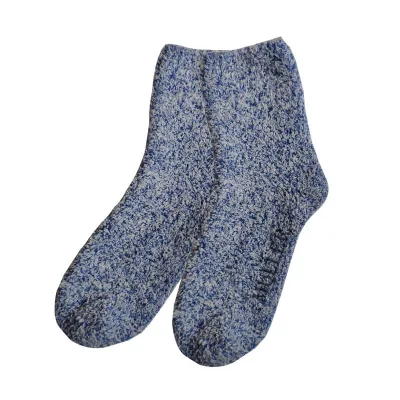
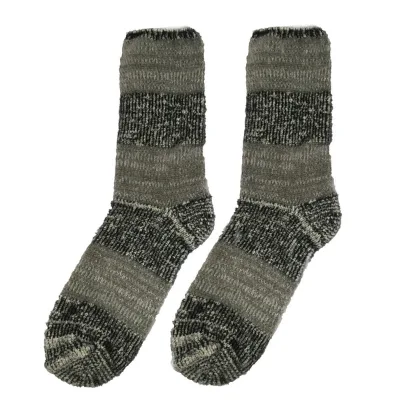


Christmas Custom Wholesale Multi Color Unisex Women Fuzzy Fleece Crew Socks
$0.30 - $0.80
MOQ: 500 Pairs

Comprehensive Sourcing Guide
Eco-Friendly Chenille Fuzzy Sock Sourcing Guide
Sourcing eco-friendly chenille fuzzy socks requires balancing aesthetic appeal with sustainable material claims. Buyers must distinguish between marketing terms and verifiable fiber content, as "eco-friendly" often lacks a single universal definition in textile procurement. The chenille texture provides warmth and softness, making it ideal for winter and all-season casual wear, but the bulkiness can impact shipping costs and packaging efficiency. Procurement teams should prioritize suppliers who disclose specific fiber blends, such as cotton or recycled polyester, rather than relying on vague sustainability labels.
Verification of material composition is the first critical step in this category. Observed listings indicate materials like chenille and cotton, with some products featuring anti-bacterial or breathable properties. Buyers should request detailed material breakdowns to ensure the "eco-friendly" claim aligns with their corporate social responsibility goals. Understanding the base fiber helps in assessing durability, care requirements, and end-of-life disposal options. This foundational knowledge prevents misalignment between supplier promises and actual product performance in the market.
Product Scope and Observed Listing Signals
The current market offers a diverse range of styles, including ankle, crew, and stocking varieties, catering to unisex and adult demographics. Listings show significant variation in customization options, with many suppliers accepting custom logos and packaging designs. This flexibility allows brands to create unique product identities, but it also introduces complexity in quality control. Buyers should note that styles range from simple solid colors to more complex designs like tie-dye or Christmas-themed patterns, each requiring different production capabilities and minimum order quantities.
Observed specifications reveal a wide spectrum of product models, such as BB23023 and SN23090401, indicating a fragmented supplier base. Sizes typically range from 35-43, covering most adult foot dimensions, while weights vary from 65g to 125g per pair. These variations directly impact the perceived value and comfort of the final product. Procurement teams must evaluate whether the specific weight and thickness meet their target customer's expectations for warmth and durability. Clear communication of these technical details is essential to avoid discrepancies between samples and bulk production.
Technical Specifications to Verify
Thickness and weight are critical technical parameters that define the user experience of chenille socks. Normal thickness is commonly observed, but buyers should verify if the pile density meets their comfort standards. Heavier socks, around 125g, offer more warmth but may be less breathable, while lighter options at 65g are suitable for milder climates. Understanding these metrics helps in selecting the right product for specific seasonal demands. Buyers should request physical samples to assess the hand feel and elasticity, ensuring the chenille fibers do not shed excessively during wear.
Packaging and labeling requirements also play a significant role in the technical verification process. Some suppliers offer individual polybag packaging, while others use gift boxes or bulk cartons. The choice of packaging affects both product protection and retail presentation. Buyers must confirm the packing quantity per carton, such as 25 pairs per polybag or 5 pairs per gift box, to calculate shipping volume accurately. Additionally, verifying the standard size charts, such as 35-40 or 35-43, ensures that the socks fit the intended demographic correctly.
Compliance and Safety Documentation
Sustainability claims in the textile industry often reference certifications like GOTS or OEKO-TEX, but these are not universally applied to all chenille products. Buyers should treat these certifications as optional verification points rather than standard inclusions. It is crucial to request valid certificates from the supplier to confirm that the "eco-friendly" label is backed by independent testing. Without proper documentation, sustainability claims may be considered greenwashing, posing reputational risks for the buyer. Due diligence in this area protects brand integrity and ensures alignment with regulatory requirements in target markets.
Safety standards for textiles vary by region, but general requirements include limits on harmful substances and flammability. Buyers should inquire about the specific standards the supplier adheres to, such as local consumer safety regulations. While some listings mention eco-friendly features, they may not explicitly state compliance with rigorous chemical safety tests. Procurement teams should ask for test reports from accredited laboratories to verify the absence of hazardous chemicals. This step is particularly important for products intended for sensitive demographics or those marketed as hypoallergenic.
Cost Drivers and Commercial Terms
Pricing for chenille socks is influenced by material costs, customization complexity, and order volume. Observed price ranges vary significantly, reflecting differences in quality and service levels. Minimum order quantities (MOQs) also fluctuate, with some suppliers requiring as few as 12 pairs, while others demand up to 2000 pairs. Buyers must align their order volume with supplier MOQs to optimize unit costs. Understanding the cost structure helps in negotiating better terms and planning inventory levels effectively.
Payment terms and delivery times are key commercial factors that impact cash flow and supply chain reliability. Common payment methods include TT and PayPal, offering flexibility for different transaction sizes. Delivery times typically range from 3 to 7 days for standard items, but custom orders may require longer lead times. Buyers should clarify these timelines during the negotiation phase to avoid delays in product launches. Additionally, understanding the packaging costs and shipping logistics is essential for calculating the total landed cost of the product.
Supplier Qualification and Quality Control
Supplier qualification involves assessing manufacturing capabilities, quality management systems, and past performance. Buyers should verify the supplier's origin, with many manufacturers located in regions like Zhejiang, China, known for textile production. Checking for relevant business licenses and export experience is a basic but essential step. Suppliers who offer customization services should demonstrate their ability to handle logo printing and packaging design without compromising product quality. This assessment helps in identifying reliable partners who can meet specific brand requirements.
Quality control processes must be clearly defined before placing bulk orders. Buyers should establish acceptance criteria for defects, such as loose threads, uneven dyeing, or sizing errors. Requesting pre-production samples and conducting third-party inspections can mitigate the risk of receiving substandard goods. Clear communication of quality expectations ensures that both parties are aligned on the final product standards. Implementing a robust quality control plan reduces the likelihood of returns and customer complaints, protecting the brand's reputation in the market.
Long-Term Procurement Checks
Building a sustainable supply chain requires ongoing monitoring and relationship management. Buyers should regularly review supplier performance metrics, including on-time delivery rates and defect percentages. Continuous improvement initiatives can help suppliers enhance their processes and meet evolving sustainability goals. Establishing a long-term partnership fosters trust and collaboration, leading to better pricing and priority treatment during peak seasons. Regular audits and feedback sessions ensure that quality standards are consistently maintained over time.
Adapting to market trends and consumer preferences is crucial for long-term success in the sock industry. Buyers should stay informed about emerging materials and design innovations that align with eco-friendly values. Flexibility in product offerings allows brands to respond quickly to changing consumer demands. By maintaining a diverse supplier base and fostering strong relationships, buyers can mitigate risks and ensure a steady supply of high-quality chenille socks. This strategic approach supports sustainable growth and competitive advantage in the global market.
FAQs
Can I add a custom logo to these socks?
Yes, you can add a custom logo on the package for these chenille fuzzy socks. The product page confirms that custom logo options are available for buyers who want to brand their orders. This customization is typically handled during the packaging phase to meet specific business needs.
What is the minimum order quantity for these socks?
The minimum order quantity varies by product model, ranging from 12 to 2000 pairs. Some specific listings show an MOQ of 500 pairs while others start at 120 pairs. Buyers should check the specific model details to confirm the exact threshold required for their purchase.
How long does delivery take for these socks?
Delivery time is typically 3 to 7 days for these products. This lead time applies to the standard processing and shipping window mentioned in the product specifications. Buyers should verify the exact timeline based on their specific order volume and chosen shipping method.
What materials are used to make these socks?
These socks are primarily made from chenille material, offering a soft and fuzzy texture. Some variations also utilize cotton to ensure breathability and comfort. The material choice supports the eco-friendly and seasonal requirements for winter or all-season wear.
Which styles of socks are available in this collection?
The collection includes ankle, crew, and stocking styles to suit different preferences. Specific models like BB23023 and SN23090401 offer distinct fits ranging from ankle to middle height. Buyers can select the style that best matches their intended use or fashion requirements.
Are these socks suitable for all seasons?
Yes, certain models are designed for all seasons including spring, summer, autumn, and winter. The product attributes indicate versatility for year-round wear depending on the specific material blend. Buyers should check the seasonal tag for each model to confirm suitability for their climate.
What is the packaging format for these socks?
Packaging options include 25 pairs per poly bag or 5 pairs per gift box depending on the model. Some listings specify each pair per polybag or customized acceptable packaging. The standard carton packing is used for bulk shipments to ensure safe delivery of the goods.