Source Textile Testing Standard Reference Detergent for washing, softening, and cleaning
Find 30 suppliers offering Textile Testing Standard Reference Detergent for machine wash, hand wash, and fabric softening applications. Compare formulations, scents, and certifications to select the right option for your textile needs.
Key considerations
Products List


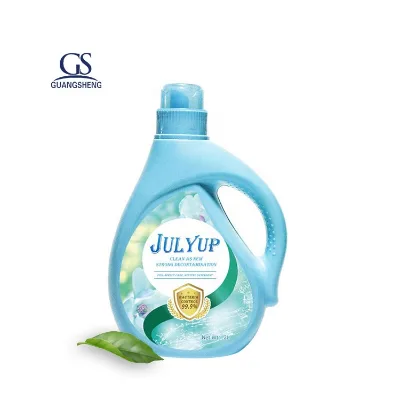
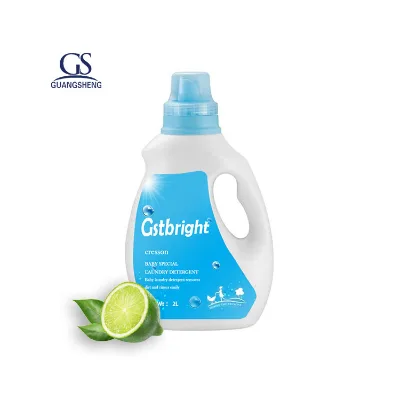


Comprehensive Sourcing Guide
Textile Testing Standard Reference Detergent Sourcing Guide
Procuring textile testing standard reference detergents requires a nuanced understanding of both chemical formulation and regulatory compliance. These specialized cleaning agents are not designed for general household laundry but serve as critical tools in quality assurance laboratories, textile manufacturing facilities, and independent testing centers. Their primary function is to provide a consistent, reproducible cleaning baseline against which fabric durability, colorfastness, and shrinkage can be measured. Buyers must distinguish between these reference standards and commercial-grade laundry detergents, as the former demands higher precision in active matter content, foam control, and residue management.
The sourcing landscape for these products is characterized by a wide variance in product forms, ranging from concentrated powders to liquid solutions, each tailored to specific testing protocols. Suppliers often offer customization services, allowing laboratories to specify exact fragrance profiles, phosphorus content, and active ingredient concentrations. This guide outlines the critical verification steps, technical specifications, and commercial considerations necessary to secure reliable reference detergents that meet international testing standards and support accurate textile evaluation.
Product Scope and Observed Listing Signals
The market for textile testing detergents exhibits significant diversity in physical form and packaging, reflecting the varied needs of different testing environments. Observed listings indicate a prevalence of powder-based products, specifically spray-dried, dye-free variants that offer stability and ease of storage. These powders are often available in a range of densities, typically between 220g and 800g/L, and can be customized with specific color indicators such as white, blue, pink, or green to aid in visual identification during laboratory procedures. Conversely, liquid formulations are also prevalent, offering low-foaming properties that are essential for automated washing machines used in standardized testing cycles.
Packaging solutions vary widely to accommodate both small-scale laboratory use and bulk industrial requirements. Suppliers offer packaging options ranging from small plastic bags and paper boxes for individual lab kits to large woven bags and container loads for manufacturing plants. The active matter content in these products is a key differentiator, with concentrations typically ranging from 5% to 30%, allowing buyers to select between ordinary and concentrated formulations based on their specific testing intensity. Additionally, the availability of both hot and cold water compatibility ensures that the reference detergent can be used across a broad spectrum of testing conditions without compromising cleaning efficacy.
Technical Specifications to Verify
When evaluating technical specifications, the first priority is verifying the active matter content and its consistency across batches. For textile testing, the concentration of active ingredients, often cited between 5% and 30%, directly impacts the cleaning power and must be precisely controlled to ensure reproducible results. Buyers should confirm whether the product is formulated as a concentrated or ordinary powder, as this affects the dosage required for standard tests. Furthermore, the phosphorus content is a critical technical parameter; suppliers may offer both STPP-based and non-phosphorus options, allowing laboratories to comply with specific environmental or regulatory testing frameworks that mandate phosphate-free formulations.
Foam control and water temperature compatibility are equally vital technical attributes for reference detergents. Low-foaming formulations are particularly important for machine washing tests, as excessive foam can interfere with mechanical agitation and sensor readings in automated testers. The ability of the detergent to perform effectively in both hot and cold water expands its utility across different testing standards, such as those for colorfastness to washing or shrinkage resistance. Buyers must also verify the fragrance and scent profiles, as some testing protocols require unscented or naturally fragrant detergents to avoid interference with odor retention tests or sensory evaluations of the textiles.
Compliance and Safety Documentation
Compliance with international quality and safety standards is non-negotiable for textile testing reference detergents. Buyers should insist on documentation that verifies adherence to recognized industry standards, such as ISO, BV, and SGS certifications, which attest to the product’s consistency and safety profile. These certifications provide assurance that the detergent meets rigorous quality control measures, ensuring that the cleaning performance is uniform and reliable across different batches. Without such documentation, the validity of textile test results may be compromised, leading to inaccurate assessments of fabric quality and durability.
Environmental and safety regulations also play a significant role in the selection of reference detergents. The choice between phosphorus-based and non-phosphorus formulations often depends on local environmental regulations and the specific requirements of the testing standard being followed. Buyers must ensure that the supplier can provide Material Safety Data Sheets (MSDS) and other relevant safety documentation that detail the chemical composition, handling precautions, and disposal guidelines. This documentation is essential for maintaining a safe laboratory environment and ensuring compliance with occupational health and safety regulations.
Cost Drivers and Commercial Terms
The cost of textile testing reference detergents is influenced by several factors, including the concentration of active matter, the complexity of the formulation, and the packaging requirements. Higher concentrations of active ingredients, such as those approaching 30%, typically command a premium due to the increased raw material costs and more stringent quality control measures. Additionally, customized formulations, such as specific fragrance profiles or dye-free variants, may incur additional charges due to the specialized production processes involved. Buyers should also consider the packaging size, as options ranging from small laboratory packs to bulk container loads can significantly impact the unit price.
Commercial terms, including minimum order quantities (MOQ) and delivery times, are critical components of the procurement process. MOQs can vary widely, from as low as one unit for small laboratory needs to 5,000 units for large-scale industrial testing. Delivery times are typically standardized, with many suppliers offering a lead time of approximately 30 days once all specifications and confirmations are finalized. Payment terms are often negotiable, allowing buyers to structure agreements that align with their cash flow and budgeting cycles. Understanding these commercial dynamics helps buyers plan their procurement strategy and manage inventory levels effectively.
Supplier Qualification and Quality Control
Supplier qualification is a crucial step in ensuring the reliability of textile testing reference detergents. Buyers should prioritize suppliers that offer OEM, ODM, and OBM services, as these capabilities indicate a high level of manufacturing flexibility and quality control. The ability to customize formulations, packaging, and branding suggests that the supplier has the technical expertise to meet specific laboratory requirements. Additionally, suppliers with a proven track record in the textile chemical industry are more likely to understand the nuances of testing standards and provide products that meet the precise needs of quality assurance laboratories.
Quality control measures implemented by the supplier are equally important. Buyers should inquire about the supplier’s internal quality assurance processes, including batch-to-batch consistency checks and raw material sourcing practices. Suppliers that produce their detergents in designated industrial regions, such as Fujian, China, may have established supply chains and manufacturing facilities that support consistent production. However, buyers should verify these claims through site audits or third-party inspections to ensure that the supplier’s quality control systems are robust and reliable.
Long-Term Procurement Checks
Long-term procurement success depends on establishing a sustainable relationship with suppliers who can consistently deliver high-quality reference detergents. Buyers should implement regular performance reviews to assess the consistency of product quality, delivery times, and customer support. Monitoring the supplier’s ability to adapt to changing testing standards and regulatory requirements is also essential, as the textile industry is subject to evolving environmental and safety regulations. Maintaining open communication with suppliers can facilitate timely updates on product improvements and new formulations that may enhance testing accuracy.
Inventory management and supply chain resilience are also key considerations for long-term procurement. Buyers should develop contingency plans to address potential supply disruptions, such as raw material shortages or production delays. Diversifying the supplier base, where possible, can mitigate risks associated with single-source dependencies. Additionally, staying informed about market trends and technological advancements in textile testing can help buyers anticipate future needs and adjust their procurement strategies accordingly. By focusing on these long-term checks, buyers can ensure a stable and reliable supply of reference detergents for their textile testing operations.
FAQs
What certifications are available for textile detergent suppliers?
Suppliers offer products certified under ISO, BV, and SGS standards. These certifications verify quality and compliance for international trade. Buyers can request documentation to ensure the detergent meets specific regulatory requirements for their target markets. This ensures consistent product quality and safety for textile processing applications.
Can I customize the fragrance of the textile detergent?
Yes, customization is available for various scents including lavender, lemon, fruity, and floral options. Buyers can specify their intended fragrance profile to match brand identity. The supplier supports OEM and ODM services to tailor the product formulation and scent to specific customer preferences and market demands.
What is the typical lead time for production?
The delivery time is typically within 30 days once all details are confirmed. This timeline applies after specifications, packaging, and payment terms are finalized. Buyers should plan their inventory accordingly to account for this standard production window. Early confirmation helps ensure timely shipment and supply chain stability.
Which packaging options are provided for bulk orders?
Packaging ranges from small plastic bags to large woven bags and containers. Options include cartons, paper boxes, and bulk containers for shipping. The supplier offers flexible packaging solutions from 15g to 50kg to suit different distribution needs. This allows buyers to choose packaging that best fits their retail or industrial requirements.
What active matter content is available in the detergent?
The active matter content ranges from 5% to 30%. This allows for both ordinary and concentrated powder formulations. Buyers can select the concentration level based on their washing efficiency needs. Higher active matter content typically provides better cleaning performance per unit weight, optimizing usage costs for industrial or commercial laundry operations.
Where are these textile detergents manufactured?
The products originate from Fujian, China. This region is a known hub for chemical and detergent manufacturing. Buyers can leverage this location for sourcing high-quality textile care products. The origin ensures access to established supply chains and manufacturing infrastructure for consistent production and export capabilities.