Source Automatic Mini Phone Polishing Machine for Screen Repair
Find 30 Automatic Mini Phone Polishing Machine options for refurbishing smartphone screens, watch glass, and back covers. Compare models with built-in compressors, dual stations, and 110V/220V voltage support to streamline your repair workflow; compare the available evidence and request quotations based on your requirements.
Key considerations
Products List
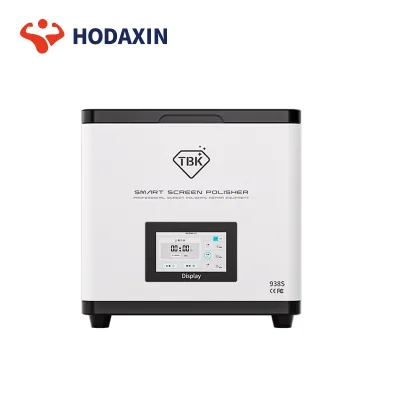
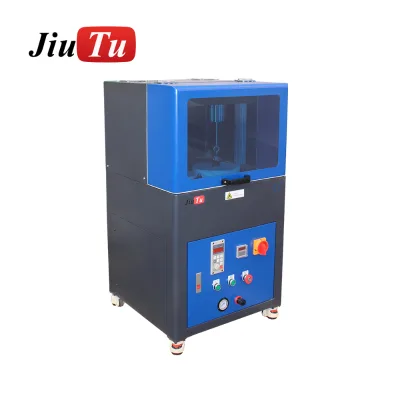
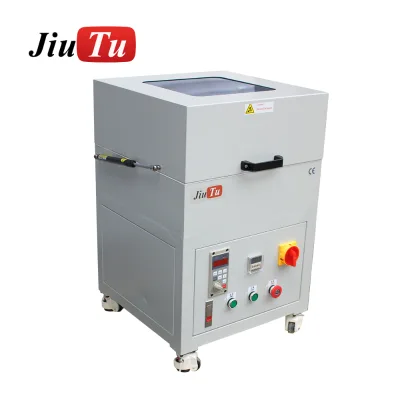
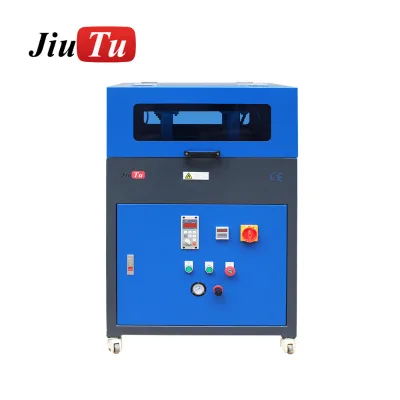
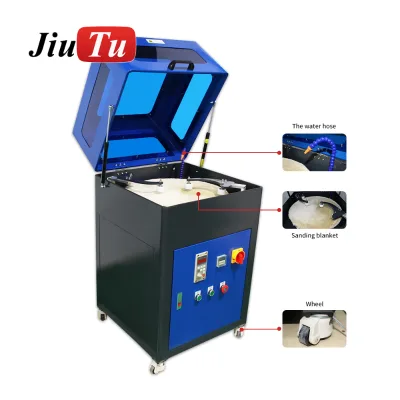
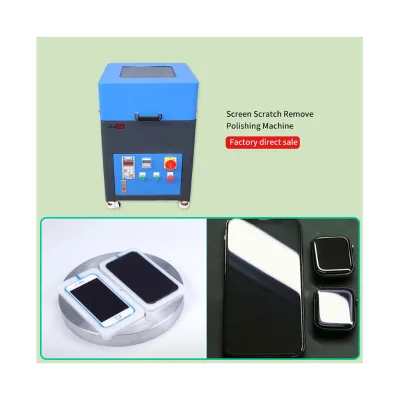
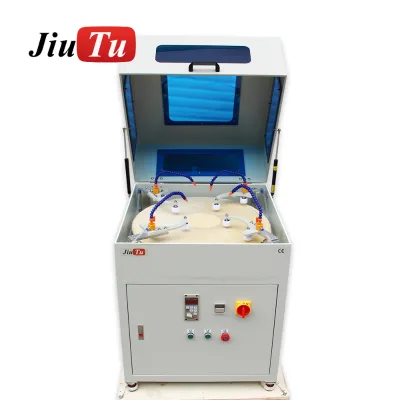
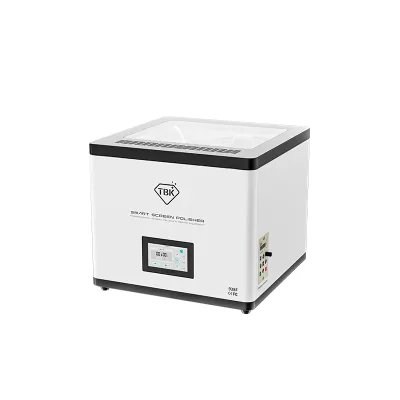
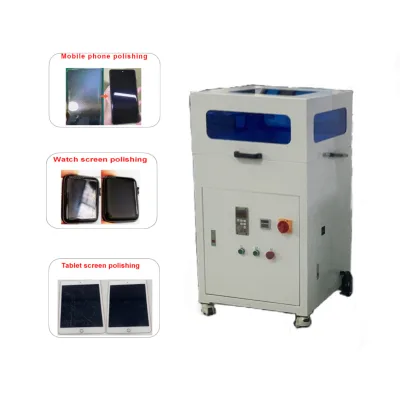
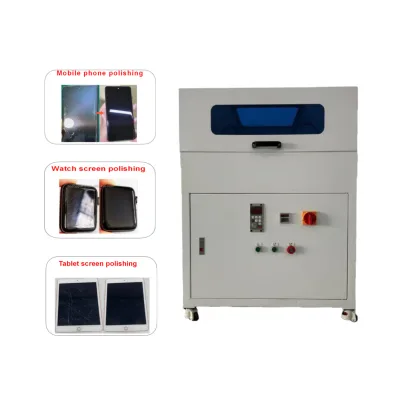
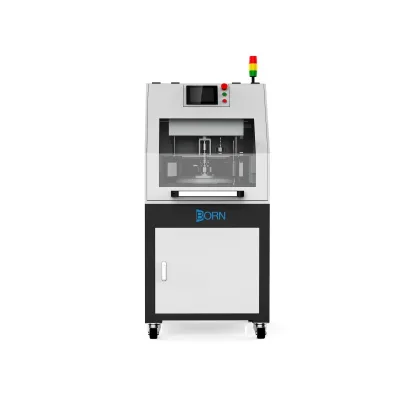
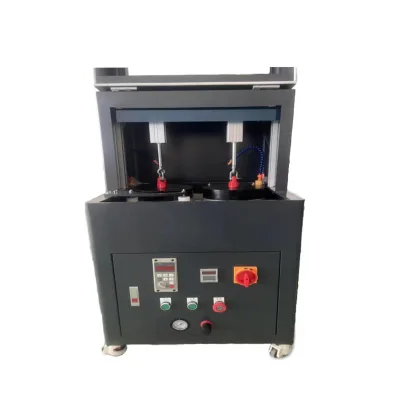
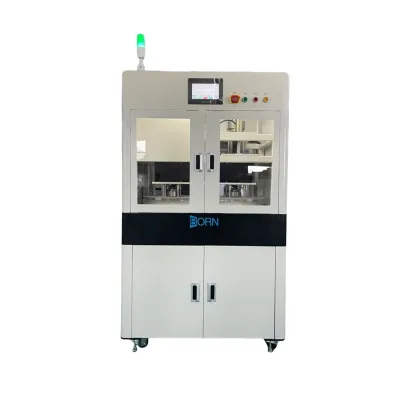


Touch Screen Mobile Cell Phone Precision Lapping Polishing Grinding Machine
$80000.00 - $100000.00
MOQ: 1 Pieces
Dongguan KIZI Precision Lapping Mechanical Manufacture Co., Ltd.

Ceramic Flat Surface Polishing Finishing Machine for Cell Phone Cover
$10000.00 - $60000.00
MOQ: 1 Pieces
Dongguan KIZI Precision Lapping Mechanical Manufacture Co., Ltd.

Ceramic Precision Fine Grinding Polishing Finishing Machine for Smart Phone
$80000.00 - $100000.00
MOQ: 1 Pieces
Dongguan KIZI Precision Lapping Mechanical Manufacture Co., Ltd.


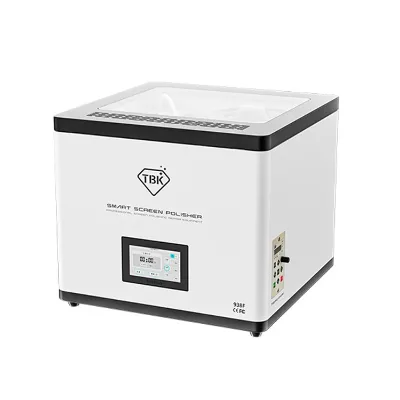


Pangda High Performance Mobile Phone Machine Cleaning Machine Polishing Equipment
$8000.00 - $20000.00
MOQ: 1 Pieces

Apple Phone Old Screen Refurbishment Glass Screen Polishing Machine
$30000.00 - $50000.00
MOQ: 1 Pieces


9104PA Metal Surface Mobile Phone Ceramic Plate Ceramic Grinding and Polishing Machine
$8000.00 - $20000.00
MOQ: 1 Pieces

Mobile Phone Parts Precision Table Surface Lapping and Polishing Machine
$8000.00 - $240000.00
MOQ: 1 Pieces
Comprehensive Sourcing Guide
Automatic Mini Phone Polishing Machine Sourcing Guide
The Automatic Mini Phone Polishing Machine is a specialized industrial tool designed to refurbish smartphone screens and back glass covers efficiently. Based on observed market listings, these units often feature built-in air compressors and are engineered to handle multiple device brands, including Huawei, Sony, and Oppo. Buyers should note that while some models are marketed as "mini" units, the physical dimensions and weight can vary significantly, with some heavy-duty versions weighing over 200 kg. This variation necessitates careful verification of the machine's footprint and power requirements before finalizing a purchase order.
Procurement decisions for this equipment must account for the specific voltage configurations available in the global market. Listings indicate that these machines typically support both 110V and 220V electrical inputs, ensuring compatibility with diverse regional power grids. However, the power consumption is often listed as "Standard" or "Other," requiring buyers to confirm the exact wattage for their facility's electrical capacity. Additionally, the functional scope extends beyond simple screen polishing to include watch refurbishment, making these units versatile assets for repair shops that handle multiple device categories simultaneously.
Product Scope and Observed Listing Signals
Buyers must distinguish between different product types within this category, as listings often conflate general polishing machines with specific LCD repair units. Some observed products are explicitly labeled as "LCD repair machines" with a focus on separating back covers, while others are dedicated "polishing machines" designed for scratch removal on front screens and back glass. The application scope is broad, covering electrical tool sets and computer tool kits, but the specific function—whether it is to separate a cover or polish a surface—must be clearly defined in the product description to avoid purchasing the wrong tool for the intended workflow.
The physical characteristics of these machines present a significant variance that impacts logistics and installation planning. While some models are described as having a "dual polishing station" and a compact design, others are substantial units with a single gross weight reaching 140 kg or more. The single package size for certain heavy models can be as large as 65.0 x 65.0 x 103.0 cm, which directly influences shipping costs and warehouse space requirements. Buyers should verify the exact dimensions and weight of the specific model they intend to buy, as the "mini" designation in the title does not always correlate with the actual physical size of the unit.
Technical Specifications to Verify
Voltage compatibility is a critical technical parameter that requires immediate verification, as listings show conflicting data points regarding power input. While some specifications explicitly state "110V/220V" availability, others list only "220V" or "110V" as the primary configuration. Buyers must confirm the exact voltage rating of the specific unit they are ordering to ensure it matches their local power infrastructure without requiring expensive transformers. The power rating is frequently listed as "Standard" or "Other," which is insufficient for engineering planning; the precise wattage must be obtained from the supplier to calculate energy costs and circuit load requirements accurately.
The mechanical features and operational capabilities of the machine must be scrutinized to ensure they meet the specific needs of the repair workflow. Many units advertise a "built-in compressor model" and claim to be suitable for all smartphone models, yet the actual performance depends on the quality of the core components, which are sometimes listed vaguely as "Other." The weight of the machine, ranging from 34 kg to over 200 kg in observed listings, affects stability during operation and the need for a reinforced workbench. Buyers should request detailed technical drawings and a list of core components to verify that the machine's construction supports the high-efficiency claims made in the product description.
Compliance and Safety Documentation
Safety and compliance documentation for these industrial polishing machines often lacks specific certification details in public listings. While some background data mentions "reach" compliance, this is not a confirmed attribute for every unit, and buyers should not assume that a product meets specific regional safety standards without explicit verification. The machinery test report is frequently listed as "Not Available," which is a significant red flag for procurement teams that require documented proof of mechanical safety and operational reliability. Buyers must explicitly request the machinery test report and any relevant safety certifications before finalizing a transaction to mitigate the risk of non-compliant equipment.
Quality control procedures are a vital component of the safety and reliability profile of these machines. Some suppliers indicate that units undergo "Fully tested before shipping" protocols, and video outgoing inspections are provided to demonstrate the machine's condition prior to dispatch. However, the absence of a formal machinery test report means that the internal quality assurance processes may vary between suppliers. Buyers should insist on receiving the video inspection footage and a detailed checklist of the tests performed to ensure that the machine is free from defects and operates safely before it leaves the factory.
Cost Drivers and Commercial Terms
The pricing for automatic mini phone polishing machines exhibits a wide range, observed from approximately $26.89 to $240,000, driven by differences in capacity, build quality, and included features. The high-end models often include advanced features like built-in compressors and dual polishing stations, which significantly increase the unit cost compared to basic single-station units. Buyers must align their budget with the specific functional requirements of their repair shop, as paying for high-capacity features that are not needed can lead to unnecessary capital expenditure. The "Selling Units" are typically listed as single items, meaning the price quoted is for the complete machine rather than a per-unit cost for a bulk order.
Commercial terms regarding shipping and lead times are critical factors that influence the total cost of ownership and project timelines. Listings indicate that some suppliers offer shipping within three working days after payment is completed, which is advantageous for urgent procurement needs. However, the lead time for production or customization may vary, and the large package sizes of some units can result in higher freight costs. Buyers should clarify the exact shipping terms, including who bears the cost of freight and insurance, and verify the actual lead time to ensure the equipment arrives when needed for their operational schedule.
Supplier Qualification and Quality Control
Supplier qualification for these machines should focus on their ability to provide transparent technical data and reliable after-sales support. The brand names observed in the market include "TBK" and "JiuTu," but buyers should not rely solely on brand reputation without verifying the specific model's track record. The warranty period varies, with some listings offering one year and others offering two years, which is a key differentiator in supplier reliability. Buyers should prioritize suppliers who offer a longer warranty period and clearly define the scope of coverage, including whether it covers core components like the compressor and motor.
Quality control verification is essential to ensure that the machine meets the advertised performance standards. While some listings claim "High efficiency" and "Saving time" as advantages, these are subjective claims that must be validated through the provided video outgoing inspection. Buyers should request a live demonstration or a detailed video showing the machine in operation to verify its noise levels, speed, and polishing quality. The presence of a "video_outgoing_inspection" attribute is a positive indicator, but the buyer must ensure that the video clearly shows the machine functioning correctly under load before accepting the shipment.
Long-Term Procurement Checks
Long-term procurement success depends on verifying the availability of spare parts and the durability of the machine's core components. The core components are often listed as "Other," which is a vague description that obscures the quality and replaceability of critical parts like motors and compressors. Buyers should request a detailed parts list and confirm the lead time for ordering replacements to ensure that the machine can be maintained over its lifespan without prolonged downtime. The warranty period, whether one or two years, should be viewed as a baseline, and buyers should negotiate extended support agreements if the machine is expected to run continuously in a high-volume repair environment.
Maintenance and operational longevity are influenced by the machine's design and the quality of its accessories. Some units come with a list of accessories, but the completeness and quality of these items are not always specified. Buyers should verify that the machine includes all necessary tools for operation, such as polishing pads and air hoses, and that these accessories are compatible with the specific model. Regular maintenance checks should be scheduled to monitor the condition of the built-in compressor and the polishing stations, ensuring that the machine continues to deliver the "High efficiency" and "Low noise" performance promised in the initial product listing.
FAQs
What is the voltage requirement for the TBK-938S polishing machine?
The machine supports both 110V and 220V electrical inputs to ensure global compatibility. This dual-voltage capability allows users in different regions to operate the device without needing external transformers. It is designed for standard electrical equipment connections, making it versatile for various workshop environments and international shipping requirements.
Can this machine refurbish both phone screens and watch backs?
Yes, the device is designed to refurbish phone screens, back glass, and watch components. It features a dual polishing station that fits all smartphone back covers and front screens. The built-in air compressor supports efficient scratch removal, making it a versatile tool for comprehensive electronic device repair and maintenance tasks.
What is the warranty period for the Automatic Mini Phone Polishing Machine?
The product comes with a warranty period of one to two years depending on the specific listing. This coverage ensures support for core components and general operation. Buyers should verify the exact terms with the supplier, as warranty durations can vary between different vendor offerings and specific model configurations available in the market.
How much does the Automatic Mini Phone Polishing Machine weigh?
The weight varies significantly across different models, ranging from approximately 34 kg to 213 kg. Some units weigh around 140 kg gross, while others are lighter at 260 kg. This variation depends on the specific machine configuration, built-in compressor features, and packaging materials included in the shipment.
Is the machine suitable for Huawei, Sony, and Oppo devices?
Yes, the polishing machine is compatible with various brands including Huawei, Sony, and Oppo. It is designed to handle all smartphone models for back cover separation and screen refurbishment. The versatile design ensures that users can effectively service a wide range of popular mobile devices without needing specialized tools for each brand.
What is the lead time for shipping the polishing machine?
Shipping typically occurs within three working days after payment is completed. This standard lead time ensures prompt dispatch for most orders. Buyers should confirm specific delivery schedules with suppliers, as actual transit times may vary based on destination, shipping method, and any custom packaging or accessory requirements included in the order.