Source Three Phase Natural Gas Generator for Mining, Construction, and Data Centers
Compare 29 Three Phase Natural Gas Generator options from Chinese manufacturers. Buyers can evaluate models ranging from 400kW to over 2MW with varying voltage, cooling methods, and certifications like CE and ISO.
Key considerations
Products List


$99999999.00
MOQ: 1 Sets


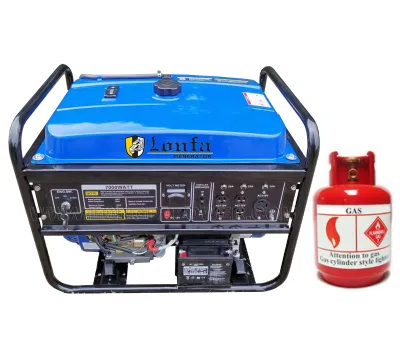
AC Three Phase 350kw 437kVA Gas Electric Generator Natural Gas Generator
$58200.00 - $70700.00
MOQ: 1 Pieces


Comprehensive Sourcing Guide
Three Phase Natural Gas Generator Sourcing Guide
Procuring a three-phase natural gas generator requires a disciplined approach to aligning technical performance with commercial viability. These units are critical for providing reliable backup power or continuous baseload electricity in industrial, commercial, and institutional settings where grid stability is uncertain or where cogeneration opportunities exist. The transition from diesel to natural gas offers distinct operational advantages, including lower fuel costs, reduced emissions, and quieter operation, but it introduces specific technical complexities regarding fuel supply infrastructure and engine management. Buyers must navigate a market characterized by a wide variance in power output, ranging from small auxiliary units to large-scale industrial sets capable of delivering megawatts of power. Understanding the specific configuration of the generator set, including the engine capacity, alternator type, and control systems, is essential for ensuring compatibility with existing electrical infrastructure and long-term maintenance capabilities.
The sourcing process is further complicated by the diversity of manufacturer specifications and regional compliance requirements. While natural gas is a clean-burning fuel, the efficiency and reliability of the generator depend heavily on the quality of the ignition system, the cooling method, and the voltage regulation mode. Buyers often encounter listings that vary significantly in their stated power ratings, voltage outputs, and physical dimensions. It is crucial to distinguish between observed listing signals and verified technical capabilities. For instance, while many suppliers advertise high power outputs exceeding 200kW, the actual performance under load, the power factor, and the speed of the generator set (typically 1000 or 1500 rpm) must be explicitly confirmed. This guide provides a structured framework for evaluating these variables, ensuring that procurement decisions are based on accurate, verifiable data rather than marketing claims.
Product Scope and Observed Listing Signals
The market for three-phase natural gas generators presents a broad spectrum of configurations, primarily distinguished by their power output and physical footprint. Observed listings indicate a significant range in rated power, with many units exceeding 200kW, catering to heavy industrial applications. Specific models identified in market data include the 2000GF-T, 1600GF-T, and 1000GF-T series, which suggest a standardized naming convention often used by manufacturers in major production hubs like Weifang and Shandong in China. These models typically feature water-cooled engines and are designed for continuous operation. The power range extends up to 2MW in some cogeneration setups, indicating that buyers can source units suitable for both small commercial backup and large-scale industrial power generation. The physical dimensions also vary, with some units measuring approximately 3600x1700x2000mm, while larger industrial sets may reach 5300x1970x2170mm, necessitating careful planning for installation space and logistics.
Fuel source and voltage compatibility are critical differentiators in the observed product scope. While "Gas" is a general category, specific listings clarify the use of Natural Gas, which requires a dedicated fuel supply line. The electrical output is predominantly AC Three Phase, with voltage options ranging from standard low-voltage configurations like 400V/230V or 480V/240V to higher industrial voltages such as 6.3kV and 10kV. This flexibility allows for direct integration into various distribution networks without the immediate need for step-up transformers in some cases. Additionally, the power factor is commonly rated at 0.8, a standard metric for sizing electrical loads. Buyers should note that some listings mention "Cogeneration," implying that these units can produce hot water or steam as a byproduct, adding value through combined heat and power (CHP) applications. This dual-output capability is a significant factor for facilities seeking to maximize energy efficiency and reduce overall operational costs.
Technical Specifications to Verify
When evaluating a three-phase natural gas generator, the engine and alternator specifications are the primary determinants of performance and longevity. The engine capacity, such as the 32L displacement observed in larger models, directly correlates with the power output and fuel consumption rates. Buyers must verify the cooling method, with water cooling being the standard for high-power units to maintain optimal operating temperatures under load. The ignition system, typically a sparking plug for natural gas engines, requires regular maintenance to ensure reliable starts. Furthermore, the starting system is usually a DC 24V electric motor, which must be paired with appropriately sized batteries to handle cold starts and high cranking amps. The isolation class of the alternator, often rated at Class H, indicates the thermal endurance of the winding insulation, which is crucial for preventing premature failure in high-temperature environments.
The control and regulation systems are equally important for ensuring stable power delivery. The voltage regulation mode is typically automatic, maintaining consistent output despite fluctuations in load. The exciting mode, often described as brushless in modern units, reduces maintenance needs by eliminating carbon brushes that wear out over time. The controller brand, such as Deepsea, is a key consideration as it dictates the user interface, monitoring capabilities, and protection features. Buyers should also verify the intake mode, with natural intake being common for standard installations, though forced induction may be required for high-altitude applications. The speed of the generator set, usually 1000 or 1500 rpm, affects the frequency output (50/60Hz) and the mechanical wear on the engine. Confirming these details ensures that the generator will operate efficiently and integrate seamlessly with the facility’s electrical and mechanical systems.
Compliance and Safety Documentation
Compliance with international and regional standards is non-negotiable for industrial equipment procurement. The most frequently cited certifications in the market include CE, ISO, and CCC. The CE mark indicates conformity with health, safety, and environmental protection standards for products sold within the European Economic Area, while ISO certification, often ISO 9001 for quality management, suggests a manufacturer’s commitment to consistent production processes. The CCC (China Compulsory Certification) is required for products sold in the Chinese market, indicating that the unit meets specific national safety and quality requirements. Buyers must verify that the documentation provided by the supplier is valid and corresponds to the specific model being purchased, as certifications can sometimes be generic rather than model-specific. This verification is critical for customs clearance and legal operation in various jurisdictions.
Safety and operational documentation must also be thoroughly reviewed to ensure safe installation and maintenance. The warranty period, commonly stated as 12 months, provides a baseline for manufacturer support, but buyers should clarify the scope of coverage, including parts and labor. Installation support is another key area; some suppliers offer guidance for installation abroad, which can be invaluable for international buyers unfamiliar with local electrical codes and mechanical requirements. The color of the unit, often yellow for visibility and safety, is a minor detail but reflects adherence to industrial aesthetic standards. Buyers should request detailed operation and maintenance manuals that cover routine checks, fuel system maintenance, and emergency shutdown procedures. Ensuring that all safety interlocks and protective devices are documented and functional is essential for preventing accidents and ensuring the longevity of the equipment.
Cost Drivers and Commercial Terms
The cost of a three-phase natural gas generator is influenced by several key factors, including power output, component quality, and customization options. Higher power ratings, such as those exceeding 200kW, naturally command higher prices due to the increased material and engineering requirements. The choice of alternator brand, such as Leroy-Somer, Marathon, or Siemens, also impacts the cost, as these reputable manufacturers offer higher reliability and longer lifespans. Customization options, such as specific voltage configurations or color schemes, can add to the base price. Additionally, the packaging method, whether it is a standard export wooden box, reinforced plastic film, or a plywood case with plastic film inside, affects the shipping cost and the risk of damage during transit. Buyers should consider the total landed cost, including freight, insurance, and customs duties, rather than just the unit price.
Commercial terms and minimum order quantities (MOQ) are critical components of the procurement negotiation. Observed MOQs range from 1 to 10 units, indicating that suppliers are flexible for both single-unit purchases and larger projects. Lead times can vary significantly based on the complexity of the order and the current production schedule. Buyers should negotiate clear terms regarding payment methods, delivery schedules, and after-sales support. The inclusion of installation guidance, as mentioned in some listings, can reduce the overall project cost by minimizing the need for external engineering services. It is also important to clarify the warranty terms, including the duration and the process for claiming repairs or replacements. Understanding these commercial dynamics allows buyers to budget accurately and avoid unexpected expenses during the procurement process.
Supplier Qualification and Quality Control
Selecting a reliable supplier is paramount to ensuring the quality and reliability of the three-phase natural gas generator. Suppliers located in major manufacturing hubs like Weifang and Shandong, China, often have established supply chains and production capabilities. However, buyers must conduct thorough due diligence to verify the supplier’s legitimacy and technical expertise. This includes checking for valid business licenses, export qualifications, and past performance records. Requesting references from previous clients, particularly those in similar industries, can provide valuable insights into the supplier’s reliability and customer service. Buyers should also inquire about the supplier’s quality control processes, including factory acceptance tests (FAT) and pre-shipment inspections. These steps help ensure that the unit meets the specified technical requirements before it leaves the factory.
Quality control extends beyond the initial purchase to include ongoing support and maintenance. Buyers should assess the supplier’s ability to provide spare parts and technical assistance throughout the lifecycle of the generator. A supplier with a robust network of service centers or authorized partners can significantly reduce downtime in the event of a malfunction. Additionally, buyers should verify the supplier’s commitment to continuous improvement and innovation, as this often correlates with better product quality and customer support. It is advisable to establish a clear communication channel with the supplier’s technical team to address any questions or issues that may arise during installation or operation. Building a strong relationship with a qualified supplier can lead to better pricing, priority service, and access to the latest product developments.
Long-Term Procurement Checks
Long-term procurement success depends on establishing a framework for ongoing evaluation and relationship management. Regular performance reviews of the installed generator sets are essential to identify any deviations from expected performance metrics, such as fuel efficiency, voltage stability, or maintenance frequency. Buyers should maintain detailed records of all maintenance activities, repairs, and component replacements to track the total cost of ownership. This data can be used to negotiate better terms with suppliers for future purchases or to identify potential issues before they lead to costly failures. Additionally, buyers should stay informed about changes in regulations, standards, and technology that may affect the operation or replacement of their generator sets.
Continuous engagement with the supplier is also crucial for long-term success. This includes participating in training programs for maintenance staff, reviewing updated technical bulletins, and discussing potential upgrades or modifications. Buyers should also monitor the supplier’s financial stability and market reputation to ensure they remain a viable partner for future needs. By maintaining a proactive approach to procurement and supplier management, buyers can maximize the value of their three-phase natural gas generator investments, ensuring reliable power supply and operational efficiency for years to come. This disciplined approach minimizes risks and supports the strategic goals of the organization.
FAQs
What certifications do these generators have?
These generators hold CE, ISO, and CCC certifications. Some models also include TLC certification. These standards ensure compliance with international safety and quality requirements for industrial equipment.
Can I customize the generator specifications?
Yes, customization is available for these units. Buyers can request specific configurations to match their operational needs. This flexibility allows for tailored solutions across different industrial applications.
What is the output type for these units?
The output type is AC Three Phase power. This configuration supports heavy industrial loads and large-scale commercial operations. It ensures stable power delivery for complex machinery and systems.
Which gas sources are compatible with these generators?
These generators operate on both general gas and natural gas sources. Specific models are designed for natural gas input. This versatility allows deployment in various fuel infrastructure environments.
How is the generator packed for shipping?
Packaging options include wood cases, reinforced plastic film, or standard export wooden boxes. Some units use plywood cases with plastic film inside. These methods ensure safe transport and protection during international shipping.
What is the rated power capacity range?
Rated power ranges from 400kW up to 2MW for natural gas generator sets. Some models exceed 200kW capacity. This wide range accommodates diverse power requirements from small facilities to large plants.
Where are these generators manufactured?
Manufacturing locations include Weifang and Shandong in China. These regions are established hubs for industrial generator production. Origin details are provided for each specific model to ensure transparency.