Source Tinted Tempered Laminated Glass for Building, Furniture, and Doors
Find 30 listings for Tinted Tempered Laminated Glass suitable for building, furniture, and door applications. Compare specifications including thickness options from 6mm to 22mm, various certifications like CE and ASTM, and customization availability to identify the right supplier for your project needs.
Updated
Key considerations
Products List


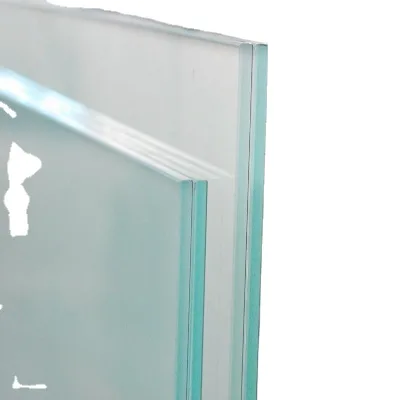


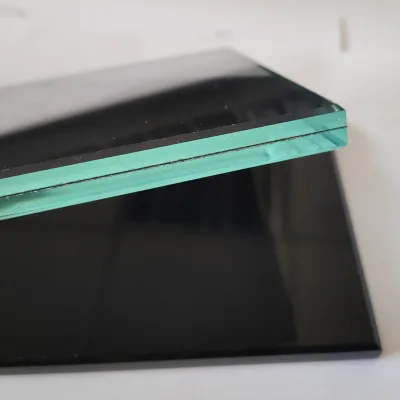
Laminated Building Glass Tinted Laminated Glass Color Coated Laminated Glass
$0.50 - $10.00
MOQ: 500 Pieces


6.38mm Laminated Glass/Laminated Tempered Glass/Tinted Laminated Glass
$6.29 - $29.99
MOQ: 100 Square Meters

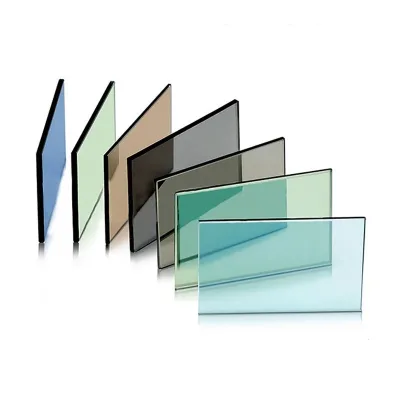

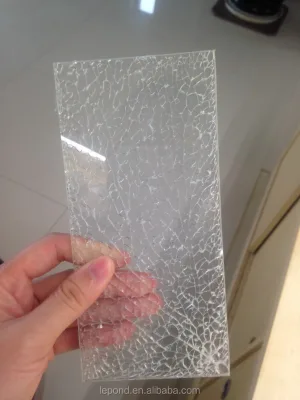
Laminated Glass with Customized Clear Frosted Tempered Glass
$15.00 - $30.00
MOQ: 3 Square Meters
Jiangmen Jianghai District Yuan Qiang Safety Glass Co., Ltd.

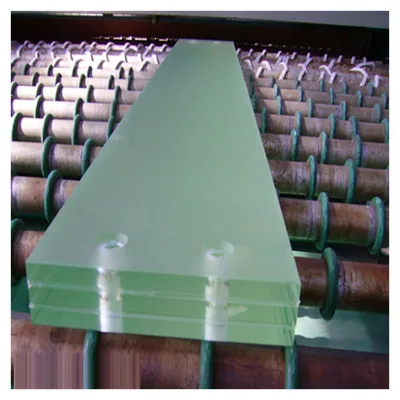
Fine Polished Laminated Glass/ Tempered Glass/ Laminated Tempered
$5.00 - $9.85
MOQ: 500 Square Meters

Tinted Glass/ Reflective Glass/Tempered Glass/ Laminated Glass/Building Glass
$2.00 - $10.00
MOQ: 20 Square Meters

Laminated Insulated Glass/ Tempered Laminated Glass with Ce Certificate
$6.99 - $25.99
MOQ: 100 Square Meters

Comprehensive Sourcing Guide
Tinted Tempered Laminated Glass Sourcing Guide
Sourcing Tinted Tempered Laminated Glass requires a careful balance of aesthetic preference and structural integrity, particularly for high-visibility architectural applications. Buyers must recognize that this composite material combines the safety benefits of lamination with the strength and thermal resistance of tempered glass, while the tint provides solar control and visual privacy. The supply chain for such specialized glass is dominated by manufacturers in China, where extensive experience in glass manufacturing supports large-scale production capabilities. Understanding the specific layering techniques and interlayer materials is essential for ensuring the final product meets both design intent and performance requirements.
Procurement decisions should be guided by the observed market signals, which indicate a wide range of available configurations. Listings frequently highlight customization options, allowing buyers to select specific tints such as clear, ultra-clear, brown, bronze, blue, green, or grey to match architectural themes. The availability of flat tempered glass in various thicknesses suggests that buyers can tailor the product to specific load-bearing or safety needs. However, the diversity of options also introduces complexity in verification, requiring buyers to clearly define their technical requirements before engaging with suppliers to avoid mismatches in performance or appearance.
Product Scope and Observed Listing Signals
The product scope for Tinted Tempered Laminated Glass encompasses a variety of structural and decorative applications, including furniture, doors, building facades, windows, and home appliances. Observed listings indicate that the glass is often used in showcases, counters, aquariums, skylights, and corridors, highlighting its versatility in both interior and exterior settings. The core product attributes reveal that the glass is typically flat and solid, with some variations offering bent tempered glass options where the radius exceeds 450mm. This flexibility allows for creative architectural designs while maintaining the necessary safety standards for public and private spaces.
Commercial signals from the market show a price range of 0.5 to 100 USD, with minimum order quantities varying from 1 to 2000 units, suggesting flexibility for both small-scale projects and large industrial contracts. The production method is predominantly dry laminated glass, which ensures durability and clarity. Buyers should note that the standard sizes available include dimensions such as 2134x3300mm, 1830x2440mm, and 2134x3660mm, with some suppliers offering maximum sizes up to 3600x18000mm. These signals help buyers gauge the scalability of potential suppliers and the feasibility of sourcing large-format glass for expansive architectural projects.
Technical Specifications to Verify
Technical verification must begin with the glass thickness and interlayer specifications, which are critical for safety and performance. Observed data indicates glass thicknesses ranging from 3mm to 22mm, with specific laminated options like 6.38mm, 6.76mm, 8.38mm, and 10.38mm. The interlayer, often SGP, is available in thicknesses such as 0.89mm, 1.14mm, 1.52mm, 1.78mm, and 2.58mm, which significantly impacts the glass's impact resistance and sound insulation properties. Buyers should verify that the selected combination of glass and interlayer thickness meets the specific safety codes for the intended application, whether it is a balustrade, a skylight, or a structural partition.
Edge treatment and surface finish are also key technical parameters that affect both aesthetics and safety. Suppliers typically offer polished, grinded, or C-round edges, which are essential for preventing injuries and ensuring a seamless installation. The appearance is described as flat tempered, with the steel degree confirmed as tempered glass, indicating that the material has undergone thermal treatment to increase its strength. Buyers must confirm that the tinting process is uniform and that the glass maintains its optical clarity, as any defects in the tempering or lamination process can compromise the structural integrity and visual quality of the final product.
Compliance and Safety Documentation
Compliance with international and regional standards is non-negotiable for Tinted Tempered Laminated Glass, especially in building and construction applications. Suppliers often cite certifications such as CE, ASTM, CSI, ISO9001, SGS, and EN1215, which indicate adherence to quality management and safety performance criteria. Buyers should request valid certificates for each batch or production run, ensuring that the glass meets the specific requirements of the destination market. The presence of standards like AS/NZS2208:1996 and GB further suggests that suppliers are equipped to handle diverse regulatory environments, but verification of the current validity of these documents is essential.
Safety documentation must also include test results for impact resistance, thermal stability, and optical properties. While specific test data is not provided in the general listings, buyers should inquire about the testing protocols used to verify the glass's performance under stress. The melting point is described as high temperature, which is consistent with tempered glass, but buyers should confirm the exact thermal limits to ensure suitability for environments with high heat exposure. Additionally, the energy transfer mechanism is noted as convection, which may influence the glass's performance in terms of heat insulation, a factor that should be evaluated in conjunction with the tint's solar control properties.
Cost Drivers and Commercial Terms
Cost drivers for Tinted Tempered Laminated Glass include the thickness of the glass and interlayer, the complexity of the tinting process, and the volume of the order. The observed price range of 0.5 to 100 USD reflects these variables, with thicker glass and specialized tints commanding higher prices. Minimum order quantities ranging from 1 to 2000 units allow for flexibility, but larger orders may benefit from economies of scale. Buyers should also consider the cost of customization, as specific sizes, edge treatments, and tints may incur additional charges. Understanding these cost drivers helps in budgeting accurately and negotiating favorable terms with suppliers.
Commercial terms such as delivery conditions, payment methods, and lead times are critical for supply chain planning. Suppliers typically offer EXW, FOB, and CIF terms, allowing buyers to choose the level of control over logistics. Payment terms often include L/C at sight or a 30% T/T advance with the balance before shipment, which is standard in the industry. Lead times are generally within 2-4 weeks, with samples available in 3-7 days, enabling buyers to verify quality before committing to large orders. These terms should be clearly defined in the contract to avoid disputes and ensure timely delivery of the glass.
Supplier Qualification and Quality Control
Supplier qualification is a vital step in ensuring the reliability of the Tinted Tempered Laminated Glass supply. Buyers should prioritize suppliers with extensive experience, such as those with 28 years in glass manufacturing, as this indicates a mature production process and a track record of quality. Verification of the supplier's manufacturing capabilities, including their ability to handle large sizes and complex customizations, is essential. Buyers should also assess the supplier's quality control processes, including in-line inspections and final product testing, to ensure that the glass meets the specified technical and aesthetic requirements.
Quality control measures should extend to the packaging and shipping processes, as glass is fragile and susceptible to damage during transit. Suppliers typically use strong standard crates, seaworthy wooden crates, or plywood crates with interlayer paper to protect the glass. Buyers should confirm that the packaging is suitable for the chosen shipping method, whether sea, air, or express, and that it includes adequate cushioning and bracing. Additionally, buyers should establish clear acceptance criteria for the delivered glass, including checks for surface defects, edge quality, and tint uniformity, to ensure that the product meets the agreed-upon standards.
Long-Term Procurement Checks
Long-term procurement checks involve continuous monitoring of supplier performance and product quality to ensure consistency over time. Buyers should establish a regular review process to evaluate the supplier's adherence to delivery schedules, quality standards, and communication protocols. Feedback from installation teams and end-users can provide valuable insights into the glass's performance in real-world conditions, highlighting any issues with durability, appearance, or safety. This feedback loop should be used to refine specifications and negotiate improvements in the supplier's processes, ensuring that the procurement strategy remains aligned with the project's evolving needs.
Sustainability and regulatory changes are also important considerations for long-term procurement. Buyers should stay informed about updates to building codes and environmental regulations that may affect the use of Tinted Tempered Laminated Glass. Suppliers who invest in sustainable manufacturing practices and offer eco-friendly options may provide a competitive advantage in markets with strict environmental standards. By maintaining a proactive approach to supplier management and market trends, buyers can mitigate risks and ensure a stable supply of high-quality Tinted Tempered Laminated Glass for their projects.
FAQs
What thickness options are available for Tinted Tempered Laminated Glass?
Available thickness options include 6mm, 8mm, 12mm, 15mm, and 19mm for the glass layer. The interlayer thickness ranges from 0.89mm to 2.58mm depending on the specific model requirements. These dimensions support various structural applications in buildings and furniture.
Which certifications does the Tinted Tempered Laminated Glass hold?
The product holds multiple certifications including CE, ASTM, ISO9001, and SGS. Additional standards like En1215 and AS/NZS2208:1996 are also available. These documents verify compliance with international safety and quality requirements for construction and furniture use.
Can I request custom colors for the Tinted Tempered Laminated Glass?
Yes, custom colors are available upon request to meet specific design needs. The glass can be produced in clear, ultra-clear, brown, bronze, blue, green, or grey variants. This flexibility allows for tailored aesthetic solutions for windows, doors, and decorative applications.
How long is the lead time for Tinted Tempered Laminated Glass orders?
The standard lead time is within 2 to 4 weeks after order confirmation. This duration covers production and preparation for shipping via sea, air, or express methods. Specific timelines may vary based on order volume and customization requirements.
What packaging is used for exporting Tinted Tempered Laminated Glass?
Exports utilize strong standard crates or seaworthy wooden crates with interlayer paper. Some shipments use plywood crates with cork insulation for added protection. These methods ensure the glass arrives safely without damage during international transit.
Which applications are suitable for Tinted Tempered Laminated Glass?
Suitable applications include building facades, windows, doors, furniture, and home appliances. It is also used in electronics, instruments, showcases, and aquariums. The solid structure and tempered nature make it ideal for high-traffic and safety-critical environments.
What is the minimum order quantity for Tinted Tempered Laminated Glass?
The minimum order quantity ranges from 1 to 2000 units depending on the supplier and specific product configuration. Buyers should verify exact MOQs with manufacturers as policies vary by factory capacity and customization levels required for the project.