Source Glass Rocks for Courtyards, Parks, and Landscaping
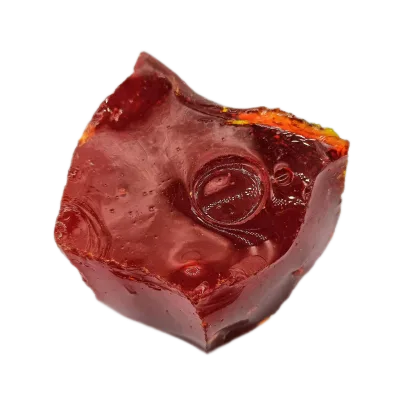
Compare 30 listings of Glass Rocks from verified Chinese suppliers. Buyers can evaluate options for courtyard decoration, park landscaping, and building applications with varying thicknesses, colors, and solid structures. Review specifications for flat and curve shapes, including sky blue and navy blue variants, to find suitable decorative materials for schools, laundry areas, and gardens.
Key considerations
Products List
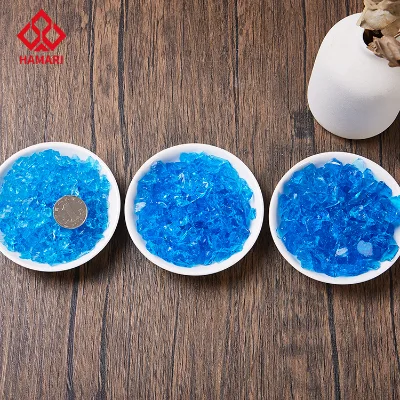
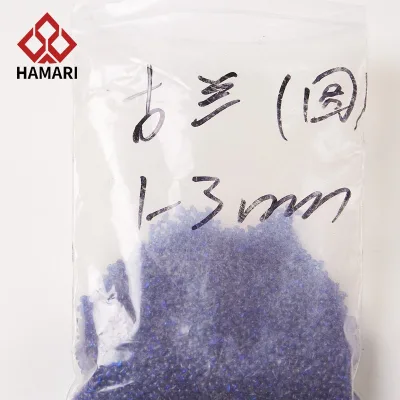


Bulk Reflective Fire Glass Blue Green Tempered Glass Rocks for Fireplace
$440.00 - $520.00
MOQ: 20 Tons

Crushed Colored Printed Glass Rocks for Garden Landscapes Fire Pits Home Decoration
$440.00 - $520.00
MOQ: 20 Tons


Wholesale Colored Large Landscaping Slag Glass Rocks Glass Pebbles Blue
$440.00 - $520.00
MOQ: 20 Tons

Top Quality Garden Decoration Glass Rocks Ocean Blue Cullet Glass Stone
$440.00 - $520.00
MOQ: 20 Tons
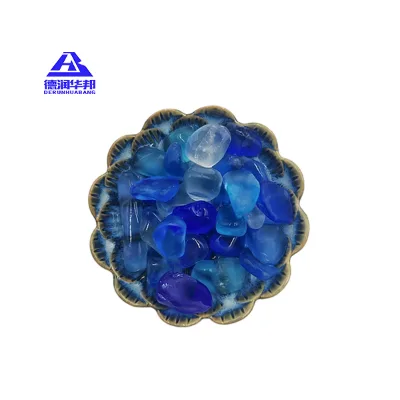


Ultra Clear Glass Block Crystal Glass Bricks Hollow Glass Blocks
$1.37 - $1.48
MOQ: 1000 Square Meters




Comprehensive Sourcing Guide
Glass Rocks Sourcing Guide
Procuring Glass Rocks requires distinguishing between decorative aggregates for landscaping and structural glass blocks for architectural integration. The market presents distinct product categories, ranging from small recycled glass beads in 1-3mm sizes to larger solid glass blocks measuring 9-12mm or 1-12mm in thickness. Buyers must first clarify whether the project demands loose-fill material for garden landscaping or rigid units for courtyard and school applications, as the supply chain and technical requirements differ significantly between these forms.
Initial listing signals indicate a wide variance in packaging and origin, with some suppliers offering 25kg PP bags for loose rocks while others utilize wooden or plywood crates for larger glass blocks. Geographic origins span from Guangdong to Hebei and Fuzhou, suggesting regional specialization in different glass processing techniques. Understanding these listing signals helps buyers anticipate logistics complexity, as the delivery time for bulk aggregates may differ from the 15-30 day lead time observed for custom glass block projects requiring specific model numbers like DG039 or DG033.
Product Scope and Observed Listing Signals
Buyers should verify the specific shape and color attributes against project design requirements, as listings show options ranging from flat and curve shapes to solid colors like sky blue, navy blue, and multi-colored red, green, and yellow variations. The product scope includes both functional building materials and purely decorative elements, with applications extending to laundry areas, parks, and general building structures. It is critical to confirm if the supplier offers total project solutions including graphic design, which can streamline the integration of these materials into complex architectural plans.
The observed selling units and packaging methods provide early indicators of the supplier's capacity for large-scale orders versus smaller, customized requests. Some listings specify selling units in multiples of 1,000, while others offer single package sizes of 20x20x15 cm, reflecting different logistical strategies for international shipping. Buyers must align their order volume with these constraints, noting that customization is available for certain models but may require specific standard compliance or unique packing arrangements like cartons versus wooden crates.
Technical Specifications to Verify
Technical verification must begin with the precise model number and dimensional specifications, as the market lists distinct ranges such as 1-3mm, 2-4mm, 3-6mm, and 6-9mm for glass sand and beads, alongside thickness options from 3mm up to 12mm for solid glass blocks. The structure is consistently described as solid, but the grade is noted as excellent, requiring buyers to request physical samples to confirm the density and clarity of the glass. Specific model identifiers like HB-B or DG032 serve as unique fingerprints for these technical parameters, ensuring that the ordered material matches the intended structural or aesthetic load.
Thickness and size consistency are paramount for applications involving windows, furniture, or building facades, where irregular dimensions could compromise safety or visual uniformity. Buyers should explicitly confirm the color type, ensuring it matches the required solid color profile rather than a mixed or variable finish unless specifically ordered. The presence of plating is noted as zero in some listings, indicating a raw glass finish, which is essential for outdoor landscaping where chemical coatings might degrade under UV exposure or weather conditions.
Compliance and Safety Documentation
Compliance verification is essential when sourcing glass products for public spaces like schools, parks, and courtyards, where safety standards are strictly enforced. Listings reference standards such as CE, ISO, and CCC, which are critical for ensuring the glass meets international safety and quality benchmarks. Buyers must request current certification documents to validate these claims, as the presence of these marks indicates that the product has undergone specific testing for structural integrity and chemical safety before entering the market.
For projects requiring custom standards, suppliers may offer to customize products according to specific demand, but this requires rigorous documentation of the agreed-upon specifications. The absence of specific certification data in general listings means buyers cannot assume compliance without direct verification. It is advisable to ask for test results related to impact resistance and thermal stability, particularly for glass blocks used in windows or furniture, to ensure they meet the safety requirements of the local jurisdiction where the project is located.
Cost Drivers and Commercial Terms
Cost drivers in the Glass Rocks market are heavily influenced by the material grade, customization level, and packaging requirements. While some products are made from recycled glass, which may offer cost advantages, others are manufactured as excellent grade solid glass blocks, commanding higher prices due to the processing involved. The observed price range of 0.25 to 550 USD reflects this diversity, with the final cost depending on the specific model, thickness, and whether the order requires custom colors or shapes like curves.
Commercial terms such as MOQ and delivery time significantly impact the total cost of ownership. Suppliers often require orders in multiples of 1,000 units, which can affect the unit price for smaller buyers. Delivery times typically range from 15 to 30 days, but this can vary based on the origin, such as Fuzhou or Hebei, and the complexity of the packing, whether it involves simple cartons or heavy wooden crates. Buyers should negotiate these terms early to avoid unexpected delays or surcharges that could disrupt project timelines.
Supplier Qualification and Quality Control
Supplier qualification should focus on the availability of after-sales support and the ability to provide onsite inspection services. Listings indicate that some suppliers offer online technical support and return and replacement services, which are vital for mitigating risks associated with damaged goods or specification mismatches. Buyers should prioritize suppliers who demonstrate a commitment to quality control through these service channels, ensuring that any issues arising during transit or installation can be resolved efficiently without significant financial loss.
Quality control processes must be verified through the supplier's track record in handling specific product types like Glass Rocks or glass blocks. The presence of a 3-year warranty on certain products suggests a high level of confidence in the material's durability, but buyers should clarify the specific terms of this warranty. It is also important to assess the supplier's capacity to handle custom orders, as the ability to customize according to demand often correlates with a more robust quality assurance framework and better attention to detail in the manufacturing process.
Long-Term Procurement Checks
Long-term procurement success depends on establishing a reliable supply chain that can consistently meet the evolving needs of the project. Buyers should monitor the supplier's ability to maintain consistent product grades and specifications over time, especially when reordering materials for future phases of a construction or landscaping project. The availability of a total solution for projects, including graphic design, can be a significant advantage for maintaining design integrity across different stages of development.
Regular audits of the supplier's production capabilities and adherence to standards are necessary to ensure ongoing compliance and quality. Buyers should verify that the supplier continues to meet the required standards, such as CE or ISO, and that their lead times remain stable despite market fluctuations. Building a relationship with a supplier who offers customization and has a proven track record in the specific region of origin, such as Guangdong or Hebei, will facilitate smoother operations and reduce the risk of supply chain disruptions in the future.
FAQs
What customization options are available for Glass Rocks?
Customization is available for Glass Rocks to meet specific project needs. Buyers can request tailored specifications such as model numbers like DG039 or DG033. The supplier offers total project solutions including graphic design. This ensures the final product fits unique architectural or landscaping requirements effectively.
How long is the delivery time for glass rock orders?
The standard delivery time for glass rock orders ranges from 15 to 30 days. This timeline applies to most orders placed with the supplier. Buyers should plan their project schedules accordingly to ensure timely arrival. Expedited options may vary based on current production capacity and order volume.
Which certifications do the Glass Rocks meet?
The Glass Rocks meet CE, ISO, and CCC standards as documented in product specifications. These certifications ensure compliance with international safety and quality requirements. Buyers can verify these standards before placing large orders. The products are suitable for use in courtyards, schools, and parks globally.
Can I order Glass Rocks in small quantities?
Yes, you can order Glass Rocks in small quantities starting from a single unit. However, the selling units are typically multiples of 1,000 for bulk transactions. The minimum order quantity ranges from 1 to 3,000 depending on the specific product variant. This flexibility supports both small projects and large-scale developments.
What materials are used to make these Glass Rocks?
These Glass Rocks are made from recycled glass classified as excellent grade material. The solid structure ensures durability for decorative and functional applications. They are available in various colors including sky blue and navy blue. The material quality supports long-term use in landscaping and building projects.
How are the Glass Rocks packaged for shipping?
Glass Rocks are packaged in wooden crates, plywood crates, or cartons depending on the order. Some variants like glass sand come in 25kg PP bags. The packaging ensures safe transport and prevents damage during transit. Buyers can choose packaging that suits their logistics requirements and destination.
What after-sales services are provided for Glass Rocks?
After-sales services include online technical support and return and replacement options. Some suppliers also offer onsite inspection services for quality assurance. A three-year warranty is provided for eligible products. These services ensure buyer confidence and support throughout the product lifecycle.