Source Toilet Seats for Home, Hotel, and Commercial Use
Source 30 Toilet Seat options featuring slow-close hinges, plastic and ceramic materials, and various shapes. Compare models like JNT H57 and E2200 for home, hotel, and commercial applications with customizable logos and multi-color finishes.
Key considerations
Products List


Family Toilet Seat Elevated Toilet Safety Seat for Standard or Elongated Commode
$9.00 - $11.70
MOQ: 20 Pieces


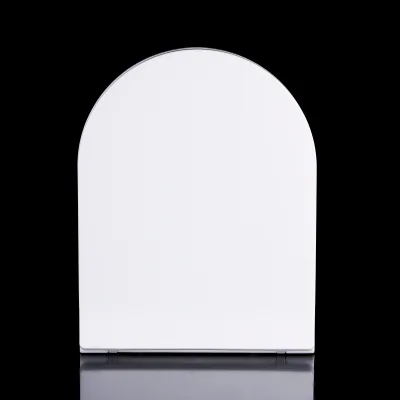
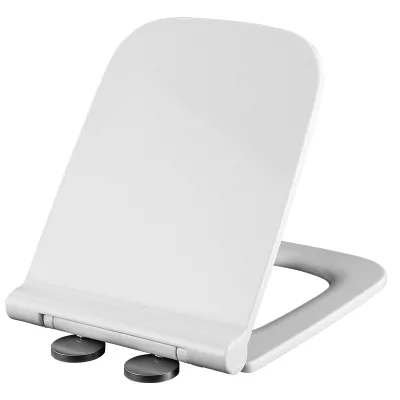

Comprehensive Sourcing Guide
Toilet Seat Sourcing Guide
Sourcing toilet seats requires a nuanced understanding of material science, mechanical engineering, and user experience design. The market offers a wide spectrum of products, ranging from basic economic plastic lids to advanced intelligent systems with electric heating and leakage protection. Buyers must distinguish between simple replacement parts and integrated bathroom fixtures, as the procurement strategy, quality control measures, and commercial terms differ significantly for each category. This guide provides a structured approach to navigating these distinctions, ensuring that procurement teams select products that align with their specific market positioning and quality expectations.
The decision-making process begins with defining the target application and user demographic. Whether sourcing for residential renovations, hotel projects, or retail distribution, the choice of shape, material, and feature set dictates the final product selection. Key variables include the hinge mechanism, which determines the user experience through soft-close or normal-close functionality, and the overall dimensions, which must match existing plumbing infrastructure. By establishing clear criteria early in the sourcing process, buyers can filter out irrelevant listings and focus on suppliers who possess the technical capability to deliver the required specifications.
Product Scope and Observed Listing Signals
The current market landscape for toilet seats is characterized by a diverse range of product types, primarily divided into traditional plastic seats and modern intelligent toilet systems. Traditional seats often feature elongated or round shapes made from plastic materials with stainless steel hinges, catering to standard home usage. These products are frequently marketed with attributes such as slow-down mechanisms, multi-color options, and customizable logos, indicating a strong focus on aesthetic flexibility and brand integration for B2B clients. The observed product models, such as JNT H57 and JN H79, suggest a standardized approach to manufacturing, with specific dimensions like 420360mm and 400350mm defining the fit for various bowl types.
In contrast, the intelligent toilet segment represents a higher tier of complexity, incorporating electronic components and advanced hygiene features. Products in this category, such as model E2200, are constructed from ceramic and feature floor-mounted installations with modern, concise styles. These units often include sophisticated functionalities like electric heating washers, hot air blowing, and leakage protection, which require rigorous quality assurance. The presence of double holes for taps and specific internal ring dimensions, such as 224X297mm, highlights the precision engineering required for these systems. Buyers must carefully evaluate whether their procurement needs align with the mechanical simplicity of plastic seats or the technological sophistication of intelligent toilets.
Technical Specifications to Verify
Dimensional accuracy is the most critical technical factor in Toilet Seat procurement, as an incorrect fit can lead to installation failures and customer returns. Buyers must verify the standard dimensions provided by suppliers against their specific inventory or project requirements. For instance, some models are specified at 435360mm or 450380mm, while others may have adjustable lengths ranging from 70-170mm to accommodate varying bolt hole distances. It is essential to confirm whether the product includes an adjustable length feature, as this can significantly reduce the risk of compatibility issues during installation. Additionally, the inner ring dimensions, such as 224X297mm, must be cross-referenced with the toilet bowl geometry to ensure a secure and stable fit.
Material composition and hinge mechanics also play a pivotal role in the longevity and performance of the product. Plastic seats typically weigh between 0.75kgs and 1.0kgs, with stainless steel hinges providing durability and resistance to corrosion. For intelligent toilets, the material is predominantly ceramic, which offers superior hygiene and ease of cleaning compared to plastic alternatives. Buyers should verify the hinge type, choosing between soft-close and normal-close mechanisms based on user preference and noise reduction requirements. Furthermore, the installation type, whether floor-mounted or wall-hung, must be confirmed to ensure that the product integrates seamlessly with the existing bathroom infrastructure.
Compliance and Safety Documentation
Safety certifications are non-negotiable for intelligent toilet systems due to the integration of electrical components. Buyers must request documentation for certifications such as CE and ROHS, which indicate compliance with European safety and environmental standards. These certifications ensure that the electrical systems, including electric heating and leakage protection features, meet rigorous safety thresholds. Without proper certification, products may pose significant risks, including electrical shock or fire hazards, which can lead to liability issues and brand damage. It is crucial to verify that the certification documents are current and issued by recognized testing bodies.
For traditional plastic seats, while electrical safety is not a concern, material safety and durability standards remain important. Buyers should inquire about the quality of the plastic material used, ensuring it is free from harmful chemicals and resistant to cracking or discoloration over time. The warranty period, which can range from 2 to 3 years depending on the product model, serves as an indicator of the manufacturer's confidence in their product's durability. A longer warranty period often correlates with higher quality materials and better manufacturing processes, providing buyers with greater assurance of long-term performance.
Cost Drivers and Commercial Terms
Pricing in the Toilet Seat market varies widely based on product complexity, material quality, and order volume. Observed price ranges span from as low as $0.01 for basic components to $2000 for fully integrated intelligent toilet systems. This vast disparity reflects the difference between simple plastic lids and complex electronic fixtures. Buyers should analyze the cost structure in relation to the features offered, ensuring that they are not overpaying for unnecessary functionalities or underinvesting in critical quality aspects. Minimum Order Quantities (MOQs) also vary significantly, ranging from 1 unit for samples to 200,000 units for large-scale industrial orders, influencing the total cost of ownership.
Commercial terms, including lead times and packaging, are essential considerations for supply chain planning. Typical lead times for production range from 25 to 30 days, while sample times are generally shorter, lasting between 3 to 5 days. Buyers must factor these timelines into their inventory management strategies to avoid stockouts or excess inventory. Packaging details, such as 1PC/Box with 10PCS/CTN or 1PC/Box with 4PCS/CTN, impact shipping efficiency and product protection during transit. Understanding these logistical parameters allows buyers to optimize their procurement strategy and minimize hidden costs associated with storage and handling.
Supplier Qualification and Quality Control
Supplier qualification begins with verifying the origin and manufacturing capabilities of the provider. Many suppliers are located in industrial hubs such as Xiamen, China, which is known for its expertise in bathroom fixture manufacturing. Buyers should assess the supplier's production capacity, quality control processes, and ability to handle customization requests, such as logo printing or specific color requirements. Customization availability is a key differentiator for B2B buyers looking to brand their products, so it is essential to confirm the supplier's flexibility and the associated costs for custom orders.
Quality control measures should be established before placing large orders, including pre-production samples and in-line inspections. Buyers should request samples to evaluate the build quality, hinge mechanism, and overall finish of the product. For intelligent toilets, functional testing of features like electric heating, hot air blowing, and leakage protection is mandatory. Establishing a clear quality agreement with the supplier, including acceptance criteria and rejection protocols, helps mitigate the risk of receiving defective products. Regular audits and performance reviews can further ensure that the supplier maintains consistent quality standards over time.
Long-Term Procurement Checks
Long-term procurement success depends on continuous monitoring of product performance and supplier reliability. Buyers should track warranty claims and customer feedback to identify any recurring issues with specific product models or batches. For instance, if a particular model experiences frequent hinge failures or electronic malfunctions, it may be necessary to switch suppliers or request design improvements. Maintaining open communication with the supplier regarding any quality concerns allows for proactive problem-solving and strengthens the business relationship.
Additionally, buyers should stay informed about market trends and technological advancements in the Toilet Seat industry. As consumer preferences shift towards more sustainable and smart home solutions, suppliers may introduce new materials or features that offer better value. Regularly reviewing the product portfolio and comparing it against competitor offerings ensures that the procurement strategy remains competitive. By staying agile and responsive to market changes, buyers can secure a reliable supply of high-quality toilet seats that meet the evolving needs of their customers.
FAQs
What materials are used for the toilet seats?
The toilet seats are primarily made of plastic, with some models featuring stainless steel hinges. One specific model is constructed from ceramic material. These materials ensure durability and suitability for home use by adults.
Which shapes are available for the toilet seats?
The available shapes include elongated and round designs. The elongated model is noted for its specific dimensions, while the round variant offers a different fit. Both shapes are designed to accommodate standard home installations effectively.
Can the toilet seats be customized with a logo?
Yes, customization is available for the toilet seats, including the option to add a customized logo. This feature allows buyers to brand the products according to their specific requirements. Customization options are part of the standard offering for these items.
What is the lead time for ordering these products?
The lead time for these products ranges from 25 to 30 days. Sample preparation typically takes between 3 to 5 days depending on the specific model. This timeline applies to standard orders placed with the suppliers in Xiamen, China.
How are the toilet seats packaged for shipment?
Packaging varies by model, with options like one piece per box and ten pieces per carton. Some models are packed as one piece per box with five pieces per carton. Another variant uses four pieces per carton. All items are shipped in color boxes.
What warranty is provided for the toilet seats?
The warranty period for the toilet seats is typically three years. Some specific models may offer a two-year warranty instead. This coverage ensures reliability for the product features like slow-close mechanisms and hinge durability.
Are there intelligent toilet models with electric heating?
Yes, intelligent toilet models are available that feature electric heating washers and hot air blowing functions. These units also include leakage protection and are designed with a horizontal spray type. They are floor-mounted and come in a modern concise style.