Source Touchless Sensor Basin Faucet for Hotels Hospitals Offices
Compare 30 touchless sensor basin faucet options from verified Chinese manufacturers. Buyers can evaluate brass construction, dual handle designs, and automatic sensor functionality for household, hotel, and public place applications; compare the available evidence and request quotations based on your requirements.
Key considerations
Products List


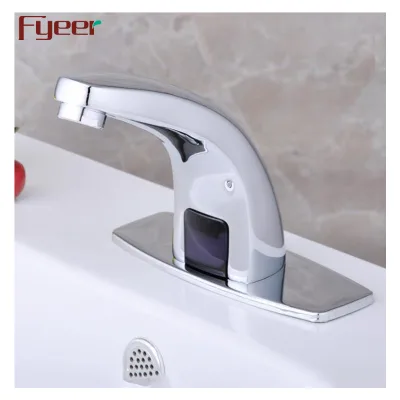
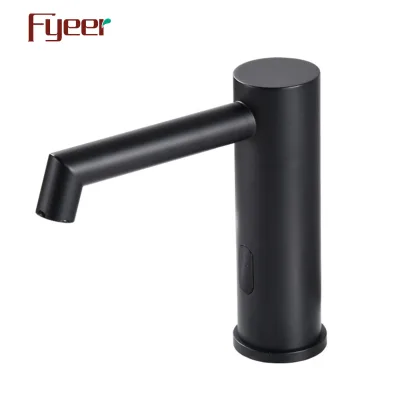


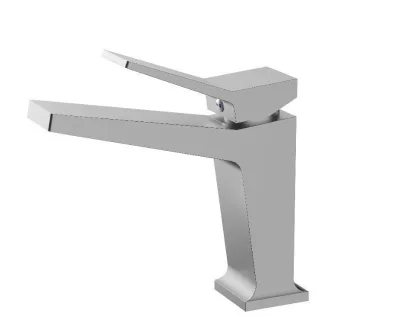


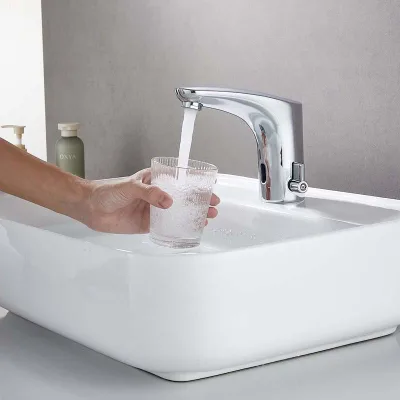

Comprehensive Sourcing Guide
Touchless Sensor Basin Faucet Sourcing Guide
Sourcing touchless sensor basin faucets requires distinguishing between models designed for high-traffic public environments and those intended for residential or hospitality use. The available product data indicates a diverse range of configurations, including single-handle contemporary designs and dual-handle thermostatic units, alongside specialized automatic sensor models. Buyers must carefully align their procurement strategy with the specific functional requirements of their project, as the market offers everything from basic cold-water touchless units to complex systems with dual control capabilities.
The observed product listings reveal significant variation in power sources and installation structures, necessitating a precise definition of needs before engaging suppliers. While some units operate on DC power with battery requirements, others support AC power or feature specific cartridge lifetimes of up to 500,000 cycles. Understanding these technical distinctions is critical, as the choice between a deck-mounted single-hole design and a wall-mounted double-handle configuration will directly impact the feasibility of retrofitting existing plumbing infrastructure versus installing new systems.
Product Scope and Observed Listing Signals
The current market for touchless sensor basin faucets presents a wide spectrum of functional designs, ranging from simple cold-water touchless units to advanced thermostatic models with dual handles. Buyers should note that while some listings emphasize a single-handle contemporary style, others explicitly describe dual-control mechanisms suitable for multi-function applications. This variation suggests that procurement teams must verify the exact handle configuration and functional intent, as a single-handle deck-mounted unit may not satisfy the operational needs of a facility requiring precise temperature control or dual-flow management.
Listing signals also highlight distinct material compositions and surface treatments that influence both aesthetics and durability. The supply base includes faucets constructed from brass main bodies with zinc alloy handles, as well as all-brass options, often finished with polished chrome, brushed nickel, or oil-rubbed bronze. These material choices are not merely cosmetic; they dictate the longevity of the fixture in high-moisture environments. Procurement professionals should prioritize verifying the specific surface treatment and alloy composition to ensure the selected faucet can withstand the intended usage frequency and environmental conditions without premature corrosion or finish degradation.
Technical Specifications to Verify
Technical verification must begin with the power system, as the supply data indicates a split between DC battery-operated units and AC-powered models. Buyers need to confirm whether the sensor unit requires specific battery types, such as 4AA cells, and whether these are included or sold separately. Additionally, the water pressure requirements must be validated against the facility's plumbing standards, as some listed models specify a functional range of 0.05 to 0.6 MPa. Failing to match the sensor's pressure tolerance with the site's actual water pressure can lead to inconsistent activation or complete failure of the touchless mechanism.
The mechanical durability and flow specifications are equally critical for long-term operational success. The observed data points to a cartridge lifetime of 500,000 opening cycles for certain sensor models, a metric that should be cross-referenced with the projected foot traffic of the installation site. Furthermore, the hose specifications, which may include G1/2", G3/8", or G9/16" options, must align with the existing plumbing connections to avoid costly retrofitting. Buyers should also scrutinize the outlet water temperature capabilities, distinguishing between cold-only touchless faucets and those capable of delivering mixed or thermostatic temperatures.
Compliance and Safety Documentation
Compliance verification is essential when sourcing touchless sensor faucets, as the market listings display a mix of certifications including CE, RoHS, GS, CB, and ISO9001. Procurement teams must ensure that the specific model selected carries the necessary certifications for the target market, as a unit certified only for domestic use may not meet international safety standards required for export or large-scale commercial projects. The presence of multiple certifications on a single listing suggests a robust quality management system, but buyers should request valid certificates for the exact batch being purchased to avoid accepting generic compliance claims.
Safety documentation must also address the electrical components inherent in sensor-based fixtures, particularly regarding power supply and insulation. Since some models operate on DC power while others use AC, the safety standards for electrical integration vary significantly. Buyers should verify that the supplier provides detailed electrical safety reports and that the product adheres to relevant regional standards for low-voltage and mains-powered devices. Ensuring that the electrical components are properly isolated and that the product meets the specific safety requirements of the installation environment is crucial for preventing hazards and ensuring liability protection.
Cost Drivers and Commercial Terms
Cost drivers for touchless sensor basin faucets are heavily influenced by the complexity of the sensor technology and the quality of the materials used in construction. Units featuring advanced thermostatic controls, dual handles, or specialized surface finishes like oil-rubbed bronze typically command higher price points compared to basic cold-water models with standard chrome finishes. Additionally, the inclusion of OEM or ODM capabilities can affect the unit cost, as custom branding and specific design modifications require additional engineering and tooling investments that are passed on to the buyer.
Commercial terms, including Minimum Order Quantities (MOQ) and lead times, vary widely across the supply base, with observed ranges spanning from single units to thousands of pieces. Buyers should anticipate that larger orders may benefit from more favorable pricing tiers, but the initial MOQ requirements can be a barrier for smaller projects. It is vital to negotiate clear terms regarding packaging, which ranges from simple brown boxes to complex cotton bag and carton combinations, as these details impact shipping costs and the condition of goods upon arrival.
Supplier Qualification and Quality Control
Supplier qualification should focus on verifying the origin and manufacturing capabilities, as the data indicates a concentration of production in Wenzhou, Zhejiang, China. Buyers must confirm that the supplier has a proven track record in producing sensor-based fixtures and can provide evidence of consistent quality control processes. The presence of certifications like ISO9001 is a positive indicator, but it should be supplemented with requests for recent factory audit reports or third-party quality assessments to ensure that the supplier maintains rigorous standards throughout the production cycle.
Quality control protocols must extend beyond the final product inspection to include testing of the sensor response time and cartridge durability. Buyers should require suppliers to demonstrate that the faucets undergo rigorous testing for the specified 500,000 cycle lifetimes and that the water pressure tolerance is consistently met across all units. Establishing a clear quality assurance agreement that defines acceptable defect rates and outlines the procedure for handling non-conforming goods is essential for mitigating the risk of receiving substandard products that could compromise the reputation of the end-user facility.
Long-Term Procurement Checks
Long-term procurement success depends on establishing a robust warranty and after-sales support framework, as the observed data lists guarantee periods ranging from three to five years. Buyers should negotiate warranty terms that explicitly cover sensor failures, cartridge wear, and finish degradation, ensuring that the supplier is committed to replacing defective units without excessive administrative hurdles. A clear understanding of the warranty scope is critical, as sensor technology can be prone to specific failure modes that may not be covered under standard mechanical warranties.
Sustainability and supply chain resilience are also key factors for long-term planning, particularly given the reliance on electronic components and specific metal alloys. Buyers should assess the supplier's ability to maintain consistent supply of critical components like sensors and cartridges over the product's lifecycle. Additionally, verifying the supplier's commitment to environmental standards, such as RoHS compliance, ensures that the products remain compliant with evolving global regulations. Building a partnership based on transparent communication and shared quality goals will help mitigate risks associated with supply chain disruptions and regulatory changes.
FAQs
What certifications do touchless sensor basin faucets typically have?
Touchless sensor basin faucets commonly hold CE, RoHS, GS, and CB certifications. These standards ensure electrical safety and environmental compliance for international markets. Some models also meet ISO9001 quality management standards. Buyers should verify specific certification documents with suppliers to confirm regulatory adherence for their target regions.
How is the power supply configured for automatic sensor faucets?
Automatic sensor faucets typically operate on DC power, often using batteries like AA cells, though batteries are usually not included. Some advanced models support both DC and AC power options. This flexibility allows installation in various settings without requiring complex wiring, ensuring reliable operation for household or commercial use.
Which materials are used in the construction of these faucets?
These faucets primarily feature a brass main body for durability and corrosion resistance. Handles are often made from zinc alloy, providing a sturdy feel. The surface finishing is usually chrome, polished, or brushed nickel. This combination ensures structural integrity while offering aesthetic versatility for contemporary or commercial installations.
Can these faucets be customized for specific branding or design?
Yes, customization is available for many touchless sensor basin faucet models. Suppliers often support OEM and ODM services to accommodate specific branding or design requirements. Buyers can request custom packaging, such as brown or white boxes, and tailored surface finishes. This flexibility helps businesses align products with their market identity.
What is the expected lifespan of the faucet cartridge?
The cartridge in these faucets is designed for a lifetime of approximately 500,000 opening and closing cycles. This durability ensures long-term reliability for high-traffic environments like hotels or public places. The guarantee period typically ranges from three to five years, reflecting confidence in the component's performance and quality.
Where are these faucets typically manufactured and shipped from?
These faucets are predominantly manufactured in China, with specific origins often listed as Wenzhou, Zhejiang. This region is a known hub for faucet production, offering efficient supply chains. Buyers can expect products to be packed in cartons or inner boxes for safe international shipping, ensuring protection during transit.