Source Concealed Cistern for Bathrooms, Renovations, and Hotels
Explore 30 Concealed Cistern options featuring dual flush, wall-mounted designs, and adjustable flush volumes. Buyers can compare models like FS2001-D and 101 with varying warranties and inlet valve types to find the right fit for residential or commercial projects; compare the available evidence and request quotations based on your requirements.
Key considerations
Products List


Concealed Flush System Bathroom Sanitary Ware Wall Hung Concealed Cistern
$41.00 - $43.00
MOQ: 100 Pieces

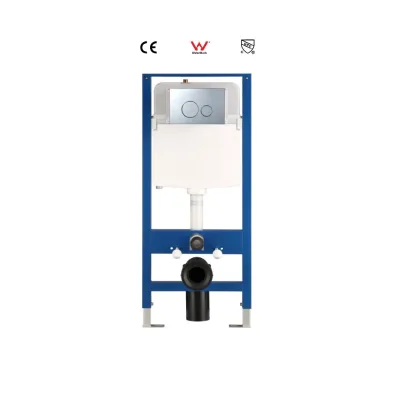
Metal Frame Concealed Cistern Wall Hung Toilet Water Saving Concealed Cistern
$41.00 - $43.00
MOQ: 100 Pieces




Comprehensive Sourcing Guide
Concealed Cistern Sourcing Guide
Sourcing concealed cisterns requires a strategic balance between aesthetic integration and mechanical reliability, as these units are hidden within walls or cabinetry. Buyers must prioritize components that ensure long-term durability while maintaining easy access for maintenance. The market offers diverse configurations, including wall-mounted and floor-standing options, each serving distinct architectural needs. Understanding the specific installation environment is the first critical step in selecting the right product.
Procurement teams should evaluate the visual and functional attributes of the cisterns against project specifications. Observed listings indicate a strong preference for modern design styles, with white finishes and square shapes being common. Features such as dual-flush mechanisms and water-saving capabilities are frequently highlighted, reflecting global trends toward sustainability. Buyers must verify that the chosen model aligns with both the aesthetic requirements of the space and the functional demands of the plumbing system.
Product Scope and Observed Listing Signals
The current market for concealed cisterns presents a wide range of models, with observed product counts indicating significant variety. Listings show price ranges from one to one hundred fourteen USD, suggesting a spectrum from basic components to premium, feature-rich units. Minimum order quantities vary widely, from single items to five hundred pieces, allowing flexibility for both small renovations and large-scale construction projects. This diversity enables buyers to tailor their procurement strategy to specific budget and volume requirements.
Key attributes observed in listings include customization availability, one-piece structures, and various warranty periods, typically three or five years. The usage is predominantly for toilets, with installation types ranging from wall-hanging to concealed setups. Inlet valve configurations, such as bottom or lateral inflow, and drain valve types, including barrel or double pressing mechanisms, are critical technical differentiators. Buyers must carefully match these specifications to their existing plumbing infrastructure to ensure compatibility and optimal performance.
Technical Specifications to Verify
Technical verification begins with confirming the cistern type, whether it is an upper or lower cistern, and its structural integrity. Models like the 101, YP-01, and S1309 represent specific design iterations that may offer unique advantages in terms of space-saving or ease of installation. Buyers should verify the flushing mechanism, noting that dual-button or hand-pulling options are available. The adjustable flush volume, often specified as 6/3L or 4.5/3L, is a crucial feature for water conservation and must be confirmed against local regulations.
Further technical checks involve the inlet valve position and the overall shape of the unit. Square or rectangular designs are common, with gross weights per batch providing insight into material density and durability. Features such as leak-proof construction, corrosion resistance, and sturdy build quality are essential for concealed installations where access is limited. Buyers must ensure that the selected model includes easy maintenance features, as hidden units require robust design to minimize future service calls.
Compliance and Safety Documentation
Compliance with international standards is non-negotiable for concealed cisterns, particularly regarding water safety and material health. Certifications such as CE and ISO are frequently cited, indicating adherence to European and international quality benchmarks. Buyers must request valid certification documents to verify that the products meet the regulatory requirements of the destination market. This step is critical to avoid customs delays and ensure that the installed systems are legally compliant.
Safety documentation should also cover the environmental impact of the materials used. Eco-friendly features and water-saving designs are increasingly important for green building certifications. Buyers should verify that the cisterns are designed to prevent leaks and corrosion, which can lead to structural damage and mold growth within walls. Ensuring that the products are durable and easy to maintain reduces the risk of long-term safety hazards and liability issues for property owners.
Cost Drivers and Commercial Terms
Cost drivers for concealed cisterns include the complexity of the flushing mechanism, the quality of materials, and the level of customization offered. Dual-flush systems and adjustable height features typically command higher prices due to their advanced engineering. Buyers should analyze the total cost of ownership, considering not just the unit price but also installation costs and potential maintenance expenses. The observed price range suggests that investing in higher-quality units may yield better long-term value through reduced water bills and fewer repairs.
Commercial terms such as minimum order quantities and packaging standards significantly impact procurement logistics. Standard box packaging is common, but buyers must confirm that the packaging protects the units during transit. OEM availability allows for branding opportunities, which can be valuable for distributors. Buyers should negotiate clear warranty terms, typically ranging from three to five years, to protect against manufacturing defects and ensure supplier accountability.
Supplier Qualification and Quality Control
Supplier qualification involves verifying the origin and manufacturing capabilities of the cistern providers. Many suppliers are located in Zhangzhou, Fujian, a known hub for sanitary ware production. Buyers should assess the supplier’s ability to meet specific model requirements, such as the FS2001-D or Concealed Cistern Fs1001-Z. Quality control processes must be transparent, with clear protocols for inspecting inlet valves, drain mechanisms, and structural integrity before shipment.
Effective quality control also includes verifying the consistency of product features across batches. Buyers should request samples to test the dual-flush functionality, leak-proof seals, and overall build quality. It is essential to confirm that the supplier can maintain the advertised features, such as water-saving performance and corrosion resistance, over time. Establishing a strong relationship with a qualified supplier ensures that future orders meet the same high standards, reducing the risk of quality variations.
Long-Term Procurement Checks
Long-term procurement success depends on continuous monitoring of product performance and supplier reliability. Buyers should track warranty claims and maintenance issues to identify any recurring defects in specific models. Regular audits of supplier quality control processes help ensure that standards are consistently met. This proactive approach allows buyers to address potential issues before they escalate, protecting the reputation of the end product and minimizing operational disruptions.
Sustainability and regulatory changes also require ongoing attention. Buyers should stay informed about evolving water efficiency standards and adjust their procurement strategies accordingly. Verifying that suppliers continue to offer eco-friendly and water-saving features is crucial for maintaining compliance with green building requirements. By maintaining a focus on long-term value and compliance, buyers can ensure that their Concealed Cistern installations remain efficient, safe, and cost-effective for years to come.
FAQs
What is a Concealed Cistern and how does it work?
A Concealed Cistern is a toilet flushing tank hidden inside the wall or behind paneling, leaving only the flush plate or button visible. Water flows from a bottom or lateral inlet valve into the tank, and pressing the button activates a drain valve to release water. This design saves space and gives bathrooms a clean, modern appearance.
Can a Concealed Cistern be installed in an existing bathroom?
Yes, many concealed cisterns support wall-mounted or wall-hanging installation and can be retrofitted during renovation. You need a cavity or false wall deep enough to house the tank plus access for maintenance. Models with adjustable height and universal fit features simplify alignment with existing piping, but a plumber should confirm water pressure and drainage compatibility before purchase.
What flush volume options do these concealed cisterns offer?
The listed cisterns support adjustable flush volumes with dual-flush settings, including 6/3L and 4.5/3L configurations. The smaller button handles liquid waste while the larger one clears solid waste, which reduces water consumption per flush. Adjustability lets installers tune the volume to bowl size and local water-efficiency requirements, supporting eco-friendly and water-saving bathroom designs.
Which activation types are available for concealed cisterns?
Two main activation types appear in the listings: button operation, typically dual-button dual flush, and hand pulling. Button types use double-pressing drain valves for two volume options, while hand-pull types suit simpler or replacement applications. Choose based on the flush plate design, user preference, and whether water-saving dual flush is a priority for the project.
How long is the warranty on these concealed cisterns?
Warranty terms in the listings vary by model, with coverage of either 3 years or 5 years. The warranty typically covers manufacturing defects in the tank body, inlet valve, and drain valve under normal use. Confirm the exact term for the specific model and request written warranty conditions, including what constitutes misuse, before placing a bulk order.
Can I order concealed cisterns with custom branding or OEM service?
Yes, OEM service is available and customization is listed as available for these products. Buyers can typically discuss branding, packaging, and specification adjustments with suppliers, though minimum order quantities apply, with some models listing a 100-piece MOQ. Request sample approval before mass production and confirm packaging details, since standard box packing is the listed default.
What should buyers check before comparing Concealed Cistern models?
Compare inlet valve type, bottom inflow versus lateral inflow, against your plumbing layout, and check whether the model is an upper or lower cistern type. Review drain valve construction, such as barrel or double-pressing types, certification claims, warranty length, and adjustable flush volume. Model numbers like 101, YP-01, S1309, 056, 130, 110, and FS2001-D mark distinct configurations.
How durable are concealed cisterns against leaks and corrosion?
Listed products highlight leak-proof performance, corrosion resistance, and sturdy construction as core features, supported by warranties of three to five years. Durability depends on valve material quality and proper installation, so follow manufacturer fitting instructions and ensure access panels remain serviceable. Easy maintenance design allows valve replacement without demolishing the surrounding wall in most configurations.