Source Travel Knitted Hat and Scarf Set For Winter, Leisure, And Outdoor
Compare 30 Travel Knitted Hat and Scarf Set options from verified suppliers. These sets feature wool and acrylic materials, suitable for winter leisure and outdoor activities with customizable patterns and sizes; compare the available evidence and request quotations based on your requirements.
Key considerations
Products List


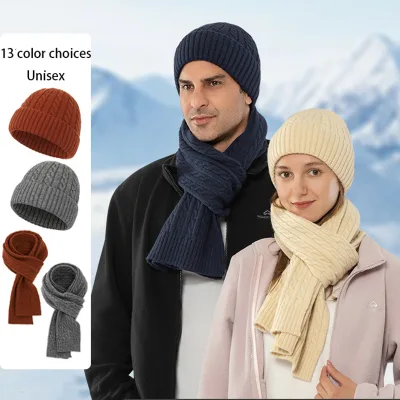
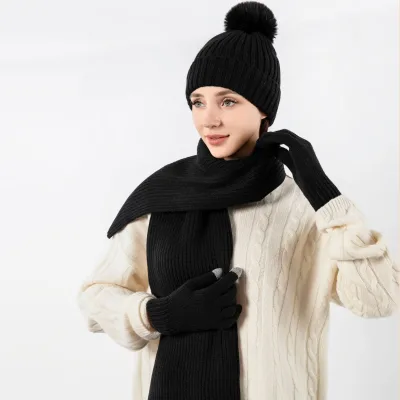
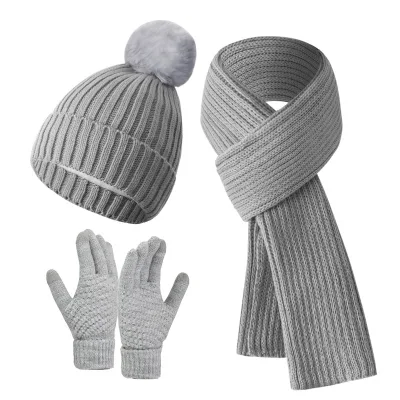


Stylish Polyester Knitted Beanie Hat and Neck Warmer Set for Winter Sports
$1.35 - $2.13
MOQ: 50 Pieces


Wholesale Fashion Knitted Beanie Hat and Neck Gaiter Set for Cold Weather
$0.98 - $1.55
MOQ: 100 Pieces
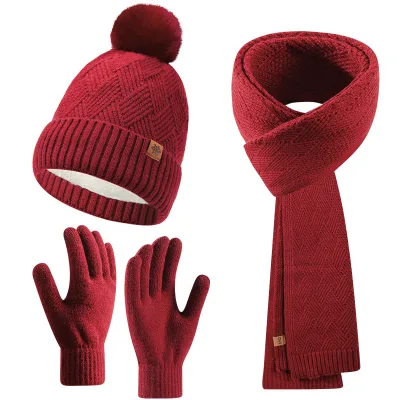


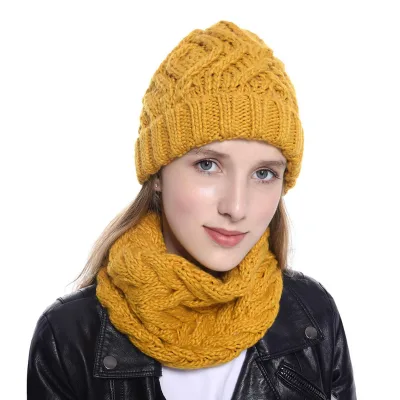
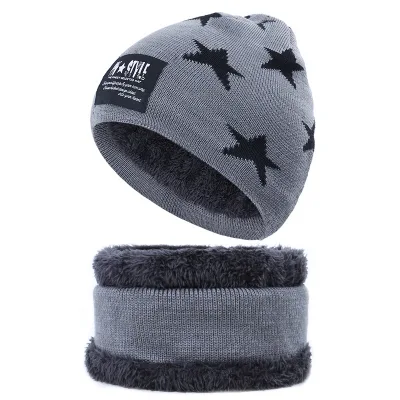
Comprehensive Sourcing Guide
Travel Knitted Hat and Scarf Set Sourcing Guide
Sourcing travel-ready knitted accessories requires balancing aesthetic appeal with functional durability, particularly for winter leisure markets. Buyers must navigate a diverse supplier landscape where materials range from pure wool to synthetic blends like acrylic and polyester-cotton. The observed market signals indicate a strong preference for coordinated sets that include gloves, hats, and scarves, catering to unisex demographics with a focus on medium-long styles. Understanding these baseline attributes is essential for defining precise procurement specifications that align with end-user expectations for comfort and style.
The procurement process is further complicated by varying customization capabilities and packaging requirements across different manufacturers. While some suppliers offer standard plain dyed or striped patterns, others provide extensive customization options including custom logos and specific packing configurations. Buyers need to establish clear communication channels early to verify if a supplier can meet specific design requests, such as hand-knitted techniques or screen printing, while maintaining consistent quality across large order volumes. This initial alignment prevents costly misunderstandings during the production phase.
Product Scope and Observed Listing Signals
The current market for travel knitted sets exhibits a wide price range, typically observed between $0.98 and $8.73 USD, reflecting significant variations in material quality and manufacturing complexity. Minimum order quantities (MOQs) vary substantially, ranging from small batches of three units to large industrial orders of up to 2000 sets. This disparity allows buyers to test market demand with low-risk initial orders or commit to larger volumes for better unit economics. Understanding these financial thresholds is critical for budgeting and inventory planning, especially for new entrants or those testing niche seasonal trends.
Product attributes reveal a strong emphasis on versatility and seasonal appropriateness, with most listings targeting adults for winter leisure activities. Common features include medium thickness, plain dyed or printed patterns, and specific size ranges such as 56-60cm for hats. Some suppliers offer specialized items like inner caps or caps with brims, indicating a broader scope beyond traditional knitwear. Buyers should carefully review these specifications to ensure the products meet their target audience's needs, paying close attention to details like the inclusion of gloves and the specific type of knitting used, such as weft knitting, which affects the final texture and durability.
Technical Specifications to Verify
Material composition is a primary technical differentiator, with suppliers offering options ranging from 100% wool and 100% acrylic to polyester-cotton blends. Each material presents distinct advantages and challenges regarding warmth, breathability, and care instructions. Buyers must verify the exact material percentage to ensure it aligns with product claims and customer expectations. For instance, wool offers superior insulation but may require more delicate handling, while acrylic provides durability and ease of care. Confirming these details prevents discrepancies between samples and bulk production, ensuring consistent product performance.
Packaging and labeling specifications also require rigorous verification to avoid logistical issues. Suppliers may use different packing methods, such as polybags, OPP bags, or boxes, with varying quantities per carton, such as 12 sets per bag or 100 sets per carton. Additionally, dimensions like 70*180cm for scarves or specific hat sizes must be confirmed. Buyers should request detailed packing lists and dimension sheets to optimize shipping container space and ensure compliance with retail packaging requirements. Clear specifications reduce the risk of damage during transit and simplify inventory management upon arrival.
Compliance and Safety Documentation
Regulatory compliance is non-negotiable for international trade, particularly when dealing with textiles and accessories. Buyers must ensure that suppliers provide relevant certifications, such as CE marking, which indicates conformity with health, safety, and environmental protection standards. While some listings mention customized standards, it is crucial to verify the specific regulatory framework applicable to the destination market. This includes checking for fiber content accuracy, flammability standards, and chemical restrictions like REACH or CPSIA, depending on the region. Proper documentation mitigates legal risks and ensures smooth customs clearance.
Safety documentation extends beyond formal certifications to include material safety data sheets and test reports for harmful substances. Buyers should request evidence that the dyes and finishes used in the knitted sets are non-toxic and safe for skin contact, especially for products intended for children or sensitive skin types. Although some listings target adults, verifying the absence of hazardous chemicals is a best practice. Collaborating with third-party inspection agencies to audit these documents can provide an additional layer of assurance, protecting brand reputation and consumer trust.
Cost Drivers and Commercial Terms
Several factors influence the final cost of knitted sets, including material selection, customization complexity, and order volume. Higher-quality materials like wool or intricate hand-knitted techniques typically command higher prices compared to standard acrylic or machine-knitted alternatives. Customization options, such as custom logos, specific patterns, or unique packaging, also add to the production cost. Buyers should analyze these cost drivers to identify areas where savings can be achieved without compromising quality, such as standardizing designs or increasing order volumes to leverage economies of scale.
Commercial terms, including lead times and payment conditions, significantly impact cash flow and supply chain reliability. Observed lead times can extend up to 30 days, with sample times ranging from 7 to 10 days. Buyers must factor these durations into their planning to avoid stockouts or missed seasonal opportunities. Additionally, understanding the loading port, such as Shanghai, and shipment options, whether by sea or air, helps in calculating total landed costs. Negotiating favorable payment terms and clear delivery schedules is essential for maintaining a healthy supplier relationship and ensuring timely product availability.
Supplier Qualification and Quality Control
Evaluating supplier qualifications involves assessing their production capabilities, quality control processes, and past performance. Buyers should verify the supplier's location, such as Jiangsu or Zhejiang in China, and their experience in manufacturing knitted goods. Requesting references or case studies can provide insights into their reliability and consistency. Additionally, checking for any relevant industry memberships or awards can indicate a supplier's commitment to excellence. A thorough due diligence process helps identify partners who can meet quality standards and deliver on time.
Quality control measures should be established before production begins to ensure consistency and minimize defects. Buyers should define clear quality criteria, including stitch density, color fastness, and dimensional accuracy, and communicate these to the supplier. Implementing pre-production samples and in-line inspections can catch issues early, reducing the risk of large-scale rejections. Collaborating with the supplier to develop a comprehensive quality assurance plan ensures that both parties are aligned on expectations, leading to higher customer satisfaction and fewer returns.
Long-Term Procurement Checks
Building a sustainable supply chain requires ongoing monitoring and relationship management. Buyers should conduct regular performance reviews with suppliers, assessing metrics such as on-time delivery, product quality, and responsiveness to issues. Establishing a feedback loop allows for continuous improvement and addresses any emerging challenges promptly. Long-term partnerships can lead to better pricing, priority production slots, and collaborative innovation, providing a competitive advantage in the market. Consistent communication and mutual respect are key to fostering these productive relationships.
Adapting to market changes and evolving consumer preferences is crucial for long-term success. Buyers should stay informed about trends in materials, designs, and sustainability practices, and work with suppliers to incorporate these insights into their product offerings. Regularly updating procurement strategies and exploring new supplier options can mitigate risks and ensure resilience. By maintaining a proactive approach to supplier management and market analysis, buyers can secure a reliable supply of high-quality knitted sets that meet the dynamic needs of their customers.
FAQs
What materials are used for the Travel Knitted Hat and Scarf Set?
The sets are available in wool, 100% acrylic, and polyester cotton blends. These materials ensure warmth and durability for winter use. Buyers can select based on specific comfort needs and budget constraints while maintaining the required medium thickness for seasonal protection.
Can I customize the logo on the Travel Knitted Hat and Scarf Set?
Yes, customization is available including custom logos and patterns. Suppliers offer hand knitting, screen printing, and embroidery techniques. This allows buyers to brand the leisure style sets with unique designs while meeting specific aesthetic requirements for their target audience.
What is the minimum order quantity for the Travel Knitted Hat and Scarf Set?
The minimum order quantity typically starts at 1000 sets per color. Some listings indicate a range from 3 to 2000 units depending on the specific supplier. Buyers should verify exact MOQs with vendors to ensure they meet the required procurement thresholds for bulk orders.
How long is the lead time for the Travel Knitted Hat and Scarf Set?
The standard lead time is approximately 30 days for production. Sample preparation requires 7 to 10 days before bulk manufacturing begins. Shipping options include sea or air transport from ports like Shanghai to deliver the finished goods to international destinations efficiently.
Which certifications apply to the Travel Knitted Hat and Scarf Set?
Some products meet CE standards while others have customized standard specifications. Buyers should confirm specific compliance details with manufacturers in Jiangsu or Zhejiang, China. These certifications ensure the goods meet safety and quality requirements for the intended adult unisex market segments.
What packaging options are available for the Travel Knitted Hat and Scarf Set?
Packaging varies from 1 set in a polybag to 12 sets per bag. Other options include OPP bags, zipper bags, and boxes for 100 sets per carton. These configurations protect the medium long style sets during transit and facilitate easy distribution for retailers.