Source Unfolding Paint Wheelbarrow Hand Truck for Gardening
Find 30 models of the unfolding paint wheelbarrow hand truck designed for tools, farming, and construction. Compare steel frames, wheel options, and customization features to select the right unit for your logistics needs; compare the available evidence and request quotations based on your requirements.
Key considerations
Products List




Comprehensive Sourcing Guide
Unfolding Paint Wheelbarrow Hand Truck Sourcing Guide
Product Scope and Observed Listing Signals
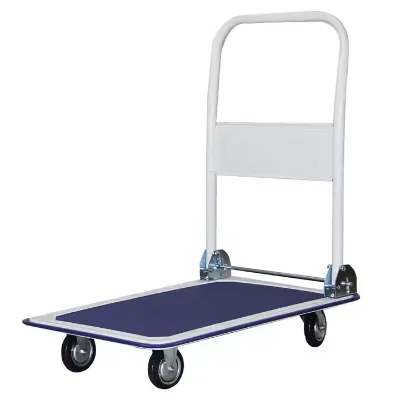
The market for folding utility carts presents a diverse array of options, primarily characterized by steel construction and customizable features. Buyers will observe that these units are generally designed for tool transport, gardening, farming, and construction tasks, with a strong emphasis on portability through their unfolding style. The core material is typically Q235 steel, providing a robust frame that balances durability with weight efficiency, while surface treatments vary between paint and zinc plating to suit different environmental conditions.
Listing signals indicate a wide range of configurations, including variations in wheel types such as air wheels, PU wheels, solid wheels, and rubber wheels. The tray material also fluctuates between steel and plastic, allowing buyers to select based on specific load requirements and corrosion resistance needs. Origin data points predominantly to Qingdao, China, suggesting a concentrated manufacturing hub for these types of industrial and agricultural hand trucks, which often feature OEM logo capabilities for brand integration.
Technical Specifications to Verify
When evaluating technical specifications, the wheel configuration is a critical decision point, as units are available with either one or two wheels, impacting stability and maneuverability. Buyers must verify the axle type, with galvanized axles being a common feature to prevent rust and ensure longevity under heavy loads. The tray shape is typically regular, but thickness can vary significantly, with some models offering OEM thickness options to accommodate specific payload weights, while others adhere to standard measurements like 1.2mm for lighter duty applications.
Frame dimensions and folding mechanisms also require close inspection, as models like the HT1830 and HT2502 offer distinct structural profiles. Some units feature double handles for enhanced control, while others may have single-handle designs. It is essential to confirm the body size and overall folded dimensions to ensure the cart fits within storage constraints and vehicle transport limits. Additionally, the presence of solid versus pneumatic wheels affects ride comfort and maintenance needs, making this a key technical differentiator for end-users.
Compliance and Safety Documentation
Compliance documentation often includes ISO certification, which serves as a baseline indicator of quality management systems within the manufacturing facility. Buyers should request proof of this certification to ensure that the supplier adheres to recognized international standards for production processes and quality control. While specific safety test results are not always listed, the presence of ISO certification suggests a structured approach to manufacturing consistency, which is vital for ensuring that each unit meets the specified structural integrity requirements.
Safety features are primarily inherent in the design, such as the stability provided by the wheel arrangement and the secure folding mechanism. Buyers should verify that the paint or zinc plating process meets environmental and safety standards for industrial goods, particularly if the equipment will be used in sensitive environments. Although specific chemical compliance data is not provided in the listings, the use of standard materials like Q235 steel implies adherence to common industrial material safety norms, which should be confirmed through direct supplier inquiry.
Cost Drivers and Commercial Terms
Cost drivers for these hand trucks are influenced by material thickness, wheel type, and surface treatment options. Units with thicker trays and premium wheels, such as air or PU wheels, typically command higher prices due to increased material costs and manufacturing complexity. The customization options, including logo printing and color variations, also add to the final cost, as they require additional production steps and setup time. Buyers should expect a price range that reflects these variables, with basic models being more economical and fully customized units costing more.
Commercial terms often include flexible packaging options, such as bulk packing or one piece per carton, which can impact shipping costs and handling efficiency. Minimum order quantities (MOQ) vary, with some suppliers requiring as few as five units, while others may have higher thresholds. Warranty periods also differ, ranging from three months to one year, which can influence the total cost of ownership. Buyers should negotiate these terms carefully, considering the balance between upfront cost and long-term support.
Supplier Qualification and Quality Control
Supplier qualification should focus on their ability to provide after-sales service and their track record in manufacturing folding carts. Buyers should verify the supplier’s capacity to handle OEM requests and their responsiveness to quality issues, as indicated by their warranty offerings. The presence of after-sales service provisions suggests a commitment to customer satisfaction, which is crucial for resolving any defects or performance issues that may arise post-purchase.
Quality control processes should be scrutinized, particularly regarding the consistency of surface treatments and the integrity of the folding mechanism. Buyers should request samples to test the durability of the paint or zinc plating and the smoothness of the wheel rotation. Additionally, verifying the supplier’s production capacity and lead times is essential to ensure timely delivery, especially for large orders. The concentration of suppliers in Qingdao may offer logistical advantages, but buyers should still assess individual supplier reliability.
Long-Term Procurement Checks
Long-term procurement checks should include regular audits of supplier performance and product consistency. Buyers should monitor the durability of the carts in real-world applications, paying attention to wear on wheels and the stability of the folding joints. Feedback from end-users can provide valuable insights into potential design improvements or necessary maintenance procedures, helping to refine future purchasing decisions.
Building a strong relationship with suppliers can also facilitate better pricing and priority service for future orders. Buyers should maintain open communication regarding any changes in requirements or market conditions, allowing suppliers to adjust their offerings accordingly. Regular review of warranty claims and after-sales service responsiveness will help identify any systemic issues, ensuring that the procurement strategy remains aligned with business needs and quality standards.
FAQs
What materials are used for the frame and tray?
The frame is constructed from Q235 steel with a thickness of 1.2mm. The tray is available in steel or plastic options. This combination ensures durability for heavy loads while allowing customization to meet specific project requirements for gardening, farming, or construction tasks.
Which wheel types are available for these hand trucks?
Buyers can choose from air wheels, PU wheels, solid wheels, or rubber wheels. The axle is galvanized for corrosion resistance. This variety allows selection based on terrain, ensuring smooth operation on rough construction sites or smooth indoor floors while maintaining structural integrity.
Can I customize the logo and color of the product?
Yes, customization is available for both logo and color. OEM logos are supported, and colors like blue or custom requests are accepted. This flexibility helps businesses maintain brand identity across their equipment fleet while ensuring the product meets specific aesthetic or safety standards.
What certifications and warranty terms apply to these items?
The products hold ISO certification, ensuring quality management standards. Warranty terms vary by model, typically offering three months or one year coverage. After-sales service is provided to address any issues, giving buyers confidence in the long-term reliability and support for their investment.
How are the hand trucks packed for shipping?
Packing methods include bulk packing, one piece per carton, or one piece per plastic bag. Some models use bulk or pallet packing. These options optimize shipping efficiency and protect the product during transit, allowing buyers to choose the most cost-effective logistics solution for their volume.
What is the origin and lead time for production?
The products originate from Qingdao, China. While specific lead times are not listed, the location indicates established manufacturing capabilities. Buyers should contact suppliers directly for precise production schedules to align with their project timelines, ensuring timely delivery for large-scale procurement needs.