Source Unsplittable Glass Sliding Door Roller for Home, Office, and Warehouse
Explore 30 listings for Unsplittable Glass Sliding Door Roller options suitable for home, office, and warehouse applications. Buyers can compare specifications, materials, and customization features across verified suppliers to find the right fit for their projects.
Key considerations
Products List


Frameless Aluminium Hardware Shop Glass Folding Sliding Door Roller
$235.00 - $245.00
MOQ: 200 Square Meters


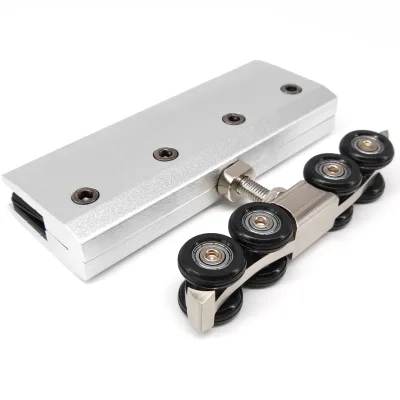


New Style Heavy Duty Sliding Door Rollers Stainless Steel Gate Door Roller
$0.80 - $0.90
MOQ: 1000 Pieces


Comprehensive Sourcing Guide
Strategic Sourcing Guide for Unsplittable Glass Sliding Door Roller Systems
The procurement of sliding door hardware requires a precise understanding of mechanical constraints, material compatibility, and supply chain reliability. While the market often highlights "splittable" rollers for their adjustability, the specific requirement for unsplittable glass sliding door rollers demands a different evaluation strategy. These components are engineered for fixed, high-load applications where structural integrity is paramount, and the roller assembly cannot be disassembled or adjusted in the field. Buyers must navigate a landscape where product attributes vary significantly, from material composition to surface treatments, ensuring the selected hardware aligns with the specific operational demands of the installation.
Technical Specifications and Material Composition
The foundation of a reliable sliding door system lies in the material properties of the roller. In the current market, steel and aluminum are the dominant materials observed for these components. Steel rollers, particularly those described as "high carbon steel," offer superior tensile strength and durability, making them suitable for heavy-duty sliding doors where load-bearing capacity is critical. Conversely, aluminum rollers provide a lighter alternative, often preferred for applications where weight reduction is a priority without sacrificing structural integrity.
Surface treatment is another critical technical specification that influences the longevity and performance of the roller. Common treatments observed in the market include zinc plating, polishing, and brushing. Zinc plating is frequently cited as a standard for corrosion resistance, essential for environments with high humidity or exposure to the elements. Polished and brushed finishes not only enhance aesthetic appeal but also reduce friction, ensuring smoother operation over time. Buyers must verify that the surface treatment is compatible with the specific environment where the door will be installed. For instance, a brushed finish might be preferred for interior applications to hide minor scratches, while a zinc-plated finish is often mandatory for exterior or industrial settings.
The mechanical design of the roller, specifically whether it is splittable or unsplittable, dictates its application. The market data indicates a clear distinction between "splittable" and fixed designs. An unsplittable roller is a monolithic unit, meaning the bearing and wheel are permanently fixed. This design eliminates the risk of component separation during operation, which is a significant advantage in high-traffic areas. However, it also means that installation requires precise alignment, as the unit cannot be adjusted once mounted. Buyers should look for models with specific designations, such as those labeled for "sliding door" or "cantilever gate" applications, to ensure the geometry matches the track system.
Compliance and Certification Verification
Navigating the compliance landscape is essential for B2B procurement, particularly when dealing with hardware that impacts building safety. The market data reveals that ISO certification is a frequently observed attribute among suppliers. This indicates a commitment to standardized quality management systems, which is a strong indicator of production consistency. Additionally, CE certification is noted as a relevant standard, particularly for products intended for the European market. This certification ensures that the hardware meets specific safety, health, and environmental protection requirements.
When evaluating potential suppliers, buyers should not rely on generic claims but request specific documentation. The presence of ISO and CE marks on product listings is a positive signal, but verification is necessary. Buyers must confirm that the certification applies to the specific product model being purchased, as certifications can sometimes be broad and not cover every SKU in a supplier's catalog. Furthermore, the "standard" attribute for some products is listed as "High carbon steel" or "Standard," which implies adherence to industry norms but does not replace the need for third-party testing reports.
It is crucial to distinguish between observed certifications and unverified claims. While the data shows ISO and CE as high-confidence facts, buyers should treat any other certification status as a claim requiring validation. For example, if a supplier claims a specific local or international safety standard, the procurement team must request the actual certificate number and verify its validity with the issuing body. This due diligence prevents the risk of non-compliant hardware entering the supply chain, which could lead to liability issues or project delays.
Cost Drivers and Pricing Dynamics
Understanding the cost structure of sliding door rollers is vital for budget management. The observed price range in the market spans from $0.18 to $245 USD, a variance that reflects differences in material quality, manufacturing complexity, and order volume. The lower end of the spectrum typically corresponds to basic aluminum or steel rollers with standard finishes, while the higher end often includes specialized models with advanced surface treatments, custom branding, or high-load capacities.
Order volume is a primary driver of cost. The market data indicates a wide range of Minimum Order Quantities (MOQ), from as low as 1 piece to as high as 10,000 pieces. Suppliers often offer tiered pricing structures where the unit cost decreases significantly as the order volume increases. For example, a supplier might list an MOQ of 30 pieces for standard models, while custom or high-specification items may require an MOQ of 500 pieces or more. Buyers must balance their immediate inventory needs with the potential for cost savings through bulk purchasing.
Additional cost factors include customization and packaging. Products with "Customization: Available" often command a premium, as they require specific tooling or production adjustments. Similarly, specialized packaging, such as "Carton" or "Box Packing," adds to the overall cost but may be necessary for protecting the hardware during transit. Buyers should also consider the "Service" aspect, such as OEM/ODM capabilities, which can add value but also increase the price. It is essential to request a detailed breakdown of costs to understand how much of the price is attributed to the raw material, the manufacturing process, and the value-added services.
Typical Applications and Installation Context
The application of unsplittable glass sliding door rollers varies widely, from residential interior doors to heavy-duty industrial gates. The market data highlights specific use cases, such as "Sliding Door," "Cantilever Gate," and "Room" applications. These distinctions are important because the load requirements and environmental conditions differ significantly between contexts. For instance, a roller designed for a residential interior door may not withstand the constant friction and weight of a commercial sliding gate.
The "Open Style" of the door is another critical factor. Products are often categorized by whether they are designed for "Sliding" or "Folding" mechanisms. Unsplittable rollers are particularly well-suited for sliding applications where the door moves in a straight line, as the fixed design provides stability. In contrast, folding doors may require different mechanical properties to accommodate the articulation of the panels. Buyers must ensure that the roller model matches the specific opening style of the door system.
Furthermore, the "Position" of the installation, such as "Room" or exterior locations, influences the choice of material and finish. Interior applications might prioritize aesthetics, favoring brushed or polished finishes, while exterior applications require robust corrosion resistance, often achieved through zinc plating. The "Glass Type" is also relevant; tempered glass is commonly specified, indicating that the roller must support the weight and rigidity of safety glass. Buyers should verify that the roller's load capacity aligns with the weight of the glass panel it will support.
Supplier Evaluation and Service Capabilities
Selecting the right supplier involves more than just comparing prices; it requires a comprehensive evaluation of their capabilities and reliability. The market data shows that many suppliers offer "Sample: Yes" or "Sample: Provided," which is a valuable opportunity for buyers to test the quality of the product before committing to a large order. Requesting samples allows for a hands-on assessment of the material quality, surface finish, and mechanical performance.
The "Service" attribute, particularly OEM/ODM capabilities, is a key differentiator. Suppliers offering these services can customize the product to meet specific project requirements, such as custom logos, specific dimensions, or unique packaging. This flexibility is crucial for large-scale projects where branding and standardization are important. However, buyers should verify the supplier's capacity to handle custom orders without compromising quality or delivery timelines.
Location is another factor to consider. The data indicates that products originate from regions such as "Zhejiang, China" and "Guangdong, China." These regions are known for their manufacturing clusters, offering a wide range of suppliers and competitive pricing. However, buyers should also consider the logistics implications of sourcing from these locations, including lead times and shipping costs. A supplier with a strong track record in the specific region may offer better support and faster response times.
Quality Control and Long-Term Procurement Considerations
Ensuring long-term reliability requires a robust quality control strategy. The "Technics" attribute, such as "Casting," indicates the manufacturing process used, which can impact the structural integrity of the roller. Buyers should inquire about the specific casting methods and heat treatment processes used to ensure the material meets the required strength standards. Additionally, the "Surface Treatment" process, such as zinc plating or polishing, should be verified for consistency and thickness.
Long-term procurement considerations include the availability of spare parts and the supplier's ability to support the product over its lifecycle. A supplier that offers "Customized" options may also provide better support for future replacements or upgrades. Buyers should establish a relationship with the supplier that includes clear communication channels and a defined process for handling quality issues.
Finally, buyers must remain vigilant about the "Standard" attributes listed. While some products are described as "Standard" or "High carbon steel," these terms can be vague. It is essential to request detailed technical specifications that define the exact standards met, such as specific ISO or ASTM standards. This level of detail ensures that the procurement team can verify that the product will perform as expected in the intended application, minimizing the risk of failure and ensuring the longevity of the sliding door system.
Comparative Analysis of Product Attributes
To facilitate decision-making, the following table summarizes key attributes observed in the market for sliding door rollers. This comparison highlights the diversity in specifications and helps buyers identify the features most relevant to their specific needs.
| Attribute | Observed Variations | Relevance to Unsplittable Systems |
|---|---|---|
| Material | Steel, Aluminum, High Carbon Steel | Steel offers higher load capacity; Aluminum reduces weight. |
| Surface Treatment | Zinc Plated, Polished, Brushed | Zinc plating for corrosion resistance; Polished/Brushed for aesthetics. |
| Certification | ISO, CE | ISO indicates quality management; CE ensures safety compliance. |
| MOQ | 1 to 10,000 Pieces | Lower MOQ for prototyping; Higher MOQ for cost efficiency. |
| Application | Sliding Door, Cantilever Gate, Room | Must match door type and load requirements. |
| Packaging | Carton, Bag, Box, Standard Export | Affects protection during shipping and storage. |
| Customization | Available, Logo Customized | Essential for branding and specific project needs. |
This structured approach to sourcing ensures that buyers can make informed decisions based on verified data and industry best practices, ultimately leading to the selection of high-quality, reliable sliding door hardware.
FAQs
What materials are used for unsplittable glass sliding door rollers?
Steel and aluminum are the primary materials used for these rollers. Steel options often feature high carbon content for superior strength, while aluminum provides a lighter alternative suitable for specific weight-reduction applications.
Which surface treatments are available for these sliding door components?
Common surface treatments include zinc plating, polishing, and brushing. Zinc plating offers essential corrosion resistance, while polished and brushed finishes reduce friction and enhance aesthetic appeal for both interior and exterior installations.
Can buyers request customization for these sliding door rollers?
Yes, customization is available for many of these products. Buyers can often request specific logos, packaging types, or dimensions, though custom orders may require higher minimum order quantities and specialized production adjustments.
What certifications do these roller manufacturers typically hold?
ISO certification is frequently observed among suppliers, indicating standardized quality management. Some products also carry CE certification, which ensures compliance with specific safety and environmental requirements for the European market.
How does the MOQ vary for unsplittable glass sliding door rollers?
Minimum order quantities range widely from 1 piece to 10,000 pieces depending on the supplier. Standard models often have lower MOQs around 30 pieces, while custom or high-specification items may require orders of 500 pieces or more.
Where are these sliding door roller products typically manufactured?
Products originate primarily from manufacturing clusters in Zhejiang and Guangdong, China. These regions offer a wide range of suppliers with competitive pricing, though logistics and lead times should be considered when sourcing from these locations.