Source Used Hydraulic Excavator for Waste Management, Road Construction, and Building Projects
Find 30 Used Hydraulic Excavator models available for sourcing, including options like the Cat336 and SY215. Buyers can compare specifications such as digging depth, track width, and working hours to select equipment suitable for waste management, soil compaction, and infrastructure development.
Key considerations
Products List


Fuel Efficiency Long-Lasting Easy Maintenance Well-Maintained Used Excavator
$45000.00 - $48000.00
MOQ: 1 Pieces

High Efficiency Hydraulic Drive Used Excavator for Specialized Applications
$32000.00 - $48000.00
MOQ: 1 Pieces


High Performance Used Excavator with Hydraulic Drive for Earthworks
$32000.00 - $48000.00
MOQ: 1 Pieces


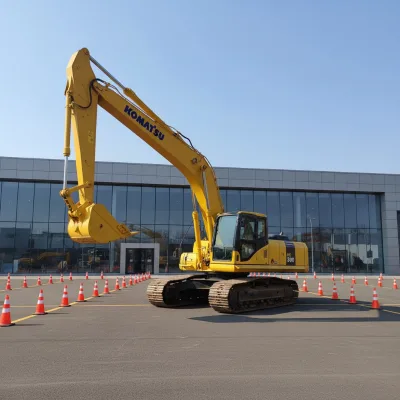

Comprehensive Sourcing Guide
Strategic Sourcing Guide for Used Hydraulic Excavators
The global market for used hydraulic excavators presents a complex landscape where operational efficiency, cost management, and equipment longevity intersect. For procurement professionals and construction managers, navigating this sector requires a disciplined approach that moves beyond simple price comparisons. The core objective is to acquire machinery that delivers reliable performance in demanding environments while adhering to strict safety and compliance standards. This guide outlines the critical factors for sourcing used hydraulic excavators, drawing on observed market data, technical specifications, and operational requirements to ensure a robust procurement strategy.
Understanding Technical Specifications and Model Variants
The foundation of any successful procurement decision lies in a precise understanding of the technical specifications available in the market. The current inventory of used hydraulic excavators reveals a diverse range of models, each tailored to specific operational needs. Buyers must distinguish between different model series, such as the 320GX, 320GC, and 336, as well as the Sy215 and SY60C variants. These model designations often correlate with distinct weight classes, engine outputs, and hydraulic configurations.
A critical aspect of technical evaluation is the physical dimensioning of the machine. Observed data indicates that packing and standard dimensions vary significantly between units. For instance, specific configurations have been noted with dimensions of 9530mm in length, 2980mm in width, and 3050mm in height, while other models present a footprint of 11170mm by 3340mm by 3180mm. These measurements are vital for logistics planning, particularly regarding container shipping and on-site maneuverability.
Performance metrics further define the utility of a specific unit. The market features excavators with varying track shoe widths, ranging from 400 mm to 600 mm, which directly impacts ground pressure and stability on soft terrain. Operational capabilities are equally diverse; some units boast a climbing capacity of 0 degrees with a travel speed between 5-9 km/h, while others offer a travel speed of 6.0 km/h. The digging force is another paramount specification, with observed arm digging forces reaching 128 kN and bucket digging forces up to 178 kN. Buyers should verify these figures against their specific project requirements, such as the need for deep trenching or heavy foundation work.
Compliance, Certification, and Regulatory Standards
When sourcing used machinery, compliance with international and local regulations is non-negotiable. While specific certification statuses vary by supplier and region, buyers must prioritize verifying the origin and standard compliance of the equipment. The market data indicates that used excavators originate from major manufacturing hubs, with Japan and China being prominent sources. This geographic diversity influences the regulatory framework the equipment must meet, including emissions standards and safety protocols.
Standard verification is essential to ensure the machine meets the required operational benchmarks. For example, certain units are listed with a standard weight of 22 tons, which dictates the necessary transport permits and road usage fees. Buyers must also confirm the "prod_standard" attributes, which often relate to dimensional tolerances and structural integrity. Although specific certification names were not universally listed in the observed data, the presence of "Low Fuel Consumption" features suggests adherence to modern efficiency standards.
Procurement teams should demand documentation that validates the machine's history and compliance. This includes maintenance records, service logs, and any available test results regarding the hydraulic system and undercarriage. The absence of visible leakage in the hydraulic system and the presence of a clean interior with HVAC are indicators of a well-maintained unit, but these must be corroborated by official service records. Furthermore, the "Year of Manufacture" is a critical compliance factor; units manufactured within the last five years often align better with current environmental regulations and safety mandates compared to older models.
Cost Drivers and Pricing Dynamics
The financial aspect of sourcing used hydraulic excavators is influenced by a multitude of variables beyond the sticker price. The observed price range in the market spans from 10,000 USD to 77,000 USD, reflecting the vast differences in model age, condition, and specifications. Several key drivers contribute to this variance. First, the condition of the undercarriage is a primary cost determinant. Units with tracks and rollers in good working order command a premium, as replacement costs for these components are substantial.
Secondly, the working hours of the machine significantly impact its valuation. A unit with 500 hours of operation is generally priced higher than one with significantly more hours, assuming similar maintenance histories. The "Usage Status," whether New or Used, also plays a role, though the primary focus here is on the used market. Buyers should also consider the customization options available. Units that have been customized for specific applications, such as waste management or road construction, may carry a higher price tag due to the added value of specialized attachments or configurations.
Minimum Order Quantity (MOQ) and shipping logistics are additional cost factors. The observed MOQ range of 1-3 units suggests flexibility for small to medium-sized projects, but bulk purchases may offer different pricing structures. Shipping costs are heavily dependent on the dimensions of the excavator, as noted in the packing specifications. Larger units requiring specialized containerization or flat-rack shipping will incur higher logistics expenses. Buyers must calculate the total cost of ownership, including import duties, insurance, and potential refurbishment costs, rather than focusing solely on the initial purchase price.
Typical Applications and Operational Suitability
Used hydraulic excavators are versatile machines designed for a wide array of applications. The market data highlights their suitability for waste management, soil compaction, road construction, infrastructure development, and building construction. The specific application dictates the required specifications. For instance, waste management operations may require a machine with a robust arm digging force and a specialized bucket configuration, while road construction might prioritize a wider track shoe width for stability on uneven surfaces.
The maximum excavation radius and depth are critical metrics for matching the machine to the job site. Observed units feature a maximum excavation radius of 9.98 meters and a maximum excavation depth of 6.65 meters, making them suitable for large-scale infrastructure projects. However, for smaller tasks, units with a maximum digging depth of 3,800 mm and a reach of 6,000 mm may be more appropriate. The bucket capacity, observed at 1.5 cubic meters, is a standard size for general-purpose digging, but buyers should verify if larger or smaller capacities are available for specialized needs.
The swing speed and torque are also relevant for specific tasks. A swing speed of 11 RPM and a swing torque of 85 kNm indicate a machine capable of rapid cycle times, which is beneficial for high-volume material handling. The gradeability of 35 degrees allows the excavator to operate on steep slopes, expanding its utility in challenging terrains. Buyers should assess their project requirements against these capabilities to ensure the selected unit can handle the intended workload efficiently.
Supplier Evaluation and Quality Control Protocols
Selecting a reliable supplier is as important as selecting the right machine. The market contains a significant volume of second-hand excavators, with reports indicating up to 500 units available. However, the quality of these units varies widely. Buyers must evaluate suppliers based on their transparency, maintenance history, and the availability of detailed product information. A reputable supplier will provide comprehensive records of regular servicing, including dates, performed tasks, and parts replaced.
Quality control protocols should be rigorous. Buyers should inspect the undercarriage for signs of wear, checking the condition of tracks, rollers, and chains. The hydraulic system must be tested for smooth operation and responsiveness, with no visible leakage. The cabin condition, including the functionality of the HVAC system and the cleanliness of the interior, serves as a proxy for the overall care of the machine. Additionally, the "Condition" rating, such as "Excellent Condition," should be verified through a physical inspection or a third-party audit.
Suppliers should also be evaluated on their ability to provide customization options. Whether it is a specific bucket size or a specialized attachment, the flexibility of the supplier to meet unique requirements is a key indicator of their service quality. Buyers should avoid suppliers who are vague about the machine's history or who cannot provide clear documentation regarding the year of manufacture and maintenance records.
Long-Term Procurement and Lifecycle Management
The decision to purchase a Used Hydraulic Excavator is a long-term investment that requires careful planning for lifecycle management. Buyers should consider the availability of spare parts and the ease of maintenance for the specific model chosen. Models like the 320GX, 320GC, and 336 are well-established in the market, often ensuring a steady supply of parts and service expertise. In contrast, less common models may present challenges in sourcing components.
Maintenance history is a critical factor in predicting future costs. Units that have been regularly serviced with records available are more likely to have a longer remaining useful life. Buyers should factor in the cost of future maintenance, including hydraulic fluid changes, filter replacements, and potential undercarriage repairs. The "Low Fuel Consumption" feature observed in some units can lead to significant savings over the machine's operational life, making it a valuable attribute to prioritize.
Furthermore, the resale value of the excavator should be considered. Machines with a documented maintenance history, excellent condition, and popular specifications tend to retain their value better. Buyers should also plan for the eventual disposal or trade-in of the equipment, ensuring that the chosen model aligns with future market trends and regulatory requirements. By adopting a holistic view of the procurement process, buyers can secure a Used Hydraulic Excavator that delivers reliable performance and maximizes return on investment over its entire lifecycle.
FAQs
What models of used hydraulic excavators are available?
Available models include the 320GX, 320GC, 336, Sy215, and SY60C. These units vary in weight classes and hydraulic configurations to suit different operational needs.
Which specifications define the physical dimensions of these machines?
Dimensions vary by model, with some measuring 9530mm by 2980mm by 3050mm and others at 11170mm by 3340mm by 3180mm. These measurements are critical for logistics planning and container shipping.
How much does a Used Hydraulic Excavator typically cost?
Prices range from 10,000 USD to 77,000 USD depending on condition and specifications. Factors like undercarriage quality and working hours significantly influence the final valuation of the equipment.
Can I find excavators with specific digging force capabilities?
Yes, units are available with bucket digging forces up to 178 kN and arm digging forces reaching 128 kN. These capabilities support deep trenching and heavy foundation work requirements.
What is the condition of the undercarriage on these units?
Tracks and rollers are generally in good working order with strong and durable construction. Regular servicing records are often available to verify the maintenance history of the undercarriage components.
Where are these used hydraulic excavators manufactured or sourced from?
Units originate from major manufacturing hubs including Japan and China. The geographic origin influences regulatory compliance and the specific standards the equipment meets for international transport.