Source Single Door Knife Scissor Lift for Warehouse, Workshop, Building
Find 30 verified options for the Single Door Knife Scissor Lift tailored for warehouse, workshop, and building applications. Buyers can compare specifications including working heights, load capacities, and drive systems from multiple Chinese manufacturers.
Key considerations
Products List


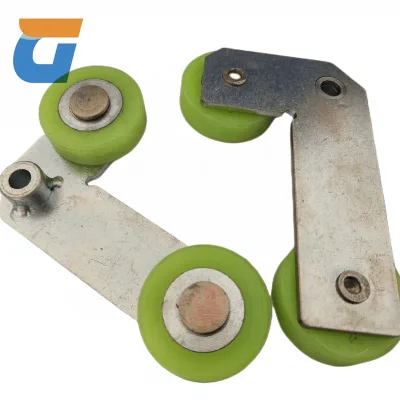
Elevator Door Knife Wheel/Door Knife Self Closing Wheel/Clamp Door Knife Wheel
$1.50 - $7.00
MOQ: 10 Minimum


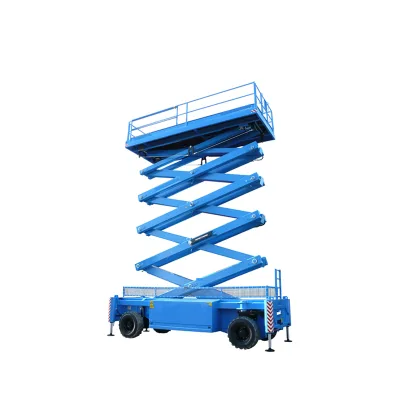
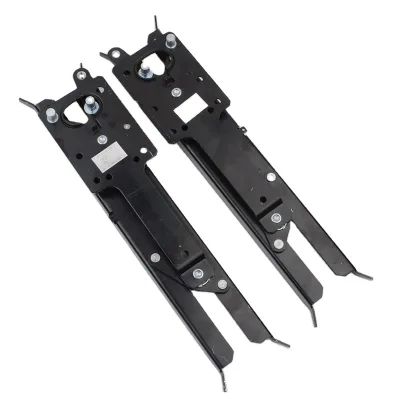
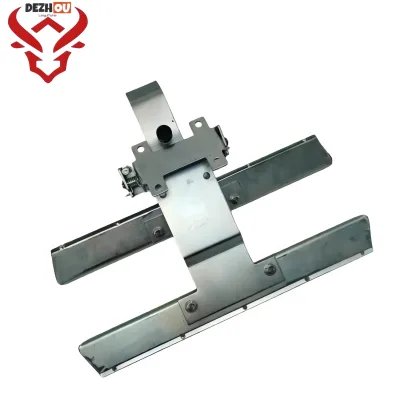
Comprehensive Sourcing Guide
Strategic Sourcing Guide for Single Door Knife Scissor Lift Systems
The procurement of a Single Door Knife Scissor Lift system represents a specialized investment in industrial material handling and access infrastructure. These units, often characterized by their compact footprint and vertical lifting capabilities, are critical for warehouse operations, workshop maintenance, and construction sites where space is constrained. The term "knife" in this context frequently refers to specific gate mechanisms or wheel assemblies integrated into the lifting platform or door systems, ensuring secure locking and smooth operation during transit. Buyers must navigate a complex landscape of technical specifications, certification requirements, and supplier capabilities to ensure the selected equipment meets rigorous safety and performance standards. This guide provides a structured approach to evaluating these systems based on verified market data and essential procurement principles.
Technical Specifications and Operational Mechanics
Understanding the core technical architecture of a Single Door Knife Scissor Lift is the first step in any sourcing strategy. The fundamental design relies on a scissor lift mechanism, which utilizes a crisscrossing framework of linked supports to provide stable vertical motion. According to observed product attributes, these systems are available in various working heights, ranging from 4 meters to 12 meters, with some configurations offering customized solutions extending up to 16 meters. The platform extension is often unilateral, allowing for targeted access to specific areas without requiring the entire unit to be repositioned.
The driving force behind these lifts varies significantly across the market. While some units operate on hydraulic power, others utilize DC-driven battery systems, offering flexibility for indoor versus outdoor applications. The battery type is predominantly lead-acid, a standard choice for heavy-duty industrial use due to its reliability and cost-effectiveness. Power consumption for these units typically centers around 2.2kw, a figure that buyers should verify against their facility's electrical infrastructure. The gradeability, or the maximum slope the unit can traverse, is observed at 25%, which is a critical metric for operations involving ramps or uneven terrain.
Control methods have evolved to enhance operator safety and efficiency. Modern units often feature remote or button control systems, allowing for precise maneuvering from a safe distance. The running mode can be either moving or stationary, depending on the specific model configuration. For instance, certain models are designed as self-propelled units, while others function as stationary lifts integrated into building infrastructure. The table size is another crucial specification, with standard dimensions observed at 2270mm by 1110mm, though customization is frequently available to meet unique spatial requirements.
Compliance, Certification, and Safety Standards
In the realm of industrial lifting equipment, compliance is not merely a regulatory formality but a fundamental aspect of operational safety. Buyers must rigorously verify that any Single Door Knife Scissor Lift system adheres to recognized international and local standards. The market data indicates that many suppliers provide products with ISO and CE certifications. These certifications are essential markers of quality and safety, indicating that the equipment has undergone testing for structural integrity and operational safety.
When evaluating a supplier, the specific certification status must be confirmed through official documentation rather than marketing claims. The "ISO CE" designation suggests adherence to European safety directives and international quality management systems. However, buyers should be aware that standards can vary by region and application. For example, explosion-proof features are a specific attribute observed in certain models, which is vital for operations in hazardous environments such as chemical plants or grain silos. The presence of such features requires verification against the specific safety protocols of the buyer's facility.
Furthermore, the design of the lift must align with the intended application. Some units are designed for building cranes, warehouse cranes, or workshop cranes, while others serve as supporting springs or gate knife wheels. The distinction is important because a unit designed for a crane application may have different load-bearing characteristics compared to a standalone scissor lift. Buyers should ensure that the product standard, often listed as specific dimensional or volumetric constraints (e.g., 3067mm1810mm2080mm or 10CBM), matches the physical requirements of the installation site.
Cost Drivers and Pricing Variables
The pricing of Single Door Knife Scissor Lift systems is influenced by a multitude of factors, resulting in a wide observed range from $1 to $50,000,000. This vast disparity highlights the importance of defining precise requirements before engaging with suppliers. The primary cost drivers include the working height, load capacity, and the complexity of the drive system. Units with higher working heights, such as those reaching 12 meters or more, naturally command higher prices due to the increased material and engineering required.
Load capacity is another significant determinant. While some models are rated for light-level carrying capacities, others are engineered for heavy-duty tasks with capacities up to 300kg. The choice between a hydraulic and a DC battery-driven system also impacts the final cost, as does the inclusion of specialized features like explosion-proofing or remote control capabilities. Customization plays a pivotal role in pricing; while standard packing and models are available, bespoke solutions involving custom table sizes or specific color schemes (e.g., Red/Blue) will incur additional charges.
It is crucial for buyers to understand that the lowest price does not always equate to the best value. Factors such as the warranty period, which is typically one year for standard units, and the availability of after-sales support, including online technical assistance, should be factored into the total cost of ownership. Additionally, the origin of the product, often China or specific provinces like Shandong and Hubei, can influence shipping costs and lead times, which are indirect but significant cost components.
Typical Applications and Industry Use Cases
Single door knife scissor lifts are versatile tools employed across a diverse array of industries. Their primary application lies in warehouse and workshop environments, where they facilitate the movement of materials to elevated storage racks or work platforms. The ability to extend the platform unilaterally makes them particularly useful in narrow aisles where maneuverability is restricted. In construction settings, these lifts provide safe access for maintenance tasks on building facades or interior structures.
The "knife" aspect of the lift often relates to gate mechanisms or wheel assemblies, which are critical for applications involving shipboard cranes or specialized industrial doors. These components ensure that the lifting platform remains secure during operation and that the transition between the lift and the surrounding structure is seamless. For facilities requiring high levels of safety, explosion-proof models are essential, particularly in industries dealing with flammable gases or dust.
Furthermore, the design style of these lifts, often modern and functional, allows them to integrate well into contemporary industrial facilities. The ability to customize the design and color ensures that the equipment can be tailored to match the aesthetic and functional requirements of the specific site. Whether used as a standalone unit or integrated into a larger crane system, the Single Door Knife Scissor Lift offers a reliable solution for vertical access and material handling.
Supplier Evaluation and Selection Criteria
Selecting the right supplier is as critical as selecting the right equipment. Buyers should prioritize suppliers who demonstrate transparency in their product attributes and certification status. The presence of specific model numbers, such as JCPT0612A, JCPT1413A, or SJYZ, indicates a level of standardization and traceability that is desirable in procurement. Suppliers should be able to provide detailed specifications for each model, including dimensions, weight, and power requirements.
The location of the supplier is another factor to consider. With many manufacturers based in China, specifically in regions like Jinan, Shandong, and Hubei, buyers must account for logistics and communication challenges. However, the proximity of these manufacturing hubs to global shipping routes can be advantageous for cost and speed. Buyers should also evaluate the supplier's project solution capability, which may include graphic design services or other value-added offerings that assist in the planning and installation phases.
After-sales service is a key differentiator among suppliers. A robust warranty and accessible technical support are essential for minimizing downtime and ensuring long-term operational efficiency. Suppliers who offer online technical support and comprehensive warranty packages demonstrate a commitment to customer satisfaction and product reliability. Additionally, the availability of customization options, such as specific packing methods like wooden cases or standard plywood packaging, indicates a flexible and customer-centric approach.
Quality Control and Long-Term Procurement Considerations
Ensuring the quality of a Single Door Knife Scissor Lift system requires a proactive approach to quality control. Buyers should request detailed test results and performance data from suppliers to verify the structural integrity and operational safety of the equipment. While specific test data may not always be publicly available, the presence of certifications like ISO and CE serves as a baseline indicator of quality.
Long-term procurement considerations extend beyond the initial purchase price. Buyers should evaluate the availability of spare parts, the ease of maintenance, and the potential for future upgrades. The standard packing and design of the unit can impact the longevity of the equipment, as proper packaging ensures that the unit arrives without damage. Furthermore, the customization options available allow buyers to future-proof their investment by selecting features that can be adapted to changing operational needs.
In conclusion, sourcing a Single Door Knife Scissor Lift system requires a meticulous evaluation of technical specifications, compliance standards, cost factors, and supplier capabilities. By focusing on verified data and avoiding unverified claims, buyers can make informed decisions that ensure safety, efficiency, and value. The diverse range of models and configurations available in the market offers solutions for virtually any industrial application, provided that the selection process is grounded in rigorous due diligence and a clear understanding of operational requirements.
FAQs
What certifications do single door knife scissor lifts have?
Many units carry ISO and CE certifications to verify safety and quality standards. Buyers should request official documentation to confirm compliance before purchase, as these marks indicate adherence to international directives.
How high can these lifts operate?
Working heights typically range from 4 meters to 12 meters, with some custom models reaching up to 16 meters. The platform extension is often unilateral, allowing targeted access without repositioning the entire unit.
Which drive systems are available for these lifts?
Options include hydraulic driven types and DC battery-driven systems powered by lead-acid batteries. The choice depends on whether the application requires indoor flexibility or outdoor mobility on slopes up to 25% gradeability.
Can the platform size be customized?
Yes, table sizes like 2270mm by 1110mm are standard but can be customized to specific needs. Customization also extends to colors like red or blue and specific packing methods such as wooden cases.
What is the typical load capacity?
Load capacities vary from light-level carrying to specific ratings like 300kg. Buyers must verify the exact capacity against their material handling requirements to ensure safe operation for their specific use case.
Where are these products manufactured?
Products originate primarily from China, with specific manufacturing hubs in Jinan, Shandong, and Hubei. This location influences shipping logistics and lead times, which are critical factors in the total procurement cost.