Source USP Grade Collagenase for Medical, Food, and Cosmetic Uses
Find 30 verified listings for USP Grade Collagenase suitable for medical diagnostics, food processing, and cosmetic formulations. Buyers can compare specifications, packaging options, and certifications from multiple suppliers to identify the best match for their production needs.
Key considerations
Products List






Comprehensive Sourcing Guide
USP Grade Collagenase Sourcing Guide
Procuring USP Grade Collagenase requires a distinct approach compared to general collagen peptides, as the primary focus shifts from nutritional supplementation to enzymatic precision for tissue digestion and laboratory applications. While the supplied product data highlights various collagen forms such as granules, powders, and specific types like Un-Denatured Type II Collagen, these are distinct from the proteolytic enzymes required for USP compliance. Buyers must recognize that the listed attributes regarding appearance, such as light yellow or white powder, and shelf life variations of two to three years, apply to the raw material forms but do not automatically define the enzymatic activity or purity standards of a USP-grade enzyme. The sourcing strategy must therefore prioritize verifying the specific enzymatic classification and activity units over the general physical characteristics observed in standard collagen listings.
The commercial landscape for this specialized ingredient involves navigating a wide range of minimum order quantities and packaging formats, from small 1kg bags to bulk 25kg drums, which directly impacts the feasibility of trial runs versus large-scale production. The observed supply types, including OEM services and OBM manufacturing, indicate that suppliers may offer custom labeling or specific formulation adjustments, yet the core USP specification remains a non-negotiable baseline for regulatory acceptance. Buyers should be prepared to engage with suppliers who can demonstrate a clear separation between their nutritional collagen lines and their enzymatic product lines, ensuring that the specific batch intended for USP compliance is not conflated with general industrial or food-grade collagen products found in the broader market.
Product Scope and Observed Listing Signals
When evaluating product listings for collagenase, buyers must distinguish between the broad category of collagen derivatives and the specific enzymatic activity required for USP grade applications. The provided data lists various collagen forms, including "Collagen Tripeptide" and "Un-Denatured Collagen," which serve different functional purposes than collagenase enzymes used for cell isolation or tissue processing. While the listings mention applications like repairing degenerative osteoarthritis or suitability for tablets and capsules, these are indicative of nutritional or pharmaceutical excipient uses rather than the enzymatic digestion processes typical of USP Grade Collagenase. Consequently, the presence of a product labeled as "collagen" does not confirm it meets the stringent enzymatic activity and purity requirements of the United States Pharmacopeia.
The observed listing signals, such as the CAS number 9007-34-5, often refer to generic collagen or gelatin rather than the specific enzyme preparations required for USP compliance. Buyers should treat these identifiers as starting points for verification rather than definitive proof of the product's enzymatic nature. The data also notes various packaging options like 15kg Kraft paper bags or 25kg composite bags, which are standard for bulk powder handling but do not guarantee the sterile or controlled environment necessary for high-purity enzymatic products. It is critical to scrutinize the "Usage Mode" and "Application" fields in supplier catalogs to ensure they align with enzymatic digestion protocols rather than oral administration or general food fortification.
Technical Specifications to Verify
The primary technical specification to verify is the specific activity of the enzyme, typically measured in units per milligram, which determines the efficiency of tissue digestion. Unlike the general "High Purity" or "Refined" quality descriptors found in the supplied data, USP Grade Collagenase requires precise quantification of proteolytic activity to ensure consistent performance in laboratory or manufacturing settings. Buyers must request detailed assay reports that define the enzyme's specificity, such as whether it is Type I, Type II, or a blend, and confirm that the activity levels meet the strict thresholds set by the USP monograph. The absence of specific activity data in general product listings should be treated as a critical gap that must be filled before any procurement decision is made.
Storage and stability parameters are equally vital, as enzymatic activity can degrade rapidly if not maintained under strict conditions. The supplied facts mention storage requirements like "2-10 Degree" or "Cool Dry Place," which are relevant but insufficient on their own for USP grade enzymes that may require frozen storage or specific humidity controls to maintain potency. Buyers should verify the shelf life claims, noting the observed range of two to three years, and cross-reference these with the supplier's stability data to ensure the enzyme retains its activity throughout the product's lifecycle. Additionally, the physical form, whether granule or powder, must be consistent with the supplier's specifications to prevent issues with solubility and reaction kinetics during application.
Compliance and Safety Documentation
Regulatory compliance for USP Grade Collagenase extends beyond general certifications like GMP, HACCP, and ISO22000, which are listed in the supplied data, to include specific adherence to the United States Pharmacopeia monographs. While the presence of FSSC 22000 and other quality certifications indicates a robust management system, they do not automatically validate that a specific batch of collagenase meets the rigorous purity and safety standards required for pharmaceutical or diagnostic use. Buyers must demand a Certificate of Analysis (CoA) that explicitly references the USP monograph and confirms the absence of contaminants such as endotoxins, heavy metals, or microbial pathogens that could compromise the enzyme's safety profile.
Safety documentation must also address the biological origin of the enzyme, particularly given the listed attribute "100% Derived From Chicken Sternum Cartilage" for related collagen products. For USP Grade Collagenase, the source material must be clearly defined and free from prions or other zoonotic risks, requiring thorough traceability from the raw material to the final product. The "Type: Biological Diagnostic Reagents" attribute in the data suggests a potential overlap with diagnostic applications, but buyers must ensure that the specific collagenase product is cleared for its intended use, whether for cell culture, tissue engineering, or pharmaceutical manufacturing. Without explicit documentation confirming the enzyme's compliance with USP standards and its safety for the intended biological application, the procurement carries significant regulatory risk.
Cost Drivers and Commercial Terms
The cost of USP Grade Collagenase is driven primarily by the complexity of the purification process and the required enzymatic activity levels, rather than the raw material cost of the collagen itself. While the observed price range in the market spans from $0.05 to $18,000, this wide variance reflects the difference between bulk food-grade collagen and highly purified, activity-certified enzymes. Buyers should anticipate that the unit price for USP grade material will be significantly higher than the lower end of the observed range, as the manufacturing process involves stringent quality controls and specialized testing that add substantial value. The MOQ of 1kg to 10,000 units observed in the data suggests flexibility, but the cost per unit often decreases with volume, making it essential to balance the need for trial quantities with the economic benefits of larger orders.
Commercial terms such as packaging and shipping methods also influence the total cost of ownership, particularly for temperature-sensitive enzymatic products. The listed packaging options, including double plastic containers, aluminum foil bags, and drums, must be evaluated for their ability to protect the enzyme from moisture and temperature fluctuations during transit. Buyers should consider the "Express Company" options like FedEx or sea transportation, weighing the speed of delivery against the risk of temperature excursions that could degrade the enzyme's activity. Additionally, the availability of samples, noted as 10g in the data, can be a strategic cost-saving measure, allowing buyers to validate the product's performance before committing to larger, more expensive orders.
Supplier Qualification and Quality Control
Supplier qualification for USP Grade Collagenase requires a deep dive into their manufacturing capabilities and quality control systems, going beyond the basic "OEM Service" or "OBM" labels found in general listings. Buyers must verify that the supplier has a dedicated production line or facility for enzymatic products, ensuring that there is no cross-contamination with nutritional collagen lines that may have different purity standards. The "Quality: High Purity" and "Quality: Refined" attributes in the data are generic and must be substantiated with specific audit reports and validation data that demonstrate the supplier's ability to consistently produce USP grade material. A supplier's ability to provide batch-specific CoAs and traceability records is a non-negotiable requirement for maintaining compliance.
Quality control processes must include rigorous testing for enzymatic activity, protein content, and the absence of inhibitors or contaminants. Buyers should request detailed information on the supplier's in-house testing protocols and their use of external laboratories for independent verification of USP compliance. The "Customization: OEM: Free Print Logo" attribute indicates a willingness to adapt packaging, but this should not distract from the core requirement of maintaining the integrity of the enzyme during the customization process. Suppliers must demonstrate a robust change control system to ensure that any modifications to the manufacturing process or packaging do not adversely affect the product's quality or regulatory status.
Long-Term Procurement Checks
Establishing a long-term procurement relationship for USP Grade Collagenase requires a commitment to continuous monitoring of product performance and regulatory changes. Buyers should implement a schedule for periodic re-verification of the enzyme's activity and purity, ensuring that the product continues to meet USP standards over time. The "Short Life" attributes of two to three years observed in the data highlight the importance of managing inventory turnover to prevent the use of degraded material, necessitating a robust supply chain strategy that aligns with the product's shelf life. Regular audits of the supplier's quality management system are essential to maintain confidence in the ongoing compliance of the product.
Market dynamics and regulatory updates can also impact the availability and specifications of USP Grade Collagenase, requiring buyers to stay informed about changes in the USP monograph or industry standards. The "Keywords: Collagen Peptide" and "Other Name: Small Molecule Collagen Peptide" in the data suggest a potential confusion in the market, making it crucial for buyers to maintain clear communication with suppliers regarding the specific product identity. Long-term success depends on building a partnership with a supplier who is transparent about their capabilities and responsive to the evolving needs of the buyer's production or research processes. By maintaining a proactive approach to quality assurance and regulatory compliance, buyers can mitigate risks and ensure a stable supply of high-quality USP Grade Collagenase.
FAQs
What is the typical appearance of USP Grade Collagenase powder?
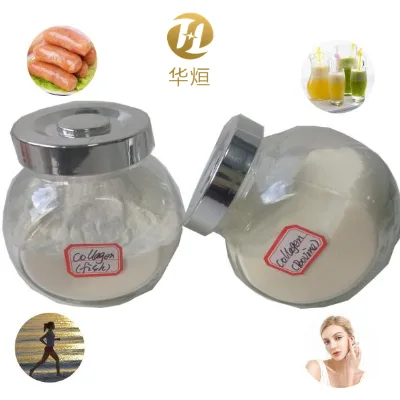
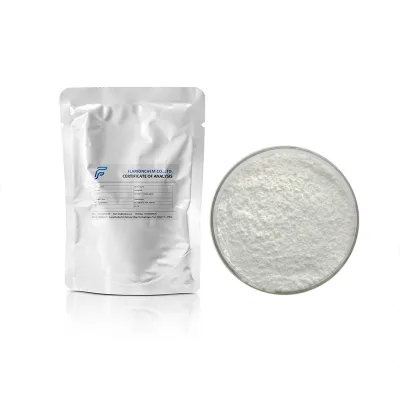
The product typically appears as a light yellow or white powder. This visual characteristic helps buyers verify the physical state of the material upon receipt. The texture may vary between granule and powder forms depending on the specific manufacturing batch and processing method used by the supplier.
Can I request custom packaging for bulk collagenase orders?
Yes, customization is available for bulk orders. Suppliers offer packaging options such as 15kg or 20kg Kraft paper bags, as well as 25kg composite Kraft paper bags. Some vendors also provide 1kg bags with double plastic containers inside aluminum foil for smaller quantity requirements or specific handling needs.
What certifications are required for collagenase suppliers?
Reputable suppliers typically hold GMP, HACCP, ISO22000, and FSSC 22000 certifications. These standards ensure that the manufacturing process meets rigorous quality and safety requirements. Buyers should verify these credentials to ensure the collagenase meets regulatory compliance for pharmaceutical or food-grade applications.
How should collagenase powder be stored to maintain quality?
Store the product in a cool, dry place to preserve its integrity. Some specific formulations require storage at 2-10 degrees Celsius. Proper storage prevents degradation and ensures the product remains effective throughout its shelf life, which is typically listed as two to three years from the date of manufacture.
What is the minimum order quantity for collagenase samples?
The minimum order quantity can be as low as 1kg for standard bulk orders. For testing purposes, suppliers often provide samples of 10g. This allows buyers to evaluate the product quality before committing to larger purchases, with MOQs generally ranging from 1 to 10,000 units depending on the vendor.
Is OEM service available for collagenase branding?
Yes, OEM services are available for branding needs. Suppliers offer free print logo options and original brand manufacturing capabilities. This allows buyers to have their own branding applied to the collagenase packaging, facilitating direct-to-consumer sales or private label distribution in various international markets.