Source Analytical Reagent Cesium Sulfate for Labs, Research, and Industry
Find 30 verified listings for Analytical Reagent Cesium Sulfate with varying purity levels and packaging options. Buyers can compare specifications such as molecular weight, solubility, and grade standards from multiple suppliers in China.
Key considerations
Products List


Sulfuric Acid 98%, Acid for Industrial Use, Bulk Sulfuric Acid Supplier
$120.00 - $210.00
MOQ: 25 Tons


High Quality Manufacturer Anhydrous Sodium Sulfate as Analytical Reagents
$75.00 - $85.00
MOQ: 20 Tons
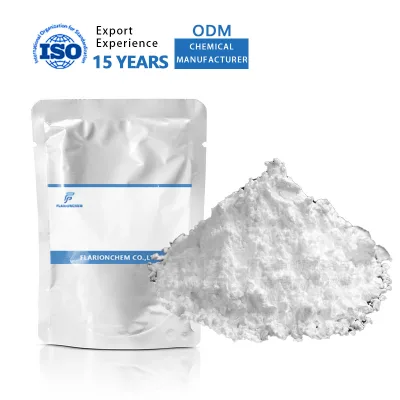


Stannous Sulfate Lab High Purity Chemical Analysis Standard Reagent
$13500.00 - $14500.00
MOQ: 10 Tons


Comprehensive Sourcing Guide
Strategic Sourcing Guide for Analytical Reagent Cesium Sulfate
Understanding Product Specifications and Technical Attributes
When sourcing Analytical Reagent Cesium Sulfate, buyers must first establish a precise understanding of the technical attributes that define the product's utility in laboratory and industrial settings. The provided data indicates a high degree of variability in product specifications, which is common in the global chemical market where different grades serve distinct purposes. A critical observation from the available product data is the molecular weight, listed as 361.87, which serves as a fundamental identifier for the chemical compound. This figure is essential for stoichiometric calculations in analytical chemistry and ensures that the substance being procured matches the theoretical requirements of the intended reaction or analysis.
The physical appearance of the product is consistently described as a powder, often noted as white in color. This visual characteristic is a primary indicator of purity and physical state, though it should be verified against specific batch certificates. The solubility profile is another vital technical parameter; the data suggests the substance is very soluble in water, with a specific measurement of 74.4 G/100 Ml at 20°C. This high solubility is crucial for preparing standard solutions and reagents where rapid dissolution is required. Conversely, the product is noted as slightly soluble in alcohol, a detail that influences the choice of solvents for extraction or purification processes.
Density is another key physical property, recorded at 4.243 G/Ml. This high density relative to water implies that the substance will settle quickly in aqueous mixtures, which is a factor to consider during handling and storage procedures. The chemical classification is identified as an inorganic acid, specifically sulfuric acid in some contexts, though the core keyword focuses on cesium sulfate. Buyers must be vigilant in distinguishing between the cesium salt and the acid itself, as the data contains entries for "98% strong sulfuric acid" and "Oxidizing Acid" which may appear in the same search results but represent different chemical entities. The pH value is noted around 5.5 in specific contexts, suggesting a near-neutral or slightly acidic environment in solution, which is relevant for biological or sensitive chemical applications.
Compliance, Certification, and Grade Standards
Navigating the compliance landscape is paramount when purchasing analytical reagents. The supply chain for cesium sulfate often involves products certified under international standards, with ISO certification appearing as a high-confidence fact in the market data. This indicates that reputable suppliers adhere to ISO management systems, which is a baseline requirement for many institutional and industrial buyers. However, the data also lists a broader range of certifications including CE, GMP, TUV, and ISOChemical Character, suggesting that suppliers may offer varying levels of compliance depending on the target market and application.
Grade standards vary significantly across the listings, ranging from Industrial Grade to Reagent Grade. For analytical reagent applications, the distinction is critical. Industrial Grade products, while potentially cheaper, may contain impurities unsuitable for precise laboratory work. The data highlights "Reagent Grade" as a specific standard, which implies a higher level of purity and traceability. Additionally, specific purity thresholds are observed, such as ≥99%, 98%, and 99.9%. When sourcing for analytical purposes, buyers should explicitly verify that the product meets the Reagent Grade standard and matches the required purity percentage, as lower grades like "Tech Grade" or "Industrial Grade" may not satisfy the stringent requirements of analytical chemistry.
The UN number 1830 is listed in the product data, which is a critical identifier for shipping and regulatory compliance. This number typically corresponds to specific hazardous materials, and its presence necessitates adherence to international transport regulations. Buyers must ensure that their logistics partners are capable of handling materials with this classification. Furthermore, the chemical nature is described as "Chemical Neutral" in some contexts, while others describe it as an "Oxidizing Acid." This contradiction in the data underscores the necessity for buyers to request the Material Safety Data Sheet (MSDS) for every batch to confirm the exact chemical behavior and safety handling requirements.
Cost Drivers and Pricing Dynamics
The pricing structure for cesium sulfate is influenced by a complex interplay of factors, including purity, packaging, and order volume. The observed price range in the market is extensive, spanning from 0.3 to 14,500 USD. This vast disparity is not indicative of a single product but rather reflects the diversity of the market, ranging from bulk industrial commodities to small quantities of high-purity analytical reagents. The lower end of the spectrum likely corresponds to industrial-grade materials sold in large volumes, while the higher end represents specialized, high-purity analytical grades or small batch sizes with significant handling costs.
Minimum Order Quantity (MOQ) is a significant driver of unit cost. The data shows an MOQ range from 1 to 1000 units. For laboratories requiring small quantities for specific experiments, suppliers with low MOQs are essential, though the per-unit cost will be higher. Conversely, large-scale industrial applications can leverage high-volume orders to reduce the cost per unit. The packaging type also impacts the final price; options include Drum Packing, Bag Packing, IBC Drums, and IBC Tanks. Larger packaging units like IBC Drums (1600kg) or 250kg Drums are generally more cost-effective for bulk transport but require significant storage capacity and handling equipment.
Customization is listed as an available attribute, which can introduce additional costs. Buyers requiring specific packaging sizes, such as 25kg or 50kg bags, or customized labeling, should anticipate a premium over standard off-the-shelf products. The origin of the product, primarily identified as China and specifically Hebei, also plays a role in pricing dynamics, as regional production costs and logistics infrastructure influence the final landed cost. Buyers must balance the trade-off between price, purity, and logistical convenience when evaluating the total cost of ownership.
Typical Applications and Functional Use Cases
The functional applications of cesium sulfate extend across various sectors, driven by its specific chemical properties. The data points to its use in agriculture as a type of Ammonium Nitrogen Fertilizer, with applications listed for fruit, flowers, and vegetables. In this context, the product's nitrogen content, noted as 21% Min, and its solubility characteristics are leveraged to enhance soil nutrient profiles. The critical relative humidity of 79.2% at 30°C is a relevant parameter for storage in agricultural settings to prevent caking or degradation.
However, for the specific keyword of "analytical reagent," the primary application shifts to laboratory environments. The high purity levels (≥99% to 99.9%) and Reagent Grade standards make the product suitable for quantitative analysis, standard solution preparation, and calibration of analytical instruments. The solubility of 74.4 G/100 Ml allows for the creation of concentrated stock solutions, which can be diluted to precise concentrations for titration or spectroscopic analysis. The chemical neutrality and specific pH values suggest its utility in buffer systems or as a reagent in reactions requiring controlled acidity.
The classification as an inorganic acid and the presence of sulfuric acid references in the data indicate potential uses in acid-base chemistry and synthesis. The "Slow Release" attribute mentioned in the data, while more common in agricultural contexts, might also apply to controlled-release formulations in specialized chemical research. Buyers must carefully align the product's stated applications with their specific experimental needs, ensuring that the grade and purity match the sensitivity of the analytical methods being employed.
Supplier Evaluation and Quality Control Protocols
Evaluating suppliers for cesium sulfate requires a rigorous approach to ensure product consistency and safety. Given the variability in the data, buyers should prioritize suppliers who provide transparent documentation. The presence of ISO, CE, GMP, and TUV certifications is a positive indicator, but these should be verified against the specific batch of product being purchased. A reliable supplier will provide a Certificate of Analysis (CoA) that details the actual purity, molecular weight, and physical properties of the specific lot, rather than relying on general product descriptions.
Quality control should be a central part of the procurement process. Buyers must verify that the product meets the specified Grade Standard, whether Industrial or Reagent. The data lists various purity levels, and it is the buyer's responsibility to confirm that the received product matches the ordered specification. Testing for solubility, density, and appearance should be conducted upon receipt to ensure the product has not degraded during transit. The storage requirements, such as vacuum packaging or specific drum types, must be maintained to preserve the integrity of the chemical.
The packaging options, ranging from 25kg bags to 1600kg IBC drums, offer flexibility but also introduce points of failure. Buyers should assess the supplier's ability to maintain packaging integrity during shipping. The UN number 1830 designation requires that the supplier follows strict hazardous material transport protocols. A supplier's track record in handling such materials and their ability to provide compliant shipping documentation are critical factors in the evaluation process.
Long-Term Procurement and Supply Chain Stability
Establishing a long-term procurement strategy for cesium sulfate involves looking beyond immediate transactional needs. The supply chain for chemical reagents can be subject to fluctuations in raw material availability, regulatory changes, and logistics disruptions. The data indicates that the product origin is primarily China, specifically Hebei. Buyers should consider the geopolitical and logistical implications of sourcing from this region, including potential lead times and customs clearance requirements.
Lead times are not explicitly defined in the data, but the wide range of MOQs and packaging options suggests that lead times may vary significantly based on order size and customization needs. For analytical reagents, which are often needed for time-sensitive experiments, buyers should negotiate clear delivery schedules and contingency plans with their suppliers. The availability of customization, such as specific packaging or labeling, should be integrated into the long-term contract to ensure consistency in the laboratory workflow.
Sustainability and safety are increasingly important in long-term procurement. The "Physiological Neutral" classification and the specific storage requirements highlight the need for responsible handling and disposal. Buyers should work with suppliers who demonstrate a commitment to environmental stewardship and safety compliance. By building a relationship with a supplier who can consistently provide high-quality, certified products with transparent documentation, buyers can mitigate the risks associated with supply chain variability and ensure the reliability of their analytical operations.
Comparative Analysis of Product Variants
To assist in decision-making, the following table summarizes the key attributes observed in the market data, highlighting the differences between various product variants that a buyer might encounter.
| Attribute | Variant A (Industrial/Agri) | Variant B (Analytical/Reagent) | Variant C (Bulk/Custom) |
|---|---|---|---|
| Grade Standard | Industrial Grade | Reagent Grade | Tech Grade / Custom |
| Purity | Variable (e.g., 98%) | ≥99% to 99.9% | 96% - 98% |
| Appearance | Powder, White | Powder, White | Powder |
| Packaging | IBC Tank, Drum | Bag, Drum, Customized | IBC Drum, 250kg Drum |
| Certification | ISO | ISO, GMP, TUV | ISO, CE |
| Primary Use | Fertilizer, Industrial | Laboratory Analysis | General Industrial |
| MOQ Range | High (1000+) | Low to Medium (1-100) | Variable |
| Solubility | High in Water | High in Water (74.4g/100ml) | High in Water |
This comparison underscores the importance of selecting the correct variant for the intended application. Analytical reagents require the highest purity and strict adherence to Reagent Grade standards, whereas industrial applications may prioritize cost and volume. By carefully matching the product attributes to the specific needs of the operation, buyers can optimize their procurement strategy and ensure the quality of their results.
FAQs
What is the purity level of Analytical Reagent Cesium Sulfate?
The purity level is typically 99% or higher, with some grades reaching 99.9%. Buyers must verify the specific Grade Standard, as Industrial Grade may not meet analytical requirements.
How is the product physically described in terms of appearance?
The product appears as a white powder with a density of 4.243 g/ml. This physical state is consistent across listings, though specific batch verification is recommended for quality assurance.
Which certifications are commonly available for this chemical product?
Common certifications include ISO, CE, GMP, and TUV. Buyers should request valid certificates to ensure the supplier adheres to international management systems and safety standards.
Can the product be customized for specific packaging needs?
Yes, customization is available for packaging such as drums, bags, or IBC tanks. Options include 25kg bags or 1600kg IBC drums depending on the order volume and supplier capabilities.
What is the solubility profile of cesium sulfate in water?
The substance is very soluble in water, with a measured solubility of 74.4 g/100 ml at 20°C. It is only slightly soluble in alcohol, which affects solvent selection for extraction.
Where are the primary manufacturing origins for this reagent?
The primary product origin is China, with specific mentions of the Hebei region. Buyers should account for logistics and lead times associated with sourcing from this location.