Source USP Standard Borosilicate Glass Vials for Medical Use
Find 30 USP Standard Borosilicate Glass Vials for medical applications. Compare clear, neutral borosilicate options in 1-250ml sizes with screw caps. Source from China suppliers offering customization and various packing methods; compare the available evidence and request quotations based on your requirements.
Key considerations
Products List


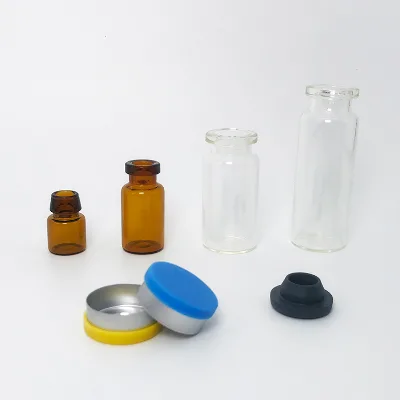


Small Borosilicate Glass Bottle Glass Vial with Coating and Screen Printing
$0.04 - $0.10
MOQ: 50000 Pieces

Comprehensive Sourcing Guide
USP Standard Borosilicate Glass Vials Sourcing Guide
Procuring USP Type I neutral borosilicate glass vials requires a rigorous focus on hydrolytic resistance and chemical stability, as these attributes are non-negotiable for medical applications involving sensitive pharmaceuticals. Buyers must verify that the glass composition meets the strict USP Type I classification, which ensures the material does not leach alkali ions into the solution, thereby preserving drug integrity over extended storage periods.
The observed market data indicates a diverse range of capacities, from small 0.5ml sample vials up to larger 250ml containers, necessitating precise specification matching for your specific formulation needs. While some listings highlight customization options for logos and branding, the core structural integrity relies on the neutral borosilicate material, which offers superior thermal shock resistance compared to soda-lime alternatives used in less critical packaging scenarios.
Product Scope and Observed Listing Signals
The current market landscape for these vials reveals significant variability in capacity specifications, with observed models ranging from 1ml to 30ml, 4ml, 6ml, 7ml, and even up to 100ml or 250ml depending on the supplier's production line. Buyers should carefully cross-reference their required volume against the specific model numbers listed, such as the 2ml-30ml or 10ml-250ml ranges, to ensure the physical dimensions align with their filling equipment and downstream processing requirements.
Listing signals also indicate a mix of customization levels, where some products are offered without logo printing while others support customized branding or offset printing techniques. This variation suggests that procurement teams must explicitly define their branding needs early in the inquiry process, as the default state for many medical-grade vials is often unbranded to maintain a sterile, clinical appearance unless specific marketing requirements dictate otherwise.
Technical Specifications to Verify
Technical verification must prioritize the forming type and machine technology, as the observed data points to both horizontal machines and moulded forming types which directly influence wall thickness consistency and dimensional accuracy. Buyers should confirm that the production utilizes bottle blowing or mould techniques that maintain the structural rigidity required for medical use, ensuring the vials can withstand the pressures of automated filling lines without deformation or breakage.
Further scrutiny is required regarding the sealing and closure compatibility, as the listings mention screw cap sealing types which must be matched precisely to the vial's neck finish. Additionally, the distinction between recycled and unrecycled glass content is a critical technical parameter, with medical applications typically demanding unrecycled materials to eliminate potential contaminants, a factor that must be explicitly confirmed in the supplier's technical data sheets.
Compliance and Safety Documentation
Compliance verification for USP Type I glass necessitates the presentation of hydrolytic property test results that demonstrate the glass's resistance to water attack under standard conditions. Buyers must request specific documentation proving the material meets the USP Type I standard, which is the highest classification for glass containers, ensuring that the vials will not compromise the sterility or chemical stability of the pharmaceutical products they contain.
While some listings reference ISO standards, the primary safety documentation must focus on the specific hydrolytic resistance and chemical durability required for medical applications. Procurement teams should ensure that the supplier provides batch-specific certificates of analysis that validate the neutral borosilicate composition, as generic standard references are insufficient for validating the safety profile of vials intended for parenteral or injectable drug delivery systems.
Cost Drivers and Commercial Terms
Cost structures for these specialized vials are heavily influenced by the capacity range and the level of customization, with smaller sample vials often commanding different unit economics compared to larger 250ml containers. The observed MOQ ranges from as low as 2 units to as high as 500,000 units, indicating that buyers must align their order volume with the supplier's production capacity to achieve optimal pricing tiers without incurring excessive minimum order penalties.
Commercial terms also vary based on packaging configurations, with options ranging from individual cartons to palletized shipments with shrinkwrap protection. Buyers should negotiate clearly on whether the price includes the cost of the screw caps or if these are sold as separate components, as the total landed cost can fluctuate significantly depending on whether the packaging is designed for direct retail display or bulk industrial handling.
Supplier Qualification and Quality Control
Supplier qualification should begin with verifying the origin of the glass, as the observed data indicates production primarily from China and specifically the Shandong region, which is a known hub for glass manufacturing. Buyers must assess the supplier's quality control protocols to ensure consistent adherence to the USP Type I standard, as variations in the melting process can lead to defects that compromise the hydrolytic resistance of the final product.
Quality control checks must also extend to the logo printing and finishing processes, ensuring that any customization does not introduce contaminants or weaken the glass structure. It is essential to confirm that the supplier employs rigorous inspection methods for the forming type and machine output, verifying that the moulded vials maintain the required flexibility and hardness specifications for their intended medical application.
Long-Term Procurement Checks
Long-term procurement strategies require establishing a robust framework for ongoing quality assurance, including regular audits of the supplier's production lines to ensure continued compliance with USP Type I standards. Buyers should implement a schedule for periodic re-testing of vial samples to verify that the hydrolytic properties remain consistent over time, as changes in raw material sources or manufacturing processes can subtly alter the glass performance.
Sustainability and supply chain resilience are also critical long-term considerations, particularly given the observed mix of recycled and unrecycled glass options. Procurement teams should evaluate the supplier's ability to maintain a steady supply of unrecycled neutral borosilicate glass, ensuring that the long-term availability of these critical medical packaging components is not disrupted by material shortages or regulatory changes in the manufacturing region.
FAQs
What glass type is used for these medical vials?
These vials are manufactured from neutral borosilicate glass, which meets USP Type I hydrolytic property standards. This high-quality material ensures excellent chemical resistance and thermal stability, making it ideal for storing sensitive medical solutions and pharmaceutical products without degradation or interaction.
Can these vials be customized with a logo?
Yes, customization is available for logo printing on these glass vials. Buyers can choose between options with or without logo printing, or request fully customized branding. This flexibility allows pharmaceutical companies to maintain brand identity while ensuring the vials meet strict medical application requirements.
What specifications are available for these borosilicate vials?
The product range includes various specifications such as 1-30ml, 0.5-2ml, and 10ml-250ml models. Specific sizes like 2ml, 4ml, 6ml, 7ml, and 10, 15, 30, 50, 100ml are also offered. This wide range of volumes caters to diverse medical and laboratory packaging needs.
How are these glass bottles formed and packed?
These bottles are formed using a horizontal machine and moulded glass bottle techniques. They are typically packed in cartons, with some options including shrinkwrap or pallet packaging. This sturdy packing ensures safe transit and protection for the fragile glass vials during shipping and storage.
Where are these USP standard vials manufactured?
These vials originate from China, with specific production noted in Shandong. The manufacturing process adheres to ISO standards and USP Type I requirements. This origin ensures access to established glass manufacturing capabilities while meeting international quality benchmarks for medical and pharmaceutical packaging applications.
What sealing type is used for these sample vials?
These sample vials and feeding bottles utilize a screw cap sealing type. This secure closure method prevents leakage and contamination, ensuring the integrity of the contents. The screw cap design is standard for medical applications, providing easy access and reliable sealing for various liquid formulations.