Source UV Absorption Octabenzone for Plastics, Coatings, and Adhesives
Find and compare 30 listings for UV Absorption Octabenzone, a synthesis material intermediate with CAS 1843-05-6. Evaluate industrial-grade options from China, reviewing specifications like 99% purity, 25kg fiber drum packing, and applications in daily chemical materials and UV protection.
Key considerations
Products List


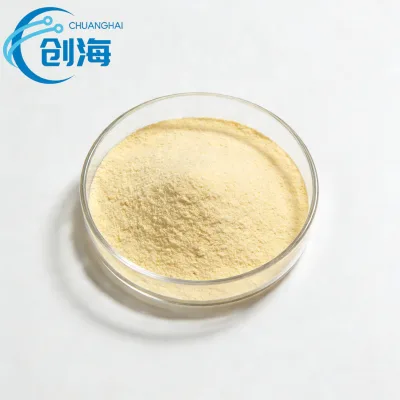
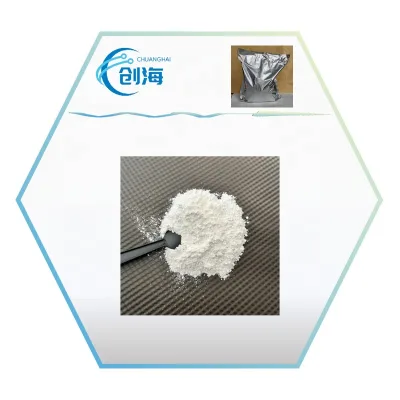
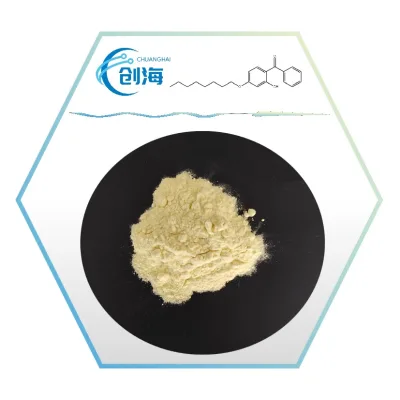
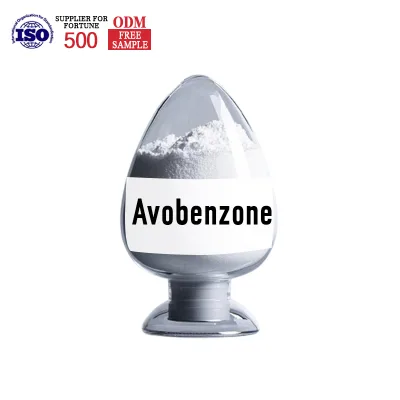
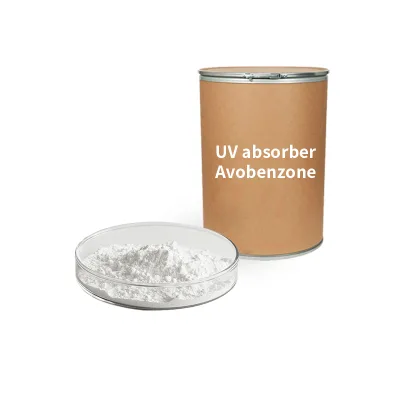
Factory Supply UV Absorber Avobenzone CAS 70356-09-1 Avobenzone Powder CAS 70356091
$13.00 - $15.00
MOQ: 100 Minimum




Comprehensive Sourcing Guide
UV Absorption Octabenzone Sourcing Guide
Sourcing Octabenzone, also known as Ultraviolet Absorber UV-531, requires a disciplined approach to verifying chemical identity and purity, as this compound serves as a critical intermediate in both synthesis and UV protection applications. The core keyword for this material is often linked to its CAS number 1843-05-6 and its molecular formula C21H26O3, which distinguishes it from other UV absorbers like Octyl Triazone. Buyers must navigate a market where the same chemical name may appear under different classifications, such as Flavor & Fragrance Intermediates or Synthesis Material Intermediates, depending on the supplier’s intended use case. Understanding these semantic variations is essential for accurate procurement, as misidentification can lead to receiving materials with incompatible purity levels or physical forms.
The procurement landscape for Octabenzone is characterized by a wide range of observed listing signals, including price points between 1 and 100 USD and minimum order quantities (MOQs) ranging from 1 kg to 1000 kg. These variations reflect the dual nature of the product, which can be sourced as a refined industrial grade or as a cosmetic-grade intermediate. Buyers should recognize that the presence of synonyms like "UV-531" does not automatically guarantee the same physical appearance or packaging standard across all suppliers. Therefore, the initial screening process must focus on aligning the specific technical requirements of your production line with the explicit attributes listed in the supplier’s catalog, rather than relying solely on the product name.
Product Scope and Observed Listing Signals
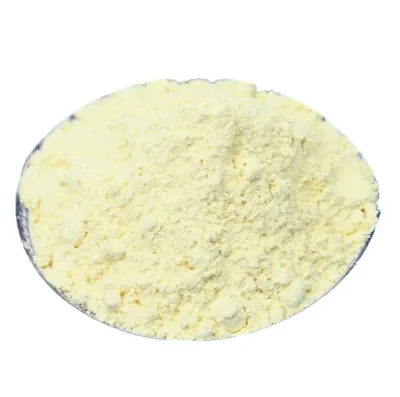
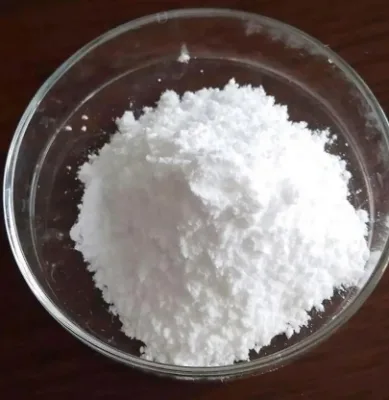
The product scope for Octabenzone encompasses a variety of physical forms and packaging options, primarily observed as a white or yellow powder. Listings frequently indicate a purity or standard of 99%, with packaging ranging from 25 kg fiber drums to aluminum foil bags for smaller quantities under 10 kg. This variability in packaging suggests that suppliers cater to different scales of operation, from laboratory-scale testing to industrial bulk production. Buyers should pay close attention to the stated appearance, as discrepancies between "white powder" and "yellow powder" may indicate differences in refinement levels or the presence of impurities, which can significantly impact the final quality of UV-absorbing formulations.
Commercial signals also reveal a diverse set of supplier origins, predominantly from regions like Hebei and Jiangsu in China, with brands such as Chuanghai appearing in the market. The availability of samples is a common feature, allowing buyers to verify the physical characteristics of the powder before committing to larger orders. However, the observed selling units and single package sizes vary, with some listings specifying dimensions like 30x20x30 cm for bulk drums and smaller dimensions for sample packs. This diversity in commercial terms requires buyers to carefully calculate the total landed cost, including shipping and handling, as the MOQ and packaging format can drastically affect the per-unit cost and logistical complexity of the procurement.
Technical Specifications to Verify
Verifying the technical specifications of Octabenzone is paramount to ensuring its efficacy in UV absorption applications. The molecular weight of approximately 326.43 g/mol and the CAS number 1843-05-6 serve as the primary identifiers for this compound. Buyers must confirm that the supplier provides a Certificate of Analysis (COA) that matches these identifiers, as confusion with other UV absorbers, such as Octyl Triazone (CAS 88122-99-0, MW 823.07), is a common risk. The density of Octabenzone is typically around 1.160 g/cm³, and the boiling point is estimated at 424.46°C, which are critical parameters for processing and storage conditions. Any deviation in these physical constants may indicate a different chemical substance or a compromised product.
In addition to basic chemical identifiers, buyers should verify the melting point, which is listed as 47-49°C in lit sources, and the refractive index, estimated at 1.6000. These properties are essential for quality control in manufacturing processes that involve melting or dissolving the powder. The acidity coefficient, predicted at 7.59±0.35, is another technical parameter that may influence the stability of the final formulation. Buyers must ensure that the supplier’s technical data sheet (TDS) aligns with these expected values, as discrepancies could signal issues with the synthesis process or storage conditions that have altered the chemical structure of the Octabenzone.
Compliance and Safety Documentation
Compliance and safety documentation are non-negotiable components of sourcing Octabenzone, particularly when it is intended for use in cosmetic or daily chemical materials. Suppliers are expected to provide a COA, MSDS, and TDS, which collectively outline the chemical’s hazards, handling requirements, and purity levels. The MSDS is crucial for determining safe storage conditions, such as keeping the material in a cool, dry place, and understanding its flash point, which is listed at 102°C. These documents also provide guidance on personal protective equipment (PPE) and emergency response procedures, ensuring that the buyer’s facility can handle the material safely.
Furthermore, buyers must verify the regulatory status of the Octabenzone, including its EINECS number, which is 217-421-2 for the related compound Octyl Triazone, but must be confirmed for Octabenzone specifically. The grade standard, whether cosmetic or industrial, must be explicitly stated and verified against the intended application. For instance, if the Octabenzone is to be used in sunscreens or personal care products, it must meet cosmetic grade standards, which often have stricter impurity limits than industrial grades. Buyers should request evidence of compliance with relevant regional regulations, such as REACH in Europe or FDA guidelines in the US, to avoid legal and market access issues.
Cost Drivers and Commercial Terms
The cost of Octabenzone is influenced by several factors, including the purity level, packaging format, and order volume. The observed price range of 1-100 USD suggests that smaller quantities or higher purity grades may command a premium, while bulk purchases in 25 kg fiber drums may offer economies of scale. Buyers should analyze the cost per kilogram, taking into account the MOQ, which can range from 1 kg to 1000 kg. A lower MOQ may be necessary for initial testing or small-batch production, but it often comes with a higher unit price. Conversely, larger orders may reduce the unit cost but require a greater capital outlay and storage capacity.
Commercial terms also include the shelf life of the product, which is typically 24 months, and the lead time for delivery. Buyers should negotiate terms that protect against price fluctuations and ensure timely delivery, especially if the Octabenzone is a critical component in their supply chain. The place of origin, primarily China, may also impact shipping costs and lead times due to logistics and customs procedures. Buyers should consider the total cost of ownership, including insurance, tariffs, and handling fees, when evaluating supplier quotes. Clear communication regarding payment terms and return policies for non-conforming goods is essential to mitigate financial risk.
Supplier Qualification and Quality Control
Supplier qualification is a critical step in ensuring the reliability and consistency of Octabenzone supplies. Buyers should assess the supplier’s production capabilities, quality management systems, and track record in the market. Certifications such as ISO can indicate a commitment to quality standards, but they should be verified for relevance to chemical manufacturing. The supplier’s ability to provide consistent batches of Octabenzone with the specified purity and physical properties is a key indicator of their reliability. Buyers should request references or case studies from other clients in the UV absorption or cosmetic industries to validate the supplier’s performance.
Quality control measures should be established through regular audits and testing of incoming materials. Buyers should implement a robust inspection protocol that includes verifying the COA against independent laboratory tests. The appearance, melting point, and purity of the Octabenzone should be checked upon receipt to ensure they match the agreed specifications. Any deviations should be addressed immediately with the supplier, and corrective actions should be documented. Building a strong relationship with the supplier through transparent communication and mutual expectations can help maintain high quality standards and reduce the risk of supply chain disruptions.
Long-Term Procurement Checks
Long-term procurement of Octabenzone requires ongoing monitoring of market trends, regulatory changes, and supplier performance. Buyers should stay informed about updates to chemical regulations that may affect the use or import of Octabenzone, particularly in cosmetic and daily chemical applications. Changes in environmental or safety standards may require adjustments in sourcing strategies or product formulations. Regular reviews of supplier contracts and performance metrics can help identify potential issues early and ensure that the supply chain remains resilient and cost-effective.
Additionally, buyers should consider diversifying their supplier base to mitigate risks associated with single-source dependencies. Establishing relationships with multiple suppliers can provide flexibility in case of supply shortages or quality issues. Continuous improvement in procurement processes, such as implementing digital tools for tracking inventory and order history, can enhance efficiency and decision-making. By maintaining a proactive approach to supplier management and market analysis, buyers can secure a stable and reliable supply of Octabenzone for their UV absorption and synthesis material needs.
FAQs
What is the molecular formula of Octabenzone?
The molecular formula of Octabenzone is C21H26O3. This chemical structure defines its identity as a specific synthesis material intermediate used primarily for its ultraviolet absorption properties in various industrial applications.
How is Octabenzone typically packaged for shipment?
Octabenzone is typically packaged in 25kg fiber drums. This standard packing method ensures safe transport and storage while maintaining the product integrity for industrial buyers requiring bulk quantities.
Can I obtain samples of Octabenzone before bulk order?
Yes, samples are available for Octabenzone prior to placing a bulk order. This allows buyers to verify the quality and specifications of the refined industrial material before committing to larger purchase volumes.
What is the shelf life of Octabenzone products?
The shelf life of Octabenzone is 24 months when stored correctly. Buyers should keep the product in a cool, dry place to ensure it remains effective for its intended use as a UV absorber.
Which certifications are available for Octabenzone suppliers?
Suppliers typically provide COA, MSDS, TDS, and ISO certifications for Octabenzone. These documents verify the product quality and safety standards, ensuring compliance with industrial and cosmetic grade requirements for buyers.
What is the minimum order quantity for Octabenzone?
The minimum order quantity for Octabenzone starts at 1kg. This low entry point allows buyers to test the product or fulfill small-scale production needs without requiring large initial inventory commitments.
Where is Octabenzone manufactured and sourced from?
Octabenzone is manufactured and sourced from China, specifically from regions like Hebei and Jiangsu. These locations are known for producing high-quality synthesis material intermediates for global industrial and cosmetic markets.