Source UV Baby Bottle Sterilizer for Home, Travel, and Nursery Use
Find and compare 30 UV Baby Bottle Sterilizer options from China. Evaluate features like drying, sterilization wattage, and capacity to select the right unit for your sourcing needs.
Key considerations
Products List
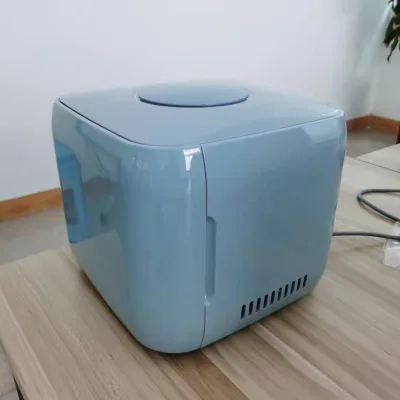
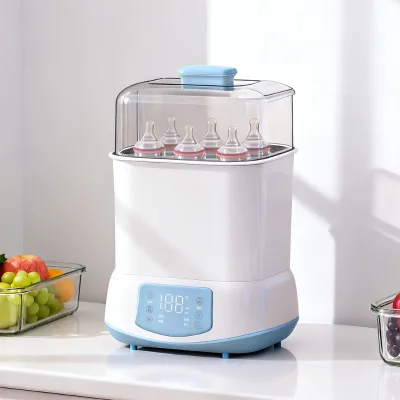
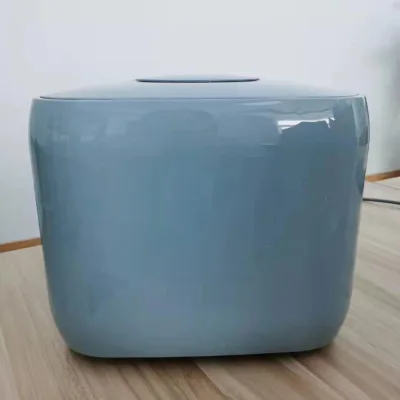

Factory Outlet UV Sterilisation Hot Air Circulation Filtration Baby Bottle Sterilizer
$36.92 - $38.92
MOQ: 25 Pieces

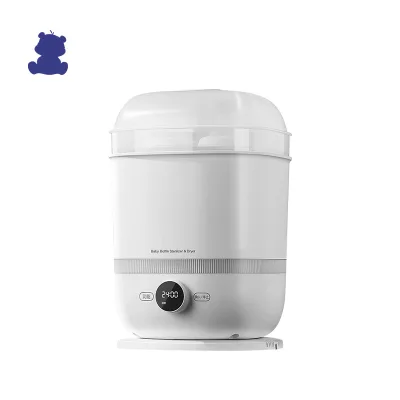
Factory Outlet Sterilising Warming Drying 3 in 1 Baby Bottle Sterilizer
$12.30 - $13.30
MOQ: 75 Pieces

Hot Sale Soft Nightlight Intelligent Reservation Steam Sterilisation Baby Bottle Sterilizer
$15.64 - $17.64
MOQ: 60 Pieces

Hot Sale Silent 72 Hours Long Lasting Constant Temperature Baby Bottle Sterilizer
$7.96 - $8.96
MOQ: 120 Pieces

Hot Sale Multi-Functional Thermostatic Milk Regulator Steam Sterilisation Baby Bottle Sterilizer
$14.38 - $16.38
MOQ: 60 Pieces

Hot Sale Wholesale Automatic Constant Warming Sterilising 2-in-1 Baby Bottle Sterilizer
$10.46 - $12.46
MOQ: 80 Pieces


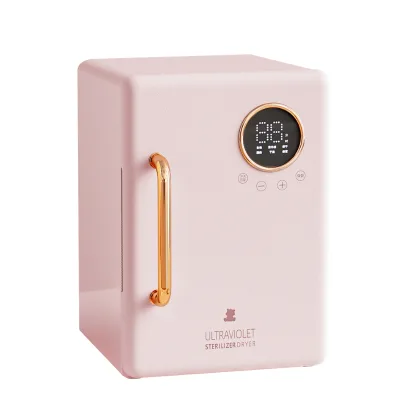
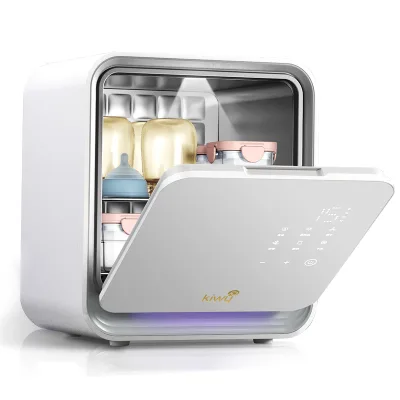
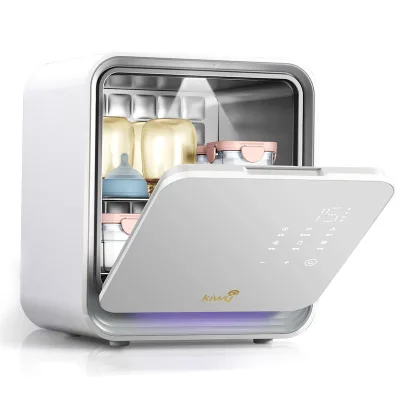


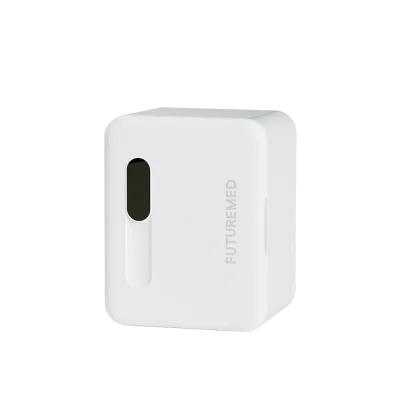
Ultraviolet Sterilizing Machine UV Sterilization Bottle Irradiation Machine
$2380.00 - $2580.00
MOQ: 1 set

Comprehensive Sourcing Guide
UV Baby Bottle Sterilizer Sourcing Guide
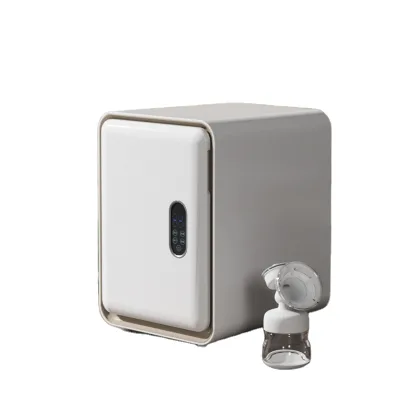
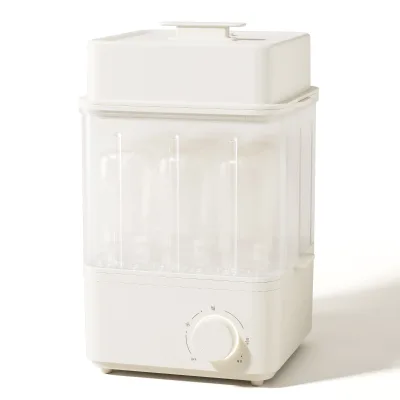
Sourcing UV baby bottle sterilizers requires a careful balance between verifying technical efficacy and ensuring material safety for infant care products. These devices utilize ultraviolet-C light to disrupt the DNA of bacteria and viruses, offering a chemical-free alternative to traditional boiling or steam sterilization. Buyers must distinguish between true UV sterilization units and those that merely combine heating elements with UV lamps, as the latter may not provide the same level of pathogen reduction without thermal assistance. The market offers a variety of form factors, from compact countertop units to larger multi-bottle sterilizers, each serving different household or commercial needs.
Procurement decisions should be driven by specific use cases, such as daily home use, daycare facilities, or retail distribution. The observed product landscape includes models designed for specific capacities, ranging from small units holding a few bottles to larger appliances capable of sterilizing eight or more milk bottles along with their parts. Understanding the intended volume of sterilization is critical, as it dictates the required wattage, internal chamber size, and power consumption. Buyers should also consider the drying function, as many modern UV sterilizers integrate hot air drying to prevent moisture-related bacterial regrowth, a feature that significantly enhances hygiene outcomes.
Product Scope and Observed Listing Signals
The current market presents a diverse range of UV sterilizers with varying specifications, as evidenced by observed listings that include models like D01, D02, and D02-1, alongside others labeled with codes such as wxd-0467 and wxd-0459. These products often feature dual functions, combining sterilization with drying capabilities, which is a key selling point for parents seeking to maintain dry, sterile conditions for bottles and nipples. Materials commonly cited include polypropylene (PP) and stainless steel, with an emphasis on being BPA-free, PVC-free, and latex-free to ensure safety for infant contact. The visual design also varies, with some units adopting a gourd-shaped aesthetic or a new-fashion style to appeal to modern home decor trends.
Price points and minimum order quantities (MOQs) show significant variance, with observed ranges spanning from $7.96 to $5,000 USD and MOQs from 1 to 2,000 pieces. This wide disparity suggests a market segmented by both consumer-grade retail units and bulk industrial or OEM orders. Some listings indicate a brand name of "Beardodo" or offer OEM customization, highlighting the importance of branding strategies for private label buyers. Additionally, attributes such as "Class II" instrument classification and specific certifications like RoHS, CE, and FDA are present in some listings, providing initial signals of regulatory compliance that buyers must independently verify rather than accept at face value.
Technical Specifications to Verify
When evaluating UV sterilizers, the rated power and sterilization wattage are critical technical parameters that determine the efficiency of the sterilization cycle. Observed data indicates a wide range in power consumption, with some models rated at 420W or 135W, while others specify a sterilization wattage of 700W or a drying wattage of 180W. Buyers must verify whether the stated wattage refers to the UV lamp output or the total energy consumption of the unit, including heating elements for drying. The voltage compatibility is another essential factor, with many units supporting a wide range of 100V~220V at 50/60Hz, ensuring global usability, though specific regional plugs and voltage stability must be confirmed for the target market.
The physical dimensions and capacity of the sterilizer directly impact its suitability for different user environments. Listings show single package sizes ranging from approximately 27x18x37 cm to 35x35x32 cm, with weights varying from 1.3 kg to 4.5 kg. Capacity is often specified in terms of the number of bottles, such as holding four feeding bottles and parts or accommodating up to eight milk bottles. Buyers should request detailed internal chamber diagrams to ensure that the UV light can effectively reach all surfaces of the bottles and accessories, as shadowing from improper placement can compromise sterilization efficacy. Additionally, the material construction, particularly the quality of the UV-resistant plastic or stainless steel interior, should be assessed for durability and resistance to degradation over time.
Compliance and Safety Documentation
Regulatory compliance is non-negotiable for baby care products, and buyers must ensure that suppliers provide valid and up-to-date certification documents. Observed listings mention certifications such as RoHS, CE, ISO, EEC, and FDA, but these claims require rigorous verification. For instance, CE marking must correspond to the relevant European directives, such as the Low Voltage Directive and EMC Directive, while FDA registration is crucial for products marketed in the United States. Buyers should request copies of the test reports and certificates, checking the issuing body’s accreditation and the validity period of each document to avoid relying on expired or forged credentials.
Safety features are another critical aspect of compliance and product design. Many UV sterilizers include features like dry heating protection to prevent damage to the unit and reduce fire risks. Buyers should verify that the UV light is shielded effectively to prevent leakage during operation, as exposure to UV-C radiation can be harmful to human skin and eyes. The use of BPA-free and latex-free materials is a standard expectation, but buyers should request material safety data sheets (MSDS) or third-party lab tests to confirm the absence of harmful substances. Additionally, the instrument classification, such as Class II, should be validated against local medical device or electrical appliance regulations to ensure proper legal status in the destination market.
Cost Drivers and Commercial Terms
The cost of UV baby bottle sterilizers is influenced by several factors, including the complexity of the design, the quality of materials, and the level of customization required. Models with advanced features, such as integrated drying functions, digital controls, or larger capacities, typically command higher prices. The observed price range of $7.96 to $5,000 USD reflects this variability, with lower prices likely corresponding to basic, high-volume OEM units and higher prices to premium, feature-rich models. Buyers should analyze the cost breakdown to understand the value proposition, ensuring that they are not overpaying for features that do not align with their target market’s needs.
Commercial terms, including MOQs and lead times, play a significant role in the procurement strategy. Observed MOQs range from 1 to 2,000 pieces, offering flexibility for both small retailers and large distributors. Sample times are typically cited as 7-10 working days, which is a standard benchmark for evaluating product quality before placing bulk orders. Buyers should negotiate clear terms regarding payment methods, shipping responsibilities, and return policies for defective units. Additionally, the supply ability, such as 10,000 pieces per month, should be assessed to ensure that the supplier can meet demand spikes without compromising quality or delivery schedules.
Supplier Qualification and Quality Control
Selecting a reliable supplier is paramount to ensuring consistent product quality and timely delivery. Buyers should conduct thorough due diligence on potential suppliers, verifying their business licenses, manufacturing capabilities, and quality management systems. Suppliers located in regions like Guangdong, China, often have established supply chains for electronic and plastic products, but this does not guarantee quality. Buyers should request factory audits or third-party inspection reports to assess the production environment, worker training, and quality control processes. Additionally, checking the supplier’s history of exports and customer feedback can provide insights into their reliability and professionalism.
Quality control measures should be implemented throughout the production process, from raw material inspection to final product testing. Buyers should define clear quality standards and acceptance criteria, including functional tests for UV output, drying efficiency, and electrical safety. Random sampling and pre-shipment inspections are essential to detect defects before goods are dispatched. Suppliers should be required to provide a warranty period and a clear process for handling defective products. Establishing a strong relationship with the supplier through regular communication and performance reviews can help maintain high standards and address any issues promptly.
Long-Term Procurement Checks
Long-term success in sourcing UV baby bottle sterilizers depends on continuous monitoring of product performance and market trends. Buyers should track customer feedback and return rates to identify any recurring issues, such as UV lamp failure or material degradation. Regularly reviewing the supplier’s performance metrics, including on-time delivery rates and defect percentages, can help in making informed decisions about future orders. Additionally, staying updated on regulatory changes and emerging technologies in the sterilization industry is crucial to maintaining a competitive edge. Buyers should be prepared to adapt their sourcing strategy as needed, whether by switching suppliers, upgrading product specifications, or exploring new markets.
Sustainability and ethical sourcing are increasingly important considerations for modern buyers. Evaluating the environmental impact of the product, such as energy efficiency and recyclability of materials, can enhance brand reputation and appeal to eco-conscious consumers. Buyers should encourage suppliers to adopt sustainable practices, such as using recyclable packaging and reducing waste during production. Furthermore, ensuring that the supply chain is free from labor violations and adheres to ethical standards is essential for maintaining corporate social responsibility. By integrating these long-term checks into their procurement strategy, buyers can build a resilient and responsible supply chain that supports business growth and customer satisfaction.
FAQs
What certifications do these sterilizers have?
The products hold RoHS, ISOEEC, FDA, and CE certifications. These documents verify compliance with safety and environmental standards for medical and baby care devices, ensuring the equipment meets international regulatory requirements for sterilization and drying functions.
Can the sterilizer dry and disinfect bottles simultaneously?
Yes, the device functions as a combined unit for drying and disinfecting. It utilizes specific wattage for sterilization and drying to ensure bottles and parts are fully sanitized and dry, making it suitable for baby bottle care and storage needs.
What is the minimum order quantity for these units?
The minimum order quantity is 1000 pieces for standard orders. Some listings indicate a range from 1 to 2000 units, but the confirmed high-confidence fact specifies 1000 pieces as the baseline requirement for purchasing this specific model.
How many bottles can the sterilizer hold at once?
Capacity varies by model, with options holding 4 or 8 milk bottles and parts. Specific configurations support items like baby bottle nipples and caps, ensuring sufficient space for typical feeding equipment storage and processing within the designated volume.
Where are these sterilizers manufactured?
These units originate from Guangdong, China. The manufacturing location is confirmed as a key origin point for the supply chain, indicating the regional source for the production of these electric sterilization and drying appliances.
What materials are used in the construction?
The devices are constructed from PP and stainless steel materials. These components are selected for durability and safety, often featuring BPA-free, PVC-free, and latex-free properties to ensure they are safe for contact with baby feeding items.