Source Vacuum Mobile Oil Purifier for Engine, Lubricant, and Turbine Oil
Compare 30 Vacuum Mobile Oil Purifier units from verified Chinese suppliers. These mobile filtration systems handle solid-liquid separation, oil-water separation, and dehydration for cooking, engine, and lubricant oils with capacities ranging from 21 to 3000 liters per hour; compare the available evidence and request quotations based on your requirements.
Key considerations
Products List


Mobile Trolley Type Insulation Oil Purifier for Used Transformer Oil Treatment
$9200.00 - $9800.00
MOQ: 1 Pieces

Portable Oil Purifier with One Stage Filter for Oil Filling and Oil Tranferring
$3500.00 - $20000.00
MOQ: 1 Pieces

Vacuum Transformer Oil Filtration Machine Mobile Dielectric Oil Purifier
$4000.00 - $30000.00
MOQ: 1 Pieces


Durable Polluted Oil Filter Machine Mobile Vacuum Oil Purifier for Turbine Oil Ty-M-150
$6000.00 - $20000.00
MOQ: 1 Sets


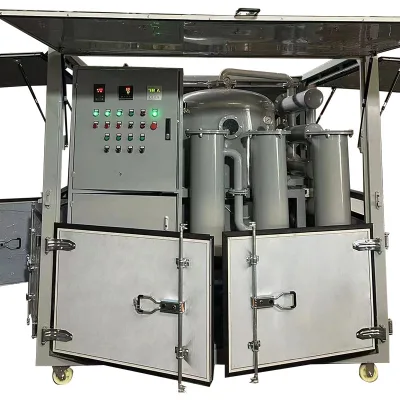
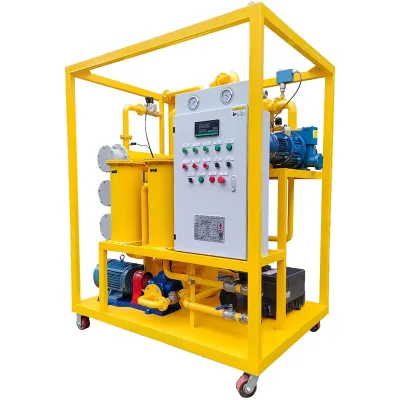


CE Heating Vacuum Oil Purifier Efficient Separate Water From Oil
$5765.00 - $6070.00
MOQ: 1 Pieces
Chungho Environmental Protection Technology Chengdu Co., Ltd.

Advanced CE Industrial Vacuum Oil Purifier for Transformer Oil
$3305.00 - $3475.00
MOQ: 1 Pieces
Chungho Environmental Protection Technology Chengdu Co., Ltd.


Comprehensive Sourcing Guide
Vacuum Mobile Oil Purifier Sourcing Guide
Selecting the right Vacuum Mobile Oil Purifier requires aligning machine capabilities with specific fluid handling needs. Buyers must evaluate whether the unit supports solid-liquid separation, oil impurity removal, or specialized tasks like handling used cooking oil with high impurity content. The choice between vertical and mobile structures often dictates installation flexibility and footprint efficiency in industrial settings.
Procurement teams should verify mechanical principles, particularly vacuum-based dehydration, which is critical for removing moisture and gases from hydraulic, turbine, or lubricant oils. Confirming the processing capacity, such as 21 to 70 liters per minute or higher throughput models, ensures the equipment matches operational demand. Matching voltage requirements, typically 220V to 440V, prevents electrical incompatibility during site deployment.
Product Scope and Observed Listing Signals
Market listings reveal a diverse range of vacuum mobile oil purifiers tailored for distinct industrial applications. Some models are explicitly designed for cooking oil purification, while others target engine oil, lubricant oil, and turbine oil maintenance. The observed product range includes units with specific functions like emulsion breaking, constant heating, and fine filter cleaning, indicating a broad spectrum of specialized capabilities available to buyers.
Observed price points vary significantly, ranging from approximately $189 to $100,000, reflecting differences in material quality, filtration stages, and automation levels. Minimum order quantities are consistently listed as one unit, suggesting these machines are typically sold as individual capital equipment rather than bulk commodities. This structure allows for flexible procurement strategies where facilities can purchase single units for specific maintenance tasks without committing to large inventory volumes.
Technical Specifications to Verify
Buyers must rigorously verify the mechanical structure and material composition of the purifier. Units are often constructed from stainless steel or carbon steel, with filter materials varying accordingly to ensure durability and corrosion resistance. The working pressure should not exceed 0.9 MPa, and the operation mode is frequently fully automatic, requiring confirmation of control system reliability and user interface accessibility for plant operators.
Performance metrics such as filtering degree, often cited as NAS 6 or better, and demulsification time, typically within 30 minutes, are critical for assessing purification efficiency. Additionally, oil water content reduction to below 50 ppm is a key performance indicator for high-purity requirements. Buyers should also confirm the flow rate, which may range from 30 to 50 liters per minute, to ensure the unit meets the throughput demands of their specific hydraulic or lubrication systems.
Compliance and Safety Documentation
Safety and regulatory compliance are paramount when sourcing industrial oil purification equipment. Certifications such as TÜV and CE are commonly observed, indicating adherence to European safety and quality standards. Buyers must request valid certification documents to ensure the equipment meets local regulatory requirements and operational safety protocols, particularly for machines involving high temperatures and vacuum pressures.
Documentation should also cover electrical safety and operational protections. Features like safety operation protection and constant heating functions require clear technical manuals detailing emergency shutdown procedures and maintenance intervals. Verifying that the power supply matches site specifications, whether 220V or 440V, is essential to prevent electrical hazards and ensure seamless integration into existing industrial power infrastructure.
Cost Drivers and Commercial Terms
Several factors influence the total cost of ownership for vacuum mobile oil purifiers. Material selection, such as the use of stainless steel versus carbon steel, directly impacts initial purchase price and long-term durability. Advanced features like multistage oil filtering, hydraulic oil filtration, and specialized handling for high-impurity oils also contribute to higher costs but may offer greater efficiency and reduced downtime for specific applications.
Commercial terms often include a guarantee period of 24 months, providing buyers with assurance regarding product reliability. Packaging is typically handled via export-standard wooden cases or crates to protect the equipment during transit. Buyers should clarify whether installation support, training, or spare parts are included in the base price or quoted separately to avoid unexpected expenses during the commissioning phase.
Supplier Qualification and Quality Control
Evaluating supplier credibility is essential for securing reliable industrial equipment. Buyers should verify the supplier’s origin, with many manufacturers located in regions like Xinxiang, China, known for industrial machinery production. Assessing the supplier’s ability to provide customization options, such as specific colors or tailored processing capacities, indicates their flexibility and commitment to meeting unique client requirements.
Quality control processes should be transparent, with clear standards like HNP073R3ZCP or TYA-P-50 defining product specifications. Buyers must confirm that the supplier conducts rigorous testing to ensure performance metrics, such as filtering degree and flow rate, meet advertised claims. Establishing a clear communication channel for technical support and after-sales service is crucial for maintaining equipment performance and addressing any operational issues promptly.
Long-Term Procurement Checks
Long-term success depends on the availability of spare parts and ongoing technical support. Buyers should inquire about the supplier’s inventory of filter elements, seals, and other consumables to minimize downtime during routine maintenance. A robust supply chain for these components ensures that the purifier remains operational and efficient throughout its service life, protecting the initial investment.
Regular performance monitoring and preventive maintenance schedules should be established in collaboration with the supplier. Tracking metrics such as oil water content and filtering efficiency over time helps identify potential issues before they lead to equipment failure. Maintaining detailed records of service history and performance data facilitates informed decision-making for future procurement or upgrades, ensuring continuous improvement in oil purification processes.
FAQs
What is the processing capacity of the mobile vacuum oil purifier?
The mobile vacuum oil purifier offers processing capacities of 21 liters per minute and 70 liters per minute depending on the specific model selected. These units are designed for efficient solid-liquid separation and oil-water separation in various industrial applications.
Which certifications do the vacuum oil purifiers hold?
The vacuum oil purifiers hold TüV and CE certifications to ensure safety and compliance with international standards. These certifications verify that the equipment meets rigorous quality and performance requirements for industrial oil filtration and dehydration processes.
Can the mobile oil purifier handle high impurity content?
Yes, the mobile oil purifier is specially designed to handle used cooking oil with high impurity content. It utilizes vacuum principles for efficient filtration, emulsion breaking, and multistage oil filtering to ensure clean output regardless of initial oil condition.
What materials are used to construct the oil purifier?
The oil purifier is constructed from stainless steel or carbon steel to ensure durability and resistance to corrosion. This material choice supports long-term operation in demanding environments while maintaining the structural integrity required for high-pressure vacuum filtration systems.
How is the mobile oil purifier packaged for shipping?
The mobile oil purifier is packaged in export standard wooden crates or wooden cases to ensure safe transport. This robust packaging protects the equipment from damage during transit and is suitable for international shipping from the manufacturing origin in China.
What is the warranty period for the vacuum oil purifier?
The vacuum oil purifier comes with a 24-month guarantee period to protect your investment. This warranty covers the machine against defects and ensures reliable performance for lubricant oil, turbine oil, and hydraulic oil filtration applications over the specified duration.