Source Vertical Customized Bandknife Cutting Machine for Foam, Rubber, and Textiles
Find 30 vertical customized bandknife cutting machines with options for CNC control, linear guides, and adjustable thickness. Compare specifications like blade length, cutting types, and motor power to select the right equipment for industrial foam, rubber, or textile processing needs.
Key considerations
Products List

Bandknife Saw Cutter Vertical Foam Cutting Machine Vertical Foam Cutting Machine
$3600.00 - $3800.00
MOQ: 1 Pieces


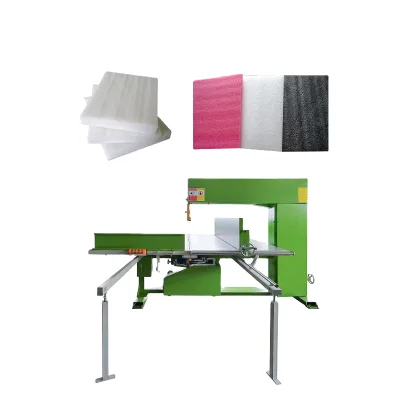


Low Cost Horizontal Knife Vertical Knife Strip Fabric Cutting Machine
$4000.00 - $4500.00
MOQ: 1 Pieces


Comprehensive Sourcing Guide
Strategic Sourcing Guide for Vertical Customized Bandknife Cutting Machines
The industrial landscape for material processing relies heavily on precision cutting solutions, with the Vertical Customized Bandknife Cutting Machine emerging as a critical asset for manufacturers requiring high-volume, accurate segmentation of soft and semi-rigid materials. Sourcing such specialized equipment demands a rigorous approach that balances technical specifications, operational customization, and supplier reliability. This guide provides a structured framework for procurement professionals to evaluate potential suppliers and select machinery that aligns with specific production requirements, ensuring that the investment delivers optimal performance and longevity.
Technical Architecture and Cutting Capabilities
When evaluating a Vertical Customized Bandknife Cutting Machine, the primary focus must be on the mechanical architecture that defines its cutting performance. The core mechanism typically involves a vertical blade arrangement designed to slice through materials with minimal waste and maximum precision. A critical observation in the current market is the prevalence of vertical cutting types that utilize advanced guide systems to maintain blade stability during operation. Specifically, the integration of four linear guides is a significant technical advantage, as it ensures the blade remains perfectly aligned, reducing vibration and extending the service life of the cutting tool.
The physical dimensions of the cutting area are paramount for determining the machine's capacity. Buyers should verify the baffle height, which acts as a safety and alignment feature for the material being processed. In high-capacity units, this dimension can reach up to 600mm, allowing for the processing of thick or large-format materials. Furthermore, the adjustment mechanism for thickness is a vital component of operational flexibility. Machines equipped with a hand wheel featuring a scale bar provide operators with direct, manual control over the cutting depth, ensuring repeatability and accuracy. This manual adjustment system is often preferred for its simplicity and robustness in high-traffic industrial environments.
The blade itself is the consumable heart of the machine. While the specific blade length can vary significantly based on the model, observed specifications indicate lengths up to 8700mm for certain industrial configurations. The ability to adjust the cutting thickness is another key performance indicator. Minimum cutting thickness capabilities, such as 3mm, define the machine's precision floor, allowing for the processing of delicate materials without compromising structural integrity. When sourcing, it is essential to confirm that the machine's vertical cutting type matches the specific material profile, as horizontal or angled cutting mechanisms may not provide the necessary stability for certain applications.
Customization and Operational Specifications
The term "customized" in the context of bandknife cutting machines refers to the ability to tailor the equipment to specific production lines, material types, and throughput requirements. The market offers a variety of models, each with distinct specifications that cater to different industrial needs. For instance, some units are designed with a specific prod_model designation, such as SN-VC172 or DL-Z500, indicating unique engineering configurations. These models often come with standardized dimensions, such as a standard size of 465040002450MM, which buyers must consider when planning factory floor layout and logistics.
Customization extends beyond the physical dimensions to include the controlling mode and automation level. While some machines operate with manual controls, advanced units feature CNC (Computer Numerical Control) systems that automate the cutting process. This transition to automatic grade operation significantly enhances efficiency and reduces human error. The precision of these automated systems is often categorized as "High Precision," ensuring that every cut meets strict tolerances. Additionally, the track system, whether linear or otherwise, plays a crucial role in the smooth movement of the cutting assembly. A linear track system is frequently observed in high-performance units, providing the necessary stability for consistent cutting results.
The power requirements and motor specifications are also critical factors in the customization process. The host motor power can vary, with observed values ranging from 11 kW to 15 kW depending on the machine's size and intended load. For hydraulic systems, the hydraulic pump motor power is another variable, with specifications such as 5kw or 5.5kW being common. These power ratings directly influence the machine's ability to handle heavy-duty cutting tasks. Buyers must ensure that their facility's power infrastructure can support these requirements. Furthermore, the feeding speed of the trolley, which can reach up to 20m/Min, and the maximum feeding weight, which may be as high as 10000kg, are essential parameters for matching the machine to the production volume.
Compliance, Certification, and Safety Standards
In the global procurement of industrial machinery, compliance with international standards and safety certifications is non-negotiable. Buyers must verify that the supplier provides documentation confirming adherence to recognized safety and quality frameworks. The market data indicates that reputable manufacturers often hold certifications such as ISO, RoHS, CE, and GS. These certifications serve as evidence that the machine meets specific safety, environmental, and electromagnetic compatibility standards. The presence of the CE mark, for instance, is a mandatory requirement for selling machinery within the European Economic Area, indicating compliance with EU safety directives.
It is important to distinguish between general certifications and specific product standards. While some suppliers may claim adherence to ISO 9001:2015, this is a quality management system standard rather than a product-specific certification. Buyers should prioritize product-level certifications that directly relate to the machine's safety and performance. The GS mark, for example, indicates that the product has been tested by a recognized German safety organization, providing an additional layer of assurance. Similarly, RoHS compliance ensures that the machine does not contain restricted hazardous substances, which is crucial for environmental regulations in many jurisdictions.
When evaluating a supplier, buyers should request a comprehensive list of certifications and verify their validity. The origin of the machine, often listed as China or specific regions like Shandong, can influence the certification process, as different regions have varying regulatory requirements. However, the presence of international certifications like CE and GS indicates that the manufacturer has met global standards regardless of the location of production. Buyers should also check for any specific industry standards that may apply to their sector, such as food safety standards if the machine is used for processing food-grade materials.
Cost Drivers and Pricing Structures
Understanding the cost drivers of vertical customized bandknife cutting machines is essential for budgeting and financial planning. The price of these machines can vary widely, with observed ranges spanning from 1 USD to 115,000 USD. This broad spectrum reflects the diversity in machine size, complexity, automation level, and customization options. Entry-level models may be priced at the lower end of the scale, offering basic functionality with manual controls and standard dimensions. In contrast, high-end models featuring CNC control, advanced linear guide systems, and custom specifications command premium prices.
The minimum order quantity (MOQ) is another critical factor in the cost structure. In the current market, many suppliers offer an MOQ of 1, allowing buyers to purchase a single unit without the need for bulk ordering. This flexibility is particularly beneficial for small to medium-sized enterprises that require a single machine for their operations. However, buyers should be aware that while the MOQ may be low, the lead time and shipping costs can significantly impact the total cost of ownership.
Packaging and logistics also play a role in the overall cost. Different models may require different packaging solutions, such as bulk packing in a 20FT container, plastic protective film with a wooden case, or standard wooden packaging. The choice of packaging affects the shipping cost and the risk of damage during transit. Buyers should factor in these logistics costs when comparing quotes from different suppliers. Additionally, the weight of the machine, which can be as high as 10000 Kg, necessitates specialized handling equipment and transportation arrangements, further influencing the total cost.
Supplier Evaluation and Quality Assurance
Selecting the right supplier is as important as selecting the right machine. Buyers should prioritize suppliers who have a proven track record as manufacturers rather than traders. A supplier identified as a "Manufacturer Since 2003" demonstrates long-term stability and experience in the industry. This longevity often translates to better technical support, more reliable spare parts availability, and a deeper understanding of the machine's operational nuances.
Quality assurance should be a central component of the supplier evaluation process. Buyers should inquire about the supplier's quality control procedures, including factory inspections, pre-shipment testing, and post-delivery support. The condition of the machine, typically listed as "New," should be verified through photos, videos, or third-party inspection reports. Additionally, the supplier's ability to provide detailed technical documentation, including operation manuals, maintenance guides, and safety instructions, is a strong indicator of their commitment to quality.
When comparing suppliers, buyers should look for transparency in their product specifications. A supplier that provides detailed information about the machine's dimensions, motor power, cutting speed, and other technical parameters is more likely to be reliable. Conversely, suppliers that provide vague or incomplete information may pose a higher risk. Buyers should also consider the supplier's location, as proximity can facilitate easier communication and faster response times for technical support. However, the origin of the machine, such as China or Shandong, should not be the sole determinant of quality, as many manufacturers in these regions produce high-quality equipment that meets international standards.
Long-Term Procurement and Maintenance Considerations
The procurement of a Vertical Customized Bandknife Cutting Machine is a long-term investment that requires careful consideration of maintenance and lifecycle costs. Buyers should evaluate the availability of spare parts, the ease of maintenance, and the expected service life of the machine. Machines with robust construction, such as those featuring four linear guides and high-precision tracks, are likely to have a longer service life and require less frequent maintenance.
The customization aspect of the machine also impacts long-term procurement. A machine that is tailored to specific production needs may require specialized spare parts or tools for maintenance. Buyers should ensure that the supplier can provide these specialized components and that they are readily available. Additionally, the supplier's ability to offer training and technical support is crucial for maximizing the machine's performance and minimizing downtime.
Finally, buyers should consider the scalability of their procurement strategy. As production needs grow, the ability to upgrade or expand the machine's capabilities may be necessary. A supplier that offers modular upgrades or the ability to customize the machine further can provide greater flexibility in the long run. By focusing on these long-term considerations, buyers can ensure that their investment in a Vertical Customized Bandknife Cutting Machine delivers sustained value and supports their production goals for years to come.
FAQs
What customization options are available for this machine?
Customization is available for this Vertical Customized Bandknife Cutting Machine to meet specific production needs. Buyers can select from various models like SN-VC172 or DL-Z500 with distinct dimensions and features to align with their facility layout.
How is the cutting thickness adjusted on the machine?
The cutting thickness is adjusted using a hand wheel equipped with a scale bar for direct manual control. This mechanism ensures repeatability and accuracy, with a minimum cutting thickness capability of 3mm for processing delicate materials.
Which certifications does the machine hold for safety compliance?
The machine holds ISO, RoHS, CE, and GS certifications to ensure safety and environmental compliance. These marks indicate adherence to international standards, including EU safety directives and restrictions on hazardous substances for global deployment.
Can the machine handle heavy materials with high precision?
Yes, the machine supports a maximum feeding weight of 10000kg while maintaining high precision. It utilizes four linear guides to ensure blade stability, reducing vibration and allowing for accurate cuts on large H-beams up to 1250x600mm.
What is the minimum order quantity for purchasing this unit?
The minimum order quantity is one unit, allowing buyers to purchase a single machine without bulk requirements. This flexibility supports small to medium enterprises needing immediate capacity without the constraints of large volume orders.
How is the machine packaged for safe international shipping?
Packaging varies by model, ranging from bulk packing in a 20FT container to plastic protective film and wooden cases. Some units use standard wooden packaging, ensuring the heavy 10000kg machine arrives safely at the destination.