Source Vertical Cotton Recycling Baler for Waste Paper, Steel Pipe, and Medical Use
Find 30 Vertical Cotton Recycling Baler options from China. Compare hydraulic and semi-automatic models for waste paper, steel pipe, and medical applications. View specifications, certifications, and pricing to select the right machine for your facility; compare the available evidence and request quotations based on your requirements.
Key considerations
Products List


Vertical Hydraulic Cotton Baler Textile Cloth Baler Vertical Hydraulic Cloth Baler
$2000.00 - $5000.00
MOQ: 1 Pieces


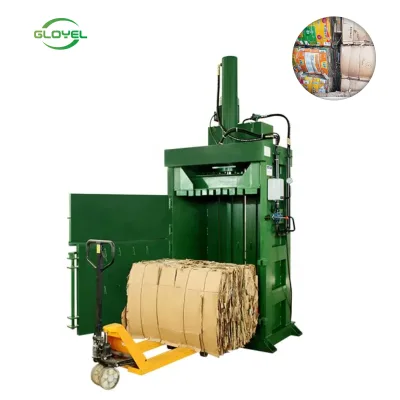


Waste Plastic Paper Recycling Baling Machine Vertical Square Baler Machine
$4500.00 - $7300.00
MOQ: 1 Sets


Vertical Hydraulic Baler for Cotton Textile Products Carton Packaging Machine
$10000.00 - $15000.00
MOQ: 1 Sets


Comprehensive Sourcing Guide
Vertical Cotton Recycling Baler Sourcing Guide
Procurement professionals evaluating vertical cotton recycling balers must first distinguish between semi-automatic and fully automated systems based on their specific throughput requirements. The observed market data indicates a mix of automation levels, ranging from non-automated units with button controls to fully automated hydraulic models. Buyers should prioritize machines that align with their labor constraints, noting that semi-automatic options often provide a cost-effective entry point for facilities with moderate waste volumes.
When assessing product listings, it is critical to verify the specific strapping mode and driven type, as these directly impact operational efficiency and maintenance costs. The available data highlights hydraulic driven types and welding-type strapping modes as common configurations for these units. Sourcing teams should ensure the selected machine matches the physical characteristics of the cotton waste, such as whether it involves packing cloth or second-hand textiles, to prevent mechanical jams or inefficient compression cycles.
Product Scope and Observed Listing Signals
The observed product range for vertical balers includes specialized models designed for diverse materials, from waste paper and steel coils to specific textile applications like cloth and plastic bottles. Buyers must carefully cross-reference the listed application fields with their actual waste stream, as some units are optimized for plastic types like PET or nylon, while others are explicitly named for cloth or waste paper processing. Misalignment between the machine's intended use and the material being processed can lead to suboptimal performance and increased wear on the hydraulic system.
Listing signals such as the "Vertical Baler" or "Vertical Cloth Baler" designation provide initial clarity, but the specific model numbers like VB-60 or TB-60 offer deeper insight into capacity and design. Procurement teams should scrutinize the size specifications and standard dimensions provided in the listings, as these physical constraints determine whether the unit fits within the available floor space of the recycling facility. Understanding these scope signals helps in filtering out incompatible machinery before engaging in detailed technical discussions with potential suppliers.
Technical Specifications to Verify
Technical verification begins with confirming the hydraulic pressure capacity and the specific screw configuration, which are pivotal for achieving the desired bale density. The market data references double-screw and single-screw variants, alongside pressure standards ranging from 40 to 120 tons. Buyers must validate that the selected model's tonnage matches the density requirements of their specific cotton waste, ensuring that the machine can handle the volume without excessive cycle times or mechanical strain on the hydraulic pump.
Control systems and computerization levels represent another critical technical differentiator that influences operator training and long-term reliability. While some units operate via simple button controls and are non-computerized, others feature advanced computerized interfaces for precise operation. Procurement specialists should assess the complexity of the control method against the skill level of their workforce, ensuring that the chosen baler offers an intuitive interface that minimizes operational errors and maximizes safety during the recycling process.
Compliance and Safety Documentation
Safety compliance is paramount when sourcing industrial balers, with CE and ISO certifications serving as the primary indicators of adherence to international safety standards. The observed listings frequently mention these certifications, yet buyers must request valid, up-to-date documentation to confirm that the specific unit model has undergone rigorous testing for electrical and mechanical safety. Relying solely on the presence of a certification mark without verifying the scope of coverage can expose the facility to significant liability in the event of an accident.
Beyond general certifications, specific safety features related to the strapping mode and emergency stop mechanisms must be verified against local regulatory requirements. The welding type strapping mechanism, while efficient, requires specific safety guards and interlocks to prevent operator injury during the loading and strapping phases. Procurement teams should ensure that the supplier provides a comprehensive safety manual and that the machine design includes necessary protective measures for the hydraulic system and moving parts.
Cost Drivers and Commercial Terms
The pricing structure for vertical cotton recycling balers is heavily influenced by the automation level, tonnage capacity, and the complexity of the hydraulic system. Observed price ranges vary significantly, reflecting the difference between basic non-automated units and advanced hydraulic models with computerized controls. Buyers should analyze the total cost of ownership, considering that higher initial costs for automated systems may be offset by reduced labor expenses and increased throughput over the machine's lifespan.
Commercial terms such as minimum order quantities and packaging specifications also play a vital role in the final procurement cost. The data indicates a standard minimum order quantity of one unit, which offers flexibility for small to medium-sized enterprises, while packaging is typically handled in wooden cases or plastic film to ensure safe transit. Procurement managers must negotiate clear terms regarding shipping, insurance, and the specific packing method to avoid unexpected logistics costs that could erode the initial savings on the machine price.
Supplier Qualification and Quality Control
Supplier qualification requires a thorough review of the manufacturer's origin and their track record in producing hydraulic machinery. The majority of observed listings originate from China, specifically regions like Guangzhou and Guangdong, which are known hubs for this type of industrial equipment. Buyers should verify the supplier's production capabilities and request references from previous clients to ensure they have a history of delivering reliable balers that meet the specified technical standards.
Quality control protocols must be established to ensure that the delivered machine matches the agreed-upon specifications and performance expectations. Given the variation in models and the potential for customization, it is essential to define clear acceptance criteria before production begins. Procurement teams should insist on pre-shipment inspections that verify the hydraulic pressure, strapping mechanism integrity, and overall build quality to mitigate the risk of receiving a unit that fails to meet operational needs.
Long-Term Procurement Checks
Long-term procurement success depends on securing robust warranty coverage and reliable after-sales support for the vertical baler. The observed market data suggests a standard warranty period of one year, but buyers should negotiate extended terms for critical components like the hydraulic pump and motor. A comprehensive warranty agreement should clearly define the scope of coverage, response times for technical support, and the availability of spare parts to minimize downtime during the machine's operational life.
Maintenance planning and the availability of technical documentation are also critical factors for sustaining long-term efficiency. Buyers must ensure that the supplier provides detailed maintenance schedules and troubleshooting guides specific to the model's control method and hydraulic system. Establishing a clear communication channel for technical support and spare parts ordering will help facilities maintain consistent performance and extend the service life of their vertical cotton recycling balers.
FAQs
What automation levels are available for vertical balers?
Vertical balers are available in semi-automatic, automatic, and non-automation configurations. Semi-automatic models require manual feeding but offer reliable compression. Automatic versions feature computerized controls for continuous operation. Non-automation options provide basic button control for simple tasks. Buyers should select the grade based on their production volume and labor availability to ensure optimal efficiency.
Which certifications do these machines typically hold?
Most vertical balers hold CE and ISO certifications, ensuring compliance with international safety and quality standards. These certifications are essential for importing machinery into regulated markets. Buyers should verify specific documentation with suppliers before purchase. The presence of CE marking indicates adherence to European health, safety, and environmental protection standards for industrial equipment.
Can the machine handle waste paper and steel coils?
Yes, many vertical balers are designed to process waste paper, steel pipes, and steel coils. Hydraulic driven types provide the necessary force for dense materials. Some models also handle medical waste and plastic bottles. Buyers must confirm the specific application compatibility with the supplier. Proper material selection ensures the machine operates within its designed capacity and prevents mechanical damage during compression.
What is the standard packaging for export?
Standard export packaging typically includes wooden cases, plastic film, or wrap film. Wooden cases offer robust protection for heavy machinery during transit. Plastic film packaging is used for smaller components or specific model requirements. Buyers should request detailed packing lists to ensure all parts are secured. Proper packaging minimizes damage risks and facilitates easier unloading at the destination port.
How does customization affect the production process?
Customization is available for size, capacity, and specific application needs. Buyers can request tailored dimensions or modified hydraulic systems. This flexibility allows machines to fit unique facility layouts. Custom orders may impact lead times and pricing. Suppliers should provide detailed specifications for any custom requirements to ensure the final product meets operational expectations and safety standards.
What warranty periods are commonly offered?
A one-year warranty is commonly offered for vertical balers. This coverage typically includes parts and labor for manufacturing defects. Buyers should review the warranty terms carefully for exclusions. Extended warranty options may be available for an additional cost. Proper maintenance and adherence to operating guidelines are essential to keep the warranty valid and ensure long-term machine performance.