Source Virgin Remy Vietnamese Hair for weaves, extensions, and styling
Compare 30 listings of Virgin Remy Vietnamese Hair bundles from suppliers in China and Vietnam. Buyers can review styles like body wave and deep wave, check weights, and evaluate shipping options before requesting quotes.
Key considerations
Products List
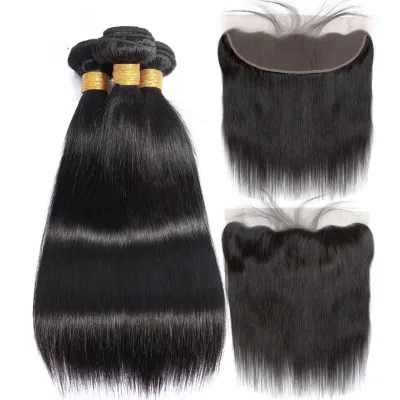


Vietnamese Bone Straight Unprocessed Virgin Human Hair at Wholesal Price
$50.00 - $52.60
MOQ: 1 Pieces


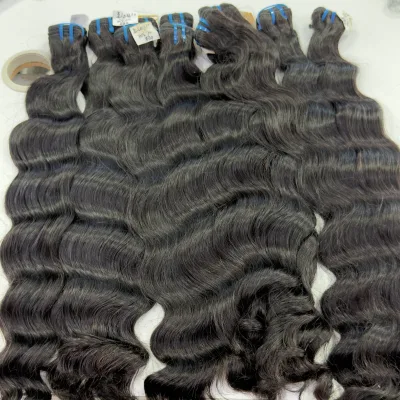
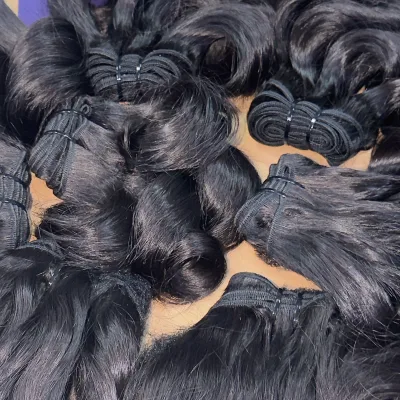
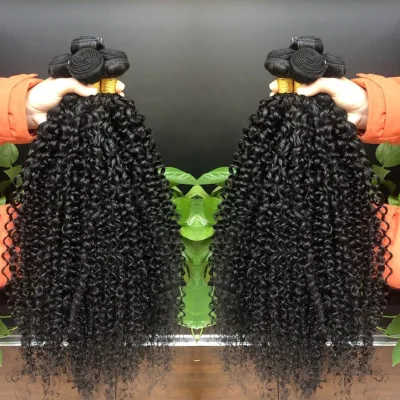
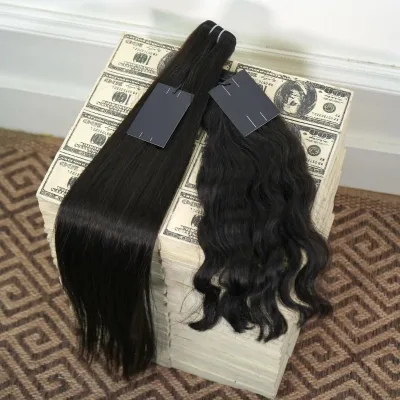
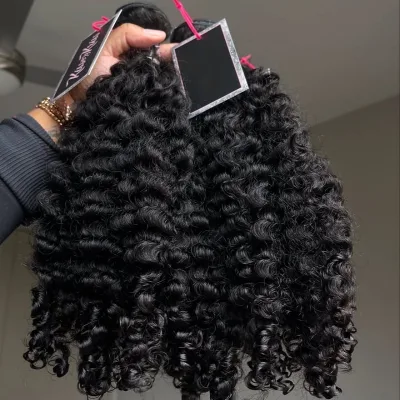


Comprehensive Sourcing Guide
Strategic Sourcing Guide for Virgin Remy Vietnamese Hair
Understanding Product Specifications and Material Integrity
When sourcing Virgin Remy Vietnamese Hair, buyers must first establish a clear understanding of the technical specifications that define the product's quality and suitability for commercial distribution. The core material is identified as virgin human hair, specifically sourced from Vietnam, which distinguishes it from other regional origins like China or India. This distinction is critical because the cuticle alignment in remy hair ensures that the strands lie in the same direction, significantly reducing tangling and matting compared to non-remy alternatives. The observed product data indicates a weight range of 95 to 100 grams per unit, with a specific single gross weight of 0.400 kg per package. This weight consistency is vital for inventory planning and shipping cost calculations.
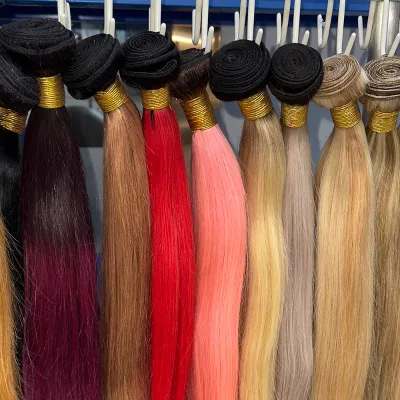
The hair texture is a primary variable in this category, with market offerings ranging from kinky curly and straight to body wave, deep wave, and water wave. The specific style attributes observed include Kinky Curl, Silky Straight Wave, telephone curl, Jerry Curl, and various wave patterns such as Italian, French, and Afro wave. These textures are not merely aesthetic; they dictate the processing requirements and the target demographic for the final product. The hair is described as unprocessed in its raw state, yet the data also notes that it is straightened and dyeable. This duality requires careful verification during the sourcing phase to ensure that the "unprocessed" claim refers to the raw cuticle state before any chemical treatment, while acknowledging that the final product may undergo straightening or coloring processes to meet specific client demands.
The physical construction of the hair bundles is another critical specification. The hair weft is consistently described as machine double weft, a construction method that enhances durability and prevents the hair from falling out during use. The single package size is typically compact, measuring 10x10x5 cm, which facilitates efficient storage and shipping. However, bulk packaging differs significantly, with carton sizes reaching 66cm x 42cm x 37cm and a carton weight of 25 kg. Understanding these dimensional and weight variances is essential for logistics planning, particularly when calculating freight costs for international shipments.
Compliance Verification and Certification Standards
In the B2B procurement of human hair, compliance and certification serve as the primary indicators of supplier reliability and product safety. While the supplied data mentions general standards such as ISO 9001 and OEKO-TEX in a low-confidence context, buyers must treat these as verification targets rather than guaranteed attributes. The absence of explicit certification data in the core product facts necessitates a proactive approach where the buyer requests current, valid certificates from the supplier.
Buyers should verify that the supplier adheres to international quality management systems, specifically ISO 9001, which ensures consistent manufacturing processes. Additionally, the OEKO-TEX Standard 100 is a crucial benchmark for textiles and hair products, confirming that the hair is free from harmful substances and safe for direct skin contact. Since the product is described as "Virgin Vietnamese Hair," it is imperative to confirm that the sourcing does not involve unethical labor practices. The origin is listed as Vietnam, but the data also contains references to China as a human hair origin. This discrepancy highlights the need for rigorous due diligence to ensure the actual origin matches the marketing claims, as mislabeling origin can lead to customs issues and reputational damage.
Furthermore, the chemical processing status must be verified. The product is noted as "Unprocessed: Yes" and "Dyeable," but also "Straightened." Buyers must request laboratory test results to confirm the absence of harsh chemicals like formaldehyde or excessive silicone coatings that could degrade the hair quality over time. The "Grade: 10a" designation is a market term rather than a universal standard; therefore, buyers should not rely on this label alone. Instead, they should request physical samples to assess the cuticle integrity, shine, and elasticity, which are the true indicators of a "10a" grade product.
Cost Drivers and Pricing Structure Analysis
The pricing of Virgin Remy Vietnamese Hair is influenced by several distinct factors, including the origin, texture, processing level, and order volume. The observed price range in the market spans from $7.07 to $128 USD, a significant variance that reflects differences in quality, length, and brand positioning. The lower end of this spectrum likely corresponds to shorter lengths or less processed textures, while the higher end may represent premium lengths, specific rare textures, or branded products with extensive marketing support.
The Minimum Order Quantity (MOQ) is another critical cost driver, with observed ranges between 1 and 100 units. Suppliers offering an MOQ of 1 are typically targeting individual buyers or small retailers, whereas those requiring 100 units are geared toward bulk distributors. Buyers must balance the cost per unit against the MOQ to determine the most economical purchasing strategy. For instance, a higher MOQ often results in a lower unit price, but it increases the initial capital outlay and inventory risk.
Shipping costs also play a substantial role in the total landed cost. The data indicates multiple shipping methods, including DHL, UPS, TNT, and FedEx, as well as sea freight ("by Boat"). For small sample orders, air freight is common, with delivery times as short as 3 days for samples. However, for bulk orders, sea freight is more cost-effective, though it extends the lead time. The supply ability of 100,000 pieces per month suggests that large suppliers can handle high-volume orders without significant delays, but buyers should confirm this capacity during the negotiation phase to avoid bottlenecks during peak seasons.
Typical Applications and Market Segmentation
Virgin Remy Vietnamese Hair is versatile and serves a wide array of applications within the beauty and fashion industries. The primary application is in the creation of hair extensions and wigs, catering to consumers seeking natural-looking volume and length. The diverse texture options, including kinky curly, body wave, and straight, allow the product to meet the specific aesthetic needs of different ethnic groups and fashion trends. For example, the "Kinky Curl" and "Afro Wave" styles are particularly popular for creating natural-looking extensions for African American clients, while "Silky Straight" and "Body Wave" appeal to a broader global market.
The hair is also used in the manufacturing of wigs and hairpieces. The "Machine Double Weft" construction makes it suitable for both hand-tied and machine-wefted wig bases, providing durability and a natural scalp appearance. The "Dyeable" and "Bleach Any Color" attributes expand the application scope, allowing stylists to customize the hair color to match the client's natural hair or to create unique fashion statements. This customization capability is a key selling point for salons and wig manufacturers who require flexibility in their product lines.
In the wholesale sector, the product is marketed as "Wholesale Unprocessed Virgin Raw Vietnamese Hair Vendor," indicating its use by distributors who supply smaller retailers or direct-to-consumer brands. The "Customization: Available" attribute suggests that suppliers can offer tailored solutions, such as specific packaging, branding, or pre-styling, which adds value for buyers looking to differentiate their offerings in a competitive market.
Supplier Evaluation and Selection Criteria
Selecting the right supplier is paramount to ensuring a consistent supply of high-quality Virgin Remy Vietnamese Hair. Buyers should evaluate suppliers based on their production capacity, quality control measures, and responsiveness. The data indicates a supply ability of 100,000 pieces per month, which is a strong indicator of a supplier's capacity to handle large orders. However, buyers should verify this claim by requesting references or conducting a site audit if possible.
The payment terms are another critical factor in supplier evaluation. The observed payment methods include PayPal, TT (Telegraphic Transfer), Western Union, and Money Gram. While these methods offer flexibility, buyers should prioritize suppliers who offer secure payment options like Letters of Credit (LC) for large transactions to mitigate financial risk. The "After Service: 21 Days Exchange/Refund Before Installation" policy is a positive indicator of supplier confidence in their product quality, but buyers should carefully review the terms and conditions of this policy to understand the specific requirements for returns.
Communication and transparency are also essential. Suppliers who provide detailed product information, such as the specific model numbers (e.g., VVHHE-002, VDC001, VLW001, VSC001), demonstrate a level of professionalism and organization. Buyers should assess the supplier's ability to provide samples quickly, as the data shows a delivery time for samples of 3 days to 24 hours. Fast sample delivery allows buyers to evaluate the product quality before committing to a larger order.
Quality Control and Inspection Protocols
Implementing a robust quality control (QC) protocol is essential to maintain the integrity of the Virgin Remy Vietnamese Hair supply chain. Buyers should establish clear criteria for inspection, focusing on the hair's texture, weight, and construction. The "No Tangle and No Shedding" attribute is a key quality claim that must be verified through physical testing. Buyers can perform a simple pull test on the hair weft to ensure that the double weft construction holds firm and does not shed excessively.
The weight consistency is another critical QC parameter. With a target weight of 95-100 grams, buyers should weigh a random sample of units from each batch to ensure they meet the specified range. Variations in weight can indicate inconsistent processing or the inclusion of non-virgin hair, which can degrade the overall quality of the product. Additionally, buyers should inspect the packaging to ensure that the hair is protected from moisture and damage during transit. The use of OPP bags and polybags is standard, but buyers should verify that the packaging is sealed and intact upon receipt.
Chemical testing is also necessary to confirm the "Unprocessed" status. Buyers should request a certificate of analysis (COA) from the supplier to verify that the hair has not been treated with harsh chemicals that could compromise its longevity. The "Straightened" processing noted in the data should be confirmed to ensure that the straightening process does not damage the cuticle. Regular QC checks should be conducted at the supplier's facility or by a third-party inspection agency to ensure compliance with the agreed-upon standards.
Long-Term Procurement and Relationship Management
Building a long-term relationship with a reliable supplier is crucial for the sustained success of a hair product business. The "Delivery Time" of 7-15 days for bulk orders and 10-25 days for customized orders indicates that suppliers can meet standard lead times, but buyers should negotiate specific timelines based on their production schedules. The "Customization: Available" attribute suggests that suppliers are willing to adapt to the buyer's needs, which is a valuable trait for long-term partnerships.
Buyers should also consider the scalability of the supplier. With a supply ability of 100,000 pieces per month, the supplier appears capable of growing with the buyer's business. However, buyers should discuss contingency plans for potential supply chain disruptions, such as raw material shortages or logistical delays. The "Port of dispatch: guangzhou" is a key logistical detail that buyers should factor into their shipping strategy, as it may influence the choice of freight forwarders and customs clearance procedures.
Finally, buyers should maintain open communication with their suppliers to stay informed about market trends and new product developments. The "Style" attributes observed, such as "FUM" and "Italian Curl," indicate a dynamic market with evolving trends. By staying engaged with their suppliers, buyers can ensure that their product offerings remain relevant and competitive. The "After Service" policy of 21 days exchange/refund provides a safety net for buyers, but proactive communication and quality control are the best strategies for minimizing returns and maintaining customer satisfaction.
Comparative Analysis of Product Models
To facilitate informed decision-making, buyers should compare the different product models available in the market. The data lists several model numbers, including VVHHE-002, VDC001, VLW001, and VSC001. While specific details for each model are not fully elaborated in the provided text, the existence of multiple models suggests a range of options in terms of texture, length, and packaging.
| Model Number | Primary Attribute | Packaging Standard | Estimated Use Case |
|---|---|---|---|
| VVHHE-002 | Virgin Vietnamese Hair | Polybag for Small Order | General Wholesale |
| VDC001 | Custom Packaged Available | Plastic Bags (1pc/bag/bundle) | Retail/Direct to Consumer |
| VLW001 | Wavy Texture | Standard Carton | Bulk Orders |
| VSC001 | Straight/Custom | Standard Carton | Salon/Professional Use |
Buyers should use this comparison to align their procurement strategy with their specific business needs. For example, a retailer focusing on individual sales might prefer the VDC001 model with its custom packaging, while a wholesaler targeting bulk orders might opt for the VLW001 or VSC001 models with standard carton packaging. Understanding these distinctions helps buyers optimize their inventory and marketing strategies.
FAQs
What is the weight range for a single bundle of Virgin Remy Vietnamese Hair?
A single bundle typically weighs between 95 and 100 grams. This weight consistency is standard for the product, with a specific single gross weight of 0.400 kg per package including the OPP bag.
Can Virgin Remy Vietnamese Hair be dyed or bleached to any color?
Yes, the hair is dyeable and can be bleached to any color. It is described as unprocessed virgin hair that allows for chemical processing, though it may be straightened before sale.
Which shipping methods are available for delivering Virgin Remy Vietnamese Hair?
Available shipping methods include DHL, UPS, TNT, and FedEx for express delivery. Bulk orders can also be shipped by boat, with sample delivery times ranging from 3 days to 24 hours.
How long does it take to deliver customized orders of Virgin Remy Vietnamese Hair?
Delivery for customized orders takes between 10 to 25 days. Sample orders are faster, with delivery times as short as 3 days or 24 hours depending on the specific request.
What is the minimum order quantity for Virgin Remy Vietnamese Hair bundles?
The minimum order quantity ranges from 1 to 100 units depending on the supplier. This flexibility allows buyers to order single items or bulk quantities based on their specific needs.
Which hair textures are available for Virgin Remy Vietnamese Hair extensions?
Available textures include kinky curly, straight, body wave, deep wave, and water wave. Specific styles like Kinky Curl, Silky Straight Wave, and Italian Curl are also offered in the product line.
What payment methods are accepted for purchasing Virgin Remy Vietnamese Hair?
Accepted payment methods include PayPal, TT, Western Union, and Money Gram. These options provide flexibility for buyers to complete transactions securely for both sample and bulk orders.